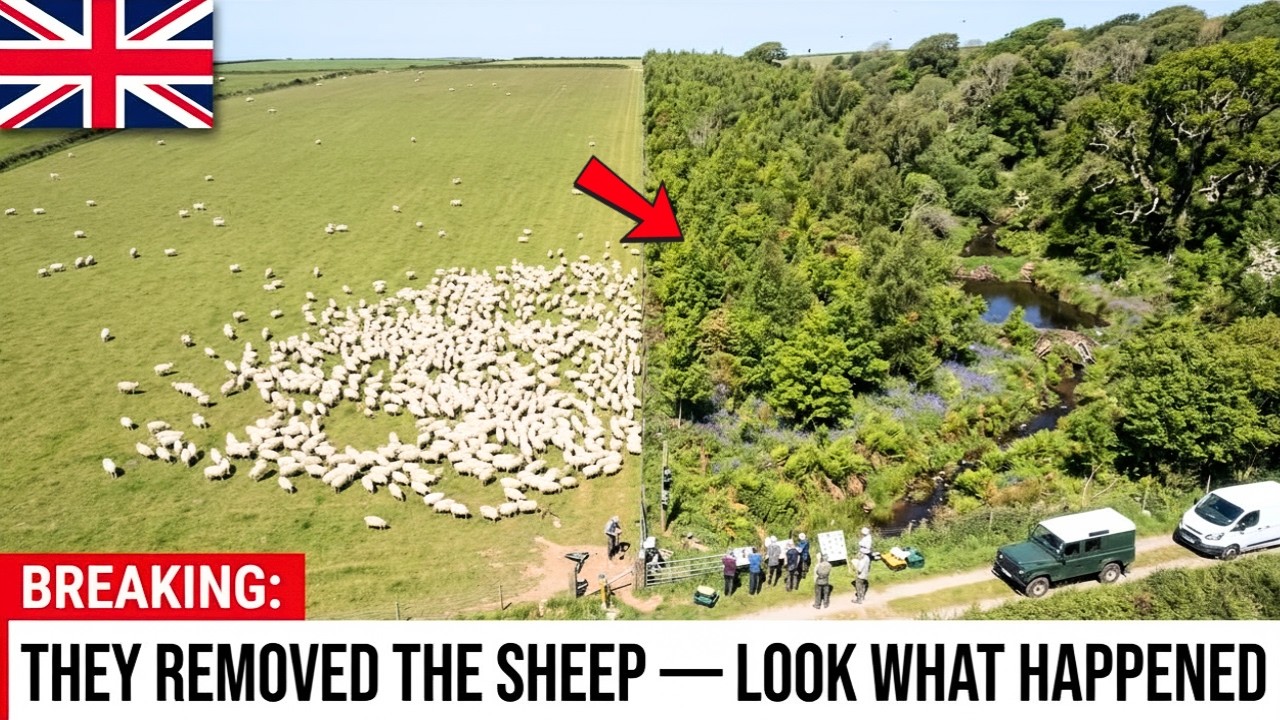
A family quietly removed their sheep from a Cornwall hillside, and the effects were immediate. Native trees and ferns began regrowing on land that had been grazed bare.
Temperate rainforest once covered a significant portion of the British Isles, but centuries of clearance for timber, agriculture, and development have reduced it to less than one percent of its former extent. For decades, this habitat loss received little formal attention. A private restoration project on a farm in Cornwall, begun in 2019, provided a working demonstration of how the ecosystem coul…
Scientists detected something extremely strange at the bottom of the Grand Canyon, and the discovery has left researchers questioning what else is hidden beneath the iconic landscape. The anomaly was found deep in the remote, hard-to-reach sections of the canyon, far from typical tourist paths.
The Grand Canyon is known for its dramatic landscape and the long geological record visible in its rock walls. That record contains a notable gap, however, which has puzzled geologists for more than 150 years. Known as the Great Unconformity, the gap represents a period when about one billion years of rock is missing from the canyon’s geological sequence.A team of geologists from the University of…

Florida removed a 60-year-old dam—then two dozen freshwater springs suddenly bubbled back to life. For decades, the concrete barrier had choked the river, silently burying natural springs beneath heavy sediment.
The Florida House of Representatives voted to approve the removal of the Rodman Dam, a structure that has separated two local waterways for decades. Conservation groups argue that the environmental benefits of removing the dam for the historic communities along the St. Johns River outweigh local concerns.The dam, also known as the Kirkpatrick Dam, was built in 1968 as part of the Cross Florida Bar…
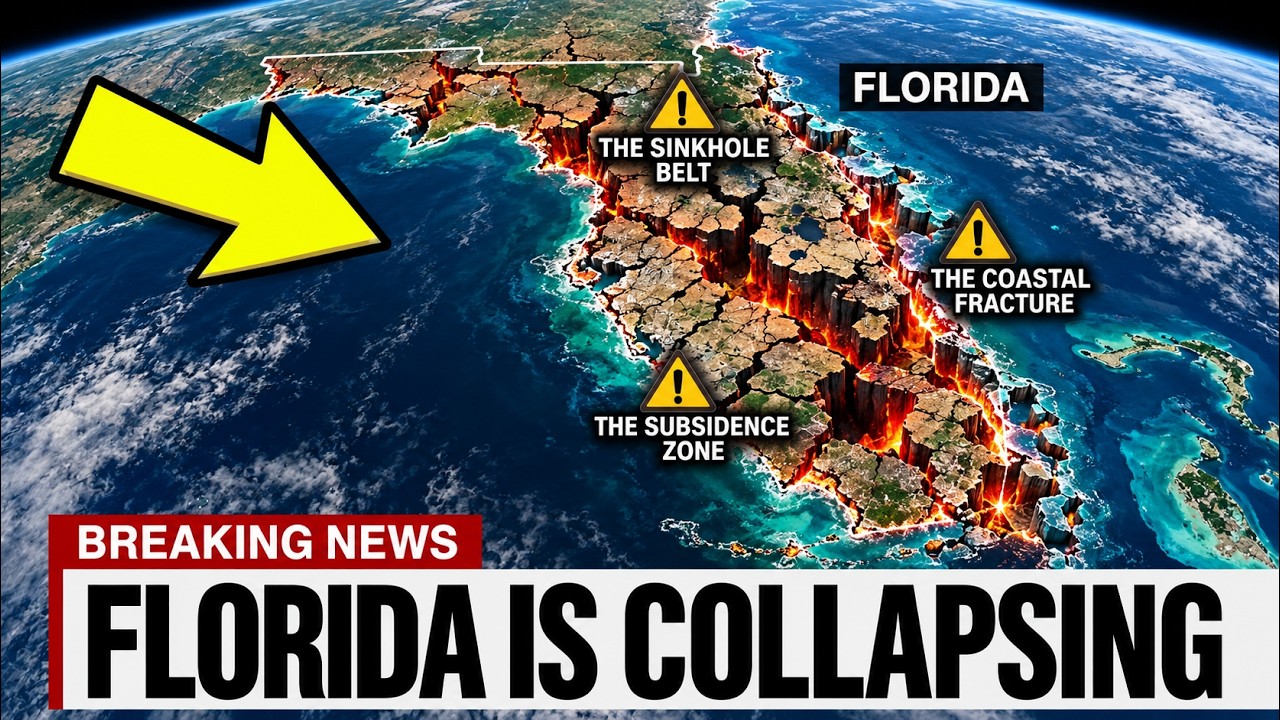
Florida’s ground isn’t just unstable—it’s actively trying to swallow the state whole. Sinkholes form without warning, carving sudden voids beneath homes, roads, and even sleeping residents.
Florida is the exposed portion of a much larger geological platform. According to the Florida Geological Survey, this platform extends for hundreds of miles beyond the modern coastline beneath the Atlantic Ocean and the Gulf of Mexico. The structure is composed primarily of carbonate rocks formed from marine sediments and microscopic organisms that accumulated during periods when warm, shallow sea…
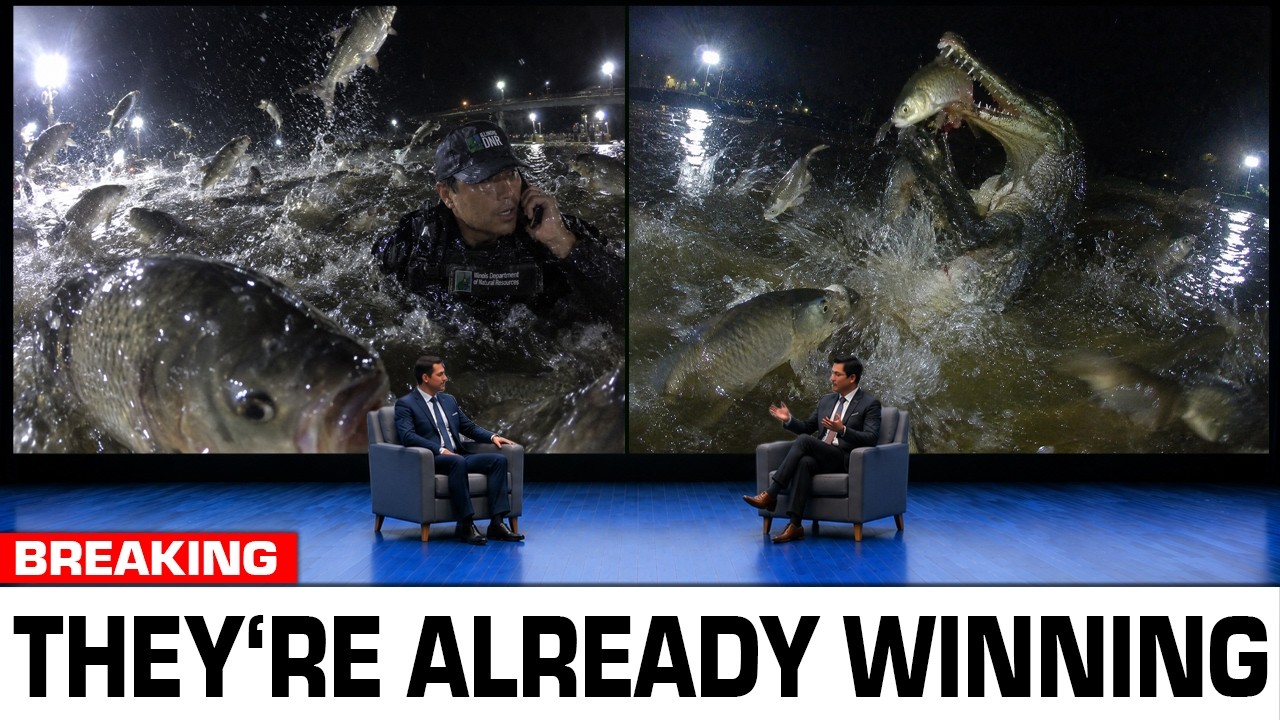
America just released eight-foot river monsters into Asian carp-infested waters, and the results are now in. For years, invasive carp have devastated native ecosystems, outcompeting local fish and wreaking havoc on rivers across the Midwest.
The alligator gar, a native North American fish capable of growing past eight feet in length, was declared completely gone from Illinois waters by 1994. The disappearance followed decades of deliberate killing and habitat loss.In 2010, Illinois joined a multi-state reintroduction effort led by the United States Fish and Wildlife Service. Since then, thousands of the fish have been released into ri…

More humans have stood on the Moon than reached the bottom of the Mariana Trench, where crushing pressure equals 50 jumbo jets on a chest. Yet when cameras finally descended nearly 36,000 feet, they didn’t just find pale snailfish and armored isopods thriving in permanent darkness.
The ocean covers roughly 70 percent of the planet, yet about 80 percent of it has never been directly observed. More of the surface of Mars has been mapped than the floor beneath the waves. The deepest point in the ocean, the Mariana Trench, sits nearly 36,000 feet below the surface. In all of human history, three people have reached its bottom: two in 1960 and one in 2012.For comparison, more tha…
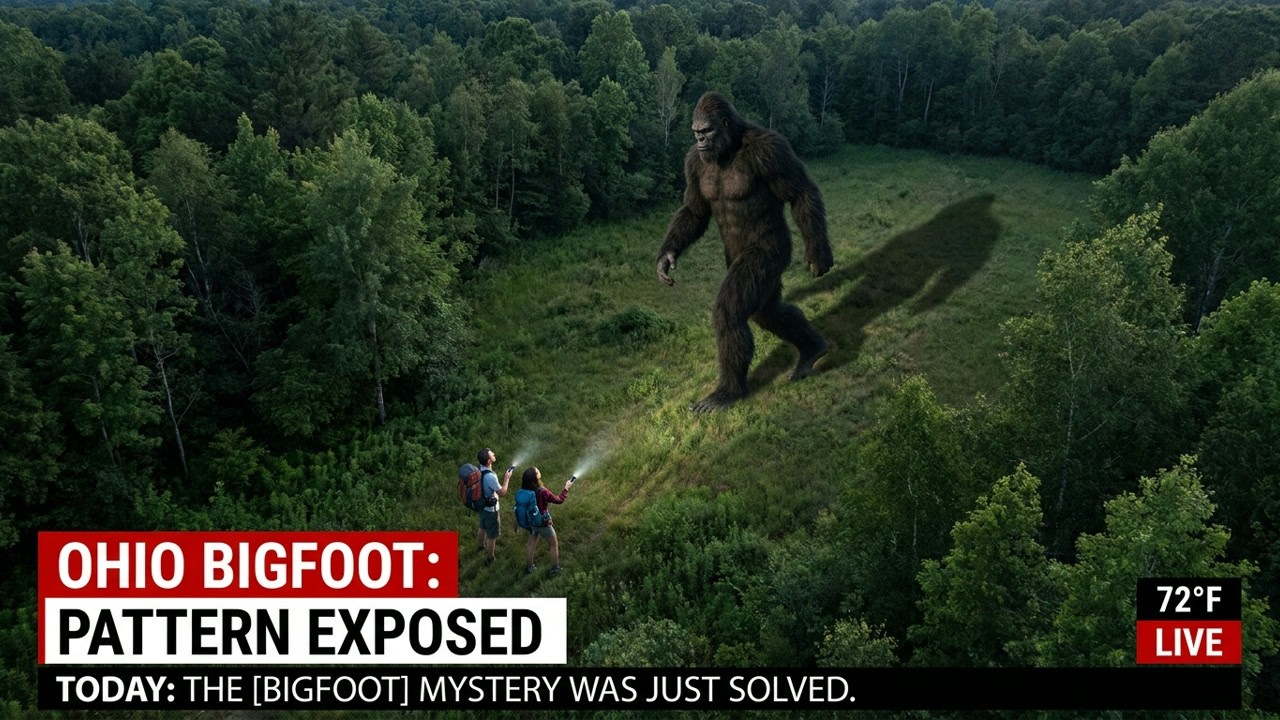
Across southeastern Ohio, Bigfoot sightings are surging, and the pattern emerging from these reports is startling hunters, timber workers, and wildlife officers. The dense, hilly terrain, untouched by ancient glaciers, has been mostly reclaimed by forest since the coal industry left, creating a vast secluded wilderness.
In southeastern Ohio, a stretch of dense forest has become the subject of renewed attention due to a rise in reported sightings of a large, upright, hair-covered figure. Reports of this phenomenon, often referred to as Bigfoot or Sasquatch, have increased in recent years, with accounts clustering in the eastern half of the state.The region’s geography is a notable factor in these reports. Unlike t…
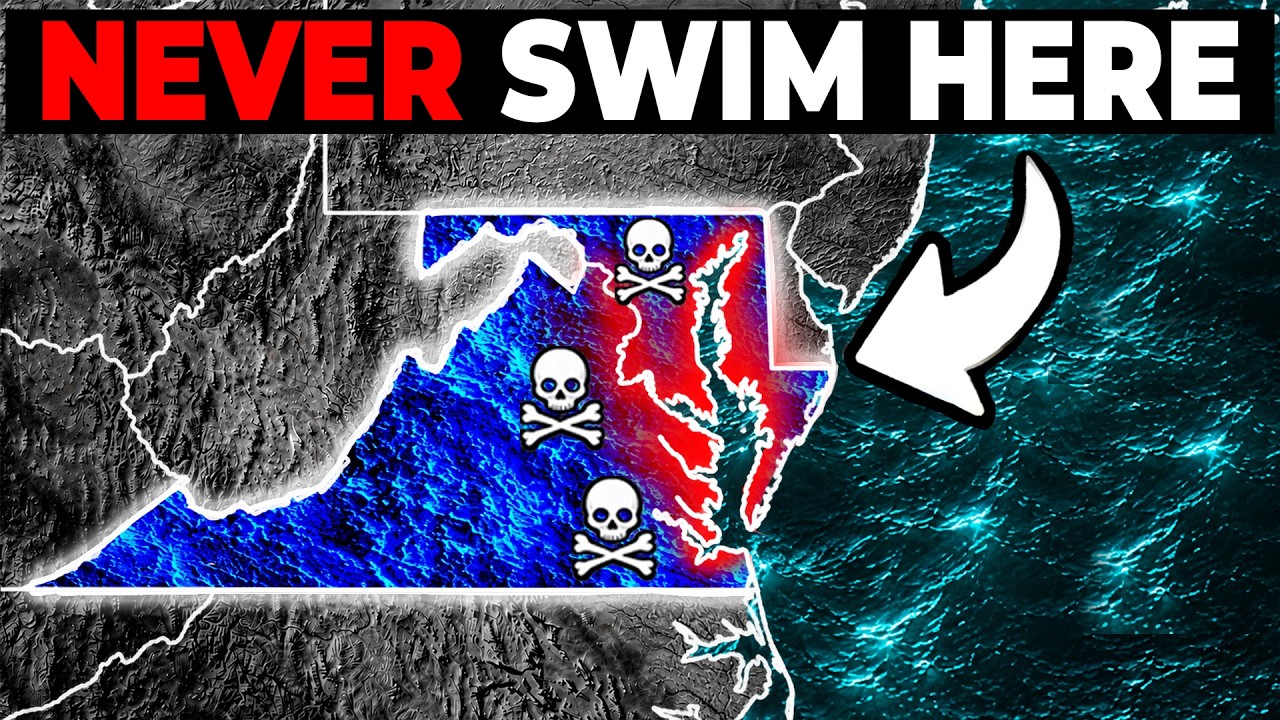
The Chesapeake Bay’s calm surface hides a brutal geological secret: beneath its mouth lies a 56-mile-wide impact crater, and the land is sinking at twice the global rate. Known for its crab houses and sailboats, the bay is actually a drowned river valley, carved by glaciers and still flooded by a daily push-pull of fresh and salt water.
The Chesapeake Bay is often seen as a relaxed corner of the East Coast, known for its crab houses, sailboats, and wide, calm water. Beneath that surface, however, the bay is a dynamic and complex system shaped by geology, history, and ongoing environmental change. Its shoreline has drowned and re-emerged repeatedly, and many of its most familiar features are tied to hidden structures and events th…
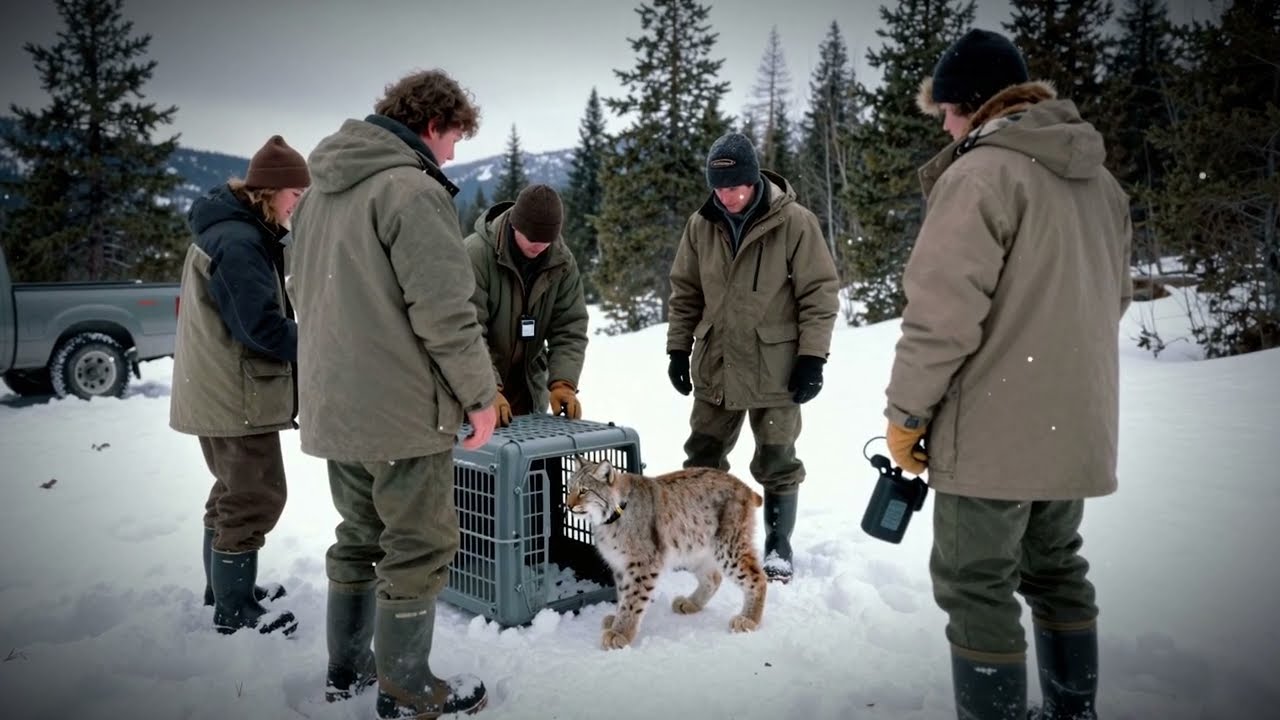
In February 1999, Colorado biologists launched the state’s most expensive wildlife gamble, releasing wild Canada lynx into the San Juan Mountains—and within a month, four of the first five released cats were dead. Heated criticism erupted over the doomed start, but the team refused to blame the habitat.
In February 1999, Colorado state biologists began a program to reintroduce Canada lynx into the San Juan Mountains, releasing wild-caught animals from Alaska. In the first month, four of the first five released cats died, drawing heavy criticism and negative media coverage of the effort.Canada lynx had inhabited Colorado’s high-altitude forests for thousands of years. Unregulated fur trapping in t…
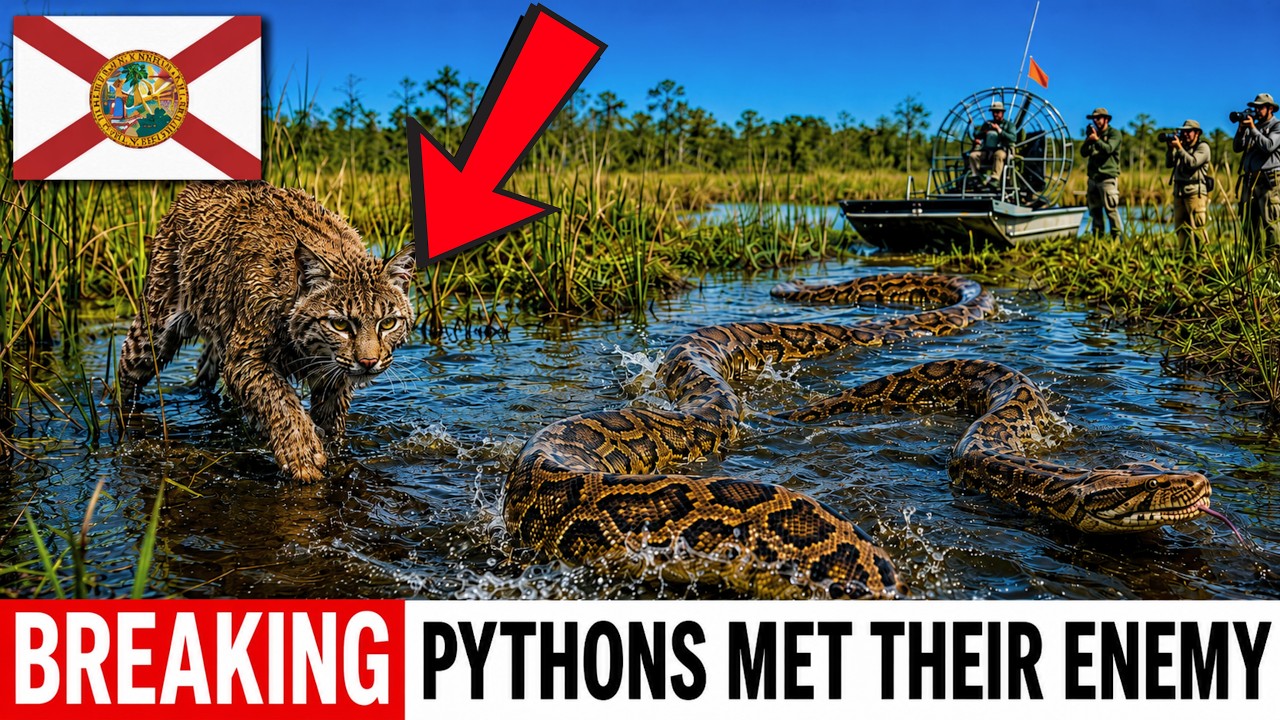
Florida spent millions on hunts and radio-tracked “scout snakes” to fight invasive Burmese pythons, yet nature may have quietly found a $0 solution. For over a decade, the Everglades seemed defenseless—raccoon sightings plummeted 99.3 percent as the constrictors spread.
In June 2021, a camera placed near a Burmese python nest in Big Cypress National Preserve recorded a bobcat eating the python’s eggs. The incident was the first documented case of a native Florida animal preying on python eggs.The Burmese python population in the Everglades has grown since the snakes began breeding in the wild around 2000. Many were released pets or escapees. Native animals had no…