
In a Washington coastal town, residents built a towering escape structure because the roads simply won’t survive a major tsunami. The elevated refuge is designed for those with no time—or means—to flee the incoming wave.
The coastal town of Westport, Washington, sits on a narrow peninsula of sand where the ground rises only a few feet above sea level. In the event of a major earthquake off the Pacific Northwest coast, officials estimate that a tsunami could send water 30 to 40 feet high into the town within 15 to 30 minutes of the shaking starting. Because the roads leading out of town are expected to be damaged o…
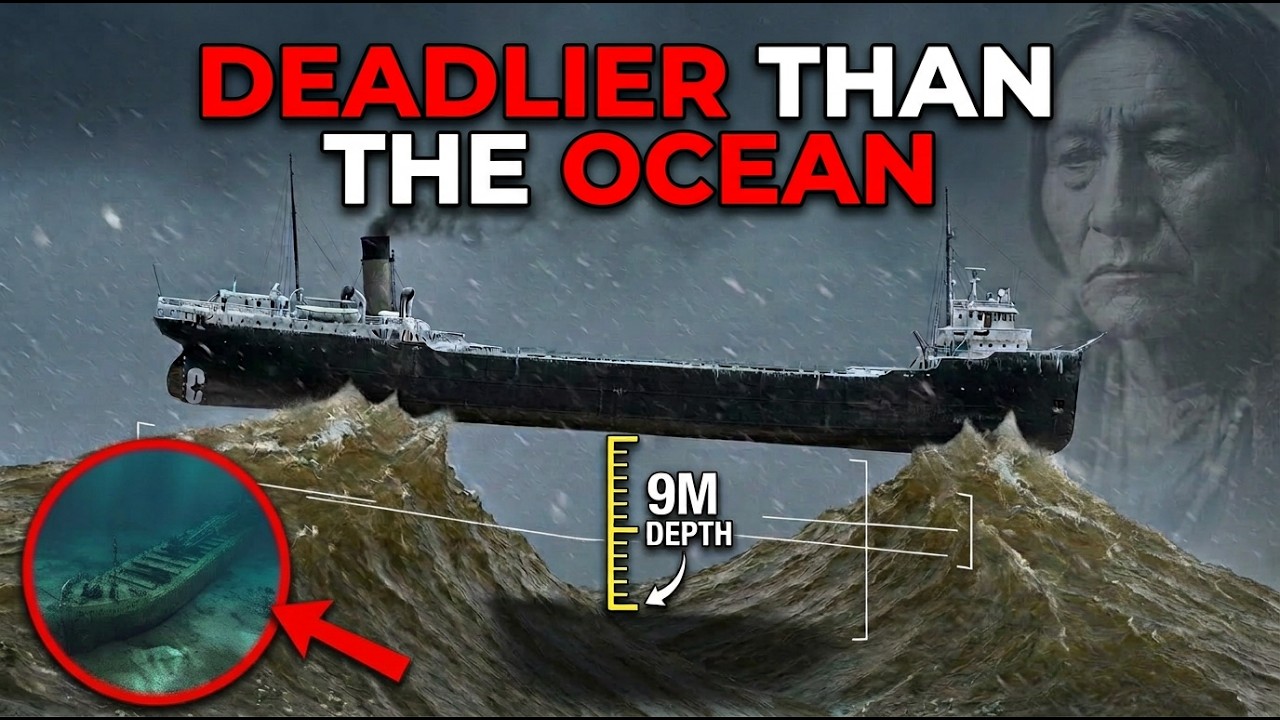
Scientists still call Lake Erie the most dangerous of the Great Lakes, and new data explains why they refuse to relax. The lake’s shallow western basin warms faster than any of its counterparts, turning it into a perfect reactor for toxic algae blooms.
Lake Erie is the shallowest of the Great Lakes, and that single fact shapes nearly everything about how it behaves. Its western basin averages about 24 feet deep, while the open Atlantic averages more than 3,000 meters. When storm waves cannot extend downward, they rise upward, becoming steeper and closer together. For a long ship, this can mean resting on two wave crests with its middle unsupport…
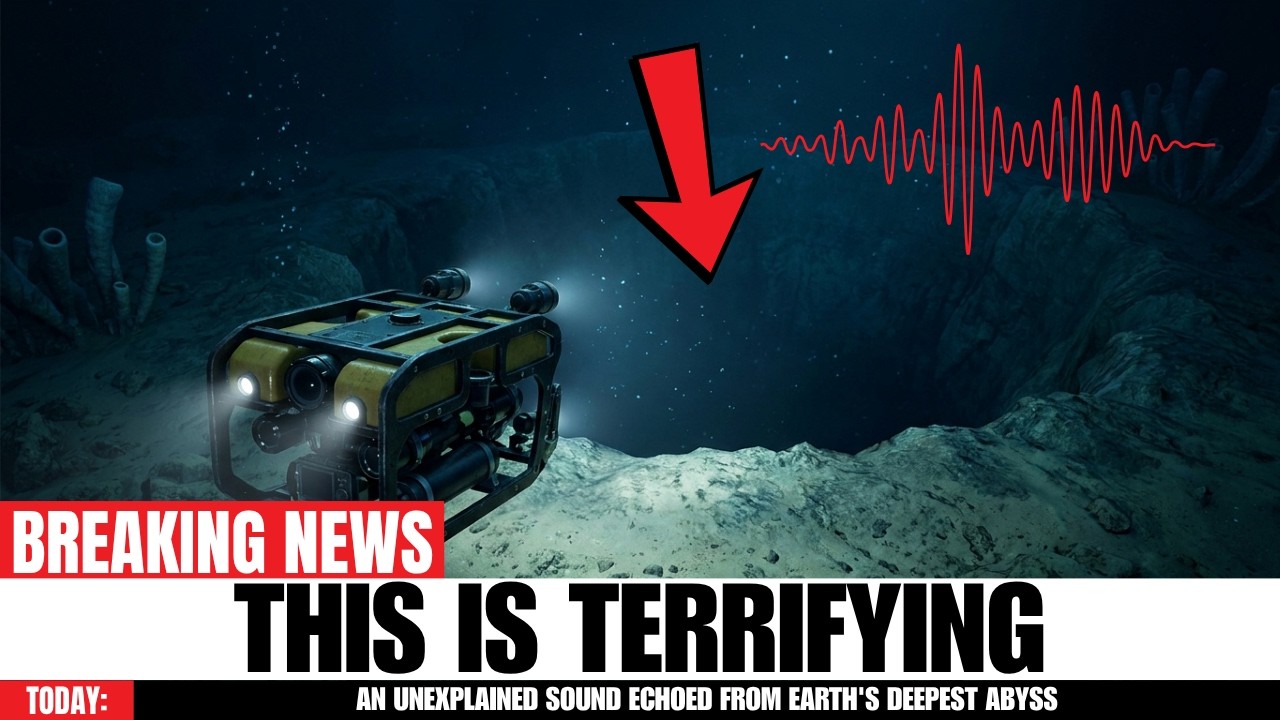
A strange sound just echoed up from Earth’s deepest abyss, and scientists are scrambling for an answer. More than 35,000 feet below the ocean’s surface, the Mariana Trench hides an environment so extreme that almost nothing survives.
In October 2014, a research vessel carrying a team from Oregon State University traveled to the Mariana Trench in the western Pacific Ocean. The group lowered an underwater drone equipped with sensitive listening equipment roughly seven miles into the trench, into a region known as the hadal zone, named after Hades, the ancient Greek underworld.The drone took about three hours to reach the bottom….
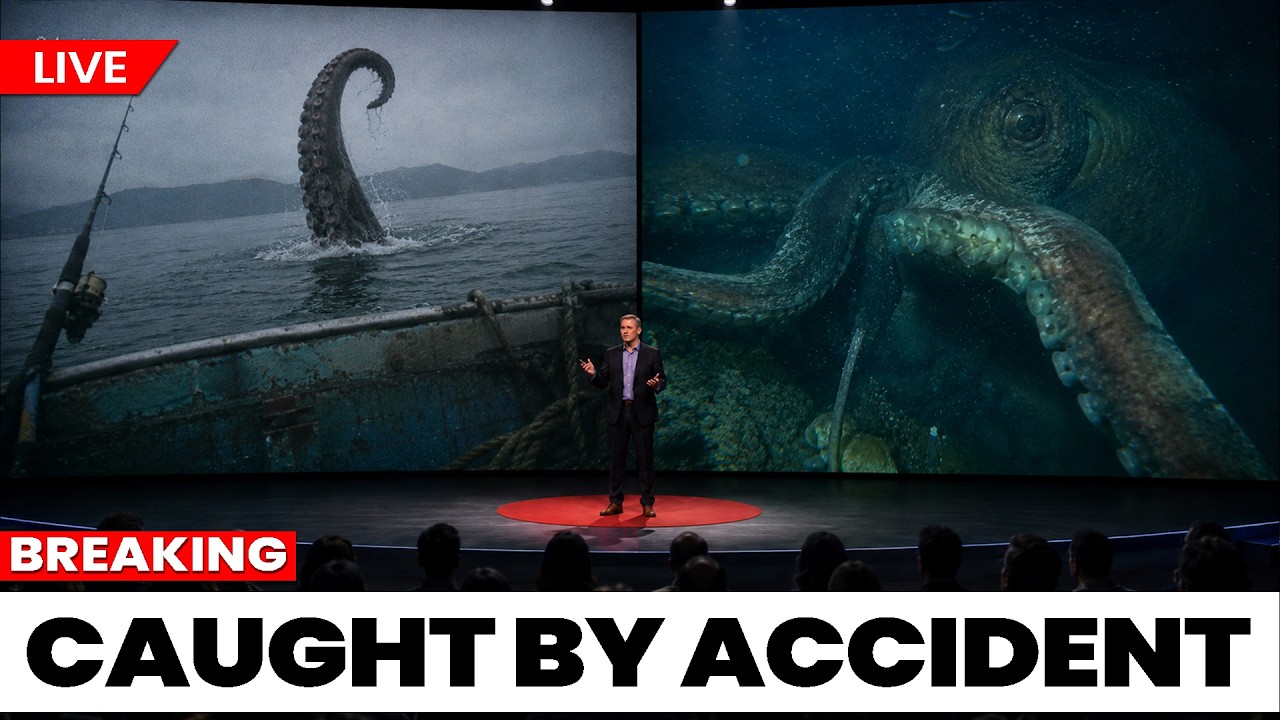
A fisherman’s camera caught a giant squid doing something science has never documented. The crew was hauling lines in deep water when the creature surfaced, and what it did next sent shockwaves through the vessel.
In December 2025, a fisherman off the coast of southern Japan filmed two giant squid at the ocean surface in daylight, with one apparently feeding on the other. The footage, posted online under the handle Yon Morikota, was notable because healthy giant squid almost never appear at the surface, and observing one actively feeding is rarer still.Giant squid have been known to science for centuries wi…
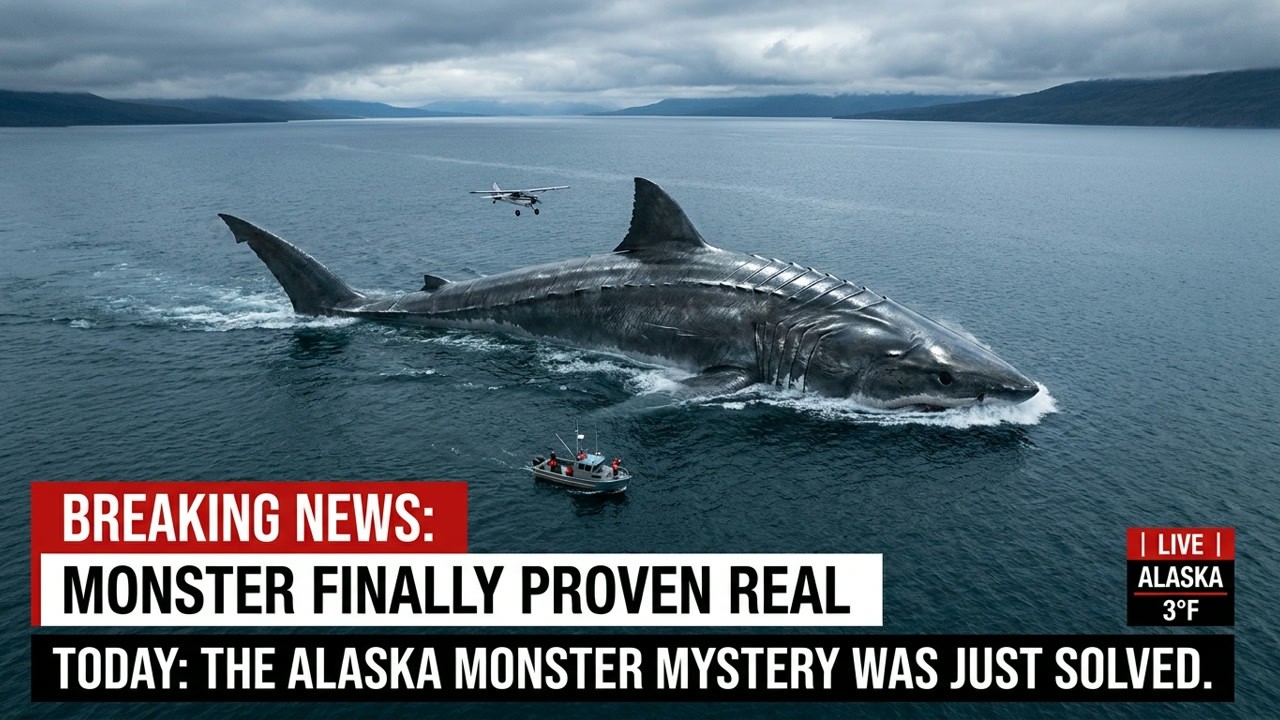
Scientists may have finally proven Alaska’s lake monster—and what they found makes Jaws look tame. For decades, locals reported something massive lurking in Lake Iliamna, some claiming to spot a creature longer than a boat.
Lake Iliamna in southwest Alaska is one of the largest bodies of fresh water in the United States. It stretches roughly 77 miles long and 22 miles across, with depths reaching more than 1,000 feet in places. The area around it is remote wilderness, accessible mainly by small aircraft. Indigenous communities have lived along its shores for generations.For a long time, local oral traditions describe…
Descending 11,000 meters into the Mariana Trench, explorers expected a lifeless abyss, but they discovered a hidden world thriving in total darkness. That alien landscape holds creatures unlike anything on Earth, along with a deeply unsettling secret about human impact.
A popular claim repeated in documentaries for decades holds that more people have walked on the moon than have visited the bottom of the ocean. Researchers who study deep-sea exploration say this comparison is not accurate.Only 12 people have set foot on the moon, and 24 traveled there in total. By early 2023, researchers tracking crewed descents estimated that at least 27 people, possibly more th…

A rare deep-sea creature with transparent skin was caught on camera for the first time, leaving marine biologists completely stunned. The discovery, made during a routine midnight expedition, revealed a species never documented in any scientific database, its internal organs visibly pulsing beneath its fragile casing.
Researchers have recently reported a series of discoveries that have expanded scientific understanding across several fields. These findings, documented over the past two years, range from deep-sea observations to genetic analyses and astronomical measurements.In March 2025, a remotely operated vehicle from the Schmidt Ocean Institute filmed a juvenile colossal squid near the South Sandwich Island…

A starving polar bear slammed its paw into the ice as a pod of orcas circled dangerously close. The hungry titan spotted the dark fins rising from the freezing water, and for a moment, it seemed ready to attack.
In the Arctic, two predators occupy the top of the food chain in separate domains. On the ice, the polar bear relies on strength and endurance. In the water, the killer whale uses speed and coordinated hunting strategies. For thousands of years, their territories rarely overlapped, but the shrinking of sea ice is bringing them into closer contact and changing the dynamics of Arctic predation.Resea…

Scientists Found an Advanced Ancient Artifact Older Than Any Known Civilization. The discovery emerged from a dig site where researchers expected nothing older than basic stone tools, yet what they uncovered defied every timeline in the historical record.
In February 1961, three rock collectors searching for geodes near Olancha, California, brought home an unusual specimen. After cutting into the stone casing, they found what appeared to be a porcelain cylinder with a metal shaft at its center, surrounded by a hexagonal shell made of copper and an unidentified material.The discoverers hoped they had found evidence of advanced technology from 500,00…

Scientists just used AI to decode bat language for the first time, and the results are turning into a major scientific surprise. Researchers captured thousands of hours of complex bat sounds, then fed them into advanced machine learning systems to identify patterns.
Researchers at Tel Aviv University, led by Professor Yosi Yovel, have used artificial intelligence to analyze the vocalizations of Egyptian fruit bats and identify patterns in their calls. The study, conducted over 75 days in a cave in Israel housing more than 22,000 bats, recorded over 15,000 distinct vocalizations alongside video of the bats’ behavior.The research team adapted a voice recognitio…