Cameras lowered into the Mariana Trench have captured a mysterious living creature at nearly 36,000 feet deep, and science still cannot explain what it is. The footage emerged from one of the most extreme environments on Earth, where crushing pressure should make survival nearly impossible.
In March 2019, three commercial fishermen were working about 90 kilometers off the coast of Esperance, a remote town in southwestern Australia. Their boat was over water more than 4,000 meters deep. The sonar detected something unusual at roughly 600 meters, and soon after, a large, dark shape moved beneath their vessel.The three men had decades of combined professional experience. The lead fisher…
Something Is Hunting Florida’s Giant Pythons — Scientists Finally Know What. Researchers tracking the massive invasive snakes in the Everglades noticed something strange: the predators themselves were disappearing.
Burmese python numbers in the Florida Everglades have declined significantly. Governor Ron DeSantis attributed this decline to a partnership with a Miami-based company that manufactures clothing and accessories from python leather. Invasive pythons have caused extensive damage to the South Florida ecosystem, and experts say the snakes continue to expand their range northward.For forty years, the g…
A declassified report resurfaces claiming giant humanoid creatures, known as the Ningen, swim beneath Antarctica’s frozen waters. Eyewitness accounts describe pale, whale-sized figures with human-like arms and legs surfacing near remote research stations, leaving crews shaken.
The Ningen is a name that has circulated for years in stories about the Southern Ocean, the cold ring of water surrounding Antarctica. The word itself is Japanese and translates simply to “human.” It is the name given by sailors to reports of a large, pale, human-shaped creature said to swim in those remote waters.There is no verified evidence that such a creature exists. No specimen, skeleton, or…
An unexplained sound echoed from Earth’s deepest abyss, and scientists admit they cannot fully identify it. The faint, persistent hum was detected by sensors buried miles below the ocean’s surface, a place where silence should be absolute.
In October 2014, a research vessel from Oregon State University traveled to the Mariana Trench in the western Pacific Ocean to study the deepest part of the seafloor. The team deployed an underwater drone equipped with sensitive listening devices, which descended nearly seven miles into darkness. At that depth, water pressure reaches roughly eight tons per square inch, and sunlight has not penetra…
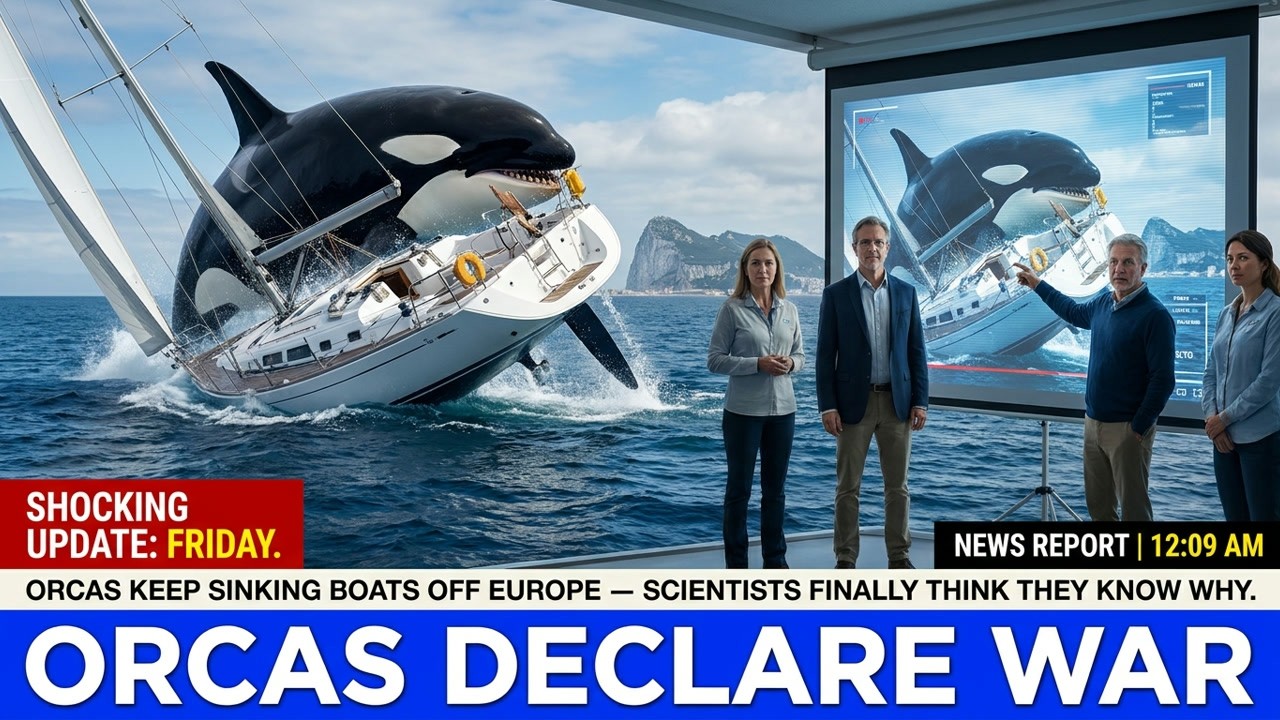
A pod of orcas has been ramming and sinking yachts off Europe’s coast, and scientists say they’ve finally cracked why. For years, the attacks have baffled experts, with dozens of vessels damaged near the Iberian Peninsula.
In May 2020, a sailor crossing the Strait of Gibraltar felt his small yacht being pushed from below. Something was striking the rudder repeatedly, bending and scraping the blade that controls the vessel’s direction. When he looked over the side, a black-and-white shape roughly the length of his boat was looking back.Over the following five years, scientists recorded more than 760 similar encounter…
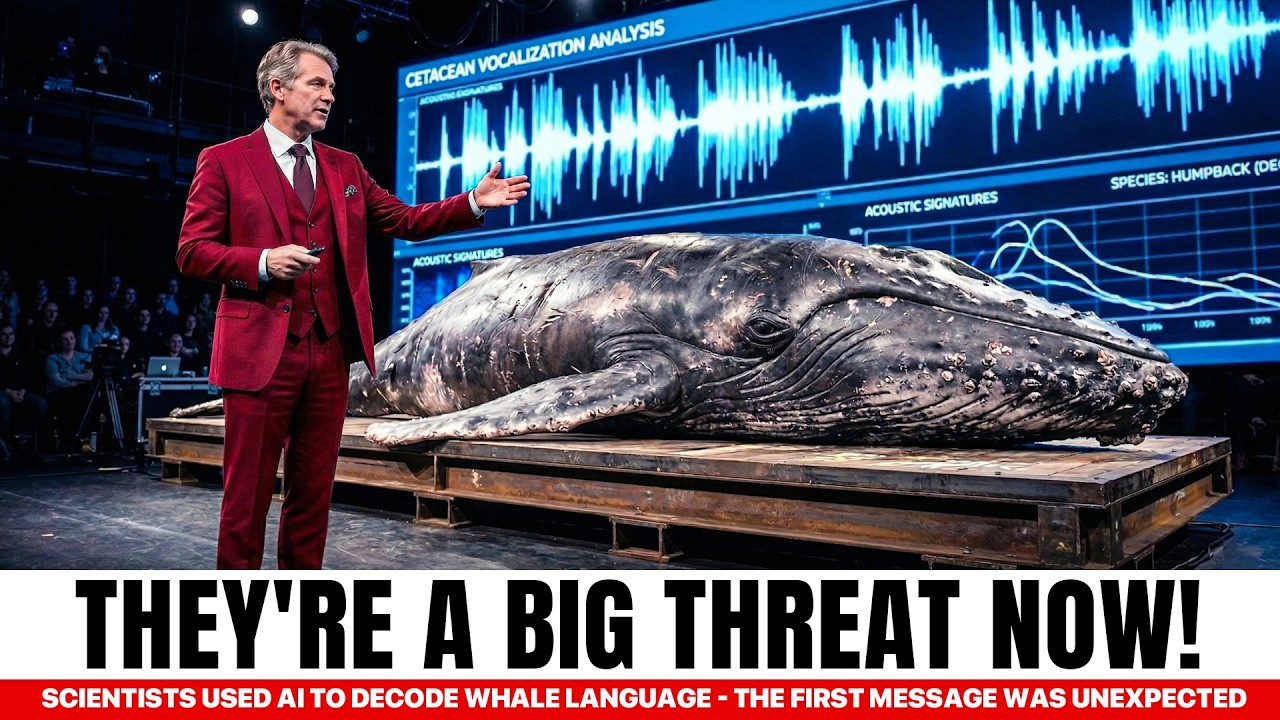
Scientists fed decades of sperm whale clicks into an AI built to decode their communication, and the first translated message stopped researchers cold. The system identified repeating patterns in the whales’ codas, the rhythmic click sequences they use to talk.
In 2024, an MIT research team analyzed 9,000 recordings of sperm whale vocalizations using an artificial intelligence system originally designed for code-breaking. The analysis identified 156 distinct click patterns, known as codas, that the whales use to communicate. This was a significant increase from the 21 codas that researchers had previously cataloged since the 1970s.The findings emerged fr…
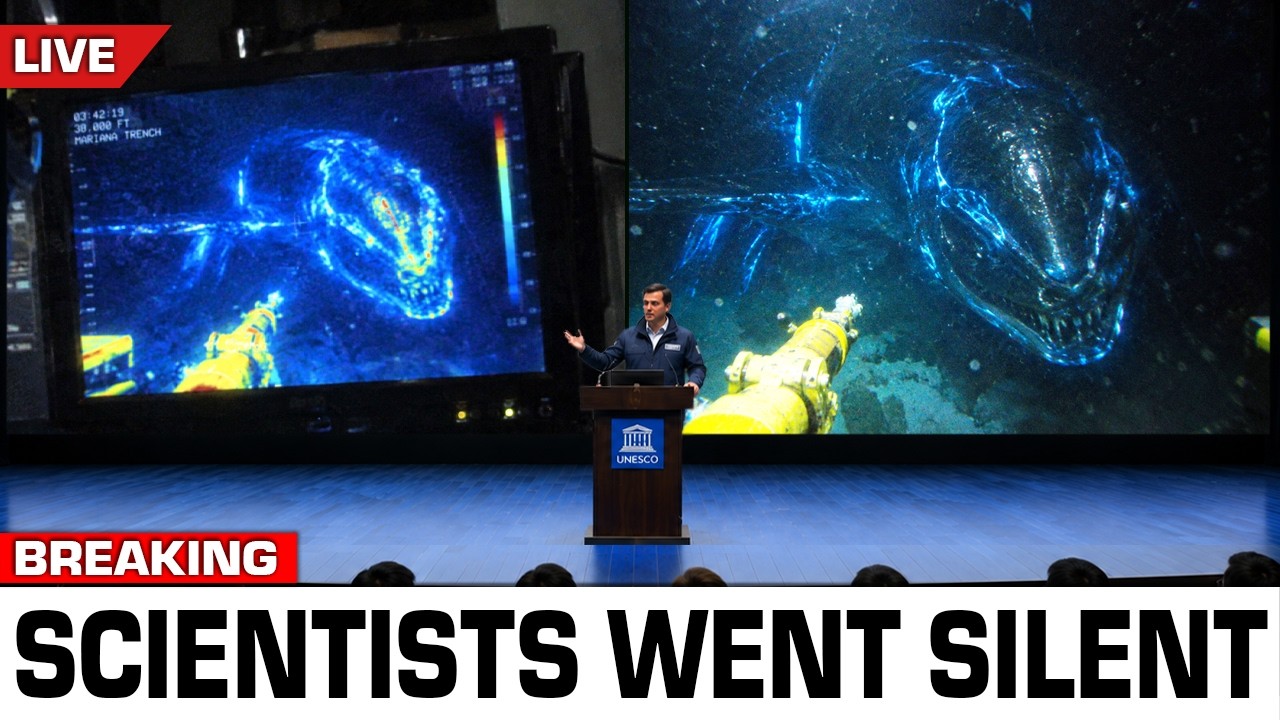
Deep beneath the Pacific, a remotely operated vehicle descended past 38,000 feet into the Mariana Trench, where crushing pressure and total darkness should make survival impossible. The footage captured there revealed something unexpectedly alive, defying every scientific assumption about the limits of life.
The pressure at the bottom of the Mariana Trench reaches about 8 tons per square inch, and sunlight never arrives there. In 2018, researcher Shiba avoided the ocean entirely and searched through video archives instead, examining recordings from 5,010 old dives that no one had previously studied in detail. One scene from 1998 stopped her completely.The HMS Challenger, a British Royal Navy survey sh…
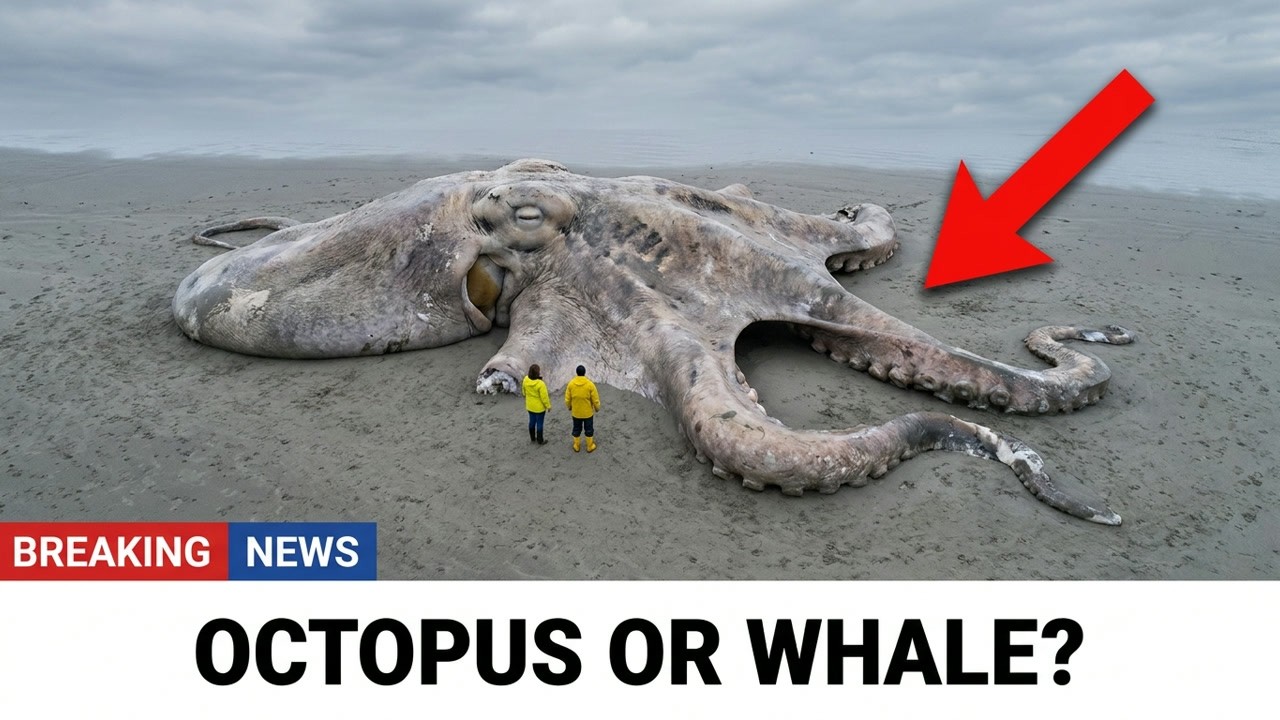
A giant sea monster washed ashore in 1896, sparking a scientific feud that lasted a full century. The remains were massive, with strange tentacle-like appendages, and it was found in St.
On November 30, 1896, two boys riding bicycles along the beach of Anastasia Island, near St. Augustine, Florida, found a large object half-buried in the sand. The tide was out, and the mass was pale, rubbery, and roughly the size of a small house. The boys did not touch it and rode back to town to report what they had seen.Word spread quickly, and residents came out to examine the object. Among th…

They found something ALIVE near Antarctica’s ice wall, and its arrival defies every expectation of what can survive in that frozen void. Scientists initially believed the discovery was frozen debris, until movement was detected deep within the ice.
About 310 million years ago, the area that is now Illinois was covered by shallow coastal waters and muddy shores. Sediment from rivers often buried marine creatures, and in some cases trapped them in iron-rich nodules before they could decay. That is how soft-bodied animals, which usually do not leave fossils, were preserved in detail at a site known as Mazon Creek.Every known fossil of the Tully…
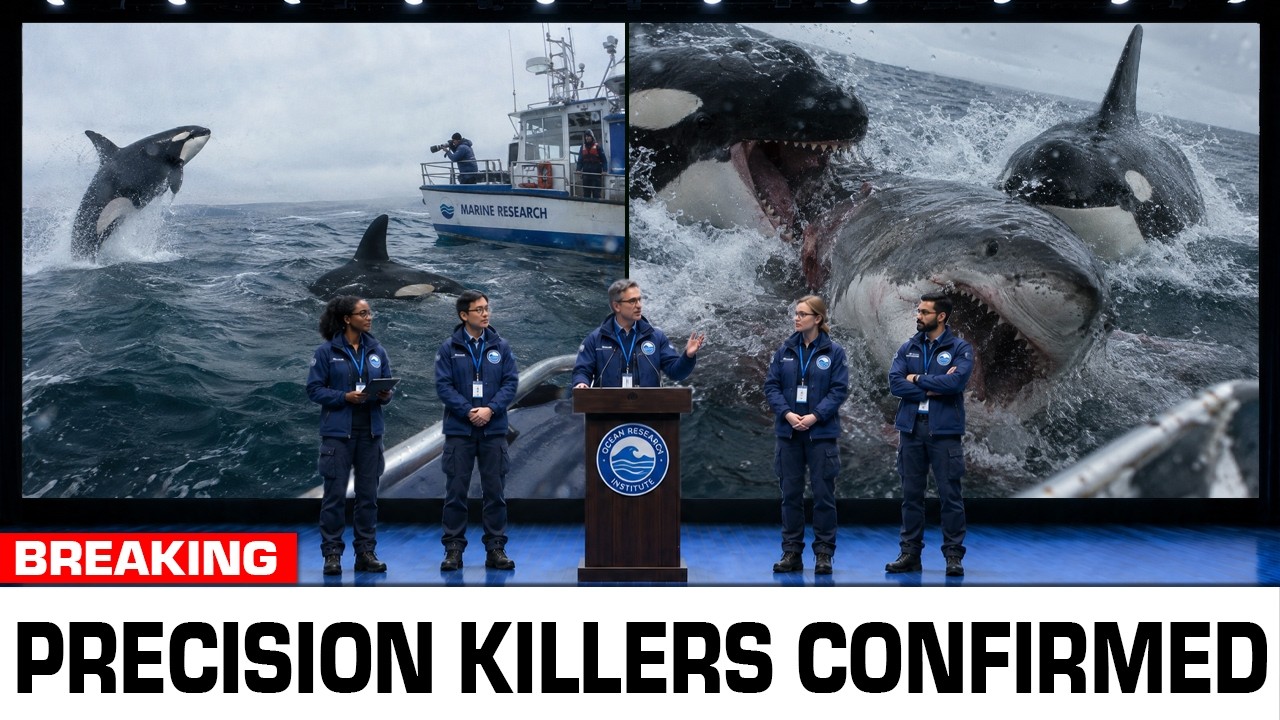
Marine biologists finally found out why great white sharks abandoned an entire coastline, and the reason is shocking. Tracking data revealed the predators vanished from a region they’d dominated for years.
Between February and June 2017, five white shark carcasses washed ashore near Gansbaai, a fishing town on South Africa’s Western Cape coast. Each of the four most recent bodies was missing its liver, and one was also missing its heart. Necropsies found tears across the pectoral girdle, the cartilage arch anchoring the front fins, and rake marks consistent with killer whale teeth. Tooth impressions…