
A Navy diver surfaced from a Florida sinkhole holding stone tools dated to 14,500 years ago — a discovery that should not exist. Scientists long insisted humans reached the Americas only about 13,000 years ago, so these artifacts threatened to rewrite the entire timeline.
In 1983, a diver exploring the Aucilla River in Jefferson County, Florida, came across a collection of large bones on the riverbed. The bones belonged to an extinct elephant. The discovery led scientists to a buried sinkhole that contained a well-preserved record of an ancient environment.The site, known as Page-Ladson, was excavated by a team led by paleontologist S. David Webb and archaeologist…
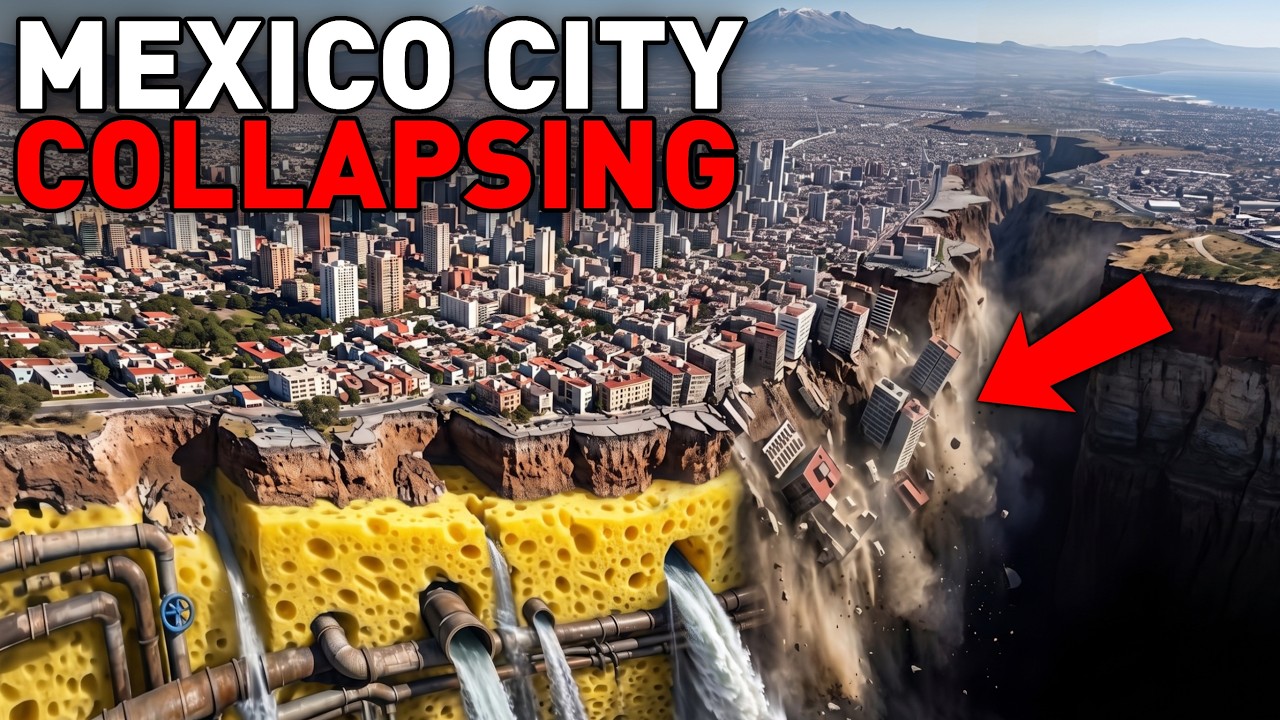
Mexico City is sinking fast, and the ground beneath 22 million people is collapsing. The metropolis extracts so much groundwater from the soft clay lakebed underneath that parts of the city are dropping about 20 inches a year.
In 2003, a fisherman in Chetumal Bay, Mexico, noticed a grouper disappear beneath the surface and later found a hidden opening in the water. More than a decade later, his son guided researchers back to the site. Initial measurements found no bottom at 425 feet, and instruments recorded warm, salty water and rising currents where they were not expected. The hole, known as Taam Ja’, has since been m…
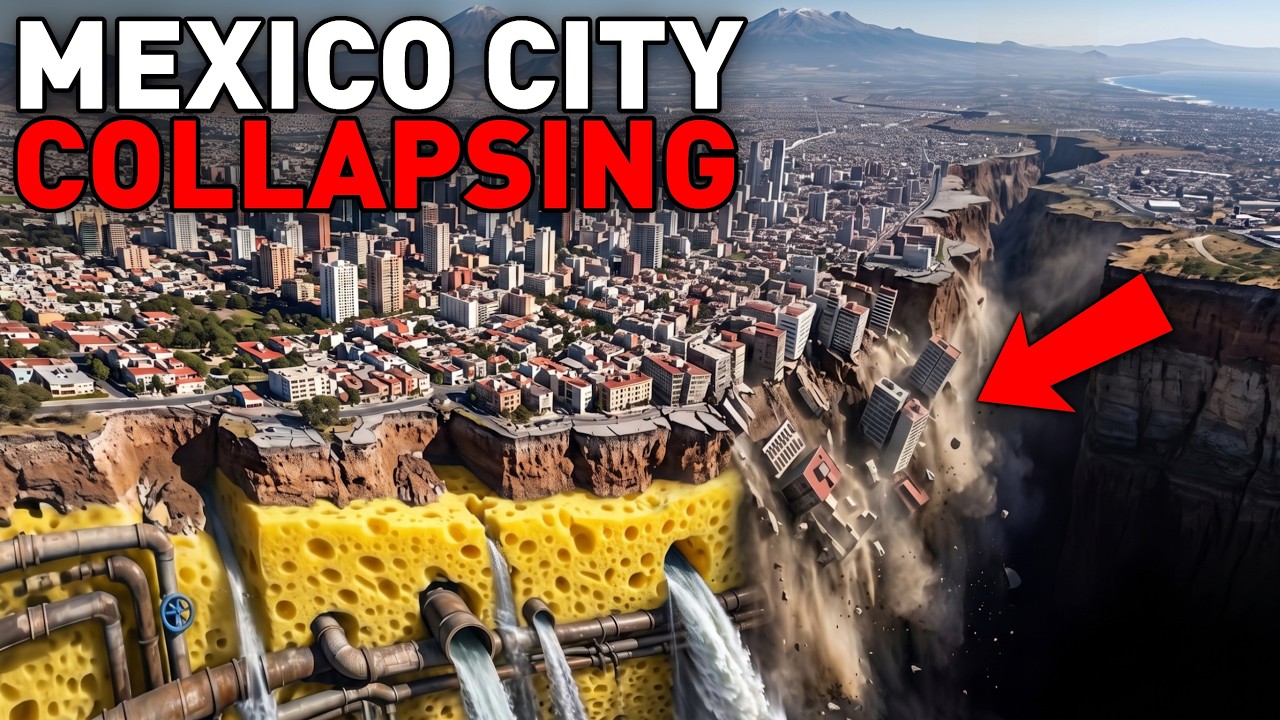
Mexico City is sinking fast—the ground beneath 22 million people is collapsing at a shocking rate, and the crisis is accelerating. Built on an ancient lakebed, the city’s soft clay compresses as underground aquifers are drained to supply water to millions.
In late 2023, researchers confirmed that Taam Ja’, a blue hole in Chetumal Bay off Mexico’s Yucatán Peninsula, is the deepest known blue hole on Earth. Measurements taken in December 2023 recorded depths exceeding 1,372 feet without reaching the bottom.Blue holes are underwater sinkholes that formed when ancient caves collapsed and were later flooded as sea levels rose. Unlike the famous Great Blu…
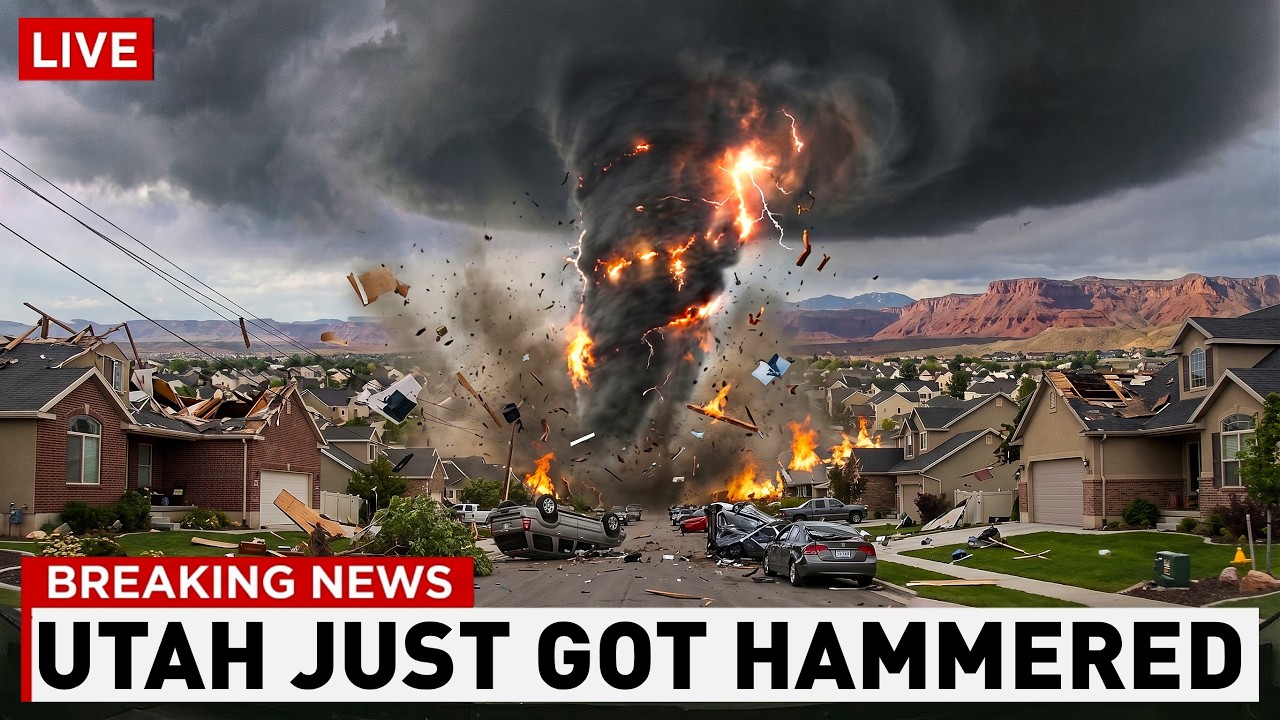
Utah’s ground is cracking open — and it’s not earthquakes behind the destruction. These fissures tear across farmland and rural land without warning, swallowing livestock and equipment as they split for miles.
Ground fissures in Utah have been opening in rural areas for years, creating deep cracks in the earth that can stretch for miles. Scientists with the Utah Geological Survey attribute these fissures primarily to groundwater depletion, though the phenomenon has not attracted widespread national attention.The process works similarly to a sponge drying out. Underground aquifers hold water that support…
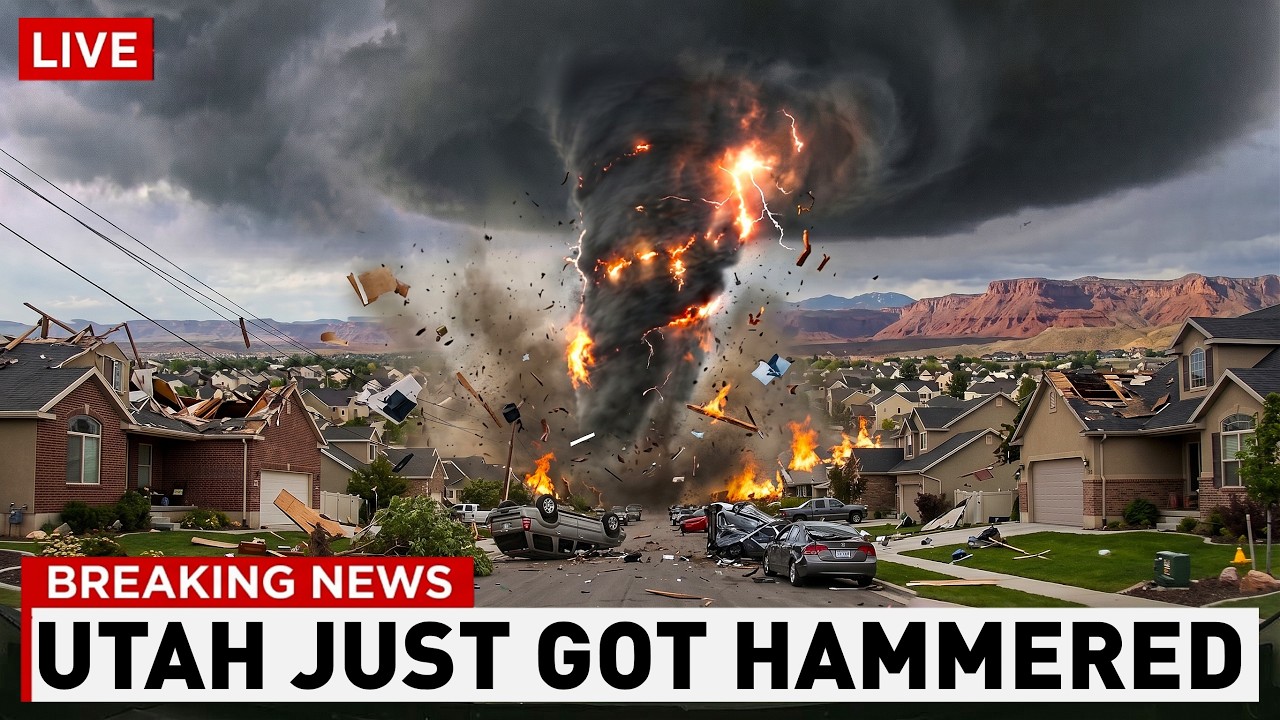
Utah was just hit by giant hail that smashed cars as a rare tornado touched down—but scientists say an even more alarming threat is silently tearing the ground apart beneath the state. Fissures have opened across rural areas like Cedar Valley and Enoch, cracking for miles as aquifers drain faster than they recharge.
Ground fissures in Utah have opened across rural areas in recent years, creating deep cracks in the earth that can extend for miles. The Utah Geological Survey attributes them largely to groundwater depletion. When aquifers are drained faster than they can recharge, the soil loses structural support and collapses. In some cases, the ground settles unevenly over buried bedrock ridges, causing the s…
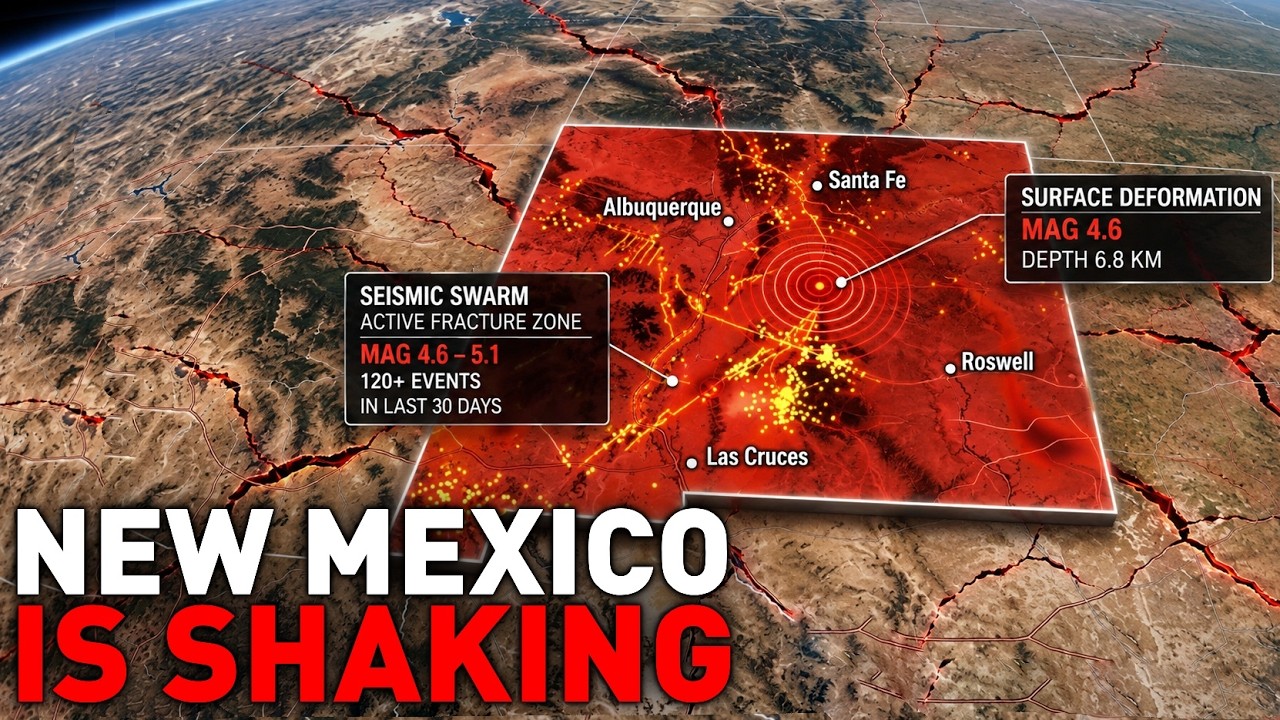
A massive anomaly has just appeared beneath New Mexico, and experts are racing to figure out what’s happening below the surface. The region sits on a hidden network of abandoned mine shafts, many of which were never properly mapped—leaving homes, roads, and public spaces vulnerable to sudden collapses.
Cornwall’s history as a mining region has left a lasting mark on its landscape. Beneath the surface lie more than 20,000 abandoned mine shafts, some of which are now unstable. In recent years, a number of collapses have occurred, drawing attention to the hidden risks below homes, roads, and public spaces.In February 2020, a tree fell in a garden in Camborne during a storm. Soon after, the ground o…
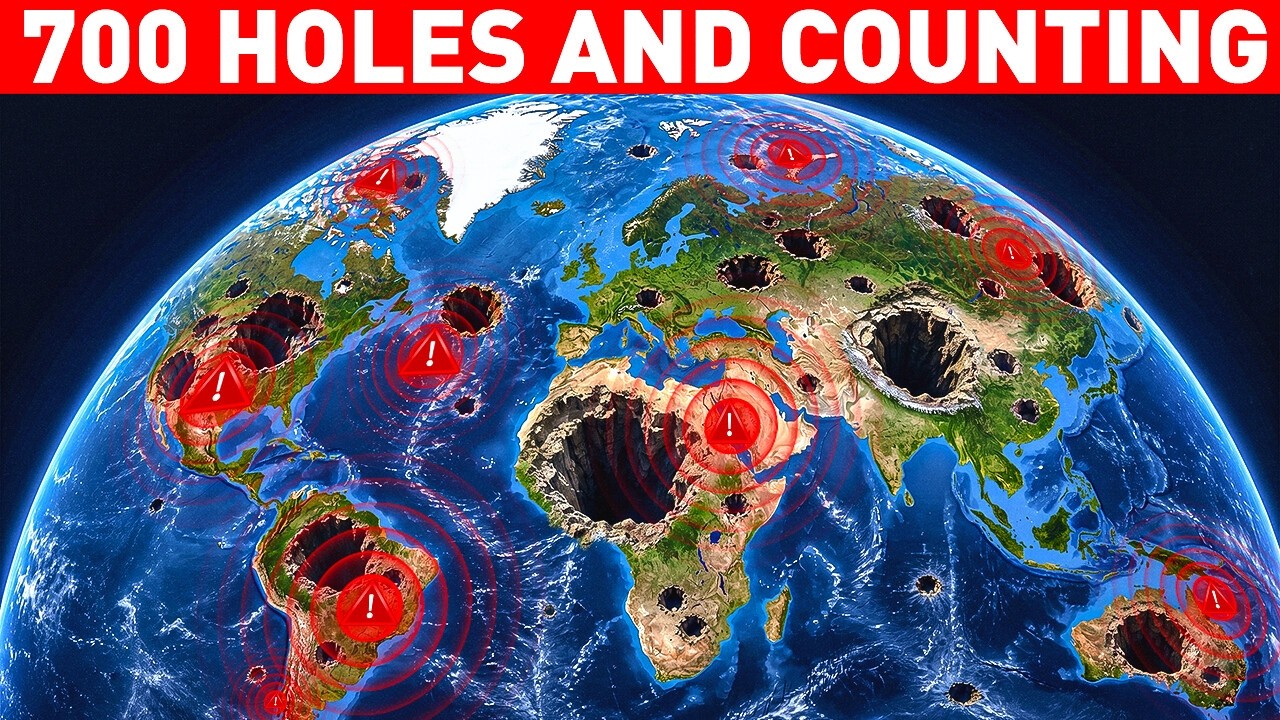
Sinkholes are appearing with increasing frequency in many parts of the world, often with little warning. The ground can remain stable for years while water gradually erodes the rock below, creating
Sinkholes are appearing with increasing frequency in many parts of the world, often with little warning. The ground can remain stable for years while water gradually erodes the rock below, creating large underground cavities. When the surface layer can no longer support its own weight, it collapses, sometimes taking cars, buildings, or sections of road with it.In Turkey, a large sinkhole opened ne…
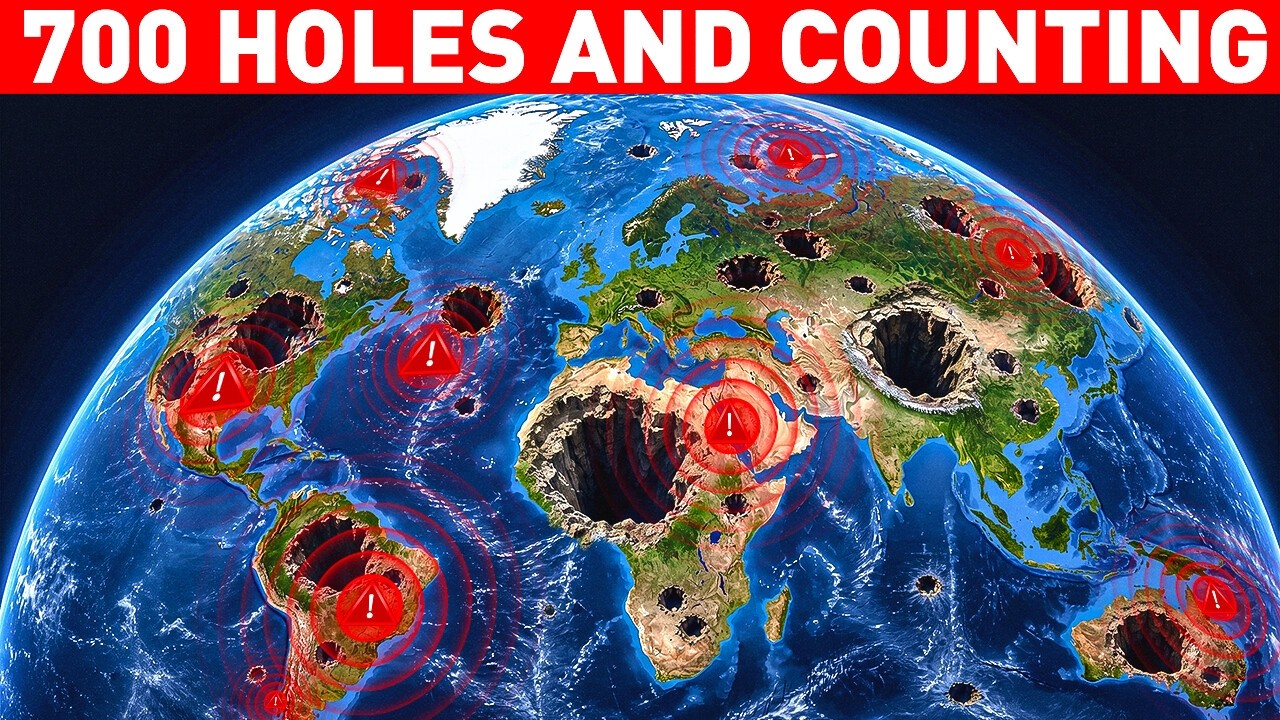
Sinkholes form when water gradually dissolves underground rock, usually limestone, creating empty spaces beneath the surface. Over time, the ground above loses support and collapses, sometimes
Sinkholes form when water gradually dissolves underground rock, usually limestone, creating empty spaces beneath the surface. Over time, the ground above loses support and collapses, sometimes without warning. The process can take years or decades, and the visible hole is often only the final stage of a long geological process.In the Konya region of Turkey, roughly 700 sinkholes have appeared, and…

Sinkholes have opened across multiple regions in recent years, collapsing roads, swallowing vehicles, and in some cases damaging buildings. The holes form when underground rock slowly dissolves,
Sinkholes have opened across multiple regions in recent years, collapsing roads, swallowing vehicles, and in some cases damaging buildings. The holes form when underground rock slowly dissolves, usually because water is wearing away soft rock such as limestone. Once the underlying support weakens, the surface can give way suddenly.Around 700 sinkholes have been documented in Turkey’s Kaş region, a…

Sinkholes have opened in recent years across several countries, including Turkey, Chile, Guatemala, and China. The sudden collapse of ground can swallow cars, damage buildings, and destroy roads.
Sinkholes have opened in recent years across several countries, including Turkey, Chile, Guatemala, and China. The sudden collapse of ground can swallow cars, damage buildings, and destroy roads. While some sinkholes are small, others reach hundreds of feet across and can alter local landscapes permanently.In Turkey, a sinkhole appeared near the city of Kaç about 65 miles from the city center. It…