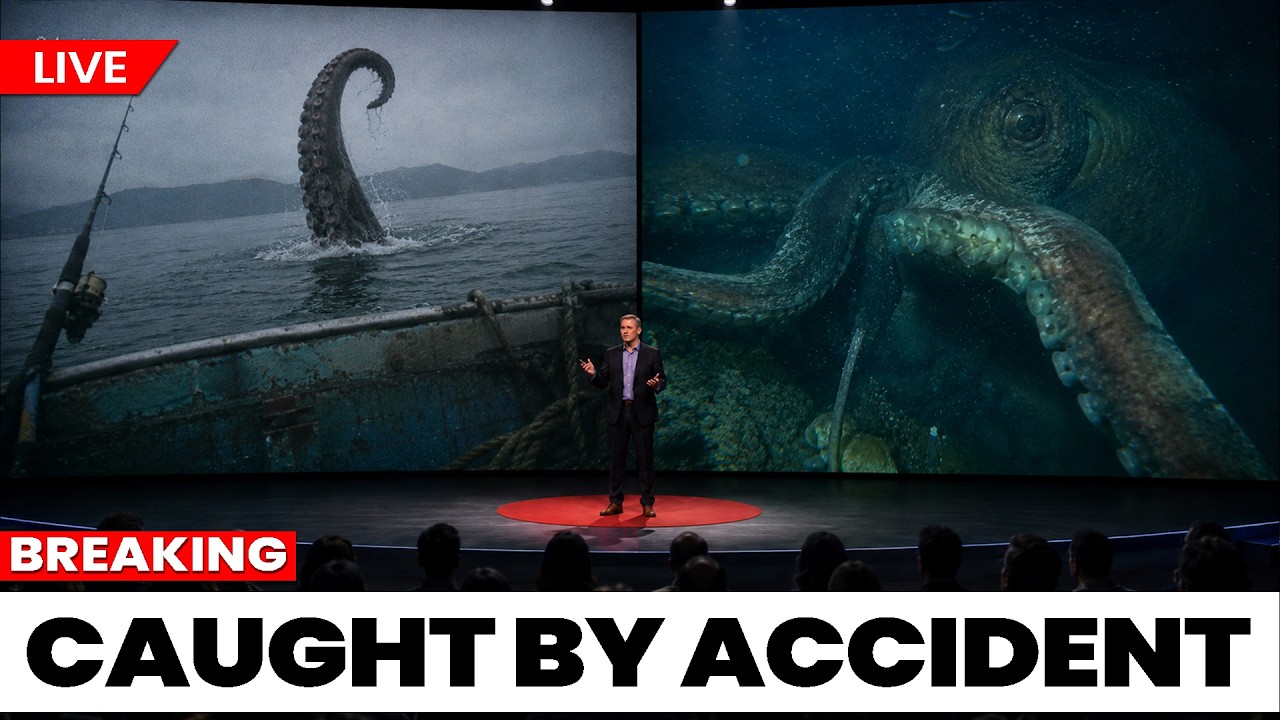
A fisherman’s camera caught a giant squid doing something science has never documented. The crew was hauling lines in deep water when the creature surfaced, and what it did next sent shockwaves through the vessel.
In December 2025, a fisherman off the coast of southern Japan filmed two giant squid at the ocean surface in daylight, with one apparently feeding on the other. The footage, posted online under the handle Yon Morikota, was notable because healthy giant squid almost never appear at the surface, and observing one actively feeding is rarer still.Giant squid have been known to science for centuries wi…

A rare deep-sea creature with transparent skin was caught on camera for the first time, leaving marine biologists completely stunned. The discovery, made during a routine midnight expedition, revealed a species never documented in any scientific database, its internal organs visibly pulsing beneath its fragile casing.
Researchers have recently reported a series of discoveries that have expanded scientific understanding across several fields. These findings, documented over the past two years, range from deep-sea observations to genetic analyses and astronomical measurements.In March 2025, a remotely operated vehicle from the Schmidt Ocean Institute filmed a juvenile colossal squid near the South Sandwich Island…

A starving polar bear slammed its paw into the ice as a pod of orcas circled dangerously close. The hungry titan spotted the dark fins rising from the freezing water, and for a moment, it seemed ready to attack.
In the Arctic, two predators occupy the top of the food chain in separate domains. On the ice, the polar bear relies on strength and endurance. In the water, the killer whale uses speed and coordinated hunting strategies. For thousands of years, their territories rarely overlapped, but the shrinking of sea ice is bringing them into closer contact and changing the dynamics of Arctic predation.Resea…

Scientists just used AI to decode bat language for the first time, and the results are turning into a major scientific surprise. Researchers captured thousands of hours of complex bat sounds, then fed them into advanced machine learning systems to identify patterns.
Researchers at Tel Aviv University, led by Professor Yosi Yovel, have used artificial intelligence to analyze the vocalizations of Egyptian fruit bats and identify patterns in their calls. The study, conducted over 75 days in a cave in Israel housing more than 22,000 bats, recorded over 15,000 distinct vocalizations alongside video of the bats’ behavior.The research team adapted a voice recognitio…

AI just decoded crow speech, and what they’re actually saying about us is shaking researchers. Scientists used machine learning to analyze thousands of crow calls, revealing patterns far more complex than simple alarm signals.
Researchers using artificial intelligence to analyze thousands of hours of crow recordings have concluded that the birds use a complex system of calls to identify individual humans and share that information within their flocks. The finding suggests that people may have a reputation, positive or negative, within local crow communities.The research builds on earlier work by scientists at the Univer…

A river that once lost two million herring came back to life — here’s how the impossible comeback began. After decades of collapse, the waterway had become a ghost, its fish populations vanishing until just a handful remained.
The decline of river herring populations in Massachusetts was not fully understood for many years, but the scale of the loss became clear through historical records and modern observation. One stream in Plymouth, now known as Town Brook, once hosted a spring run of roughly two million fish. Over three centuries, that number fell so low that state officials declared similar rivers biologically dead…
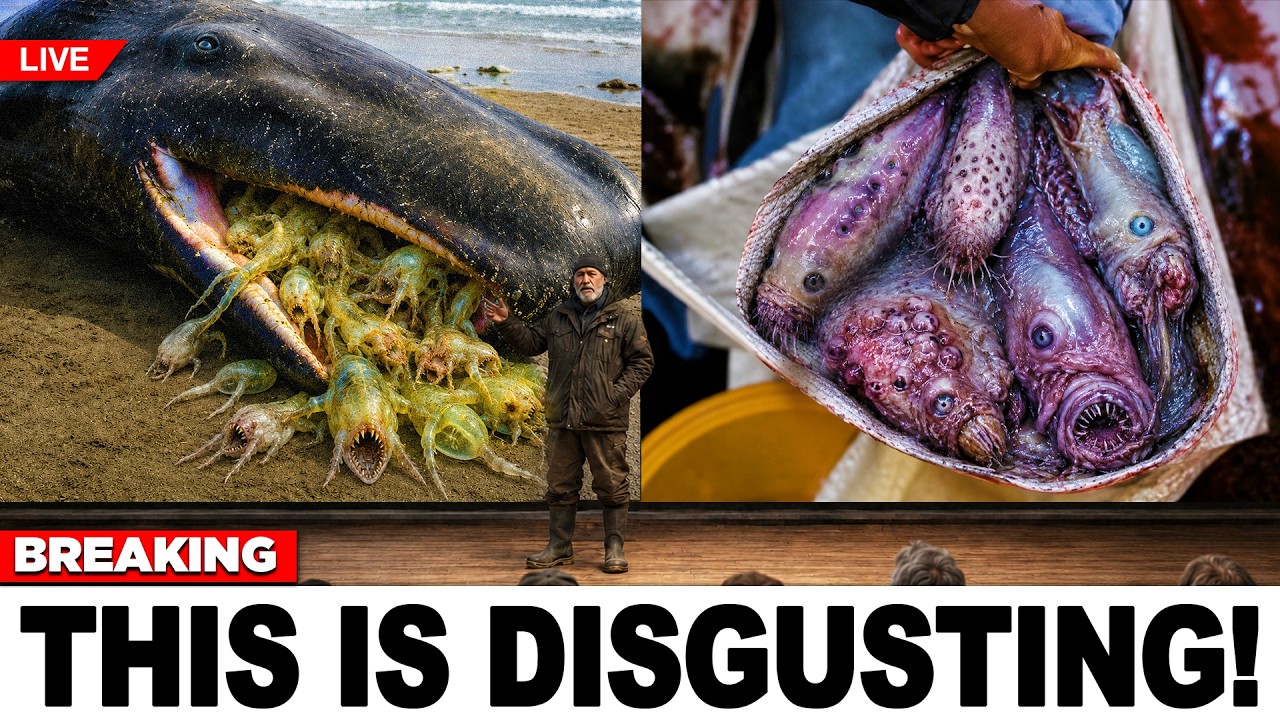
Marine biologists racing to discover why a sperm whale stranded on a remote shoreline were stunned by what their necropsy uncovered deep inside its stomach. The massive mammal appeared healthy on the outside, yet its death remains a mystery that now has researchers questioning their entire understanding of ocean pollution.
A sperm whale that stranded in the Canary Islands in 2023 died from a large intestinal blockage caused by ambergris, a substance long associated with the perfume industry. The case is one of several recent strandings that have drawn attention to the health threats facing these animals, including parasitic infections and internal injuries that are only visible during necropsies.Sperm whales are the…
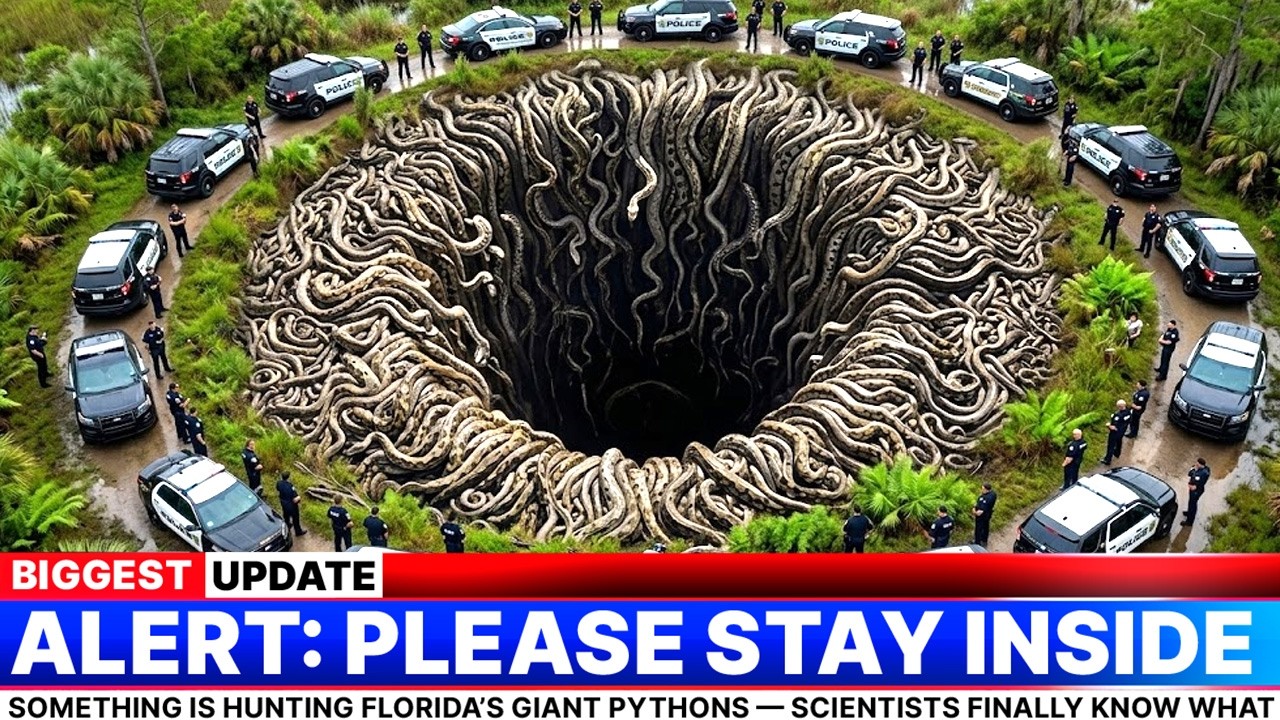
Something Is Hunting Florida’s Giant Pythons — Scientists Finally Know What. Researchers tracking the massive invasive snakes in the Everglades noticed something strange: the predators themselves were disappearing.
Burmese python numbers in the Florida Everglades have declined significantly. Governor Ron DeSantis attributed this decline to a partnership with a Miami-based company that manufactures clothing and accessories from python leather. Invasive pythons have caused extensive damage to the South Florida ecosystem, and experts say the snakes continue to expand their range northward.For forty years, the g…
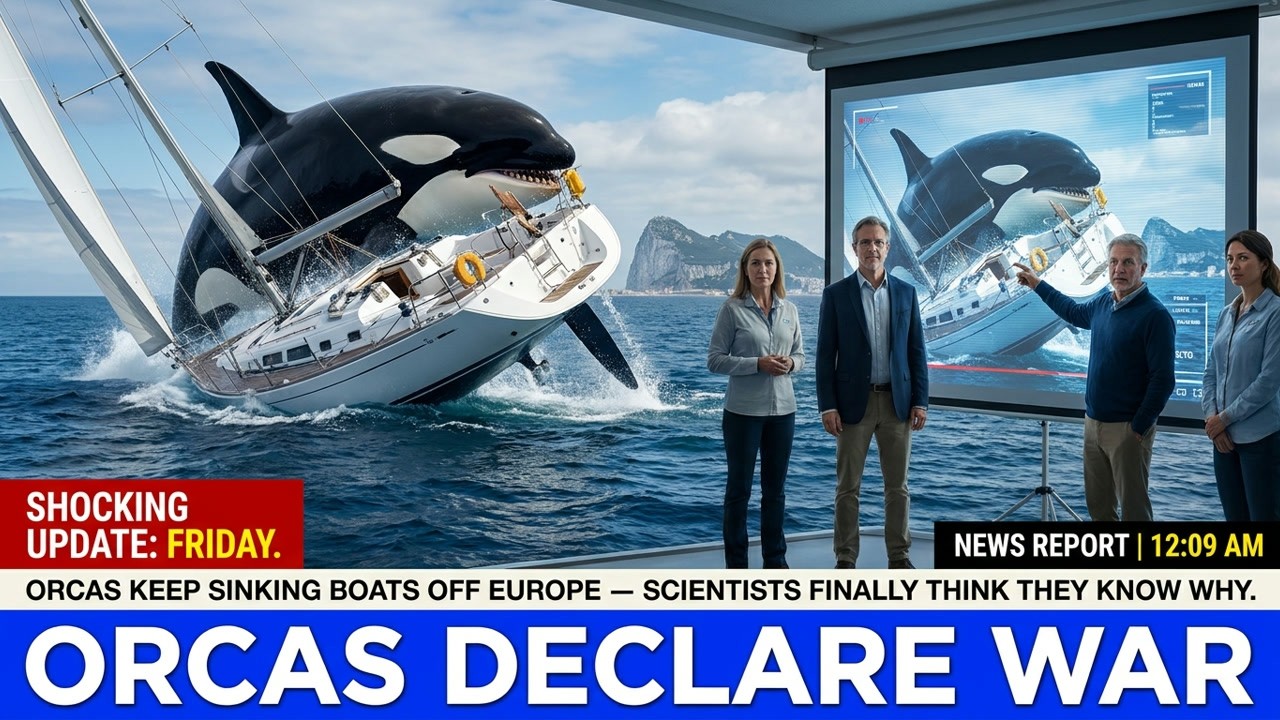
A pod of orcas has been ramming and sinking yachts off Europe’s coast, and scientists say they’ve finally cracked why. For years, the attacks have baffled experts, with dozens of vessels damaged near the Iberian Peninsula.
In May 2020, a sailor crossing the Strait of Gibraltar felt his small yacht being pushed from below. Something was striking the rudder repeatedly, bending and scraping the blade that controls the vessel’s direction. When he looked over the side, a black-and-white shape roughly the length of his boat was looking back.Over the following five years, scientists recorded more than 760 similar encounter…
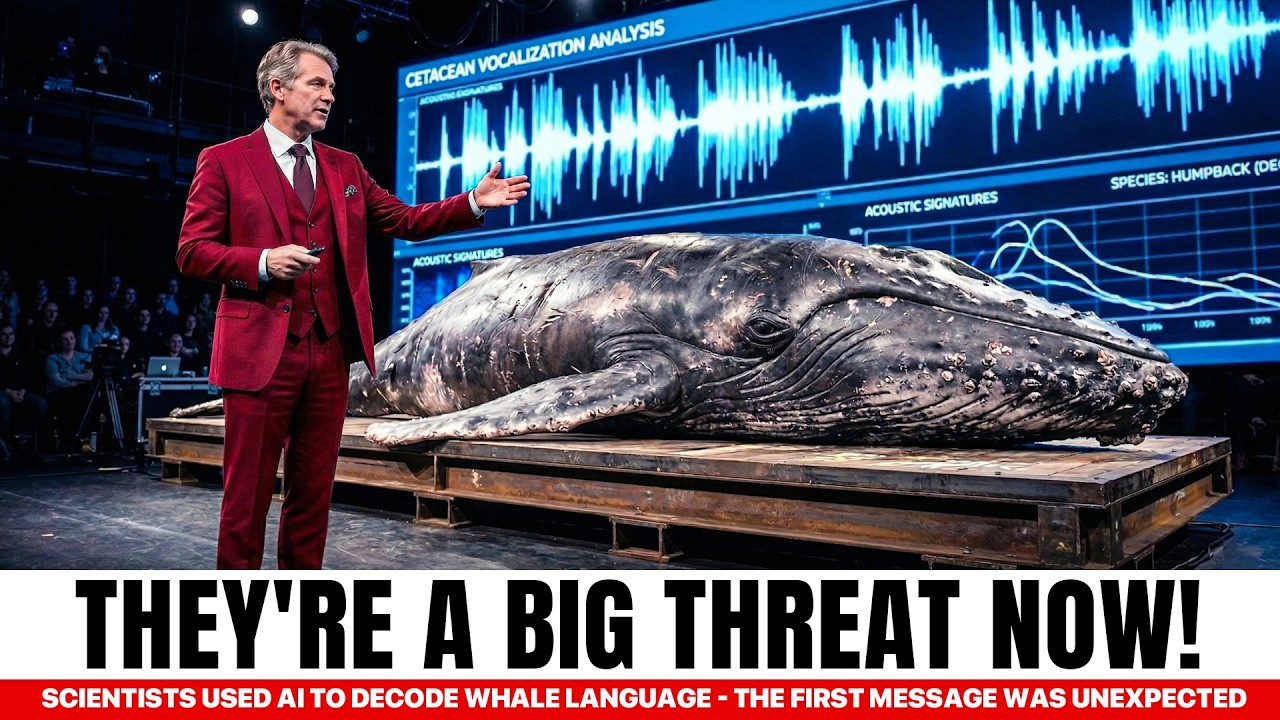
Scientists fed decades of sperm whale clicks into an AI built to decode their communication, and the first translated message stopped researchers cold. The system identified repeating patterns in the whales’ codas, the rhythmic click sequences they use to talk.
In 2024, an MIT research team analyzed 9,000 recordings of sperm whale vocalizations using an artificial intelligence system originally designed for code-breaking. The analysis identified 156 distinct click patterns, known as codas, that the whales use to communicate. This was a significant increase from the 21 codas that researchers had previously cataloged since the 1970s.The findings emerged fr…