
Researchers returned to the Everglades after the fires expecting to confirm what twenty years of study had supposedly proven—that the Burmese python had won—but the charred ground revealed a hidden story that contradicted everything they thought they knew. For decades, the invasive snakes had erased over 99% of raccoon sightings and pushed native wildlife toward collapse, despite removal programs capturing more than 20,000 pythons.
Everglades wildfires burn nearly every year, but what they reveal in their aftermath has changed how researchers understand one of the most studied ecological invasions in North America. When sawgrass disappears and standing water becomes exposed, survey teams enter areas that are normally impossible to read. For years, the expectation was that fire would confirm a grim picture researchers had alr…
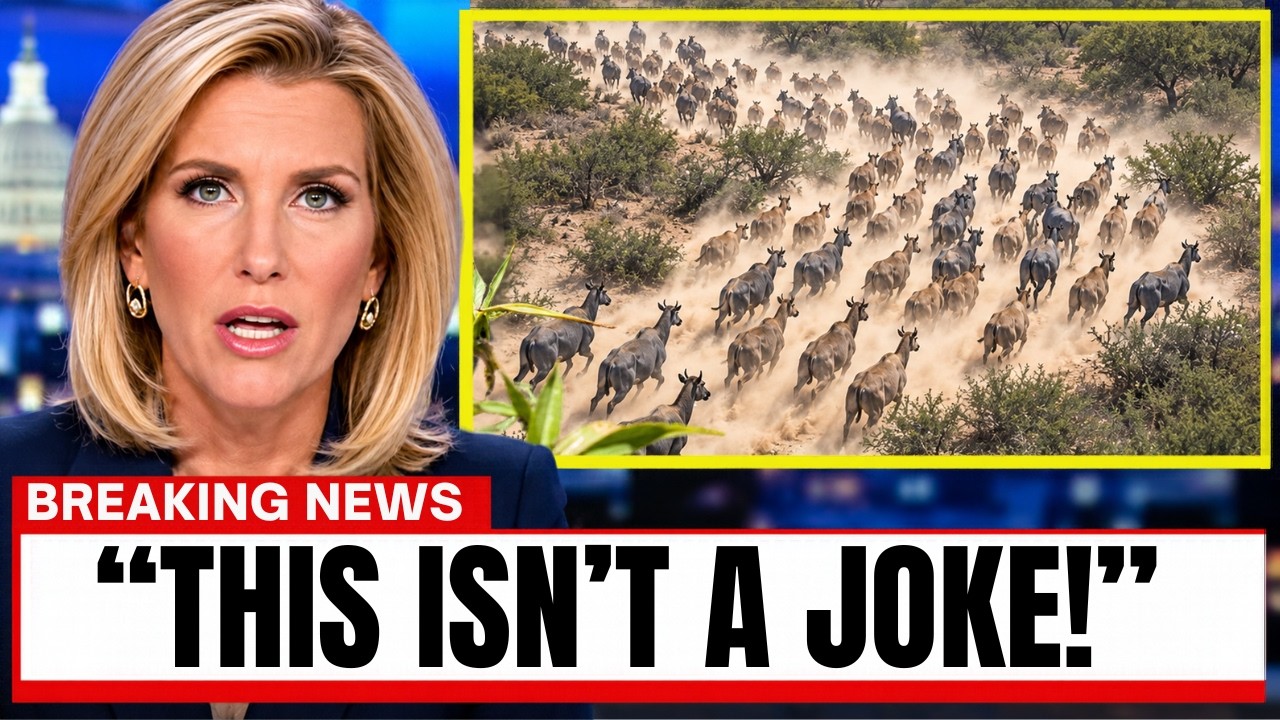
Twelve zoo-bred antelope released on a Texas ranch in 1930 have multiplied into tens of thousands, and now they threaten a border defense that took forty years to build. The nilgai, Asia’s largest antelope, escaped captivity because fences barely slow them down.
In the early morning hours along the Texas coast, a large animal stands motionless in the thorny brush near a farm road. It watches a passing truck. The creature stands about five feet tall at the shoulder, enough to look a driver in the eye through the window. Its coat is a dull blue-gray, nearly invisible in the dim light. The body is built for speed, with broad shoulders and a sloping back that…
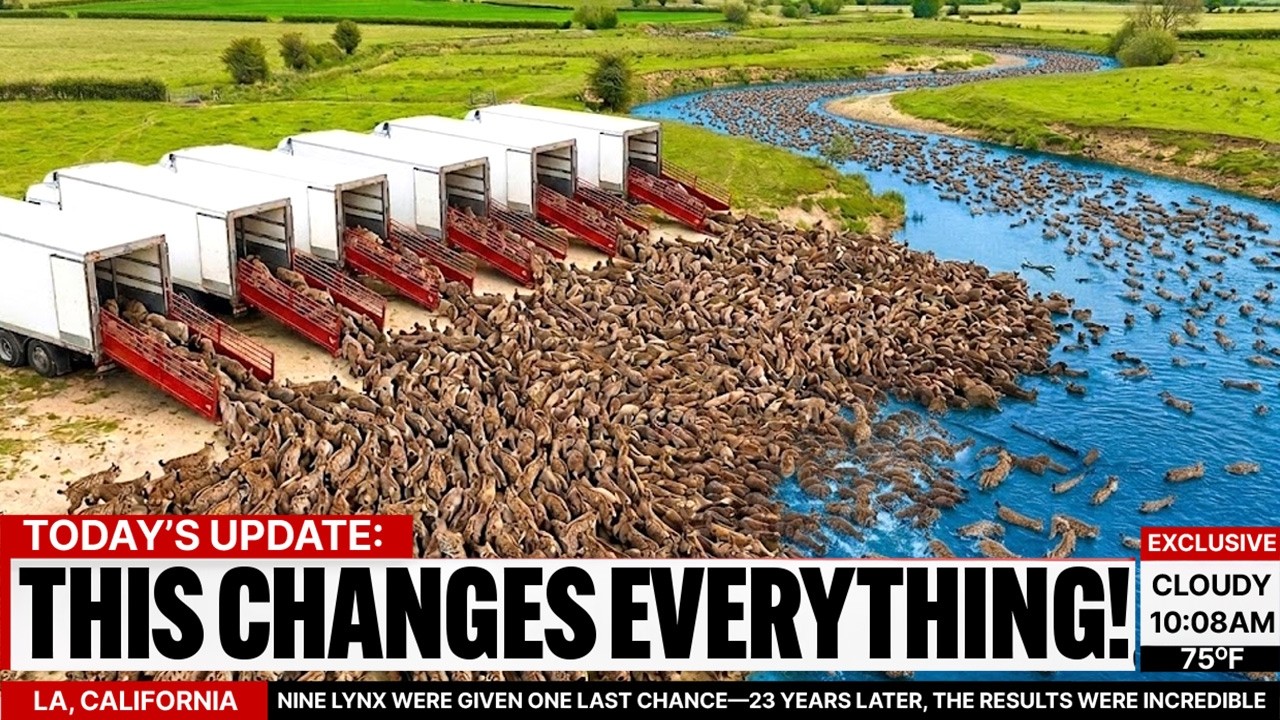
Nine lynx were released into a Spanish valley as a last-chance experiment—and within months, something strange appeared in the camera footage. The foxes were vanishing.
In 2009, nine Iberian lynx were released into a shrubland valley in Spain’s Córdoba province. The animals had been bred in captivity, and roughly half of similar releases had ended in death within a year. With fewer than 100 lynx left in the wild, the margin for error was minimal. Spain had already invested more than 70 million euros in recovery efforts, and the population remained in the hundreds…

In 2002, scientists counted just 94 Iberian lynx left on Earth, a species once spread across the peninsula now trapped in two isolated pockets. Protected since 1969, the Doñana population still vanished, and researchers finally found why: the lynx’s food supply had collapsed decades earlier.
In 2002, a wildlife biologist in Andalusia counted 94 Iberian lynx left in the wild. The species, once widespread across the Iberian Peninsula, had been reduced to two isolated populations in southern Spain, one in Doñana National Park and one in the Sierra Morena mountains. Doñana had been under legal protection since 1969, but the lynx population there was still declining.The reserve was protect…
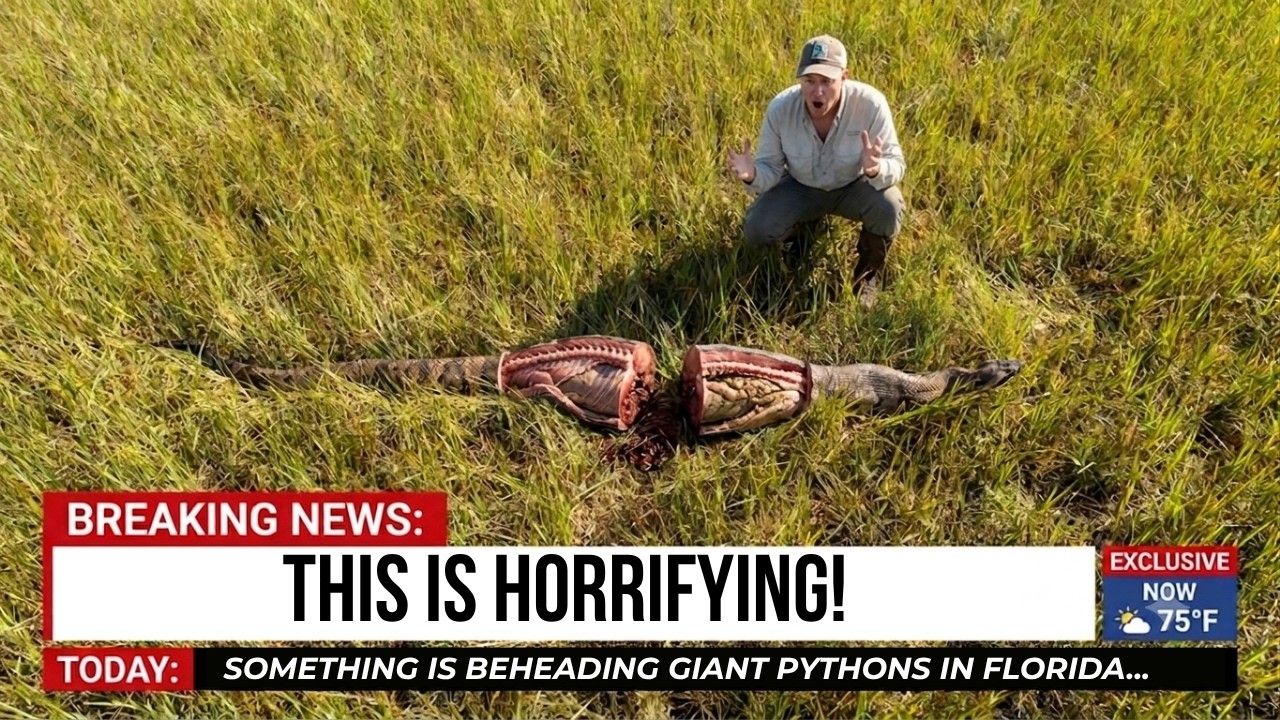
A cottonmouth just swallowed a 5-foot python—with its tracking transmitter still sending signals. It started as a routine ping in the Florida Everglades, but the signal led straight into the belly of a native snake.
A biologist tracking a Burmese python in the Florida Everglades received a signal that led her to a native cottonmouth with a large bulge in its body. X-rays later showed the cottonmouth, a species native to Florida, had swallowed the tagged python whole. The incident was one of several signs that native wildlife is beginning to prey on the invasive snakes.The Burmese python is not native to Flori…
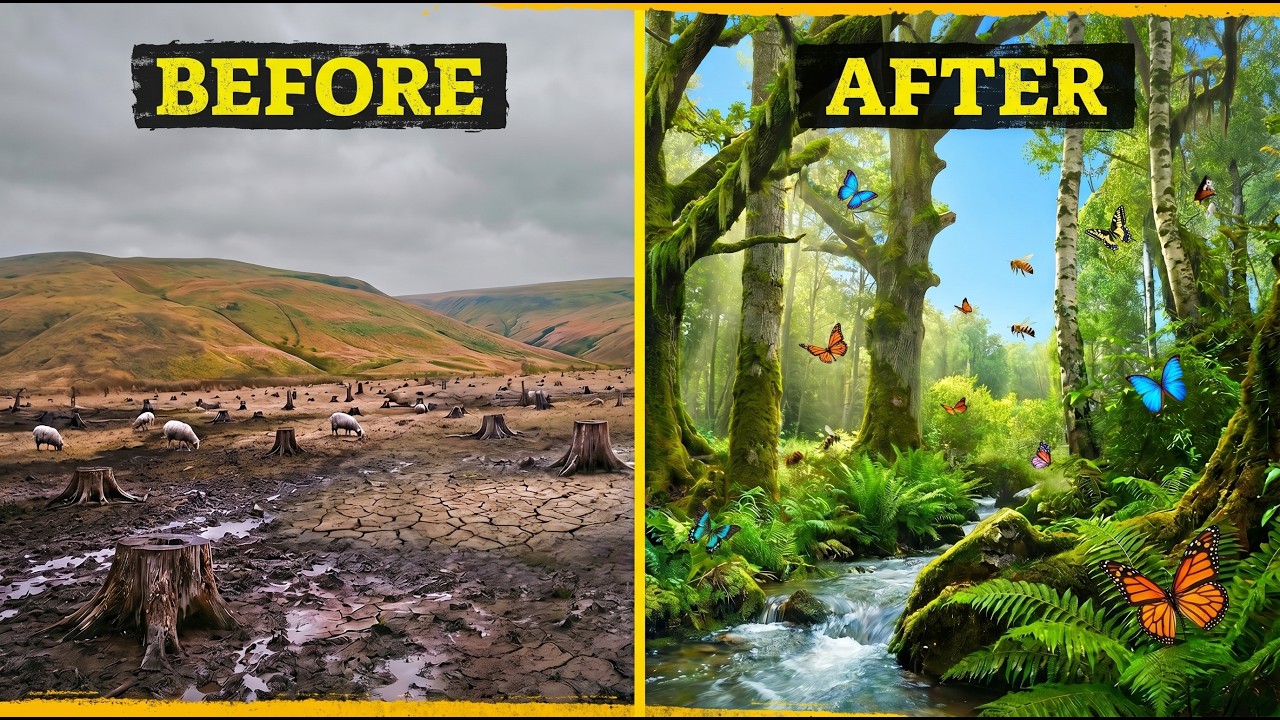
Britain’s temperate rainforest once spanned a fifth of the country, but after 800 years of felling, grazing, and toxic air, less than 1% remains. Then, in 2020, researcher Guy Shrubsole discovered moss-draped oak gorges that no map had ever catalogued, sparking the first national recovery strategies.
Britain once supported a temperate rainforest covering roughly a fifth of its land surface. This woodland, an estimated 4.6 million hectares, stretched from Cornwall to the Scottish Highlands along west-facing slopes and river gorges. The climate there, mild with heavy Atlantic rainfall, allowed oaks, mosses, lichens, and ferns to grow in dense, interconnected layers. Today, less than 1% of Britai…
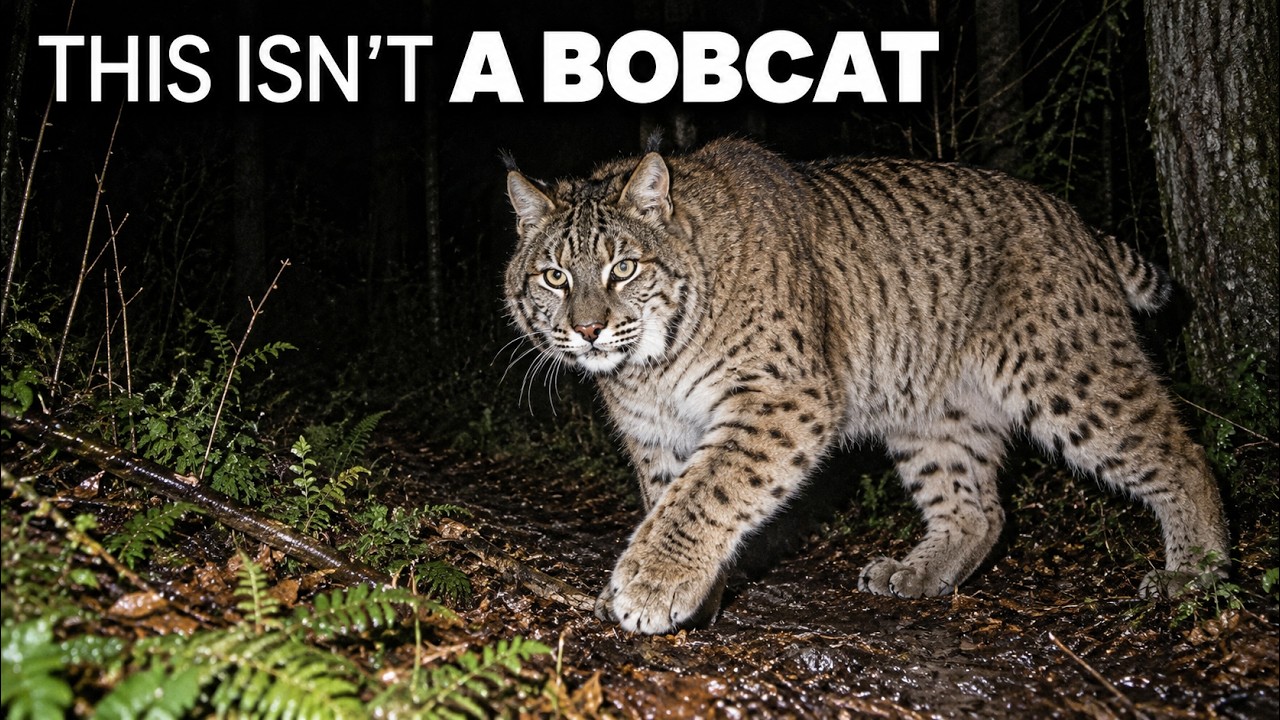
Wildlife biologists conducting routine animal surveys across the upper Midwest over the past fifteen years have encountered a consistent surprise. Bobcats captured in traps or recorded by trail
Wildlife biologists conducting routine animal surveys across the upper Midwest over the past fifteen years have encountered a consistent surprise. Bobcats captured in traps or recorded by trail cameras have been consistently larger than the size ranges documented in scientific reference books and historical records for the region. The animals being measured and weighed are larger than any reasonab…
Wildlife researchers in the Florida Everglades have documented a sharp decline in mammal populations over the past two decades, and they attribute much of the damage to Burmese pythons, an invasive
Wildlife researchers in the Florida Everglades have documented a sharp decline in mammal populations over the past two decades, and they attribute much of the damage to Burmese pythons, an invasive species that has adapted well to the region. The snakes were introduced to the area primarily through the exotic pet trade, with many owners releasing unwanted animals into the wild beginning in the 199…
Wildlife specialists in Texas Hill Country regularly review nighttime trail camera footage as part of their work with feral hogs. The animals are familiar subjects; researchers have logged thousands
Wildlife specialists in Texas Hill Country regularly review nighttime trail camera footage as part of their work with feral hogs. The animals are familiar subjects; researchers have logged thousands of hours observing their movements in the dark. Infrared light gives the hogs a pale appearance against the black landscape, which is routine for those who study them. The cameras were placed specifica…
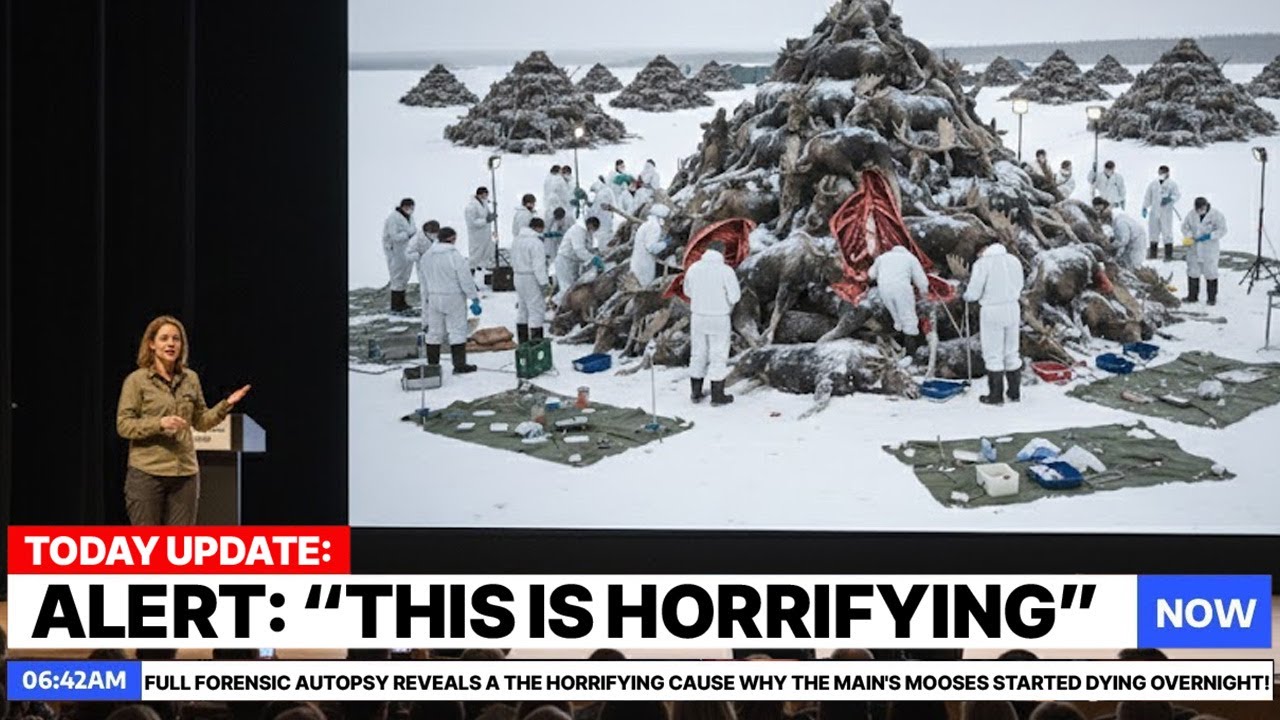
Wildlife biologists in northern Maine have documented unusually high mortality among young moose this year, with winter ticks identified as the primary cause. The deaths have renewed attention on how
Wildlife biologists in northern Maine have documented unusually high mortality among young moose this year, with winter ticks identified as the primary cause. The deaths have renewed attention on how warming winters are affecting the relationship between parasites and their hosts.Winter ticks, unlike deer ticks, do not transmit disease. But they attach to moose in large numbers and feed on their b…