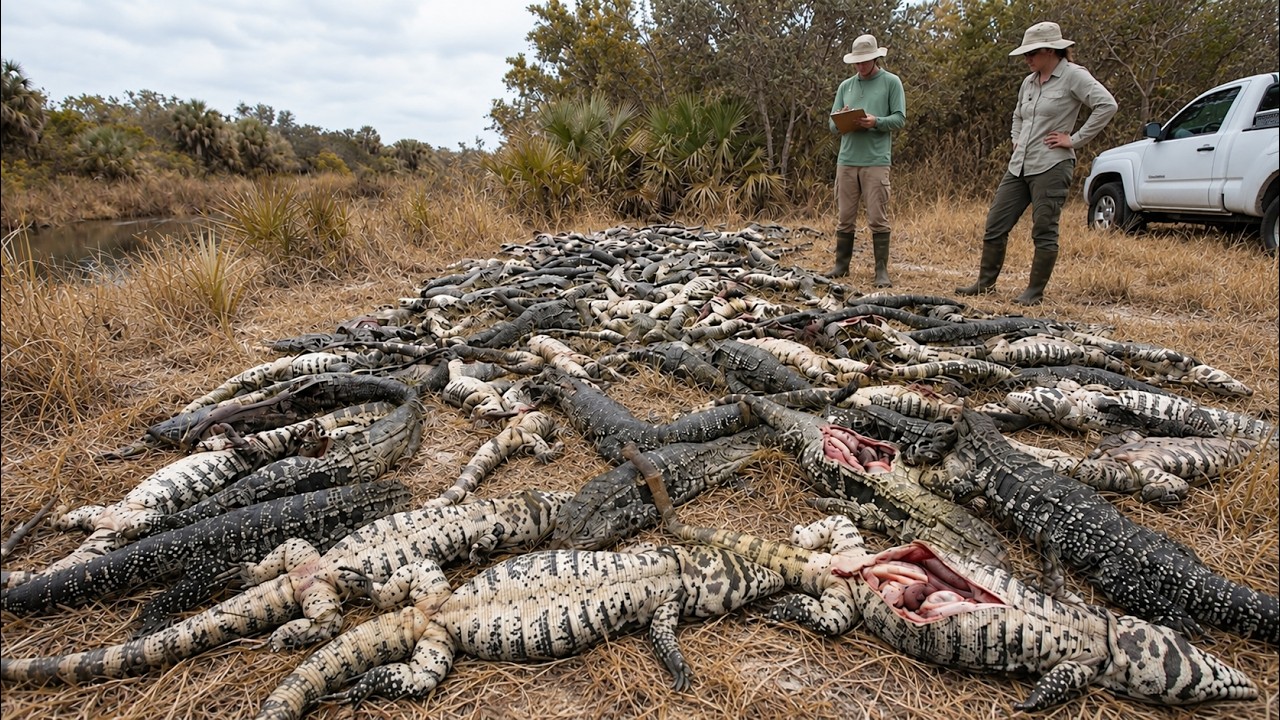
Sie jagen sie nicht mehr einzeln—sie jagen sie mit Fallen, Sturmgewehren und einem speziellen Team. Florida erklärt den Leguanen den Krieg, doch die Echsen wehren sich auf unerwartete Weise.
Grüne Leguane wurden in den 1960er Jahren nach Florida eingeführt und haben sich dort seitdem stark vermehrt. Die Tiere verursachen Schäden an Gebäuden und Infrastruktur, etwa durch Grabaktivitäten unter Häusern oder Stromausfälle in Umspannwerken. Behörden und Anwohner versuchen seit Jahren, die Population einzudämmen, bislang mit begrenztem Erfolg.1966 gelangten etwas mehr als 300 Grüne Leguane…
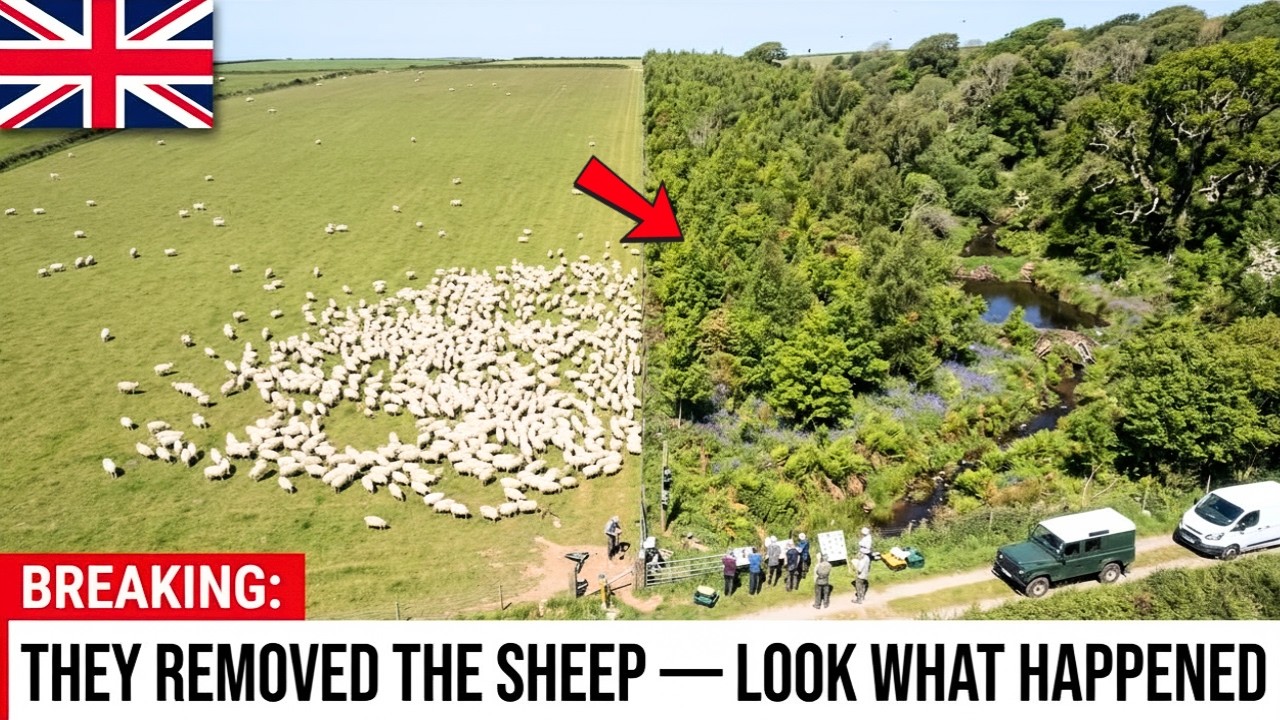
A family quietly removed their sheep from a Cornwall hillside, and the effects were immediate. Native trees and ferns began regrowing on land that had been grazed bare.
Temperate rainforest once covered a significant portion of the British Isles, but centuries of clearance for timber, agriculture, and development have reduced it to less than one percent of its former extent. For decades, this habitat loss received little formal attention. A private restoration project on a farm in Cornwall, begun in 2019, provided a working demonstration of how the ecosystem coul…

Florida removed a 60-year-old dam—then two dozen freshwater springs suddenly bubbled back to life. For decades, the concrete barrier had choked the river, silently burying natural springs beneath heavy sediment.
The Florida House of Representatives voted to approve the removal of the Rodman Dam, a structure that has separated two local waterways for decades. Conservation groups argue that the environmental benefits of removing the dam for the historic communities along the St. Johns River outweigh local concerns.The dam, also known as the Kirkpatrick Dam, was built in 1968 as part of the Cross Florida Bar…
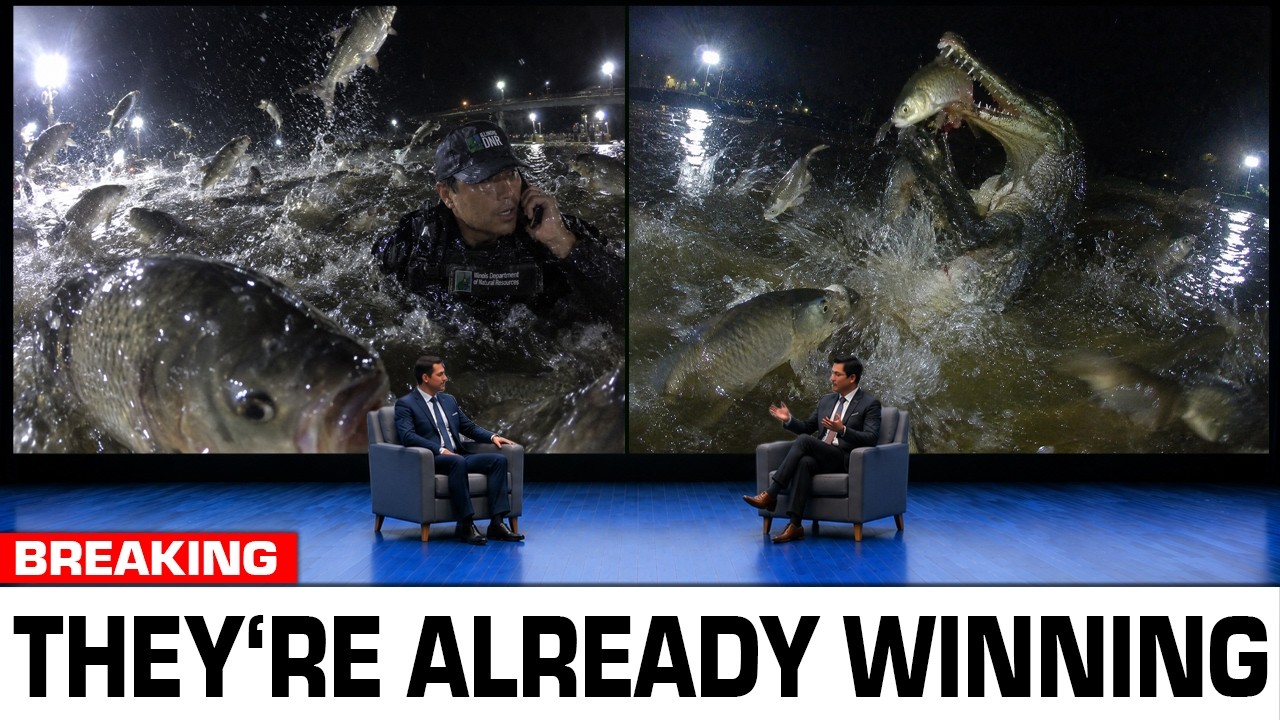
America just released eight-foot river monsters into Asian carp-infested waters, and the results are now in. For years, invasive carp have devastated native ecosystems, outcompeting local fish and wreaking havoc on rivers across the Midwest.
The alligator gar, a native North American fish capable of growing past eight feet in length, was declared completely gone from Illinois waters by 1994. The disappearance followed decades of deliberate killing and habitat loss.In 2010, Illinois joined a multi-state reintroduction effort led by the United States Fish and Wildlife Service. Since then, thousands of the fish have been released into ri…

More humans have stood on the Moon than reached the bottom of the Mariana Trench, where crushing pressure equals 50 jumbo jets on a chest. Yet when cameras finally descended nearly 36,000 feet, they didn’t just find pale snailfish and armored isopods thriving in permanent darkness.
The ocean covers roughly 70 percent of the planet, yet about 80 percent of it has never been directly observed. More of the surface of Mars has been mapped than the floor beneath the waves. The deepest point in the ocean, the Mariana Trench, sits nearly 36,000 feet below the surface. In all of human history, three people have reached its bottom: two in 1960 and one in 2012.For comparison, more tha…
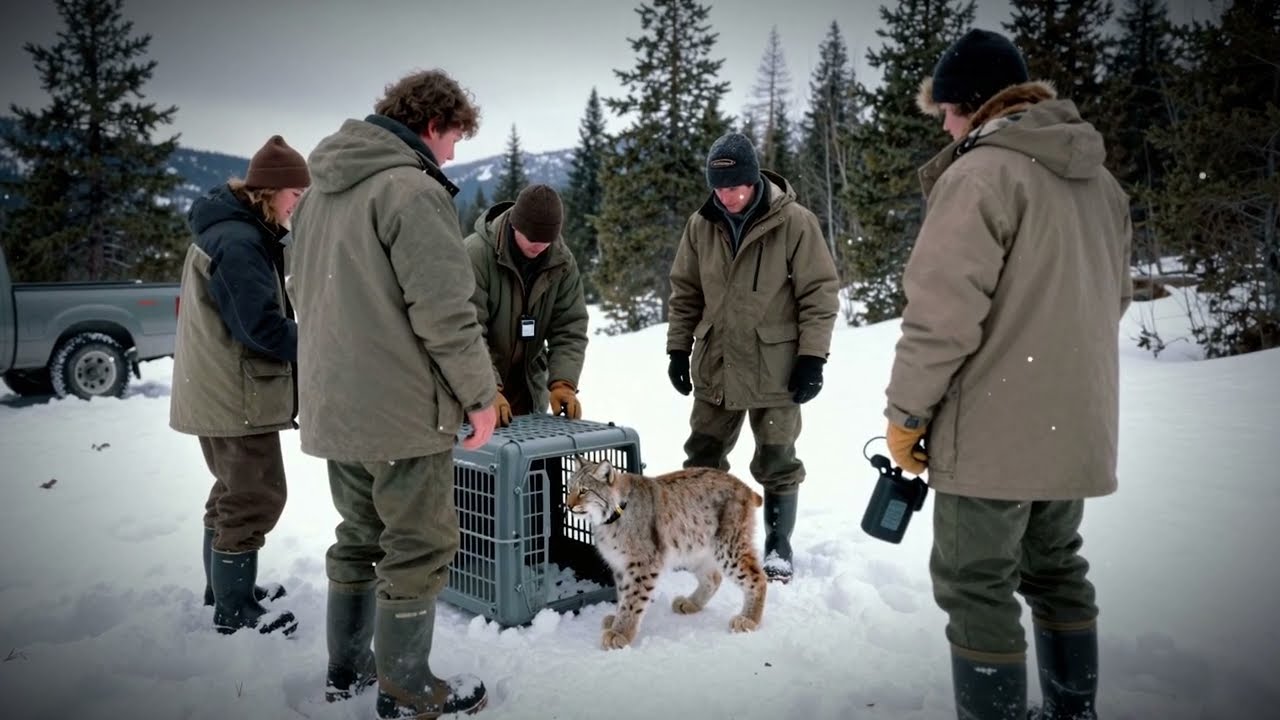
In February 1999, Colorado biologists launched the state’s most expensive wildlife gamble, releasing wild Canada lynx into the San Juan Mountains—and within a month, four of the first five released cats were dead. Heated criticism erupted over the doomed start, but the team refused to blame the habitat.
In February 1999, Colorado state biologists began a program to reintroduce Canada lynx into the San Juan Mountains, releasing wild-caught animals from Alaska. In the first month, four of the first five released cats died, drawing heavy criticism and negative media coverage of the effort.Canada lynx had inhabited Colorado’s high-altitude forests for thousands of years. Unregulated fur trapping in t…
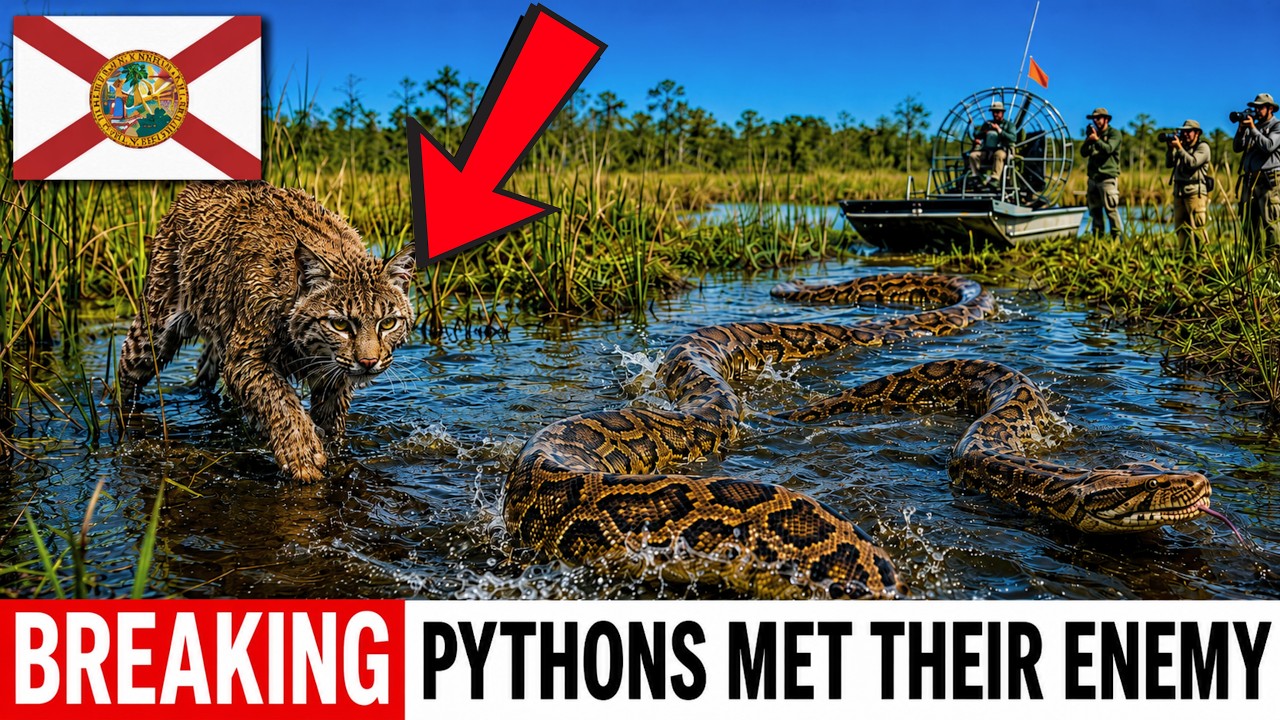
Florida spent millions on hunts and radio-tracked “scout snakes” to fight invasive Burmese pythons, yet nature may have quietly found a $0 solution. For over a decade, the Everglades seemed defenseless—raccoon sightings plummeted 99.3 percent as the constrictors spread.
In June 2021, a camera placed near a Burmese python nest in Big Cypress National Preserve recorded a bobcat eating the python’s eggs. The incident was the first documented case of a native Florida animal preying on python eggs.The Burmese python population in the Everglades has grown since the snakes began breeding in the wild around 2000. Many were released pets or escapees. Native animals had no…
A jaguar just returned to southern Arizona and drank at a remote desert water source for nearly five minutes, captured on a University of Arizona camera network. Researchers named him Siniik, the latest in a string of males reclaiming territory lost over a century ago.
In November 2025, a camera network operated by the University of Arizona recorded a jaguar at a remote desert water source in southern Arizona. Several months later, in early 2026, the same animal returned and was filmed drinking at the water’s edge for nearly five minutes. Researchers have begun calling him Siniik.The sighting is the latest in a series of recorded jaguar visits to the American So…
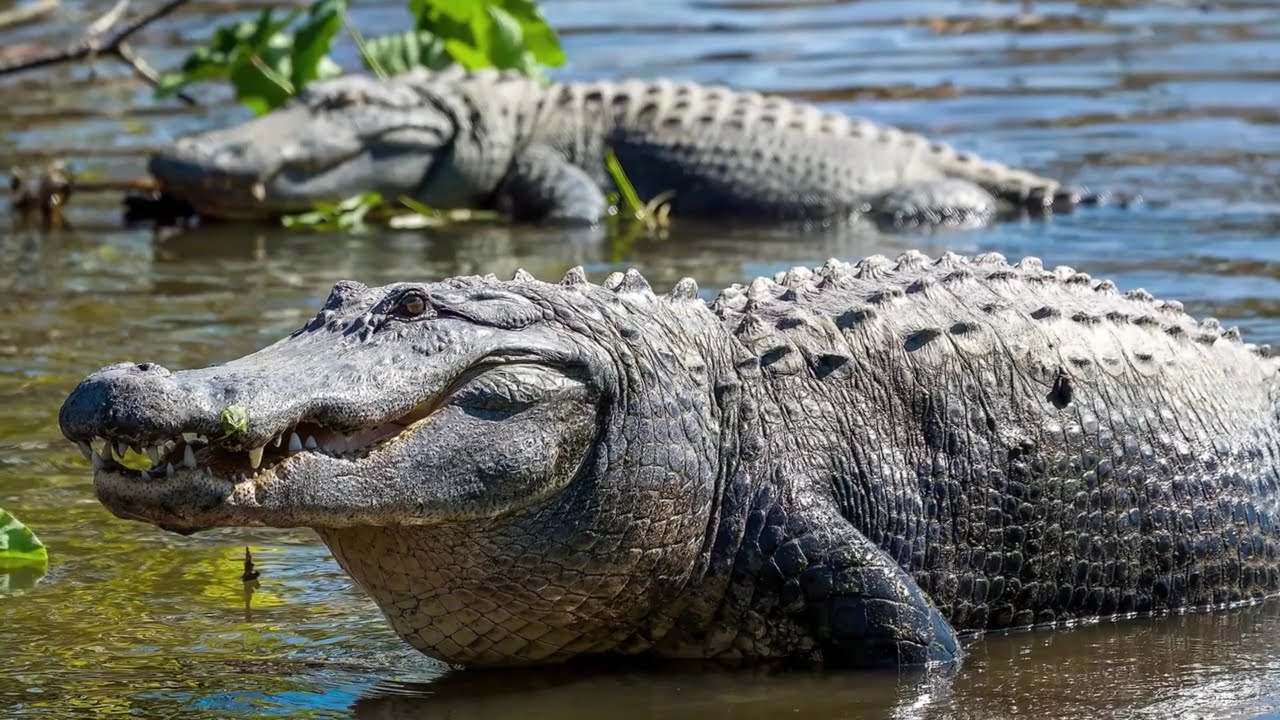
Louisiana was losing a football field of marshland every hour, and the unlikely fix involved the American alligator, a predator once hunted to near extinction. The real culprit was nutria, invasive rodents that devoured the dense root mats holding wetland soil together, turning vegetated marsh into open water.
Louisiana’s coastal wetlands were eroding rapidly, and an invasive rodent species was making the damage significantly worse. By the mid-20th century, the state was losing a football field of marshland every hour, in part because nutria, large semi-aquatic rodents imported from South America, were destroying the root systems that held the soil together. The solution that eventually stabilized the c…
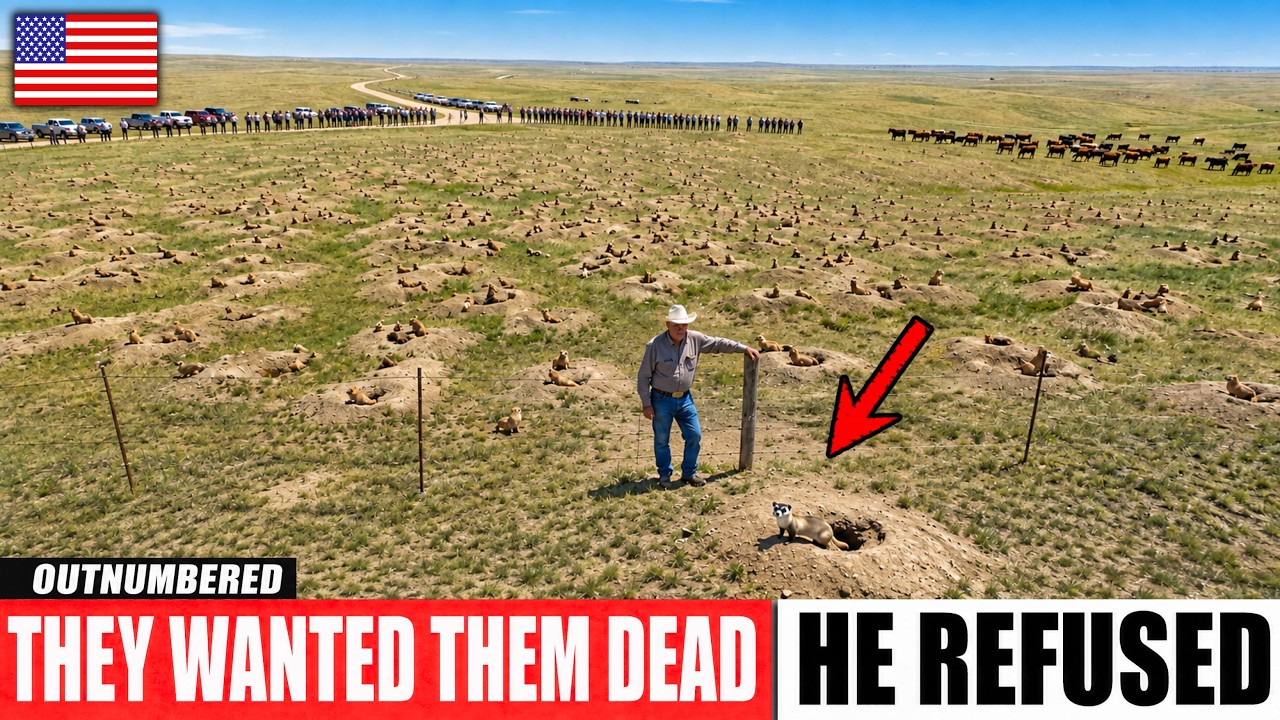
Inside this Kansas courtroom, one rancher stood alone against 99 furious neighbors, all demanding he destroy the prairie dog colonies on his land or face government poisoning. But Larry Haverfield refused, convinced the animals were vital to his cattle’s health.
In the summer of 2005, Larry Haverfield, a cattle rancher in western Kansas who had spent decades raising livestock near Russell Springs, received a letter from Logan County ordering him to eliminate the prairie dog colonies on his land within 15 days. When the deadline passed, the county said it would send applicators to do the job and bill him for it. Haverfield refused.The dispute over prairie…