
Florida’s giant pythons were disappearing—then scientists finally discovered the predator behind it. For years, invasive Burmese pythons had devastated the Everglades, swallowing everything from raccoons to alligators, and researchers assumed nothing could challenge them.
Burmese pythons had dominated southern Florida for roughly twenty years, preying on deer, wading birds, and even alligators. They helped empty large sections of Everglades National Park of raccoons, opossums, and rabbits. In 2021, however, researchers encountered something they had never documented: a mammal killing a full-grown python on land.A 13-foot, 52-pound male python, tagged with a radio t…

They released 11 beavers into a dead Scottish river, and what followed stunned scientists. The waterway had run dry, its wildlife gone, the land scarred by erosion.
In May 2009, a rewilding trial began in Scotland with the release of eleven Eurasian beavers into Knapdale Forest in Argyll. It was the first licensed mammal reintroduction in British history. The animals, captured in Norway and quarantined for several months, were released into freshwater lochs over two days. The species had not lived in Scotland for over 400 years.The project followed more than…
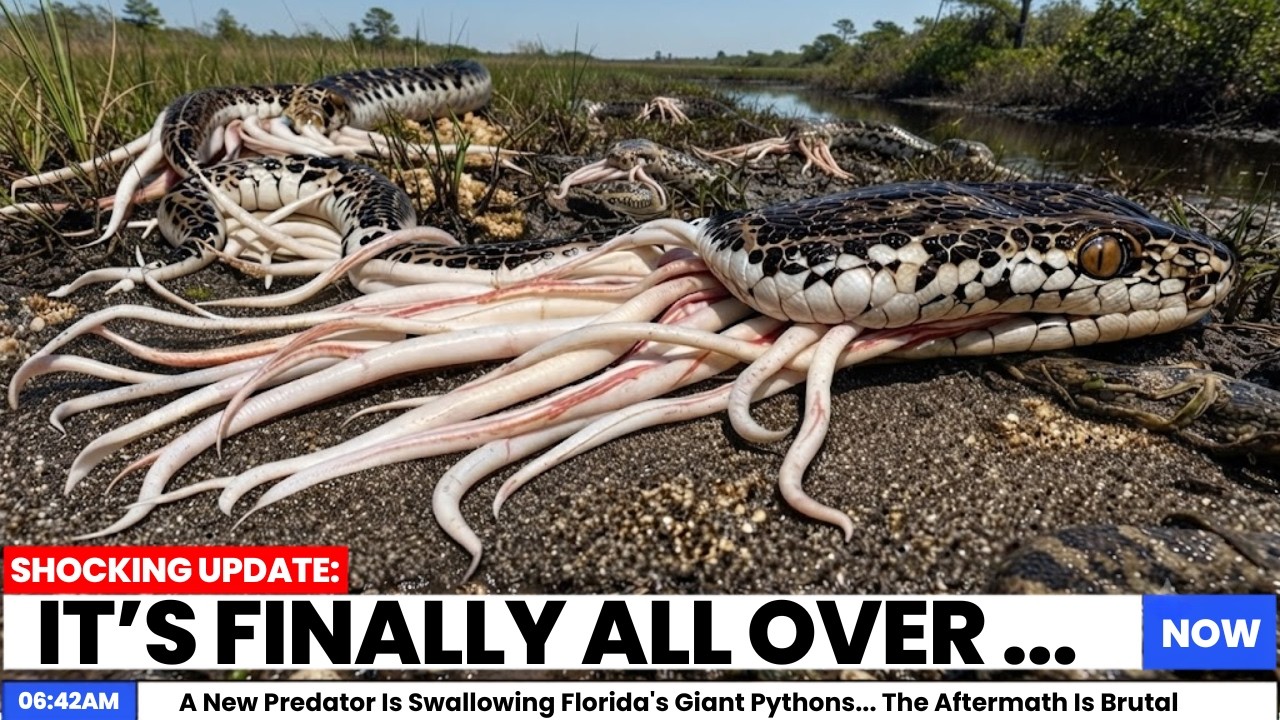
Burmese pythons are vanishing from Florida, and scientists say seven other species are already hunting them back. The invasive snakes once thrived unchecked across the Everglades, wiping out native wildlife.
A wildlife researcher tracking invasive Burmese pythons in the Florida Everglades has documented what appears to be a significant shift in the ecosystem: seven native predator species are independently preying on pythons in ways not previously recorded.Dr. Elena Marsh had conducted systematic python density surveys in the Big Cypress National Preserve for seven years under a contract with the Univ…
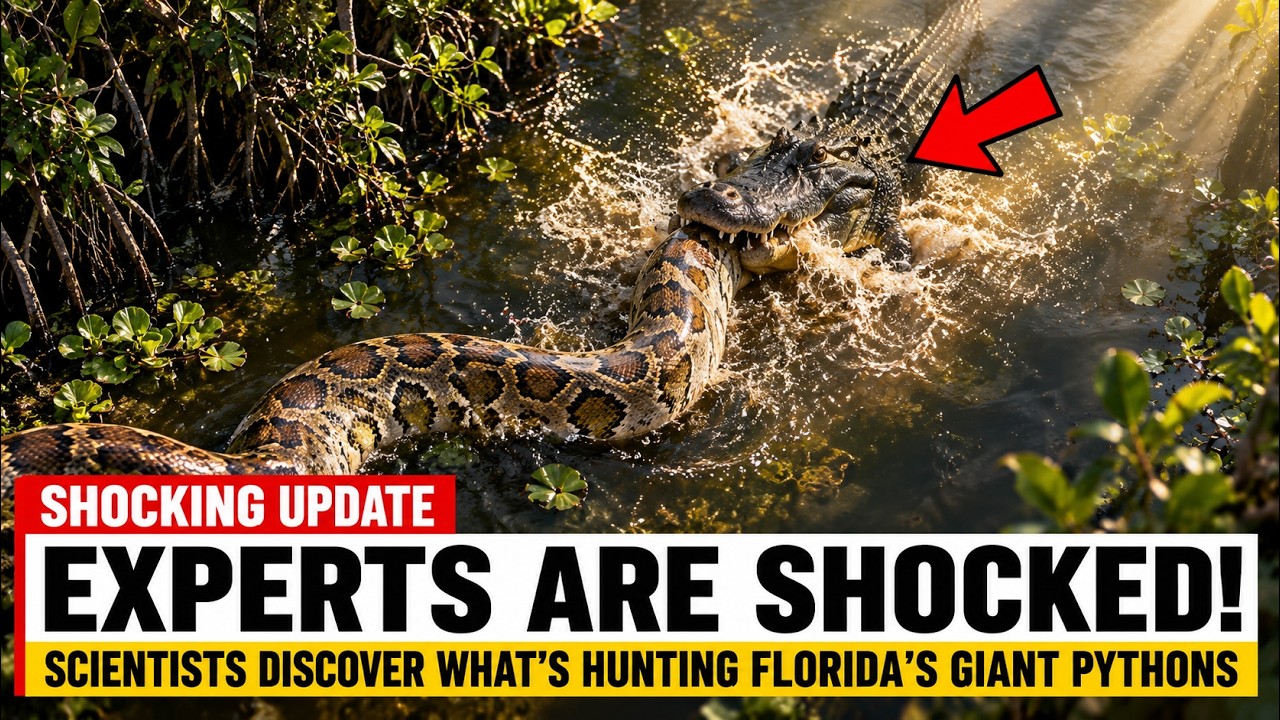
Deep in the Everglades, scientists finally identified what’s been hunting Florida’s giant pythons—and it’s not another snake. For years, massive invasive pythons have devastated local wildlife, and researchers suspected an unexpected predator was pushing back.
The Burmese python has been an established apex predator in the Florida Everglades for roughly two decades. The invasive species, which can reach lengths of 20 feet, has contributed to significant declines in native mammal populations across the wetland ecosystem.Eradication efforts have spent millions of dollars and involved thousands of hunter hours, but specialists describe the results as limit…

In Arizona, crews tore down a 96-year-old dam—and then the desert river came back to life. For nearly a century, the concrete structure had blocked the waterway, strangling the ecosystem downstream and leaving a dry, barren channel where wildlife once thrived.
A camera mounted on a rusted metal pole above a dry riverbed in Arizona recorded only cracked mud, heat, and drifting sand for years. Then, on a spring morning, it captured 14 seconds of footage showing water moving through the frame. A hydrologist reviewing the footage stopped and remained silent for nearly a minute. What had appeared in the recording was something she had never seen in that loca…

A Florida robot rabbit squad was designed for one brutal job—luring invasive pythons out of hiding—and the footage of what it triggered is genuinely terrifying. The decoy bunnies mimic real prey, moving to draw massive snakes into open ground, where the team planned to capture or cull them.
Officials in Florida have invested in a range of methods to address the population of invasive Burmese pythons in the Everglades, including an experimental effort involving robotic decoys designed to attract the snakes. The program used artificial rabbits equipped with heating elements, scent emitters, and cameras to lure pythons into monitored areas where removal teams could be dispatched.The Eve…
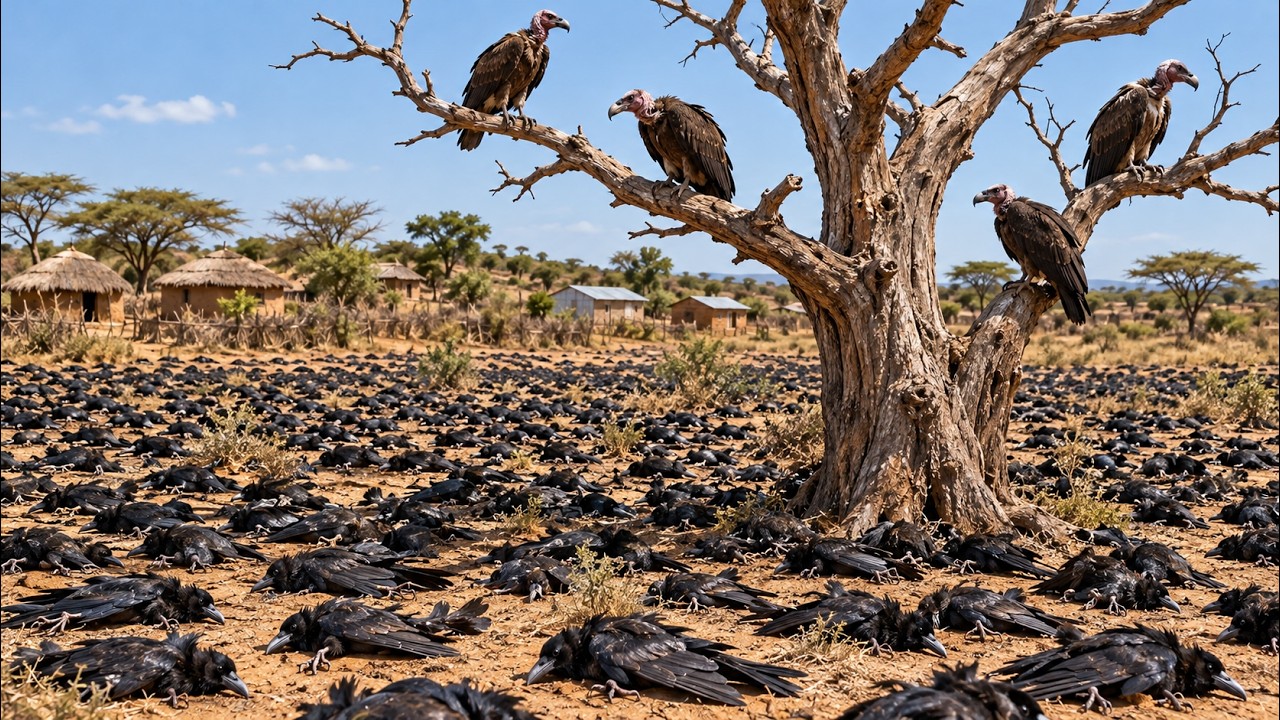
Kenia steht im Krieg gegen Zehntausende intelligente Krähen, doch Fallen und Schusswaffen versagen kläglich. Die invasiven Vögel gelten als Plage, zerstören Ernten und bedrohen einheimische Arten an der Küste.
In 2024 begann in Kenia eine groß angelegte Kampagne gegen eine invasive Vogelart. Ziel war es, innerhalb von sechs Monaten eine Million Hauskrähen zu töten. Die Hauskrähe gilt als eine der intelligentesten Vogelarten der Welt. Sie erkennt menschliche Gesichter, merkt sich Gefahren und warnt ihre Artgenossen vor drohenden Bedrohungen.In der Küstenstadt Malindi wurden bei einer Zählung mehr als 31….
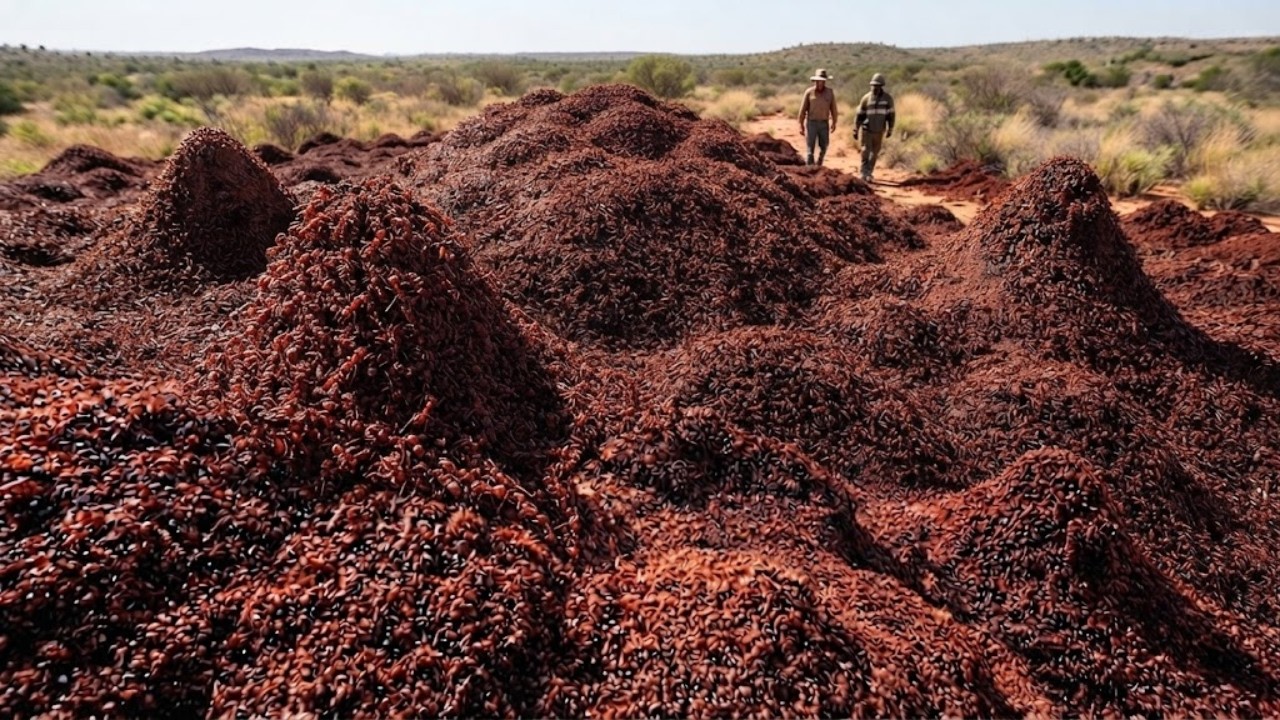
A single invasive species reshaped Georgia’s farmland for decades, and now fire ants are vanishing from fields where they once dominated. Scientists investigating the sudden disappearance have identified an unexpected force already halting their spread, and farmers are noticing the difference.
Since 2019, entomologist Sara Colby has conducted fire ant density surveys across agricultural corridors in southwestern Georgia, working from the University of Georgia campus in Tifton, within the state’s peanut and cotton belt. Her monitoring protocol was straightforward: fixed survey lines along the same field margins, shrub lines, and pasture edges each growing season, using standard mound cou…
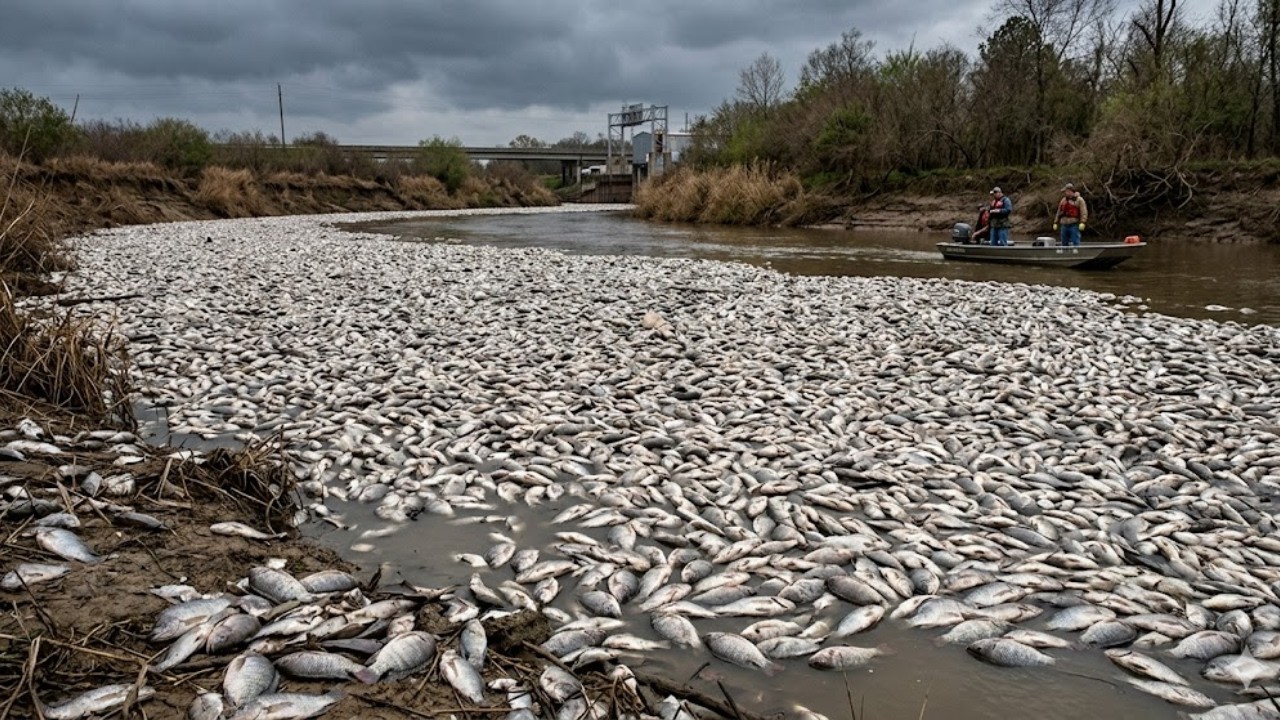
Florida’s lakes face an invisible war beneath the surface, and the invasive fish blamed for wrecking them is suddenly vanishing. Scientists tracking the species noticed something hunting it far faster than any eradication effort they designed.
Carol Hennessey had been fishing Lake Tohopekaliga, near Kissimmee, Florida, for 19 years when she noticed a shift on a June morning. She launched her bass boat before sunrise and worked the shallow vegetation mats along the south shoreline as usual. By 8 a.m., she had a productive morning, something she had not experienced on that lake in over a decade. Largemouth bass were in her live well, and…
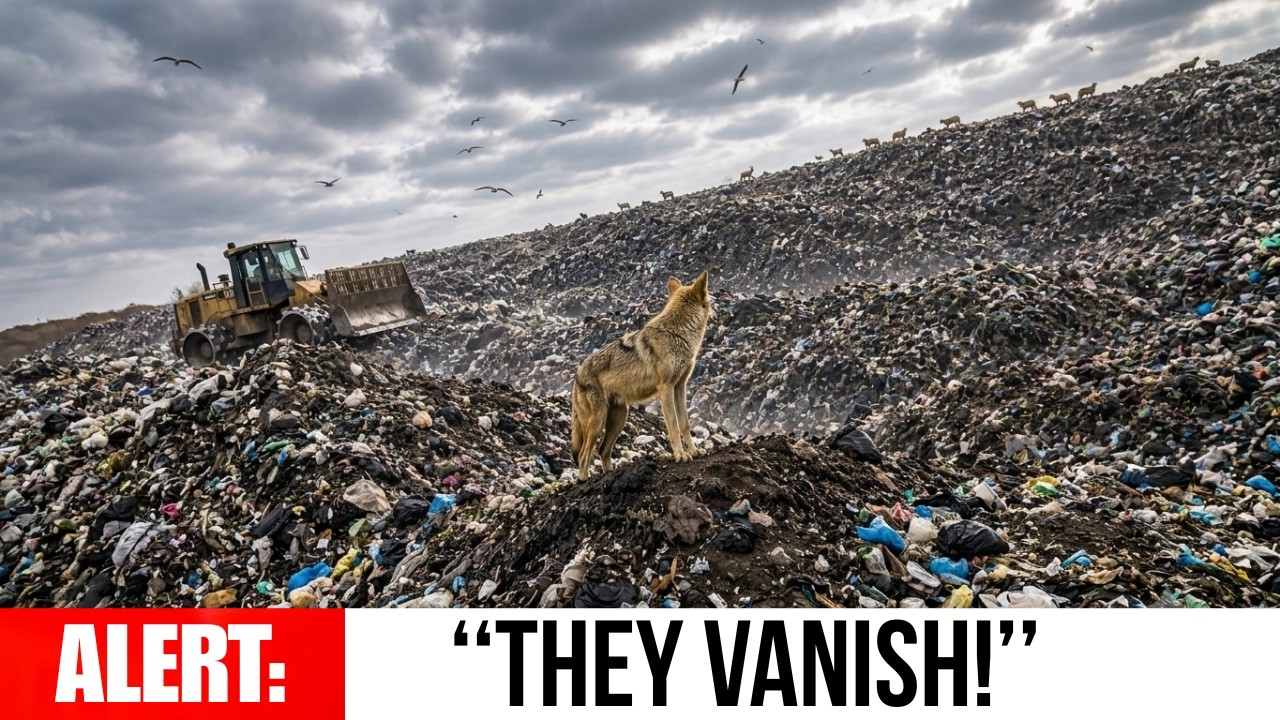
Stray cats and rats are vanishing from America’s largest landfill, and the reason has stunned cleanup crews. For years, thousands of felines prowled the massive dump, keeping rodent populations in check while workers fed them scraps.
In early 2024, technicians reviewing night camera footage at the Puente Hills landfill, the largest waste site in North America, noticed something unusual. The infrared cameras, which had recorded nightly activity at the site for years, were suddenly capturing empty frames. The rats and stray cats that had dominated the footage had vanished. Researchers soon identified the cause: coyotes had moved…