A hungry predator is devouring Florida’s invasive pythons on camera. Wildlife officials hoped this natural hunter could curb the snake explosion devastating local mammals, but the captured footage reveals something far more unsettling.
In southwest Florida, biologists tracking Burmese pythons have found that some hatchlings are being eaten by native predators, including a species researchers did not initially expect. Radio-tagged pythons have been located inside the digestive tracts of Florida cottonmouths, confirming that at least one native snake is capable of preying on the invasive species.The findings emerged from studies i…

The Everglades fires cut through the tall grass, and what surfaced was far more unsettling than snakes. As flames swept the marsh, responders found charred remnants in the ash, objects that did not belong in a natural landscape.
Florida officials are using controlled burns to address the invasive Burmese python population in the Everglades, a method that has revealed the scale of the infestation while also serving as a tool to manage it. Governor Ron DeSantis discussed the state’s latest actions in Stuart, outlining plans to curb the growth of the python population in the region.For years, Burmese pythons have been a pers…
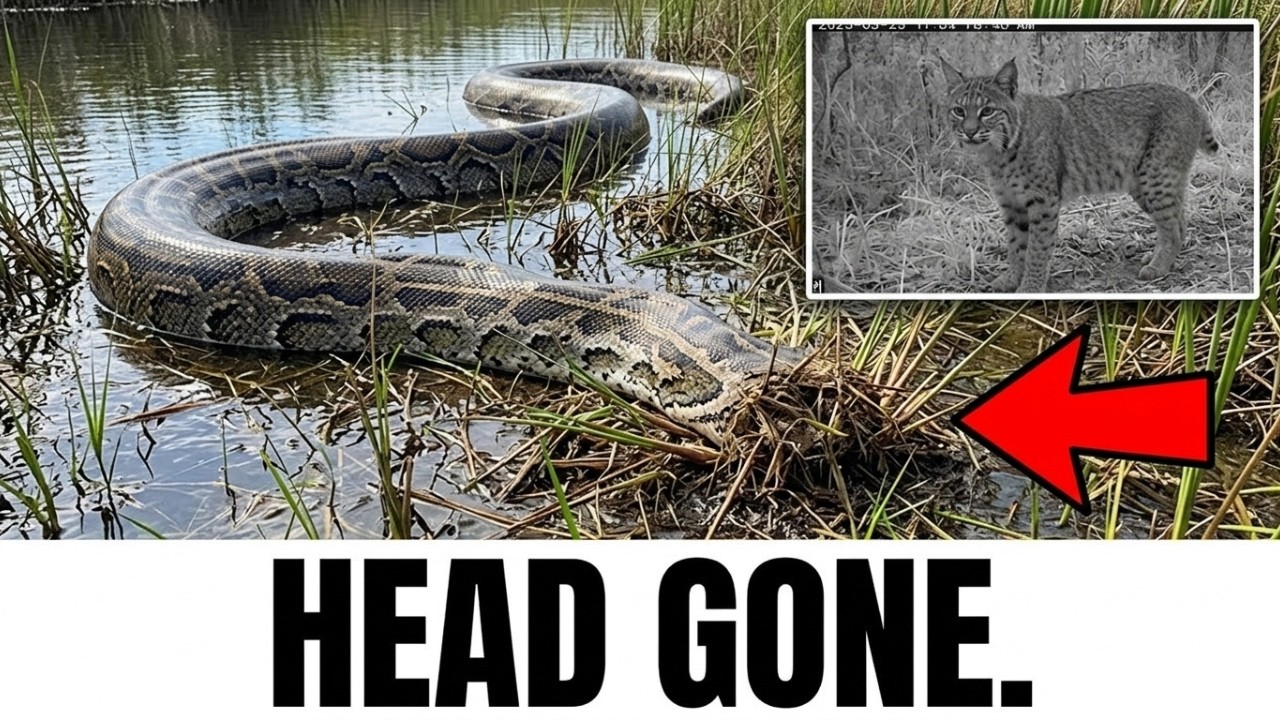
A 20-foot python was found decapitated in the wild, its massive head missing. Investigators initially suspected a rival predator.
Biologists from the Conservancy of Southwest Florida found a 20-foot Burmese python dead in pine flatwoods at the edge of the Everglades. The snake’s head had been removed, and the carcass had been covered with pine needles and debris. The concealment indicated that an animal had killed the python and stored the body for later feeding. Trail cameras placed near the carcass identified the predator…
Saltwater crocodiles are eating cane toads, and scientists say the predator’s survival could now be reshaping an entire ecosystem. For decades, toxic cane toads have been lethal to native animals that bite them, yet crocodiles appear to be developing a tolerance that changes their role in the food chain.
Cane toads have spread across northern Australia and into the Kimberley wilderness since their introduction in 1935, causing significant harm to native wildlife. Local rangers and researchers are now studying how some predators are adapting to survive alongside them.For decades, eating a cane toad in Australia was almost certainly fatal for native animals. The toads carry potent toxins in glands b…
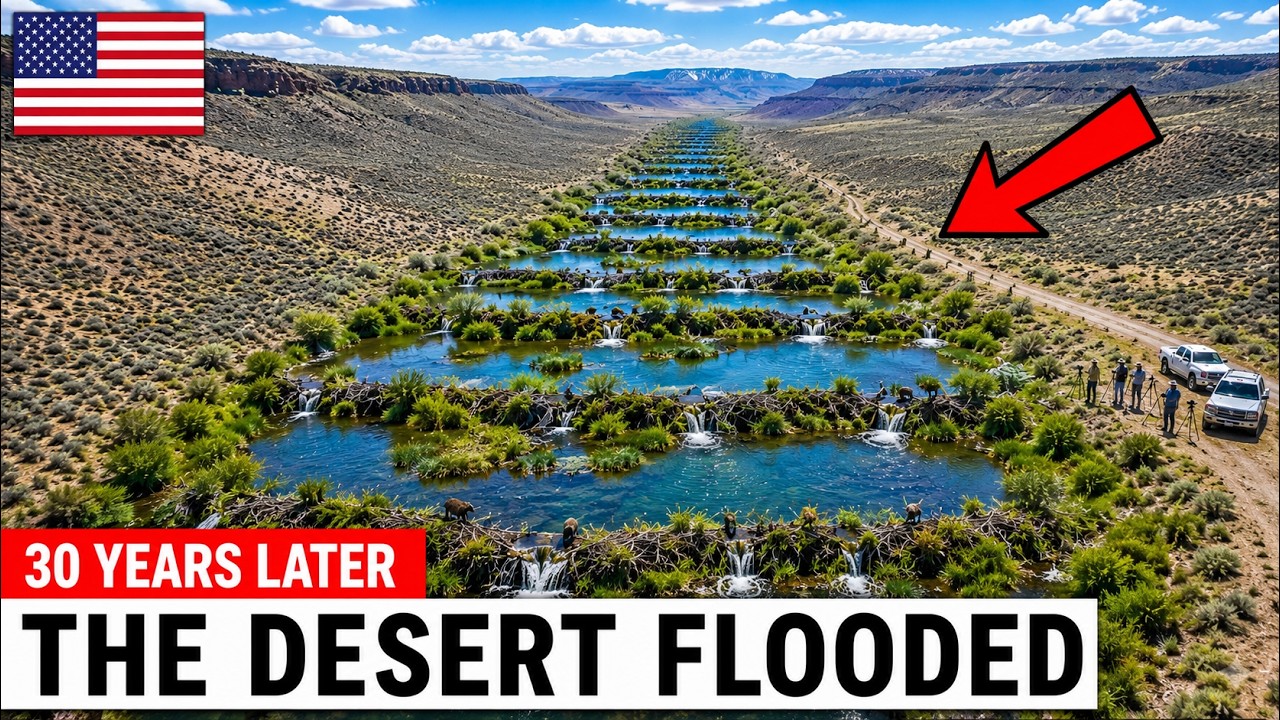
A U.S. rancher let the beavers back and the water did something insane.
In 1990, Maggie Creek was drying up every summer. The water ran fast and shallow, and by August it turned into a dusty gravel bed. It was too warm for trout. The willows were gone.That same year, a young rancher named John Griggs was hired at a cattle ranch covering roughly 200,000 acres. One of his first jobs was to take a box of dynamite to Maggie Creek and blow up a beaver dam. He knew one thin…
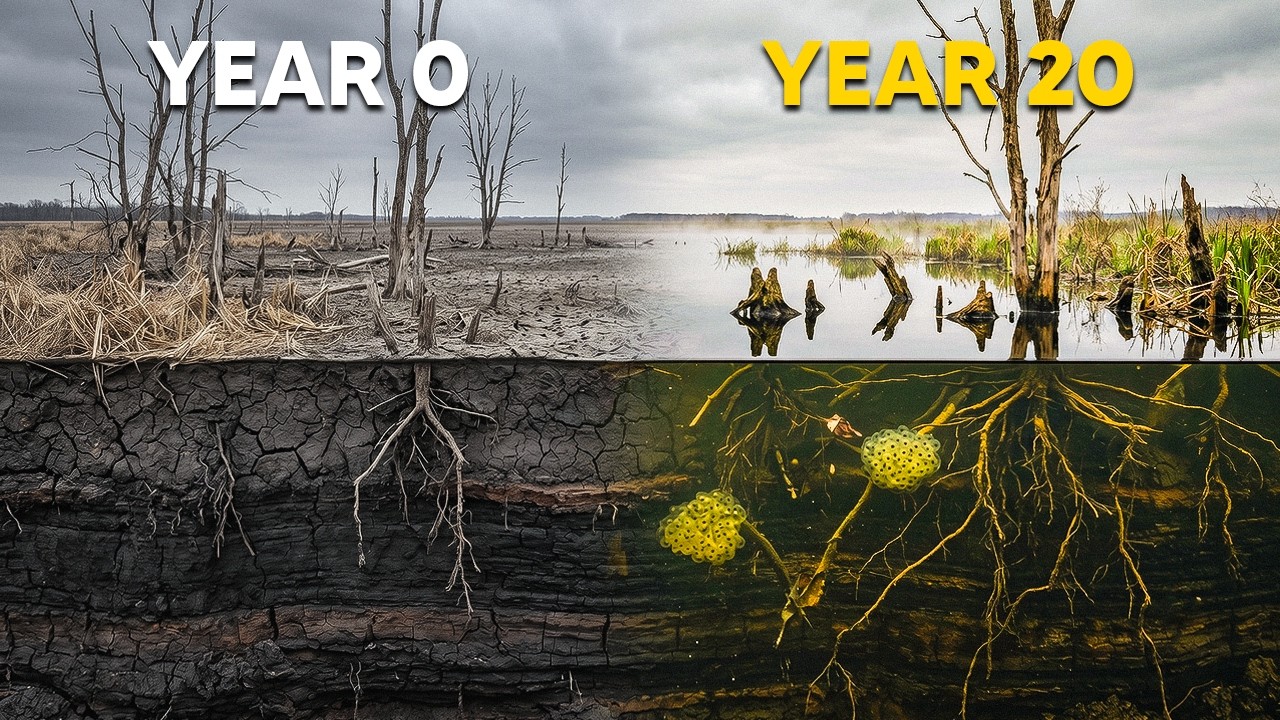
Nine thousand years of untouched swamp history vanished when the land was drained 260 years ago, and now the controversial decision to flood it again is finally underway. The massive restoration project aims to reverse generations of damage, reconnecting the land to its original waterways and reviving long-lost habitats.
In August 2011, Hurricane Irene delivered 12 inches of rain onto an active wildfire in Virginia’s Great Dismal Swamp. The fire, already burning for weeks, continued for a total of 111 days, smoldering beneath the floodwater. The rain could not reach the fire because the fire was not burning on the surface. It was burning inside the peat soil itself.The Great Dismal Swamp is a peatland on the Virgi…
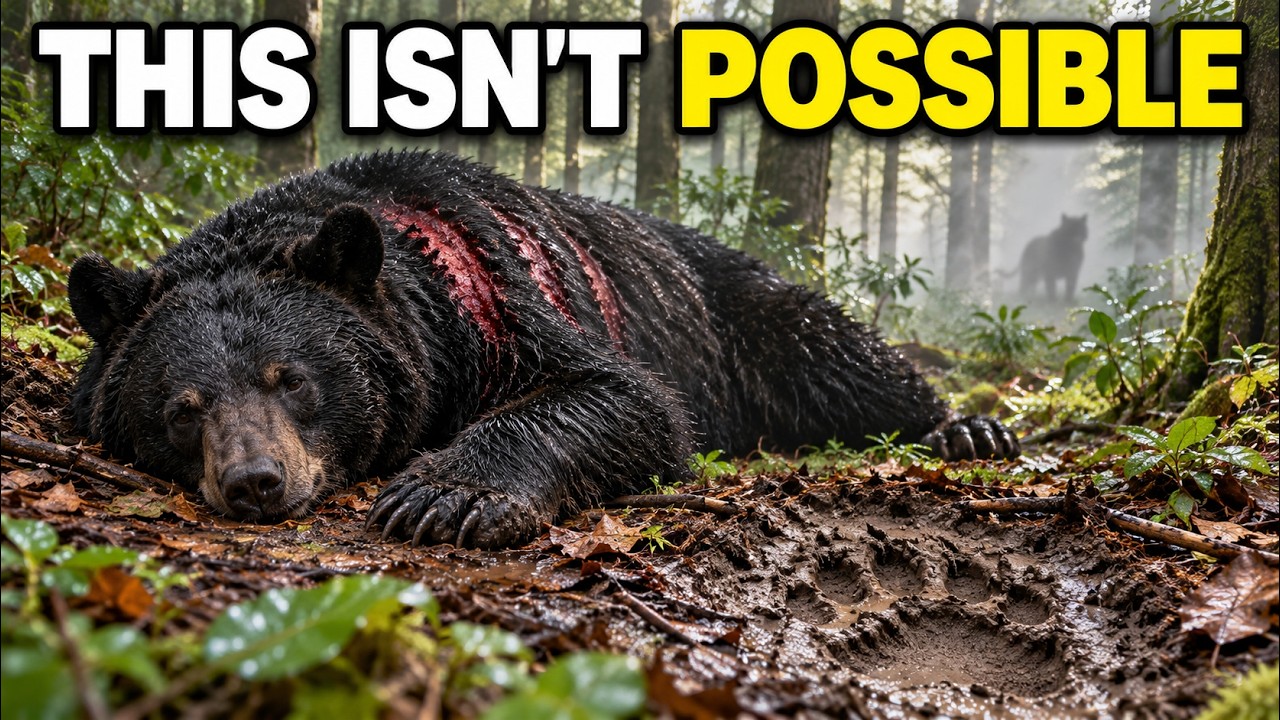
Biologists tracking black bears in the Smoky Mountains finally caught something on camera that they say changes everything they understood about the region’s top predator. For years, researchers assumed adult bears had no natural enemies, standing unchallenged at the top of the food chain.
For several years, biologists monitoring black bears in the Great Smoky Mountains National Park noticed a pattern in their data that they could not explain. Subadult male bears, typically two to four years old, were disappearing at rates higher than the baseline data predicted. The known causes of bear mortality in the park, such as vehicle collisions and human conflict, did not account for the lo…

He slithered through swamp water, but Florida wildlife officers now warn this hunter does not chase rodents—it stalks humans. The invasive species, initially dismissed as another python threat, has triggered a statewide alert after documented encounters near residential canals.
In 2016, genetic testing confirmed that Nile crocodiles, a species not native to the Americas, had established a breeding population in the Florida Everglades. The discovery marked the end of a years-long investigation that began with sightings of unusually aggressive crocodilians in canals south of Miami. Researchers concluded that the animals were descendants of specimens brought into the state…
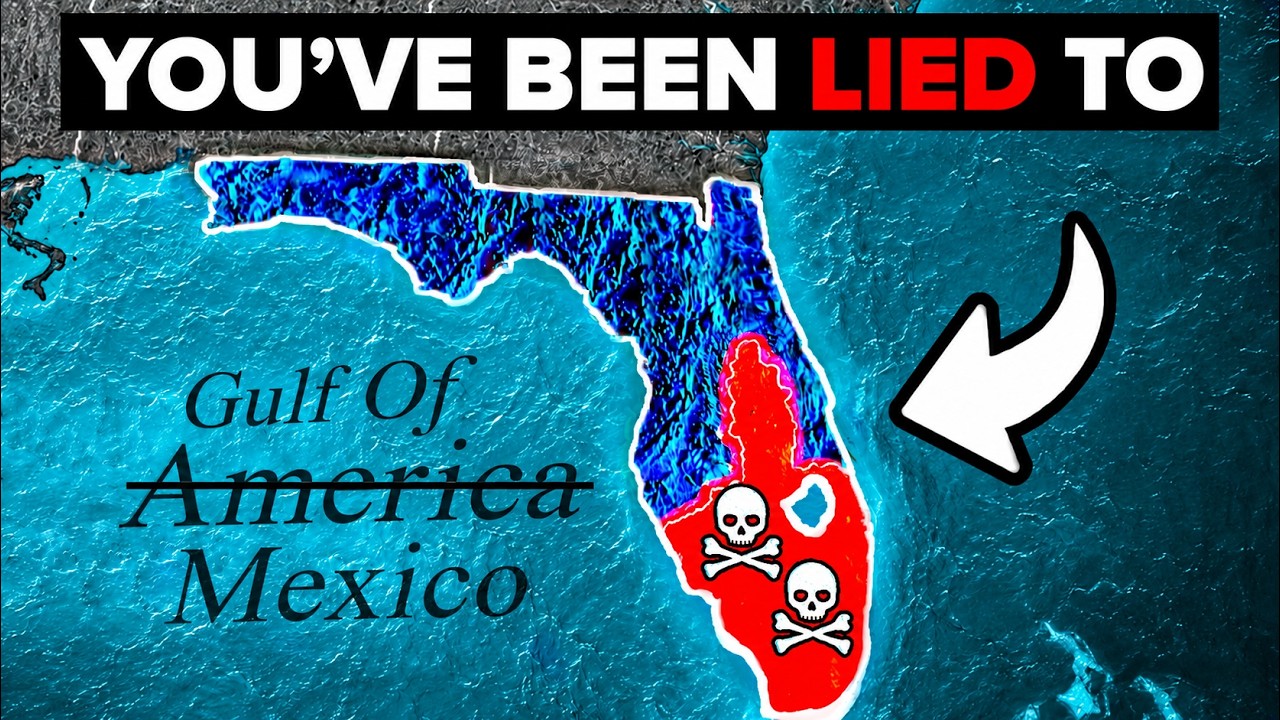
A mysterious force is devastating Florida’s Everglades, and the culprit has wildlife experts bracing for an ecological disaster. Pythons, invasive predators that can grow over twenty feet long, are strangling the natural food chain, and state officials have declared an all-out war.
The Everglades, a vast wetland at the southern tip of Florida, is often described as a swamp, but it is technically a slow-moving river. The area is a complex ecosystem shaped by a unique set of conditions, and its history includes both natural phenomena and human intervention.The region is the only place on Earth where American alligators and American crocodiles share the same habitat. Alligators…

England released four bison into a dead forest, and what the animals did with bark and hooves stunned researchers. The rewilding project dropped the giants into woodland that had lost nearly all its trees, leaving an empty, silent landscape.
In July 2022, England released four European bison into West Blean and Thornden Woods near Canterbury, marking the first time wild bison had roamed Britain in 6,000 years. A bull joined the three females a few months later, but the females had already begun altering the landscape on their own. Within hours, the matriarch pushed through a thicket of rhododendron and stripped bark from a willow tree…