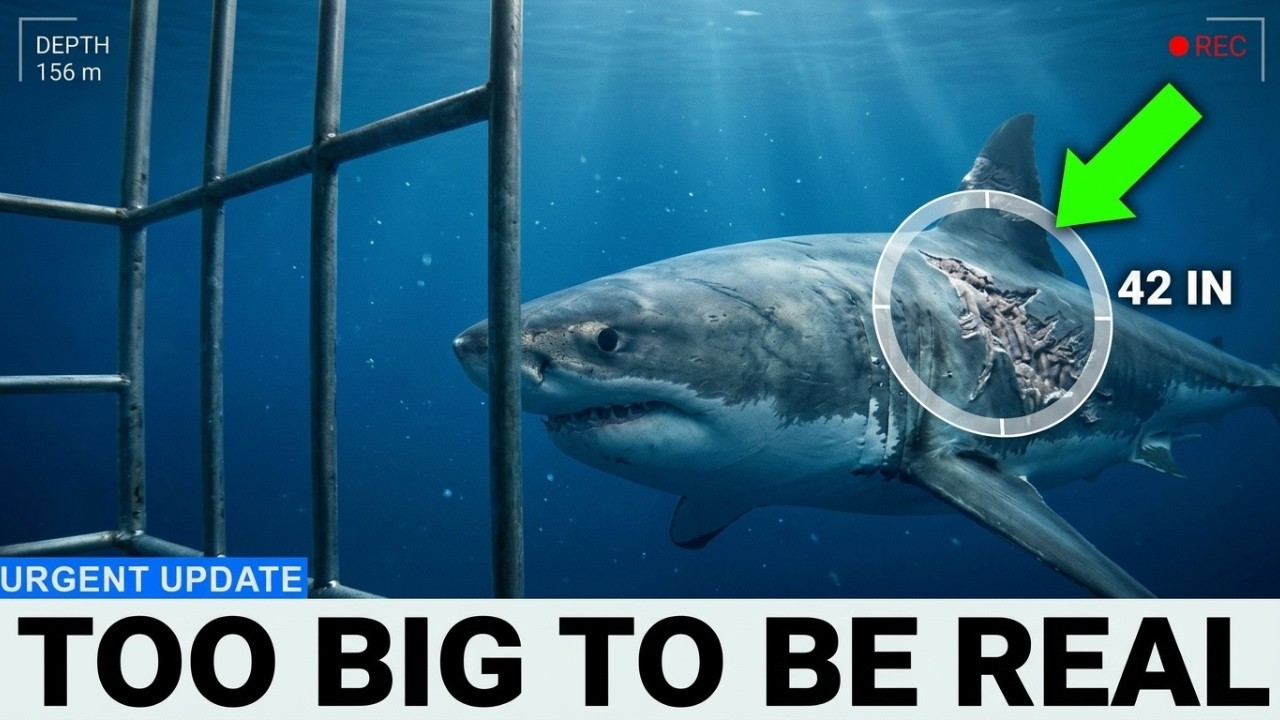
A great white shark was found torn apart, and its bite marks pointed to something far larger lurking beneath. The massive predator, already an apex of the ocean, had been ripped open in a way experts couldn’t immediately explain.
Scientists studying great white sharks off Guadalupe Island, approximately 150 miles from the coast of Baja California, Mexico, documented an unusual injury on an adult female shark in 2024. The roughly 15-foot shark carried a large, healed circular scar around her torso, just behind the pectoral fins. The wound measured about 42 inches across, a size larger than the shark’s own head from snout to…
A nine-foot great white shark’s tracking tag washed ashore months after it vanished, revealing the predator had been eaten whole—but by what? The signal pointed to something far larger, and researchers followed the tag’s data deep into uncharted waters where the trail suddenly went cold.
In 2003, researchers studying great white sharks off the southern coast of Australia recovered a data tag that had washed ashore. The tag had been attached to a nine-foot great white several months earlier as part of a routine tracking study. When the data was analyzed, it showed that the shark had died after being consumed by a larger animal.The tag’s readings showed an abrupt dive from shallow w…
Scientists finally identified what swallowed a great white shark whole, and the discovery is disturbing. The predator vanished without a trace, its tracking tag abruptly going silent after years of consistent data.
In 2003, a research team off the southern coast of Australia attached an electronic tag to a female great white shark. The shark was an adult, roughly nine feet long, and in good health. After tagging, she was released and swam back into open water. Four months later, the tag washed ashore hundreds of kilometers away. When researchers downloaded its data, they found the tag had recorded a rapid te…
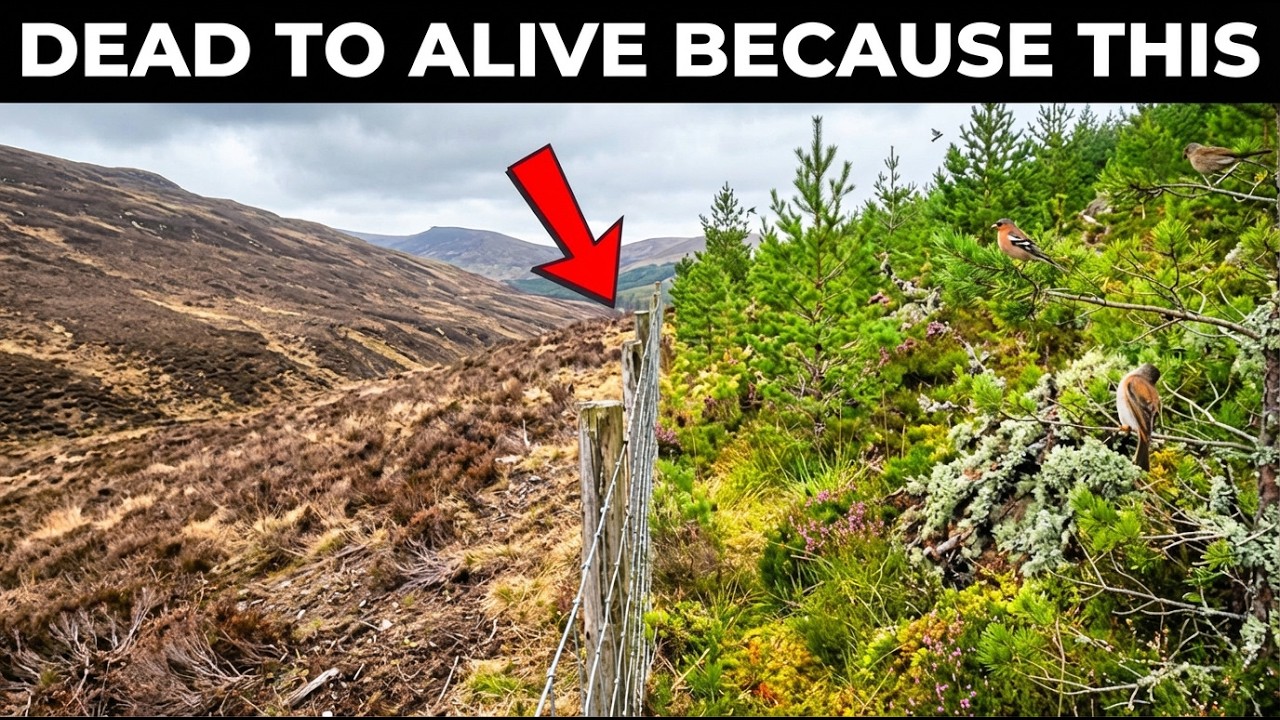
Scotland built a hidden fence around a long-dead forest, sealing an entire grove off from the world. The area had decayed for decades, with trees reduced to skeletal gray husks, and officials kept the site strictly closed to the public.
For roughly two centuries, no new trees took root across parts of the Scottish Highlands. Ancient Scots pines, some carrying a lineage that stretches back 9,000 years, stood in moors grazed by nearly a million deer. Then researchers built a fence to keep deer out of one area. With no planting, seeding, or soil treatment, one side of the fence turned into a dense young forest within a few years. Th…
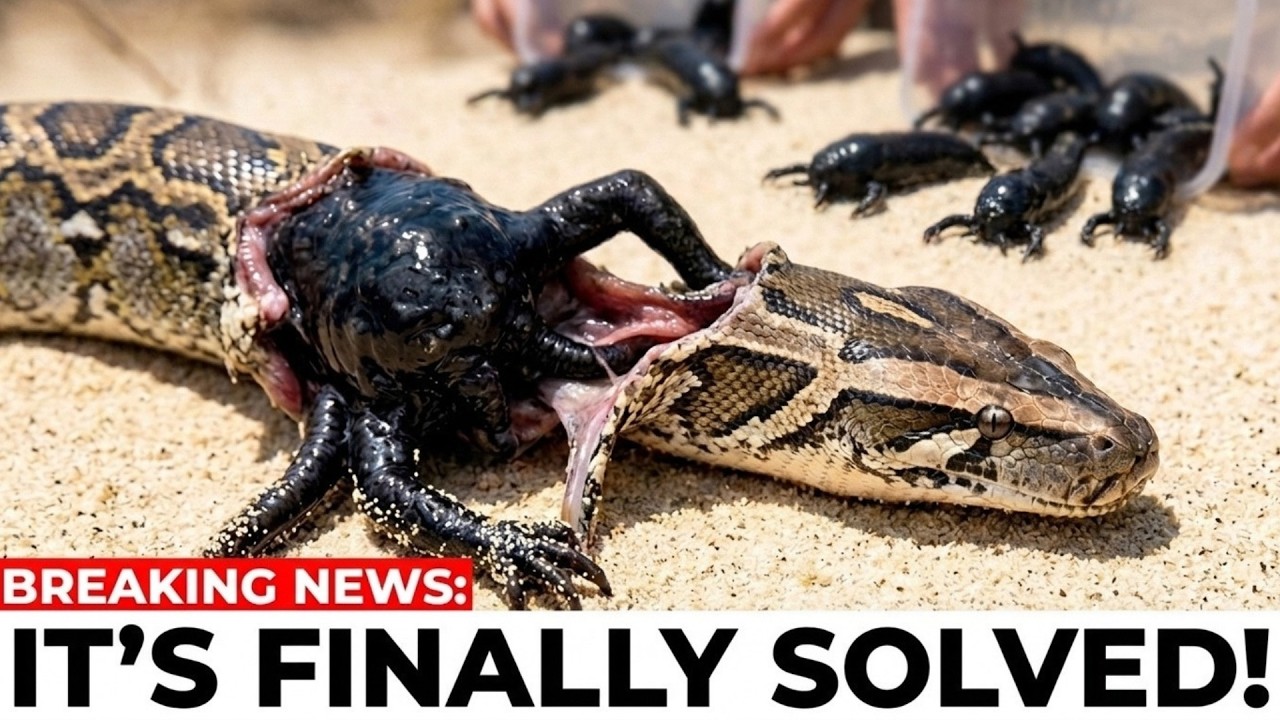
Florida’s new snake killer swapped guns for a far more personal method with pythons, and wildlife officials are already alarmed. The hunter began abandoning lethal tactics entirely, instead tracking massive invasive snakes deep into the Everglades to handle them live.
Florida’s Everglades are home to an estimated 300,000 Burmese pythons, an invasive species that has significantly reduced populations of native mammals such as raccoons, opossums, and marsh rabbits. However, in Big Cypress National Preserve, some young pythons are being killed by native predators, including alligators, cottonmouths, and other mammals.One notable case involved a juvenile python tha…
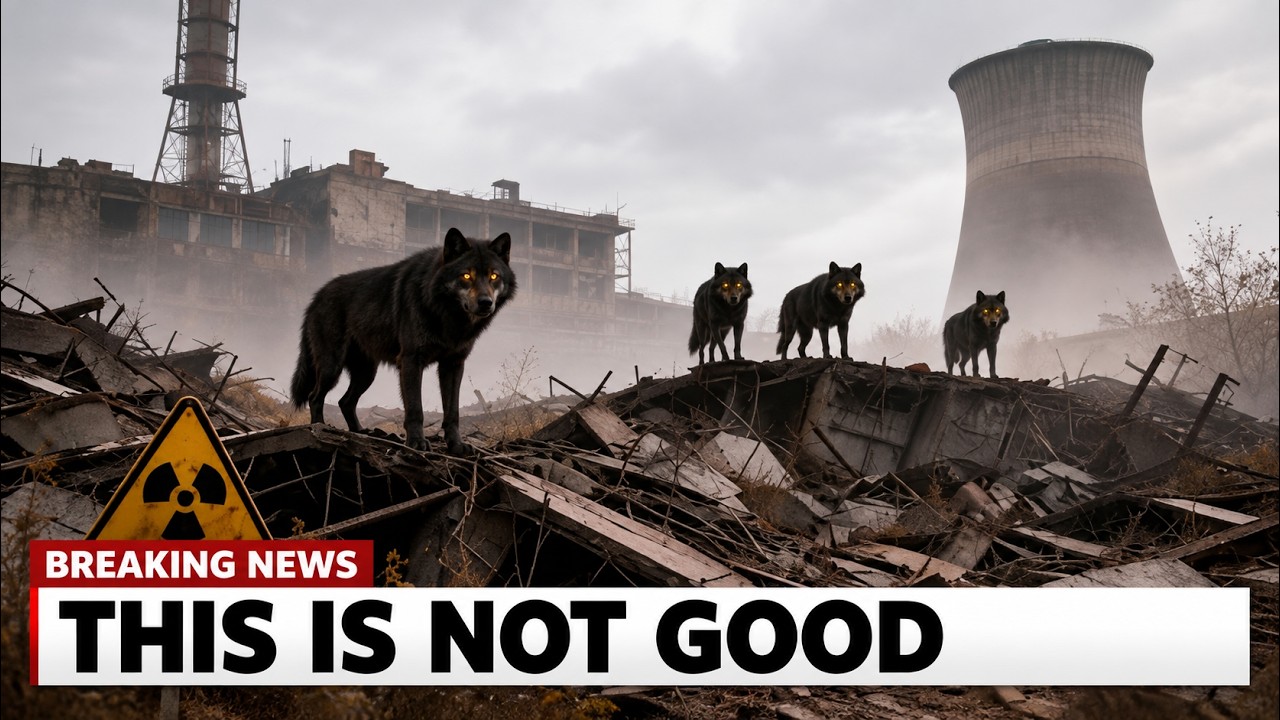
Scientists set up cameras in the Chernobyl Exclusion Zone expecting ghosts of the past—but captured something entirely different. Wildlife supposedly missing from the region for a century has returned, and the footage is reshaping what experts believed about the disaster’s aftermath.
The Chernobyl Exclusion Zone, a 2,600-square-kilometer area of Ukraine and Belarus, was not created as a nature reserve. It came into existence after the reactor explosion at the Chernobyl Nuclear Power Plant in April 1986 forced the evacuation of about sixty thousand people. The disaster killed two plant workers directly and caused the deaths of twenty-eight emergency responders within weeks from…

They released just 30 predators onto the island, then the snakes started vanishing. Wildlife teams had spent years battling an invasive serpent plague that was devastating native birds, so the plan seemed bold but logical.
In 1979, Japan released approximately 30 small carnivores on a remote island with the intention of controlling a venomous snake population. The animals were mongooses, known for their speed and partial resistance to snake venom. The plan appeared to work initially, as snakebite rates declined in the years that followed. However, the mongooses were not responsible for the reduction.The island in qu…
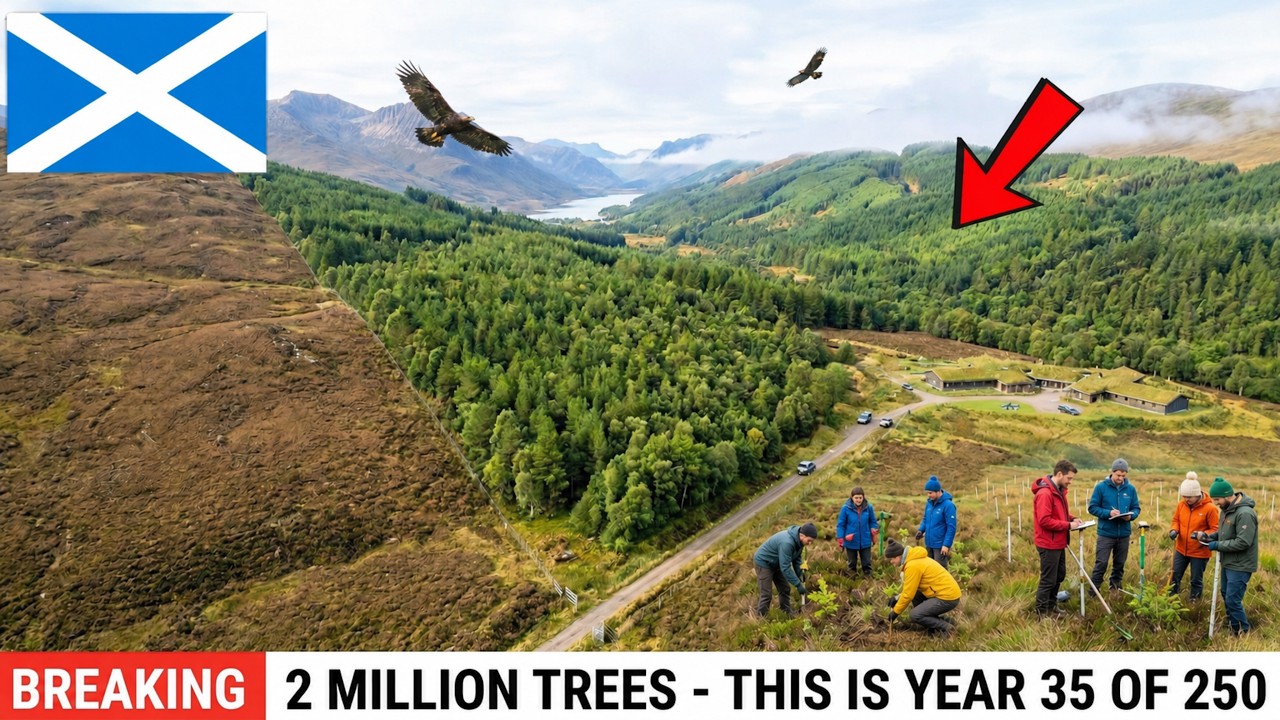
Thirty-five years after Scotland planted two million trees on a desolate Highland estate, something extraordinary returned to the landscape. The barren moor, once stripped bare by centuries of grazing, was transformed into a thriving ancient forest.
In 1991, volunteers in northern Scotland planted some of the first new trees to grow in parts of the Caledonian forest in two centuries. The work was part of a 250-year restoration plan announced by Alan Watson Featherstone in 1986. Over the following decades, more than two million native trees were planted across dozens of sites in a Highland landscape that had been treeless for so long that many…
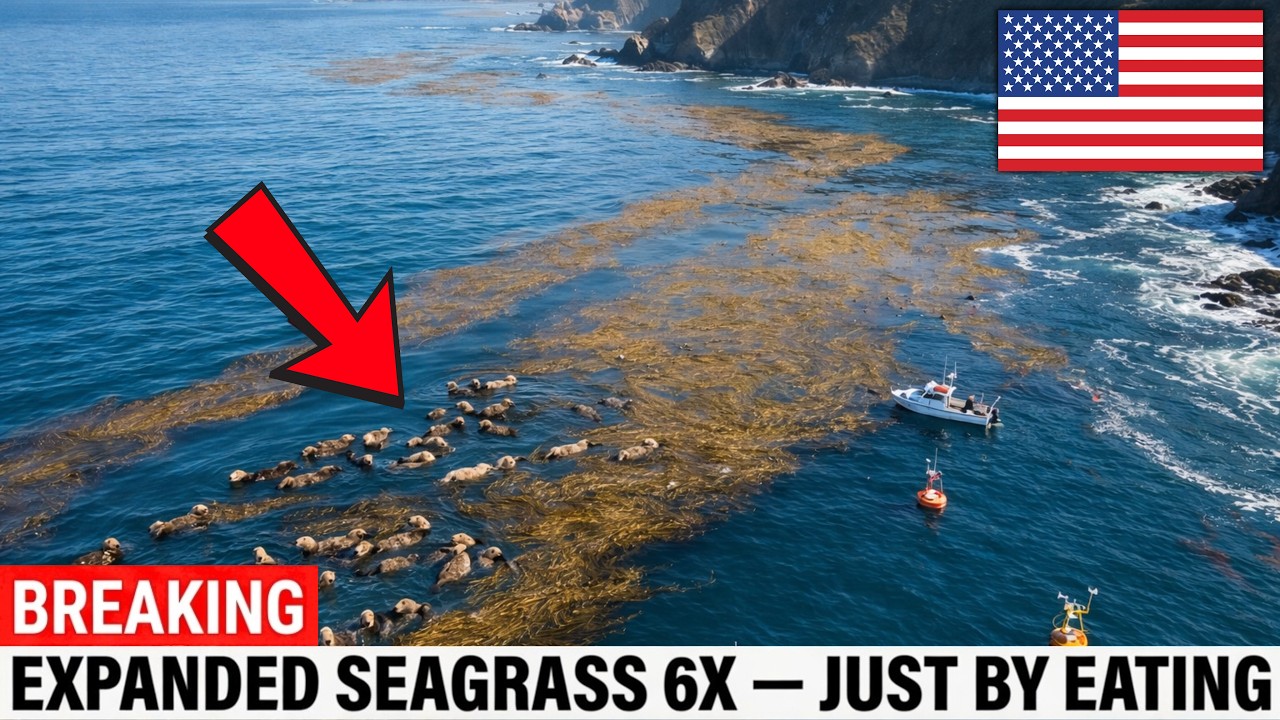
California put 37 orphaned sea otters into a supposedly dead bay, hoping they might somehow survive. For fifteen years, the experiment seemed to vanish without a trace.
In 2002, the Monterey Bay Aquarium released an orphaned sea otter pup into Elkhorn Slough, a degraded California estuary north of Monterey Bay. The pup had been raised by a non-releasable female otter named Toola, who had adopted it inside the aquarium’s exhibit tank. Over the next 14 years, 36 more orphaned pups followed the same path. Stranded on California beaches, rescued within days of birth,…
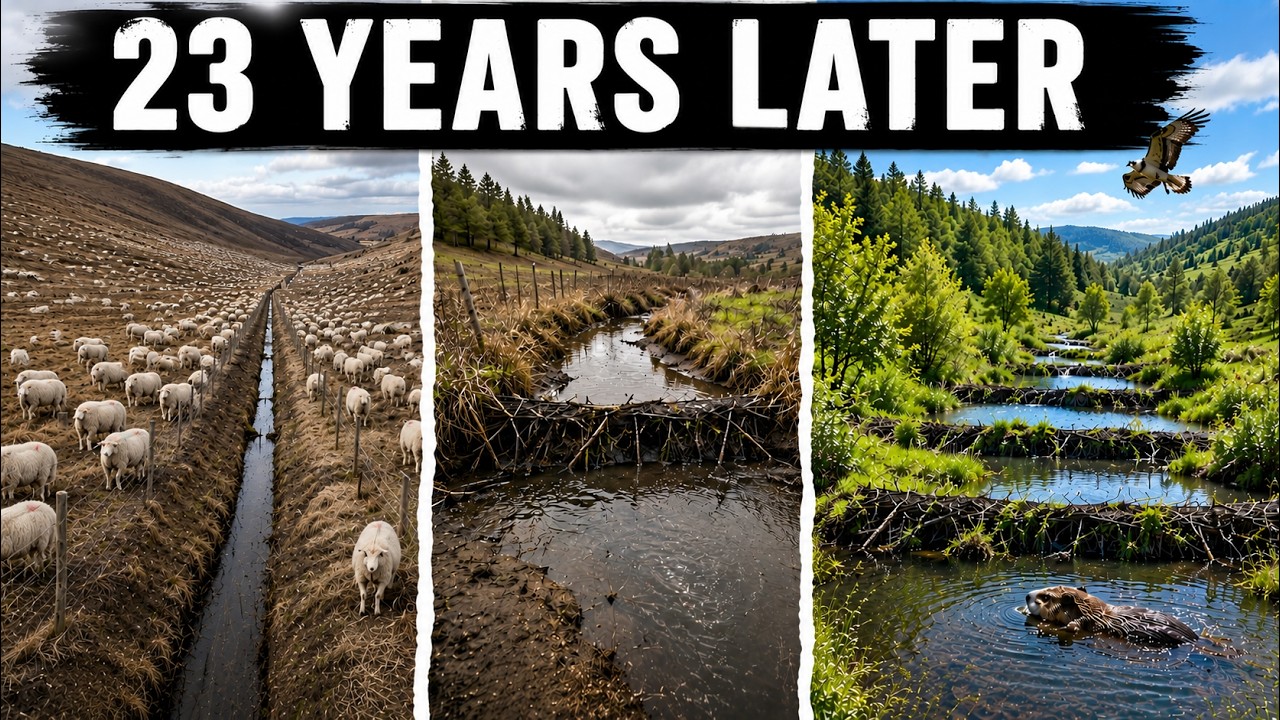
For 23 years, one Scottish family traded sheep for beavers, and the results stunned researchers. Their land, once overgrazed and barren, transformed into thriving wetlands that now support a complex web of wildlife.
In early 2002, Paul and Louise Ramsay released a pair of beavers into a drainage ditch on their family estate in northeastern Perthshire, Scotland. The estate had been in the Ramsay family since 1232, when King Alexander II granted the land to an ancestor. The beavers, a species extinct in Britain for nearly 400 years, were released without government permission.The first two animals died within m…