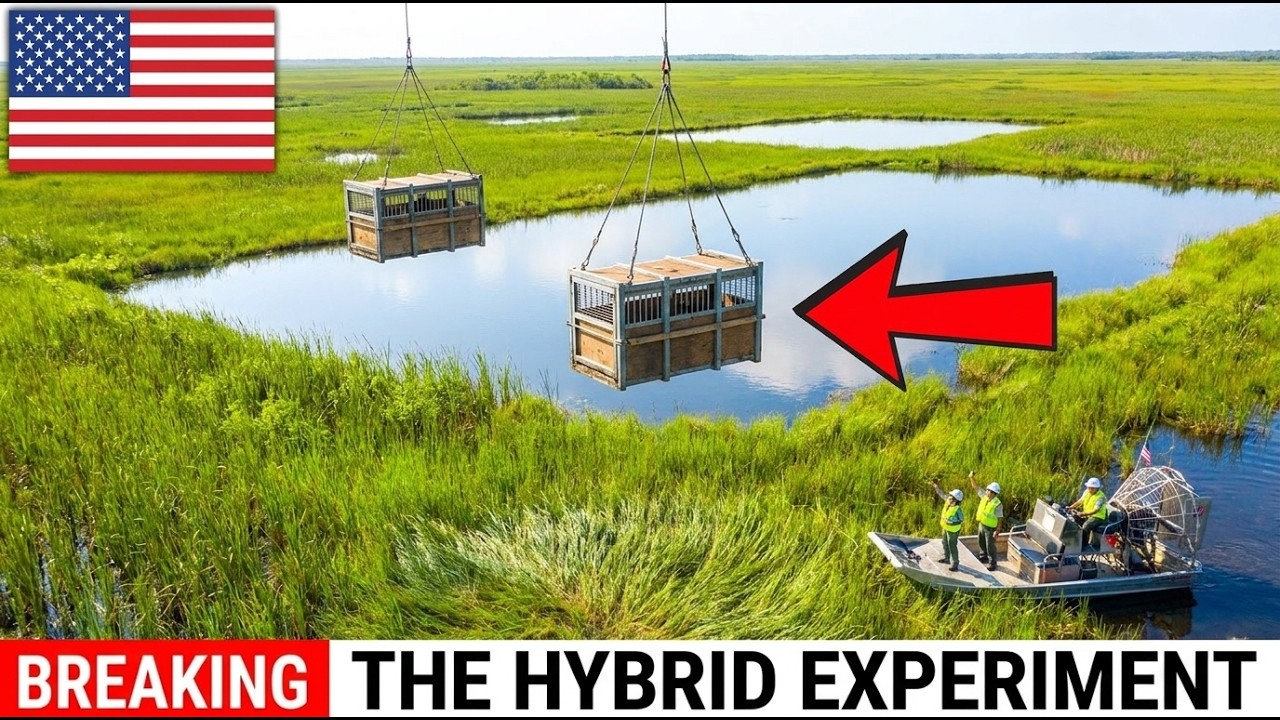
Florida crossed eight Texas cougars with cats related to 26 dying Florida panthers—and the move triggered an unexpected fight. Critics warned the hybridization would destroy the panther’s unique genetic identity.
In the early 1990s, fewer than 30 Florida panthers remained in the wild, concentrated in the swamps west of Miami. The population was genetically isolated and showed clear signs of inbreeding collapse, including heart defects, reproductive abnormalities, and low genetic diversity. A 1992 study estimated a 95 percent chance the subspecies would be extinct within two decades.In response, state and f…
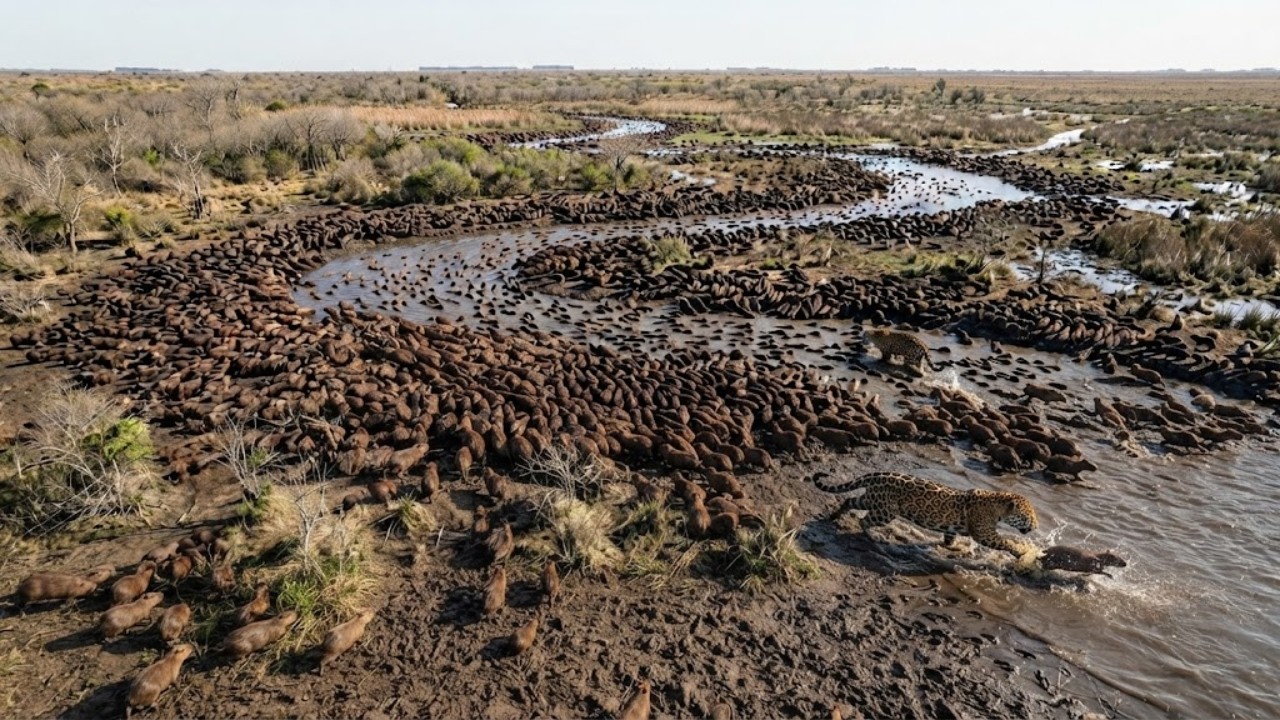
Argentina released three jaguars into a capybara-filled swamp as a bold rewilding experiment, hoping to restore a predator missing for decades. The big cats adapted faster than anyone predicted, hunting prey and breeding successfully in the dense marshlands.
In January 2018, a camera trap on San Alonso Island in Corrientes Province, Argentina, recorded footage that the research team had to review twice before acknowledging what it showed. Two jaguar cubs, alive and moving, had been born on Argentine soil for the first time in nearly 70 years. The field manager watched the clip four times before sending it to the team. She attached no text to the messa…
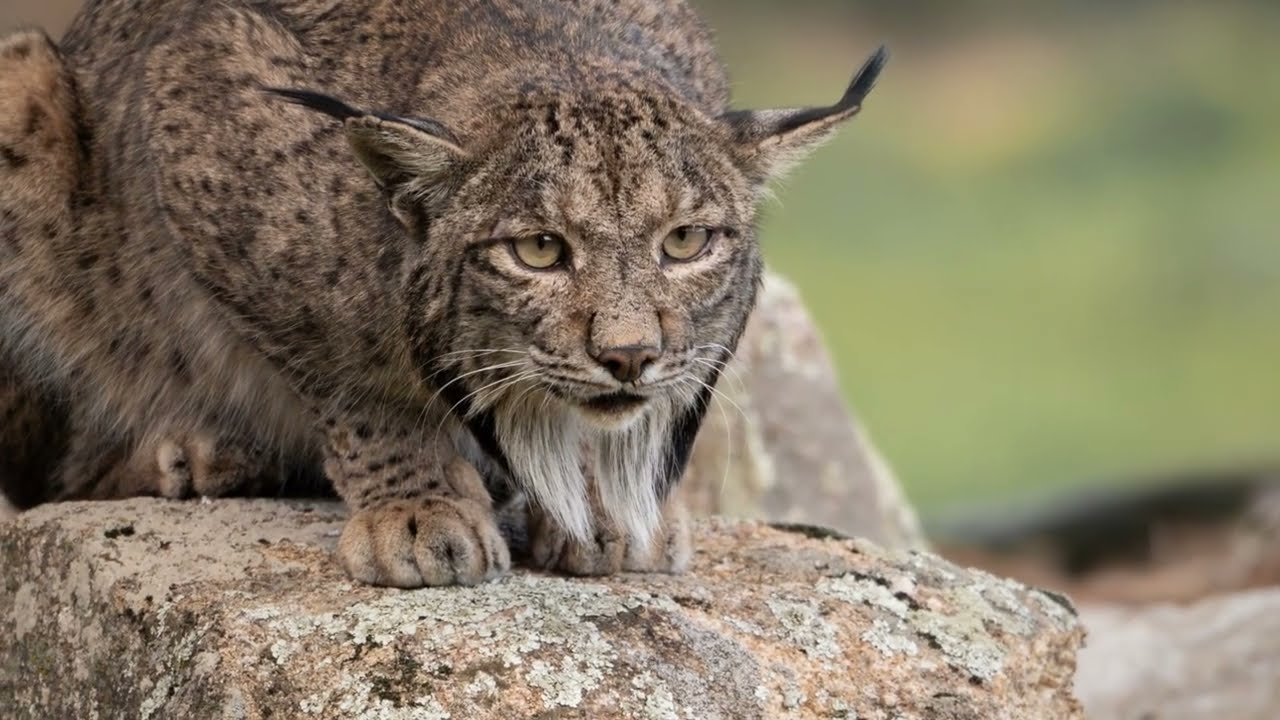
Spain just returned its final 62 captive-bred lynx to the wild, aiming to rescue a species once pushed to the brink. Conservationists hoped these carefully raised cats would finally establish themselves in territories where they had vanished entirely.
The Iberian lynx came close to disappearing entirely between the late 1980s and the early 2000s. Two disease outbreaks had devastated its primary food source, the European rabbit, across most of the Iberian Peninsula. By 2001, the lynx population had fallen to 62 mature adults, with 25 breeding females, confined to two isolated areas in southern Spain.For more than a million years, the lynx had se…
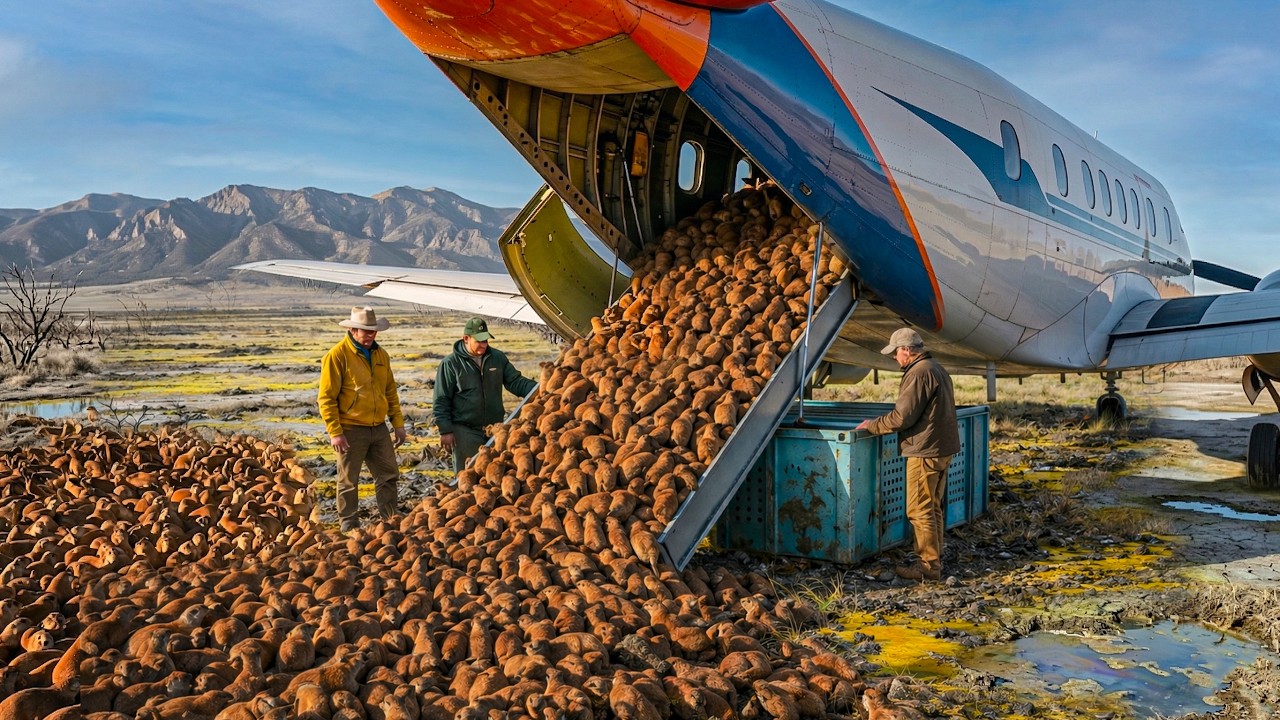
Colorado released thousands of prairie dogs into a chemical wasteland, and the mission took a wild turn. The relocation was meant to save the species from extinction, yet activists insisted the animals were being sent to a toxic site that could spell disaster.
In 1989, wildlife managers released 714 prairie dogs onto a former chemical weapons production site roughly 10 miles outside Denver. The land, part of the Rocky Mountain Arsenal, had been contaminated by decades of industrial activity and was considered biologically dead. The prairie dogs were introduced with a modest goal: to stabilize the soil and reduce dust. Their effect, however, went far bey…

California released 37 orphaned sea otters into a bay scientists had already written off as dead — a desperate experiment that few believed could work. For fifteen years, the marine ecosystem showed no obvious signs of recovery, and experts quietly assumed the otters had vanished.
In 2001, biologists in California took 37 orphaned sea otter pups that had been found sick or stranded along the coast and released them into Elkhorn Slough, an estuary about 20 miles north of Monterey Bay. At the time, the site was in poor condition: more than half of its marshland had eroded since the 1950s, algae blooms were choking the eelgrass, and burrowing shore crabs were destabilizing the…
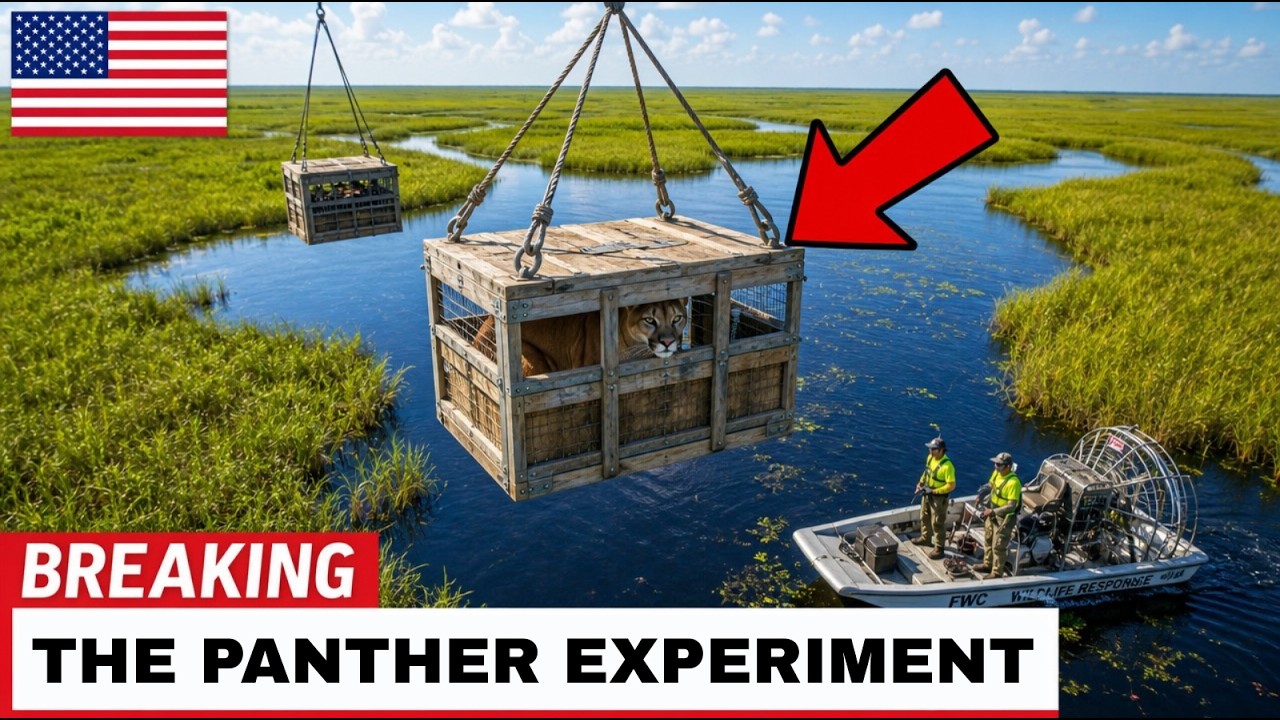
Florida released eight Texas pumas into its collapsing panther population, a desperate move to save a species on the brink. Within weeks, something impossible appeared in the genetic data, challenging everything scientists believed about the big cats’ survival.
By the early 1990s, fewer than 30 Florida panthers remained in the wild, the last survivors of a cat that once ranged across the American Southeast. The population was in serious trouble. Nearly every male carried a genetic defect affecting fertility, and many kittens were born with heart problems. Geneticists estimated a 95% chance the animal would be extinct within 20 years.The response involved…
Invasive Burmese pythons have caused severe declines in mammal populations across the Florida Everglades, and wildlife managers have considered a drastic response modeled on a successful eradication
Invasive Burmese pythons have caused severe declines in mammal populations across the Florida Everglades, and wildlife managers have considered a drastic response modeled on a successful eradication program in Guam. That program involved dropping thousands of medicated dead mice from helicopters, a method that proved effective on Guam but faces significant obstacles in Florida.The python invasion…

After lightning-sparked wildfires swept through the sawgrass prairies of Everglades National Park, researchers and park staff walking the charred ground encountered something they had not expected
After lightning-sparked wildfires swept through the sawgrass prairies of Everglades National Park, researchers and park staff walking the charred ground encountered something they had not expected based on decades of official surveys. The fires had burned away the dense grassy cover that had concealed the landscape for years, and the exposed earth revealed an invasive predator present in numbers f…
Florida has spent years trying to address its Burmese python problem, and the results have been limited. Since 2017, state agencies, contractors, and licensed hunters have removed more than 10,000
Florida has spent years trying to address its Burmese python problem, and the results have been limited. Since 2017, state agencies, contractors, and licensed hunters have removed more than 10,000 pythons from the wild. The state’s annual Python Challenge sends hundreds of people into the marshes, though each event typically yields between one and 200 snakes. Professional trappers work along levee…
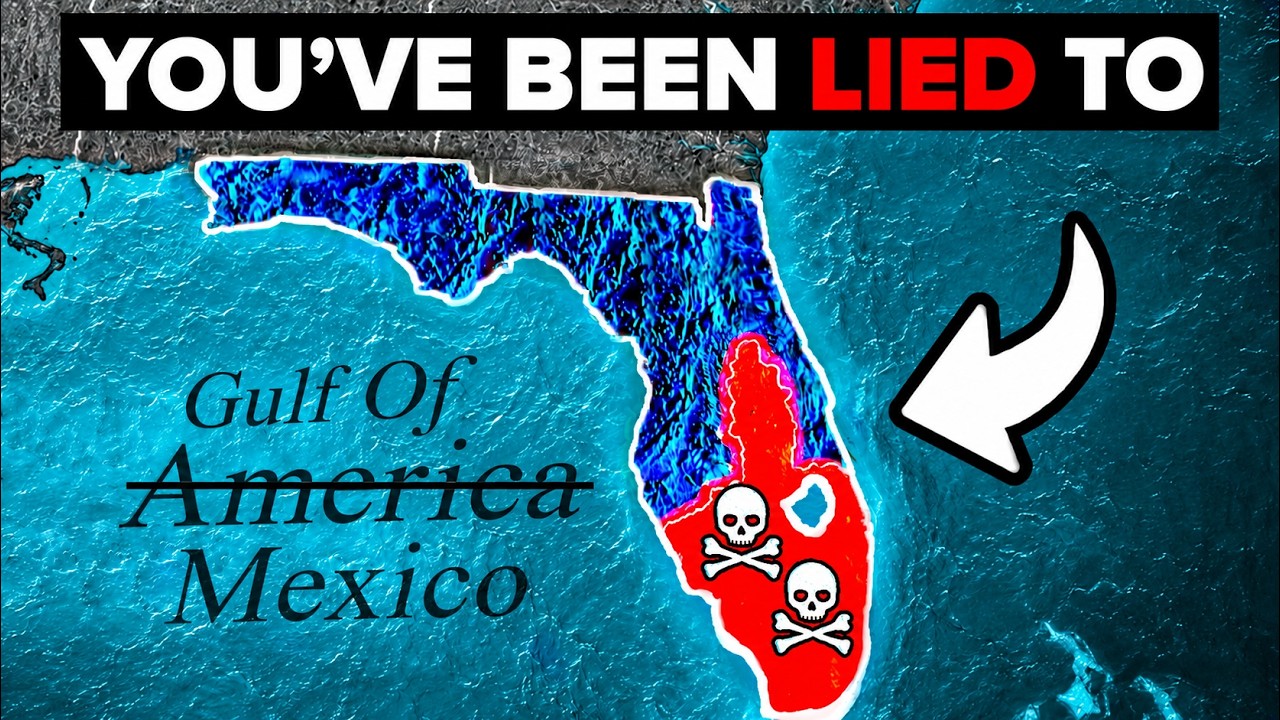
The Everglades is commonly described as a swamp, but it is more accurately a slow-moving river roughly 60 miles wide and only inches deep, flowing from Lake Okeechobee to Florida Bay. This
The Everglades is commonly described as a swamp, but it is more accurately a slow-moving river roughly 60 miles wide and only inches deep, flowing from Lake Okeechobee to Florida Bay. This 18,000-square-mile system is the only place on Earth where wild alligators and crocodiles share the same water, with about 200,000 alligators in the freshwater marshes and roughly 2,000 crocodiles along the salt…