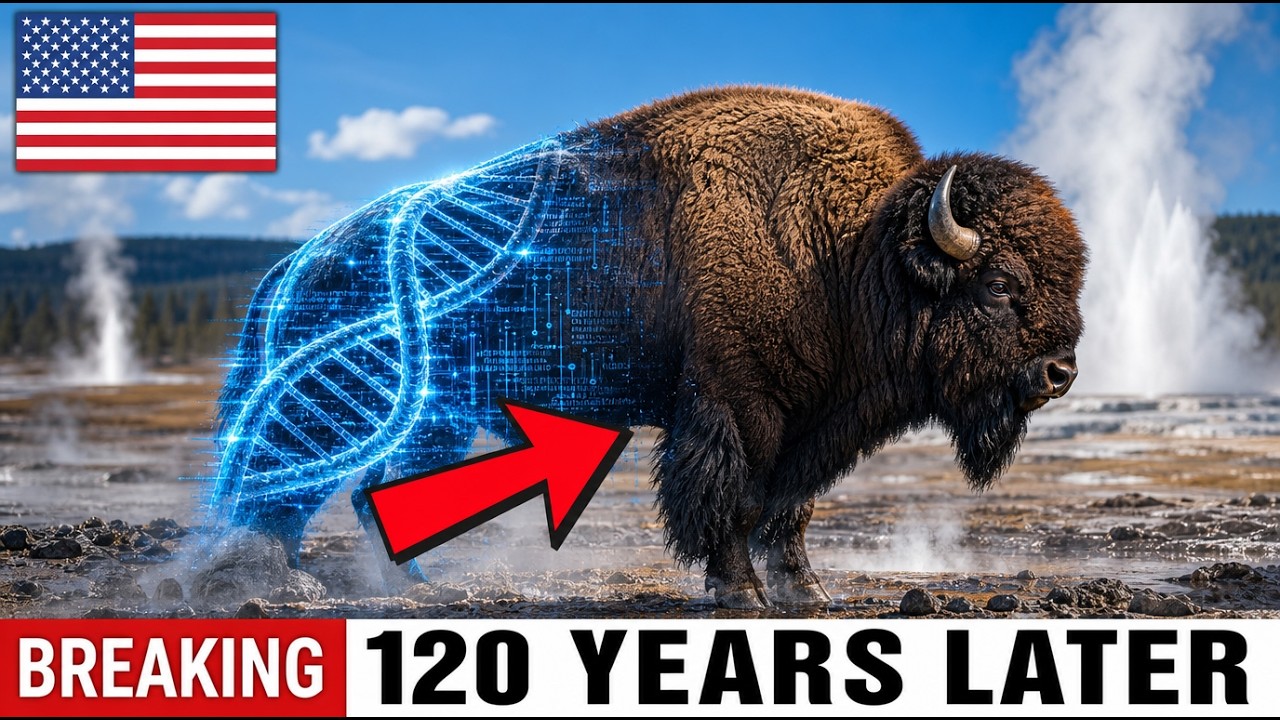
In 2022, a team of geneticists at Texas A&M University completed a study that changed how scientists understand the genetic history of the American bison. The researchers sequenced the genomes of
In 2022, a team of geneticists at Texas A&M University completed a study that changed how scientists understand the genetic history of the American bison. The researchers sequenced the genomes of bison from major historical lineages and compared them against the genomes of domestic cattle, searching for traces of cattle DNA. They expected to confirm that certain herds with documented histories of…
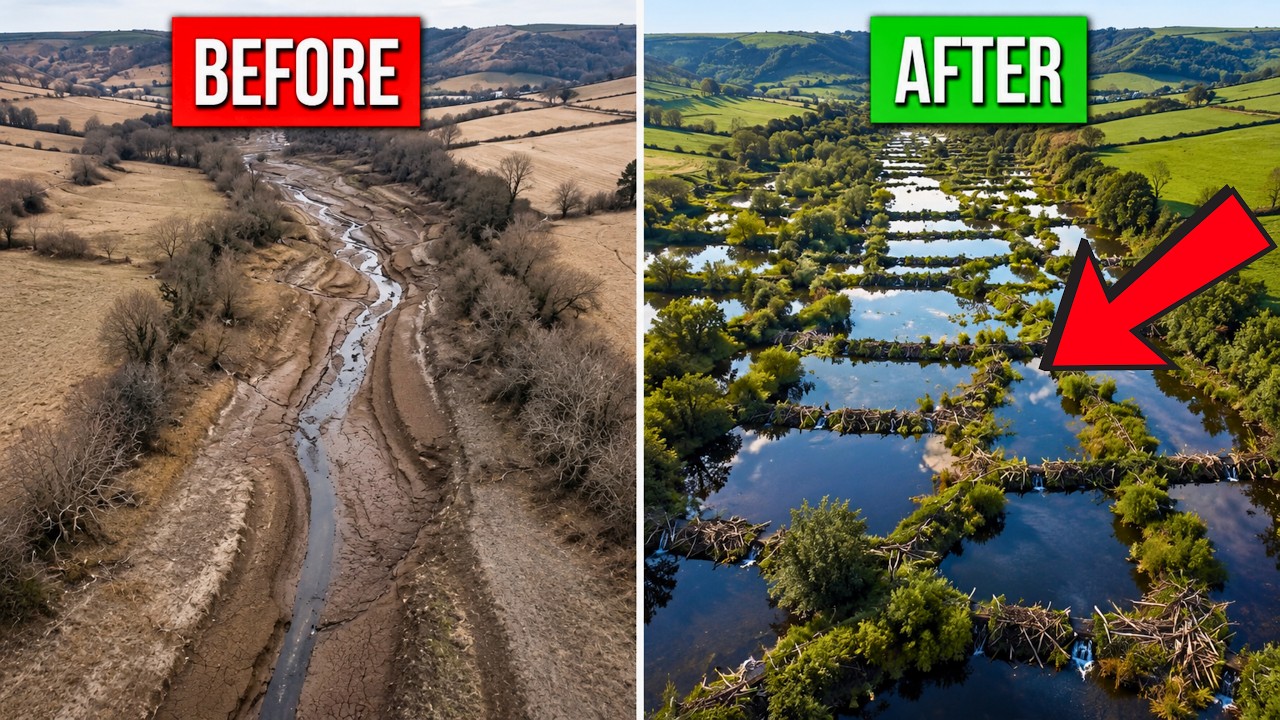
England released eight beavers onto a dying river, hoping they could rescue its collapsing ecosystem. Five years later, the results stunned everyone—but not in the way scientists predicted.
In 2014, the British government learned that wild beavers had been living and breeding on the River Otter in Devon. Their origin was unknown. The government initially planned to remove them, but a wildlife charity successfully proposed monitoring them instead. Eight beavers were released back onto the river as part of a five-year experiment. The changes they brought to the water, wildlife, and sur…
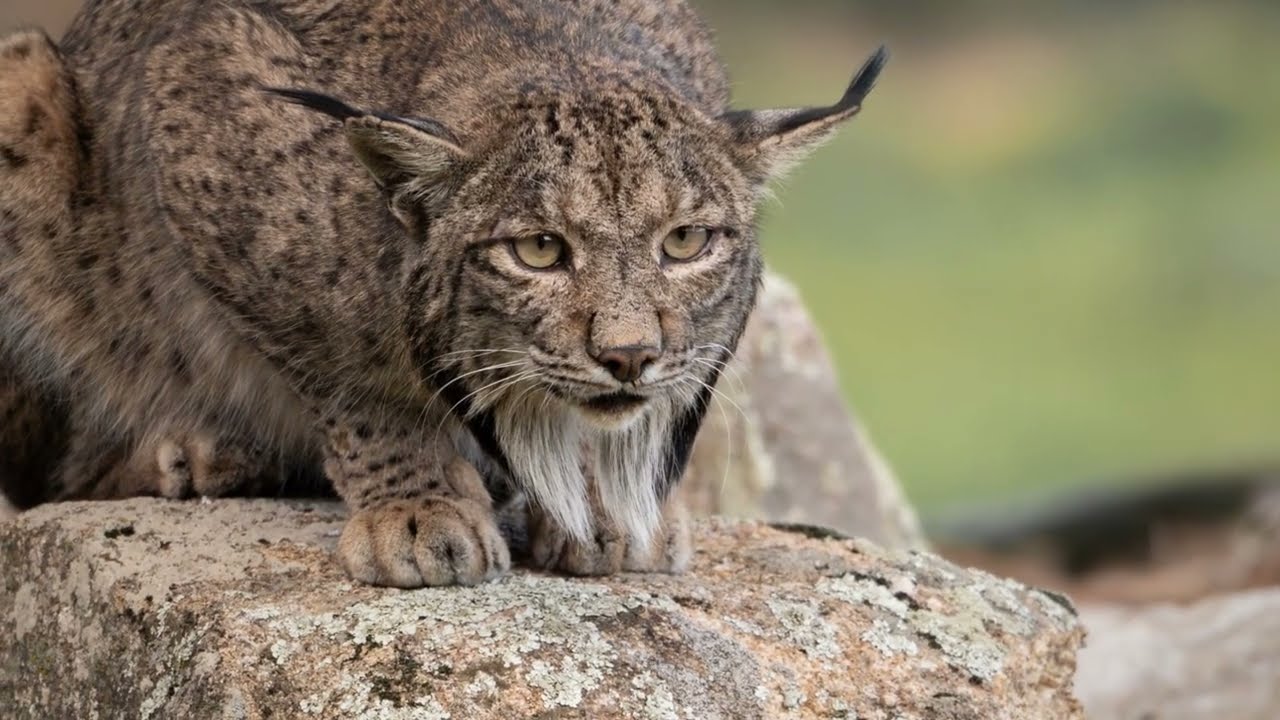
Spain released its final 62 lynx into the wild, hoping to rescue a species once on the brink of extinction. The animals vanished from the country decades ago, and these releases marked the last chance to rebuild a wild population from nothing.
By the early 2000s, the scrublands of southern Spain had lost a critical part of their ecological structure. Two viral outbreaks, spread largely through human activity, had nearly eliminated the European rabbit from the Iberian Peninsula. That loss had severe consequences for the region’s wildlife, particularly for the Iberian lynx, a predator that depends almost entirely on rabbits for food.The I…
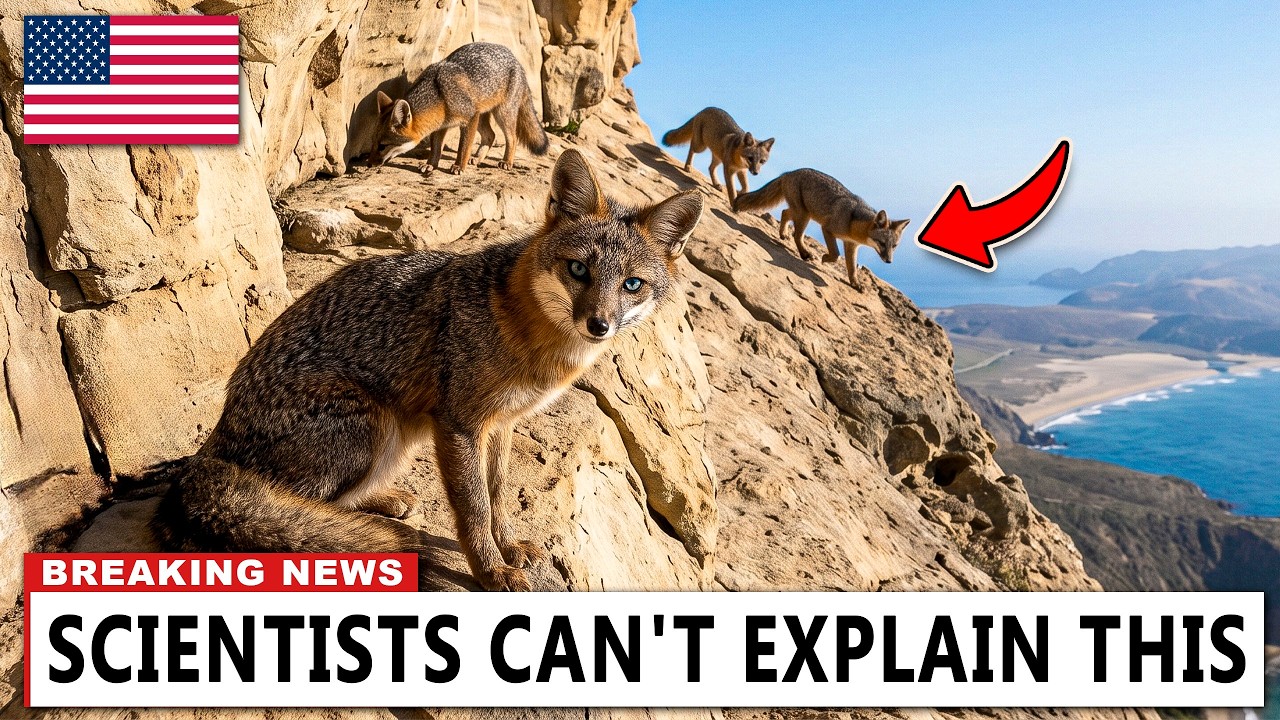
California found just 15 foxes left on one island, teetering on the brink of total extinction. Wildlife rescuers scrambled to save the species from disappearing forever, launching an urgent breeding program in the remote wilderness.
In 1994, approximately 450 island foxes lived on San Miguel Island off the California coast. Five years later, only 15 remained. Graduate student Gary Roemer began finding fox carcasses on neighboring Santa Cruz Island during his research there. Over two years, he found 21 dead foxes, 19 of them with similar wounds indicating predation from above.The island fox, about the size of a house cat, live…
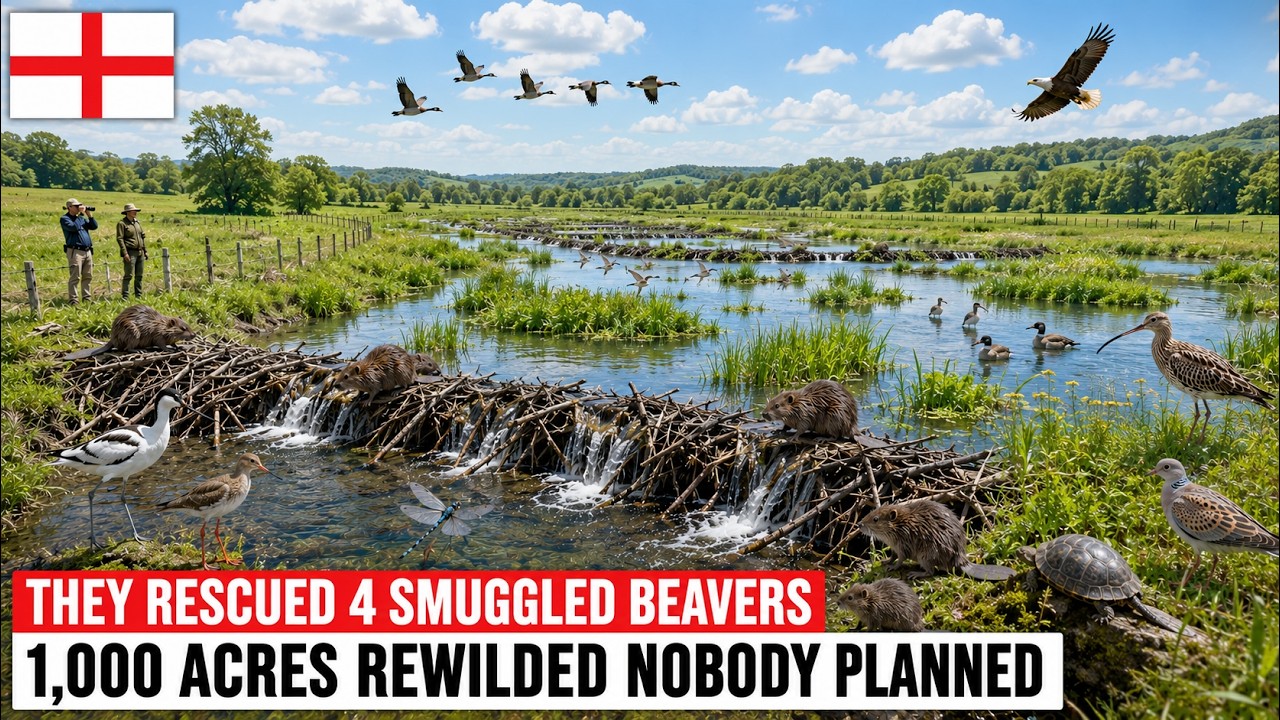
England bought the land for £425,000 after it was declared the deadest farm in the country, barren after decades of intensive farming. But instead of replanting crops, they introduced four beavers to a thousand acres, letting nature take over.
In 2021, Dominic Buscall had spent two years restoring wildlife at Wild Ken Hill when a trail camera in the marsh recorded a young beaver moving through water his parents had created in wetland once marked as farmland on old survey maps. The last confirmed beaver born in Norfolk lived before the reign of Elizabeth I. Buscall’s family had farmed these fields for 150 years, and no one in Norfolk had…
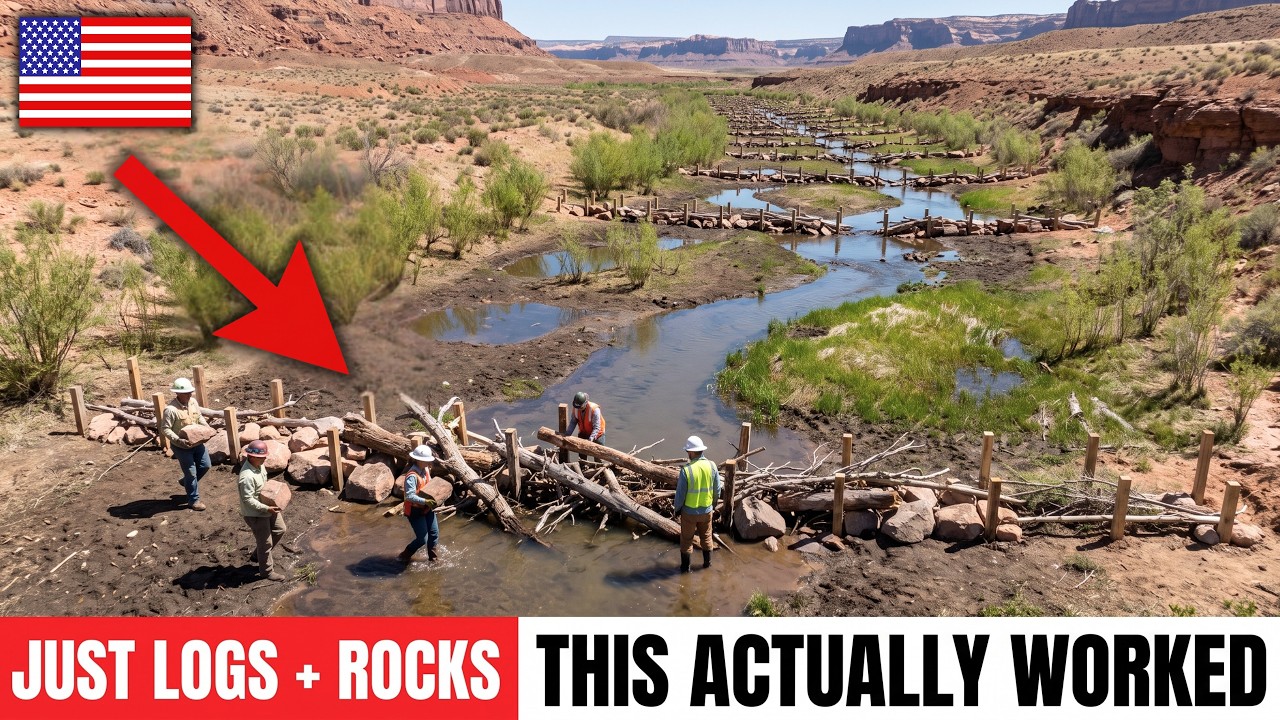
For decades, this desert river barely flowed, its crumbling banks losing every drop before it reached the sea. Then engineers tried something radical—throwing thousands of dead trees directly into the water.
In 2020, on a ranch near Grand Junction, Colorado, where the state line meets Utah, a work crew began driving wooden posts into the dry gravel of a creek bed. The posts were untreated pine. The fill material was dead wood collected by hand from the floodplain. The river runs 20 miles through this 76,000-acre property of canyons and desert. By the end of the decade, more than 200 such structures we…
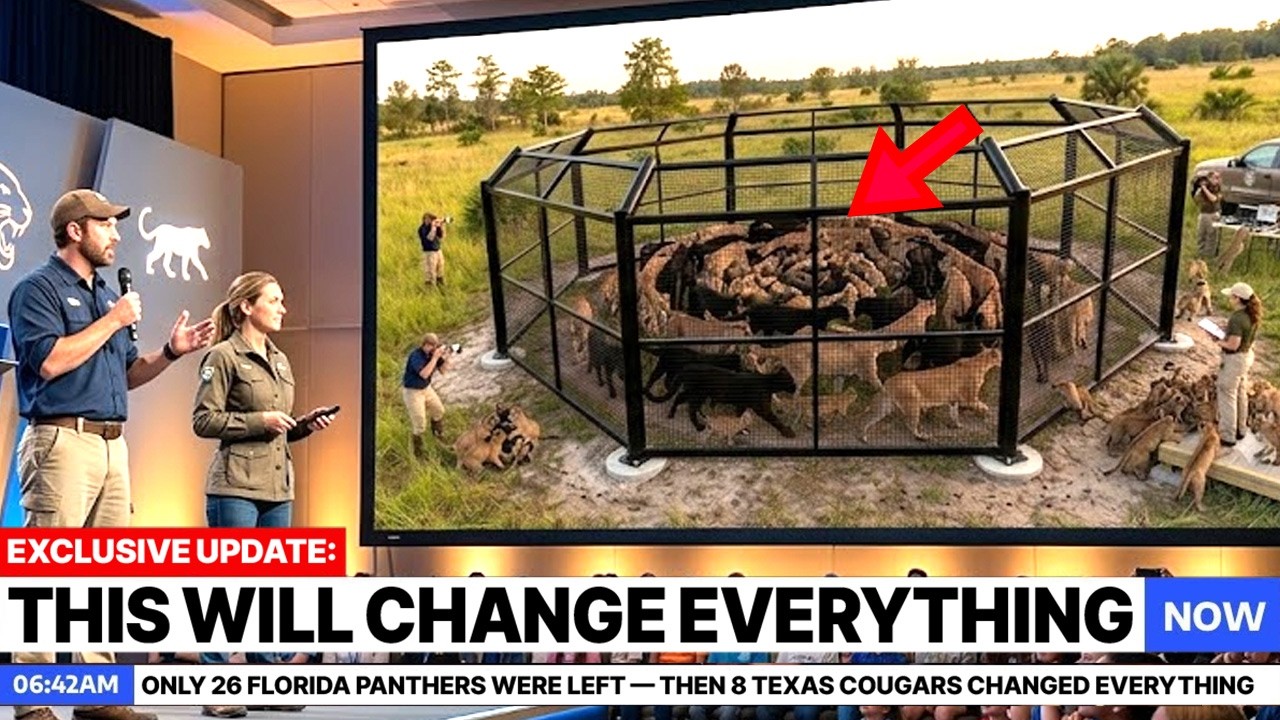
Florida had just twenty-six panthers left, the species hanging on by a thread. Then, eight female cougars from Texas were brought in.
The Florida panther has been slowly recovering after decades on the brink of extinction. Known for its solitary habits and difficulty to observe, the animal is sometimes called the ghost cat. By the early 1990s, fewer than 30 panthers remained in the wild, and the population showed serious signs of genetic decline, including heart defects and reproductive problems. Scientists estimated that withou…
Nine lynx got one last chance at survival—23 years later, the results stunned everyone. In 2007, the species stood on the brink in the Pyrenees, with barely enough animals left to continue.
In 2009, nine Iberian lynx were released from their transport boxes at dawn in a scrubland valley in Spain’s Córdoba province. The animals were bred in captivity, and the release site had not seen the species in decades. Roughly half of similar captive-bred animals died within their first year in the wild, and with fewer than 100 lynx remaining, mistakes were costly. Spain had already invested mor…

California pulled a concrete wall from a dead creek, and what happened to the salmon stunned biologists. The barrier had blocked the waterway for decades, leaving the stretch virtually lifeless.
For seventy years, a concrete barrier blocked Alameda Creek in California, and the water behind it was widely considered lifeless. In the fall of 2025, work crews finally removed that wall. Within days, two Chinook salmon were swimming upstream through water that had been inaccessible since before the first moon landing.The fish were not placed there by humans, and no one guided them to the creek….
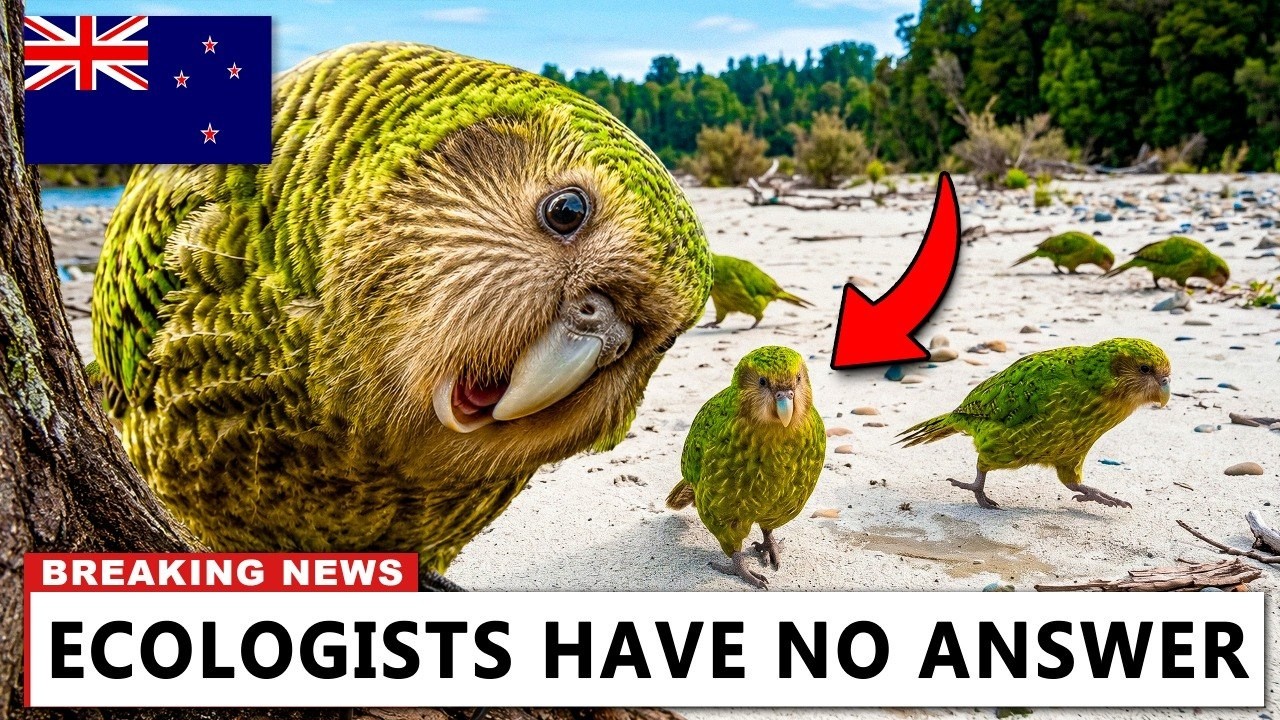
Eighteen birds left on Earth, and New Zealand thought they understood them—then something impossible followed. These rarest of flightless creatures had survived isolation for centuries, yet researchers tracking their final wild population noticed behavior no science could explain.
In 1974, ornithologist Don Merton received approval for one final expedition into the mountains of Fiordland, New Zealand. His official task was to confirm that the kakapo, a large flightless parrot, had gone extinct. In the previous 25 years, the Wildlife Service had run 61 expeditions into the region and found only six birds, five of which had died.Instead of evidence of extinction, Merton found…