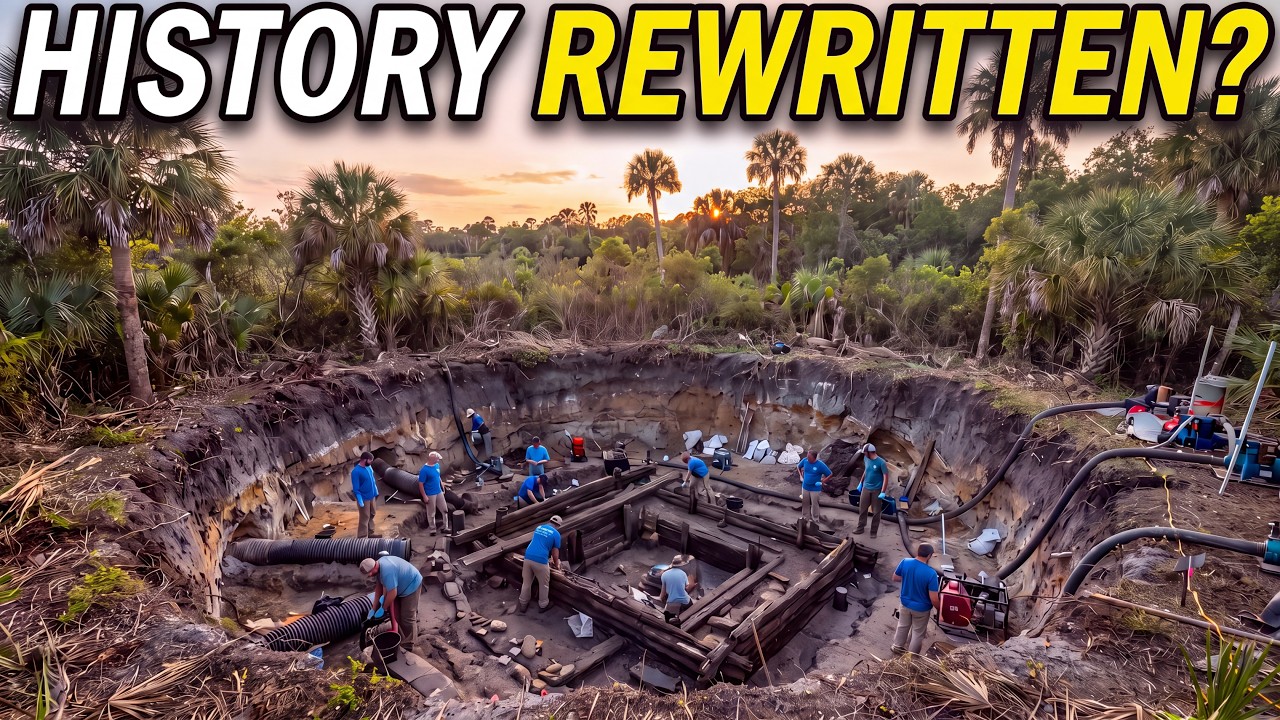
A massive sinkhole drainage project in Florida is about to expose something that could rewrite American history. For decades, archaeologists believed the first Americans arrived over land thousands of years ago, crossing from Asia.
A sinkhole in Florida’s Aucilla River has become one of the most heavily studied archaeological sites in the Americas, with evidence indicating humans were present there roughly 14,550 years ago, more than a thousand years before the culture long credited as the first in North America.The site, known as Page-Ladson, sits in the Big Bend region of Florida where the Aucilla River runs dark with tann…
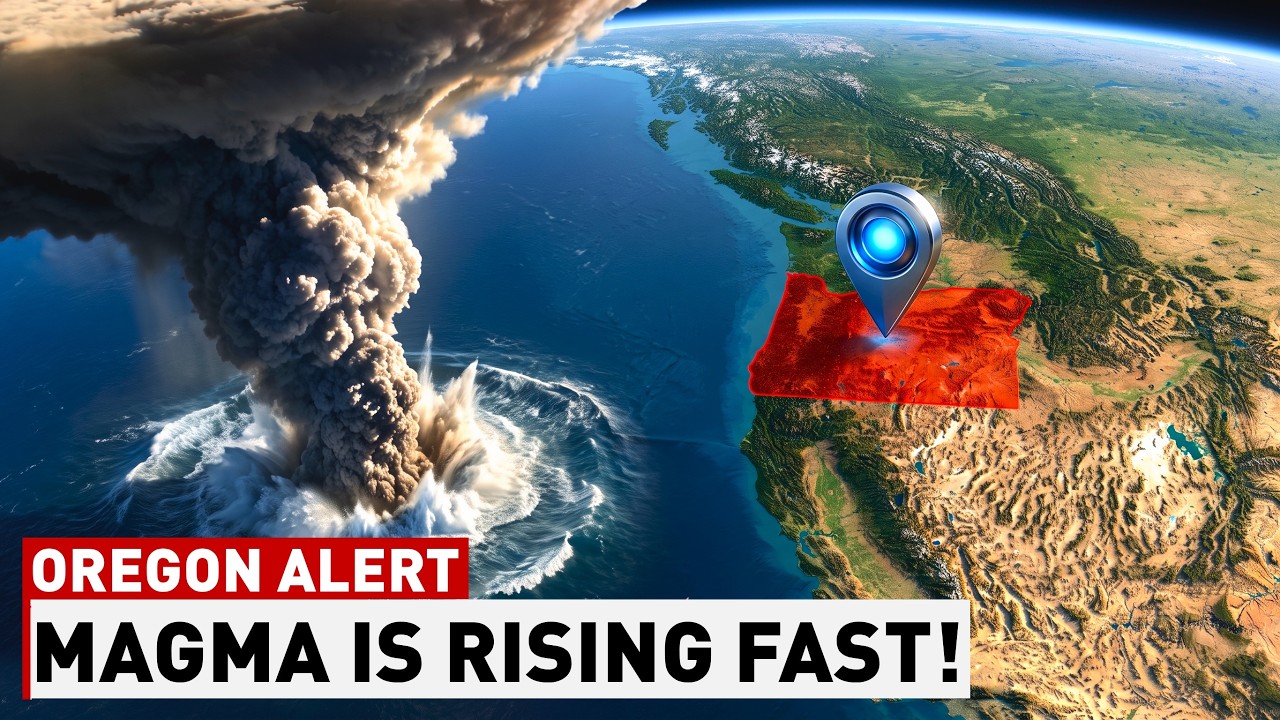
Oregon’s hidden volcano is swelling faster than ever, and scientists are now tracking a possible 2026 eruption. Officials monitoring the remote Cascades peak report the ground rising at an alarming rate, triggering new alert levels just as nearby communities begin evacuation planning.
Axial Seamount, an underwater volcano about 300 miles off the Oregon coast, is showing signs of an imminent eruption. Scientists monitoring the site believe it could erupt at any time, with forecasts narrowing the window to between now and late 2026.The volcano sits about a mile beneath the Pacific Ocean surface. It is one of the most active volcanoes on the planet, having erupted at least 50 time…
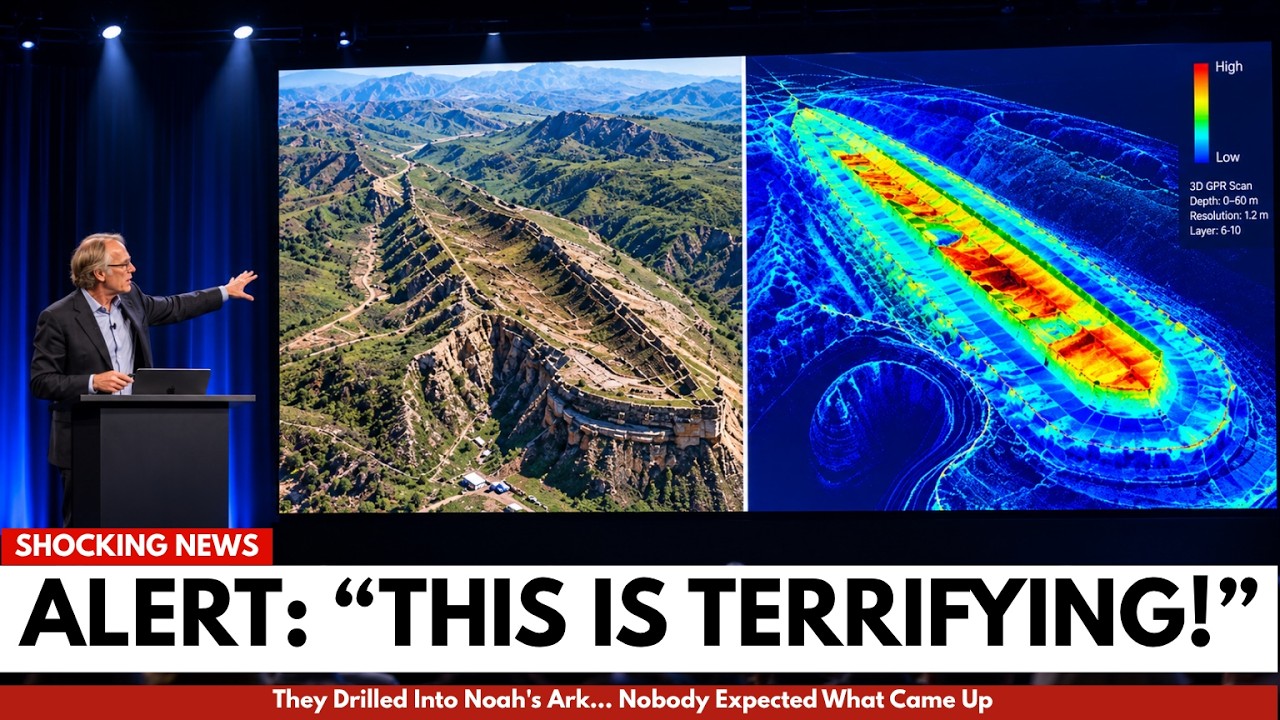
A team of scientists drilling deep beneath the surface believed they had located the remains of Noah’s Ark. Their ground-penetrating radar had detected a massive, ship-like anomaly buried under layers of ancient mud and rock.
A long, boat-shaped mound in the mountains of eastern Turkey has drawn renewed attention after a university-led team received permission for its first deep excavation in decades. The site, known as the Durupinar formation, sits on the slopes of Mount Ararat and has long been associated by some with the resting place of Noah’s Ark. The recent fieldwork has reopened a long-standing debate among arch…
The ground beneath Lake Michigan just unleashed a massive 8.8 magnitude tremor, and scientists say something profound is shifting far below the surface. Seismographs near the region captured readings that immediately triggered alarms, as the quake’s depth and force defied normal expectations for the area.
In 2022, a team of researchers mapping the floor of Lake Michigan with sonar detected a series of large, circular depressions at a depth of roughly 500 feet. The features, which number in the dozens, range from 300 to 600 feet in width and reach depths of about 40 feet. Their near-perfect circular shape and alignment initially puzzled the scientists, who could not identify a natural process that w…
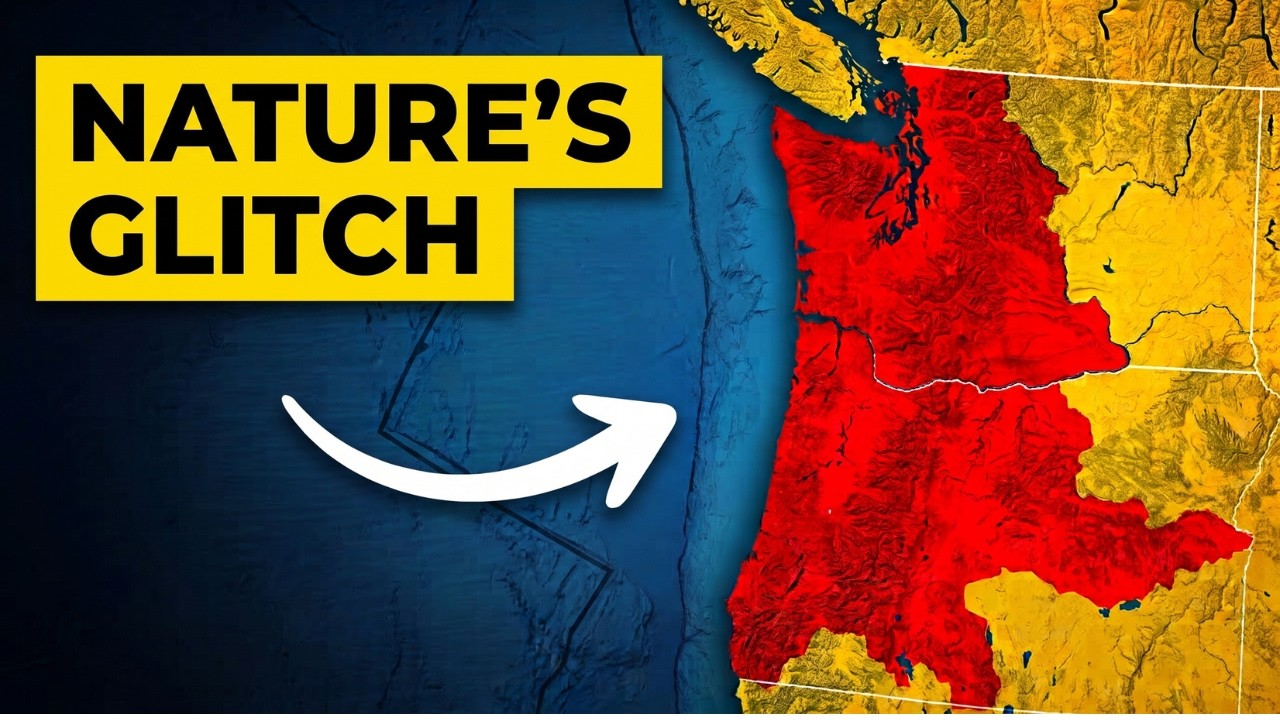
Maps of the Pacific Northwest hide a startling secret that changes how the region is understood. Oregon and Idaho appear as simple neighbors, but a deep geological anomaly separates them.
The Pacific Northwest carries a reputation for being quiet, damp, and unremarkable. Rain jackets, coffee, and gray skies are the standard image. Geologically, however, the region is one of the most extreme landscapes in North America. It has been buried under volcanic basalt, carved by floods larger than any in recorded history, and it sits over a fault line capable of producing a major earthquake…
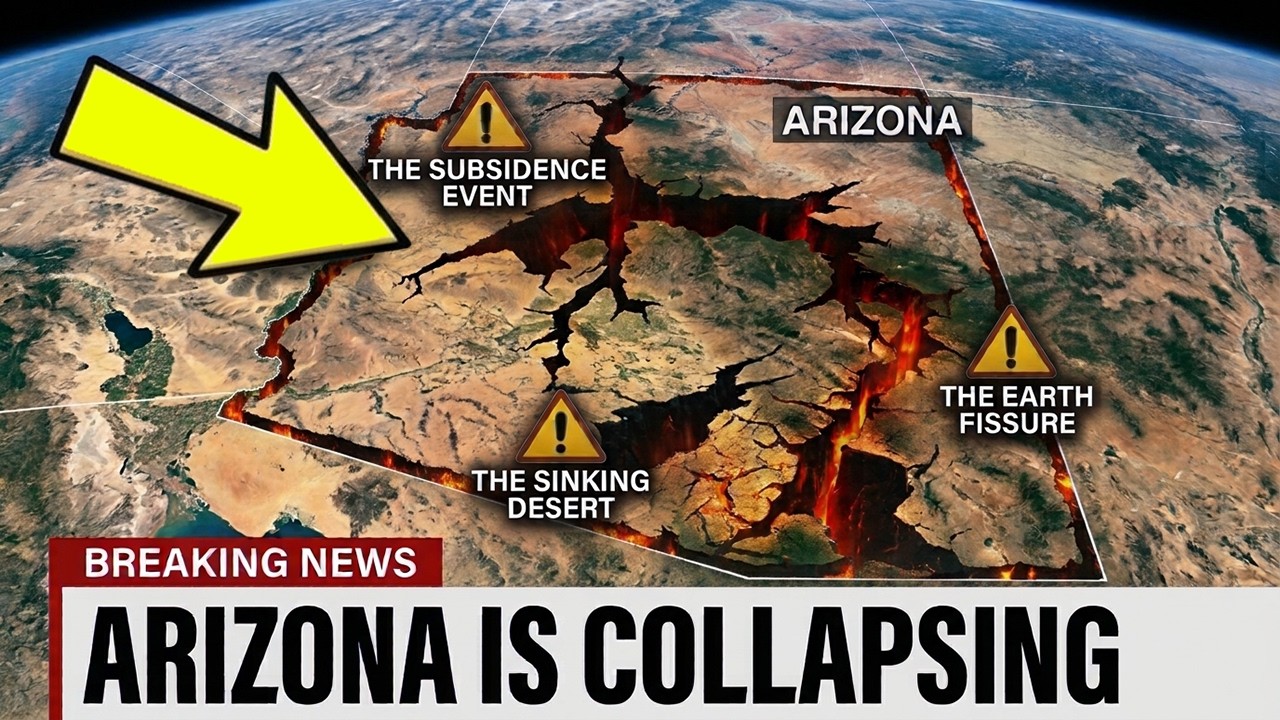
NASA satellites just recorded unexpected ground movement shifting beneath Arizona, and the data has scientists reassessing what they thought they knew about the region. The detection, picked up by advanced orbital instruments, showed surface displacement in an area long considered geologically stable.
Residents of southern Arizona were awakened by a ground movement early Tuesday morning, identified as a magnitude 4.0 earthquake. The tremor, recorded by the U.S. Geological Survey, shook parts of Douglas around 3 a.m. and has drawn renewed attention to the region’s geological activity.For generations, scientists regarded Arizona as one of the most thoroughly studied and stable landscapes in the U…
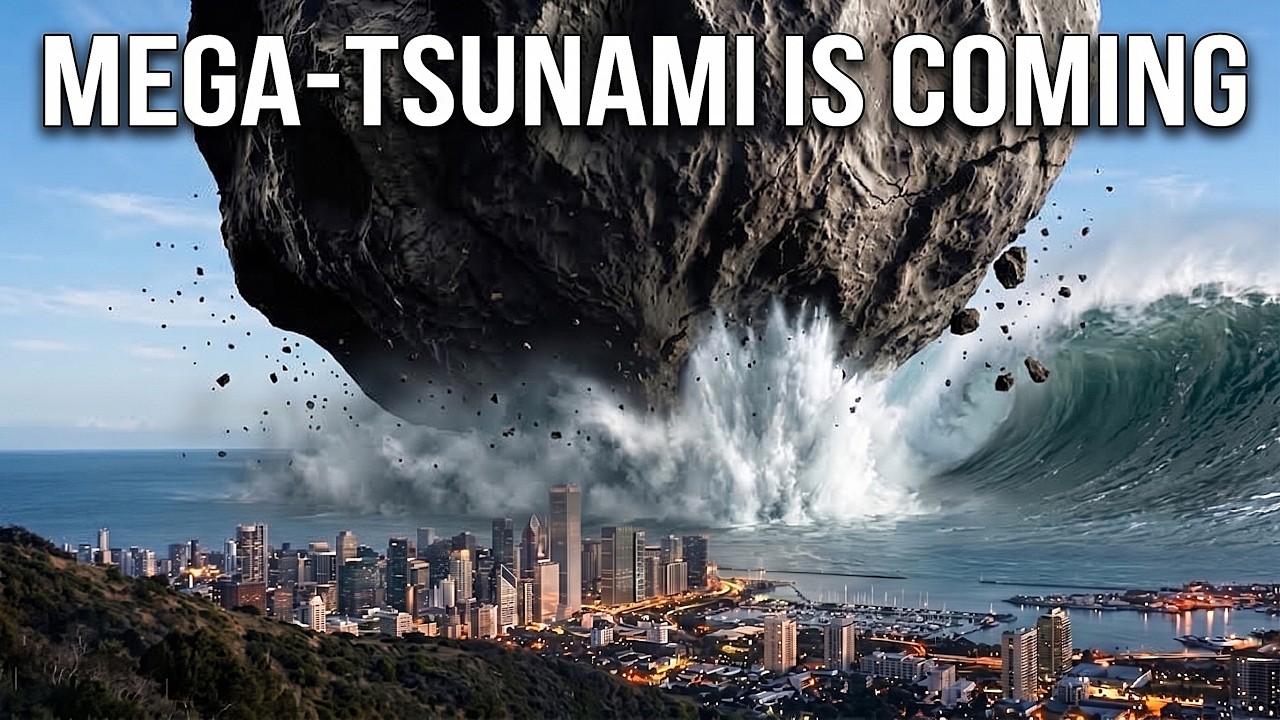
A massive ocean asteroid impact could trigger a tsunami taller than skyscrapers, flooding entire continents with almost no warning. Scientists tracking near-Earth objects say a strike in deep water would displace billions of tons of water instantly, sending waves racing across oceans at jet speed.
The asteroid that struck near the Yucatan Peninsula 66 million years ago ended the Mesozoic era and eliminated roughly 80 percent of life on Earth. The impact created a crater more than 100 miles wide and triggered a series of natural disasters, including a tsunami that remains the largest known in the planet’s history.The Chicxulub asteroid, believed to have originated in the outer solar system,…

The world’s most mysterious underwater object just gave up a secret it kept for 140,000 years—and the truth is terrifying. Divers probing the Baltic Sea Anomaly, the massive disc-shaped structure that sparked endless alien theories, claimed it was just a glacial deposit.
In June 2011, marine surveyors Peter Lindberg and Dennis Asberg were mapping the northern Baltic Sea floor when sonar detected a large, circular object roughly 60 meters across. The shape had unusually sharp edges, and a straight, 300-meter trench extended from one side of it across the seabed. The discovery puzzled the team, which had years of experience locating shipwrecks and recovering cargo f…

Twelve thousand eight hundred years ago, something slammed Earth’s climate to a halt, yet almost no one agrees on what caused it. Ice sheets that had been melting suddenly re-froze, plunging the planet back into near-glacial conditions for over a millennium.
About 12,800 years ago, near the end of the last ice age, a sudden cooling event interrupted a period of global warming. The temperature in Greenland fell by roughly 10 degrees Celsius, and cold conditions lasted for about 1,200 years before warming resumed. This period is known as the Younger Dryas, named after an Arctic wildflower whose pollen appears in lake sediments at the time of the cooling…
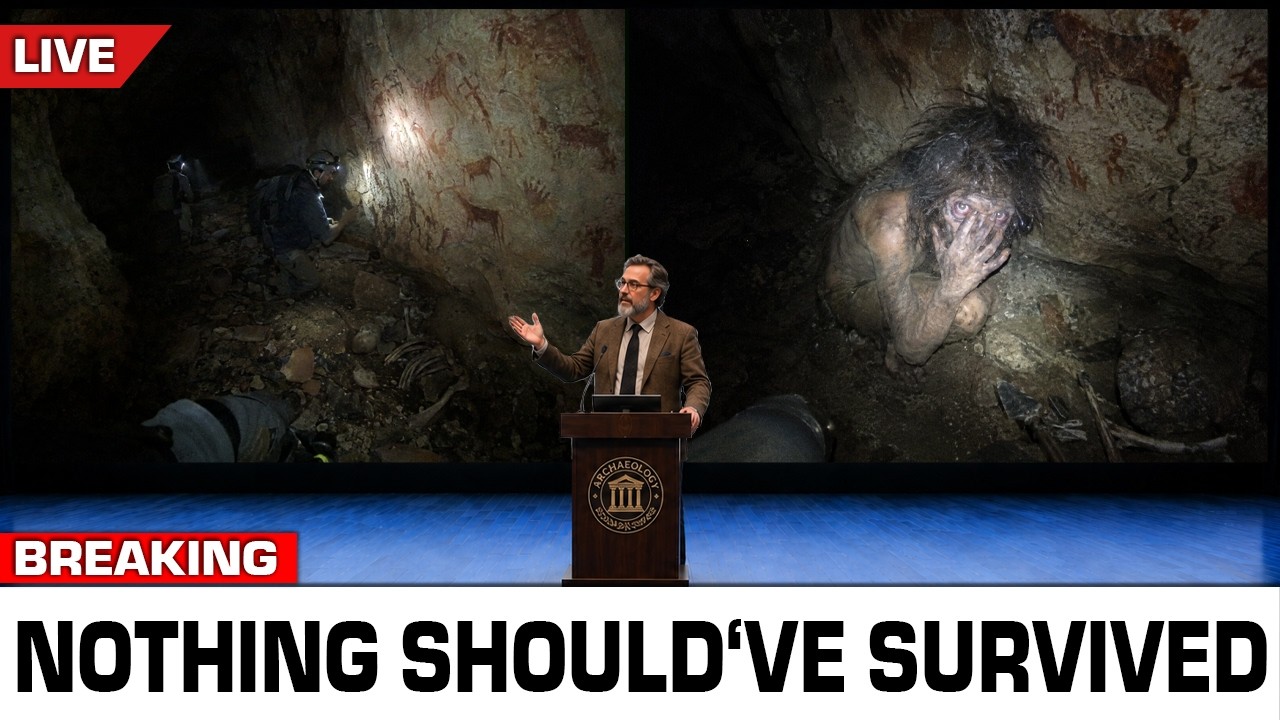
Deep beneath a remote mountainside, explorers breached a cave entrance that had remained sealed for 35,000 years, and the first thing they found defied every expectation. The ancient stone chamber was perfectly preserved, untouched by human hands since the last Ice Age.
In December 1994, three French cave explorers followed a faint current of air through a narrow opening in a limestone cliff above the Ardèche River in southern France. The gap, nicknamed “Papa’s Hole” after a colleague who had noticed it months earlier, had been considered too small and uninviting for most explorers to bother crossing.Jean-Marie Chauvet, Éliette Brunel, and Christian Hillaire deci…