
The Sumerian “Handbag of the Gods” has just revealed another ancient secret, and it is not what researchers expected. Carved into temple walls thousands of years ago, the mysterious object appears in Mesopotamia, Egypt, and even South America, sparking wild theories about lost civilizations or visitors from beyond.
Artifacts resembling modern handbags appear in ancient carvings across cultures separated by thousands of years and thousands of miles. The same object, a small rectangular container with a curved handle, appears in Sumerian seals, Assyrian palace reliefs, a 12,000-year-old stone pillar in Turkey, and Olmec carvings in Mexico. Researchers refer to it informally as the “bag of the gods,” though mai…
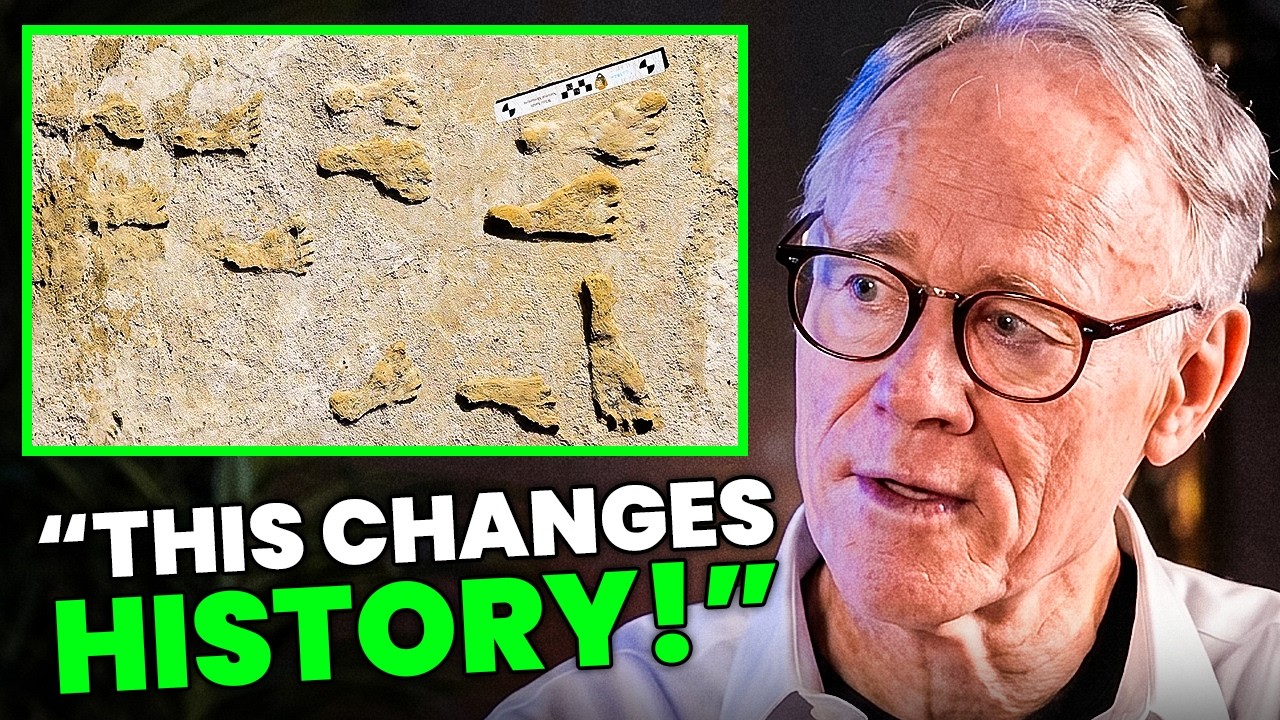
23,000-year-old footprints in New Mexico were just confirmed as genuine—and experts say the discovery rewrites human history. The fossilized prints, preserved in ancient mud along an old lakeshore, were initially met with deep skepticism when first revealed, with critics questioning their dating methods and suggesting they were far younger.
In 2009, David Bustos, the resources manager at White Sands National Park in southern New Mexico, noticed human footprints preserved in the mud of an ancient dry lake bed. The impressions showed clear anatomical details: heels, arches, and toes. The discovery set in motion a scientific investigation that would eventually challenge long-held assumptions about when humans first arrived in the Americ…
A 40,000-year-old cave sealed for millennia finally yielded to excavation, and what researchers found inside has rewritten history. The team broke through the ancient barrier expecting sediment and fossils, but instead uncovered startling evidence of early human activity that defied every prior assumption.
Archaeologists working in the Vanguard Cave complex in Gibraltar have discovered a sealed chamber that remained untouched for over 40,000 years. The room, located about 13 meters deep within the cave system, was closed off by a massive sand dune that collapsed during the last ice age, preserving everything inside exactly as it was.The discovery took place in 2021 when a team led by Professor Clive…
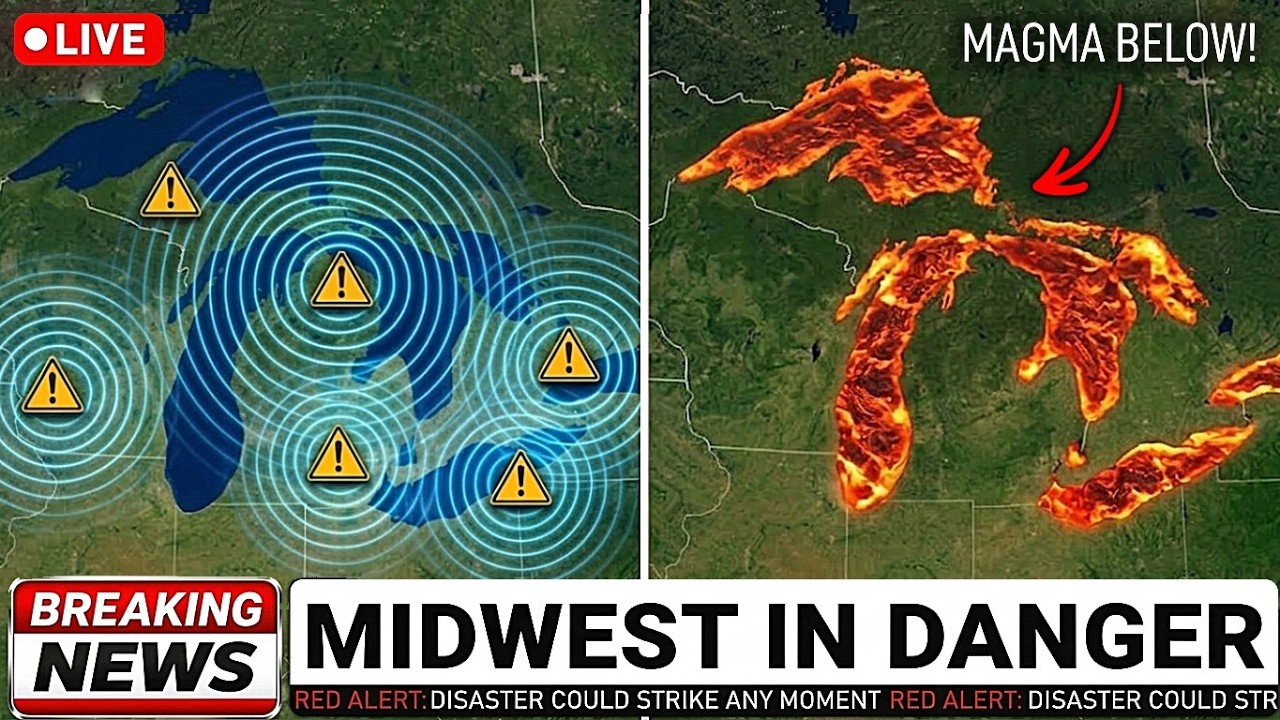
Beneath the Midwest, a massive anomaly is pulling the Great Lakes downward, and scientists have detected magma deep below the surface. The region is literally sinking, with the crust warping in ways never fully mapped.
Researchers have found several ancient stone structures beneath the Great Lakes, including a formation in Lake Michigan that resembles Stonehenge. The site, located about 40 feet below the surface, consists of two concentric circles of stones. It is estimated to be over 9,000 years old, which would make it considerably older than the well-known monument in England.One of the stones bears a carving…
The bottom of the ocean holds mysteries science has barely begun to map, but when NASA was asked what is really down there, their answer reportedly unsettled even seasoned researchers. Vast trenches plunge deeper than Mount Everest, yet less than twenty percent of the seafloor has ever been directly explored.
In March 2012, filmmaker James Cameron piloted a specially built submarine, the Deep Sea Challenger, to the Challenger Deep, the deepest point in the Mariana Trench. He was the first person to complete that particular dive alone.Waiting for him when he surfaced was Kevin Hand, a NASA astrobiologist from the Jet Propulsion Laboratory. Hand had joined the expedition to study the water and sediment s…
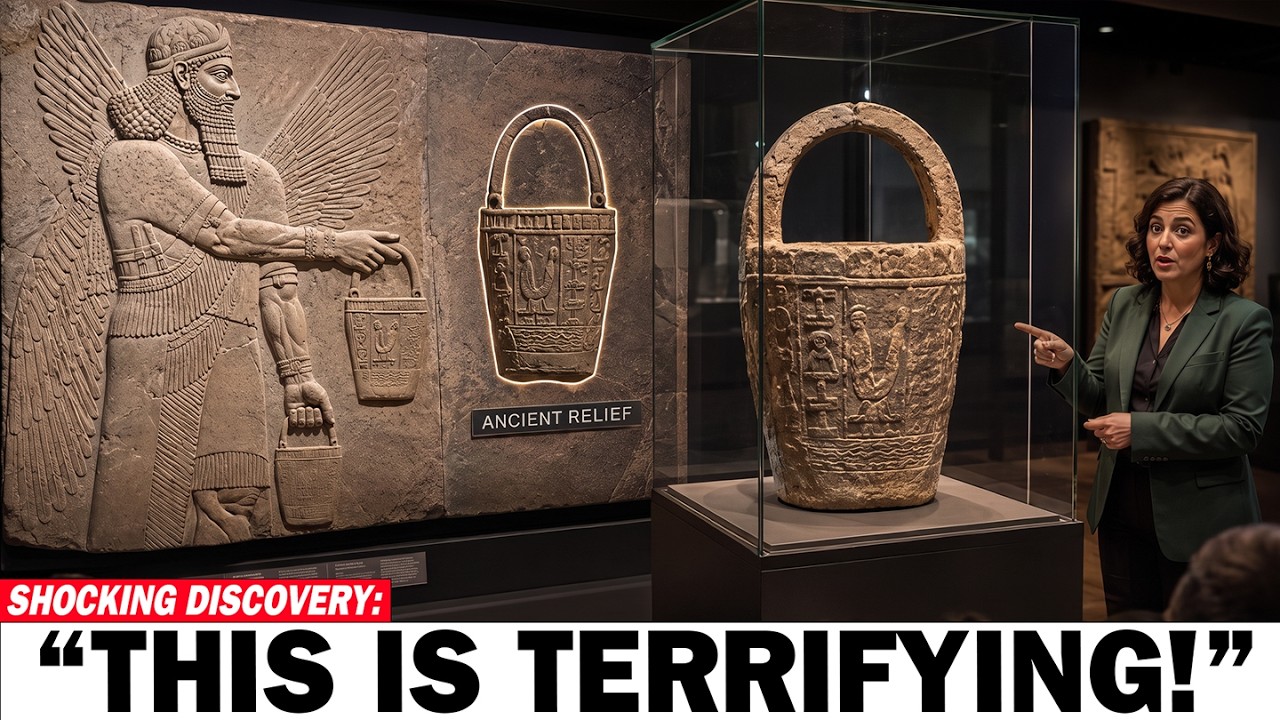
For decades, researchers dismissed the mysterious “handbag of the gods” carved across ancient Sumerian temples as mere mythology. Now, a team of scientists has finally examined the enigmatic symbols under advanced imaging, and the results have stunned the archaeological world.
For roughly 12,000 years, a recurring symbol has appeared in ancient art across three continents: a solid container with a curved handle, resembling a modern handbag. Carved by the Sumerians, the builders of Göbekli Tepe, and the Olmec of Mesoamerica, the object appears in sacred contexts but its contents are never depicted.The symbol first appears in Mesopotamian art, where figures known as the A…
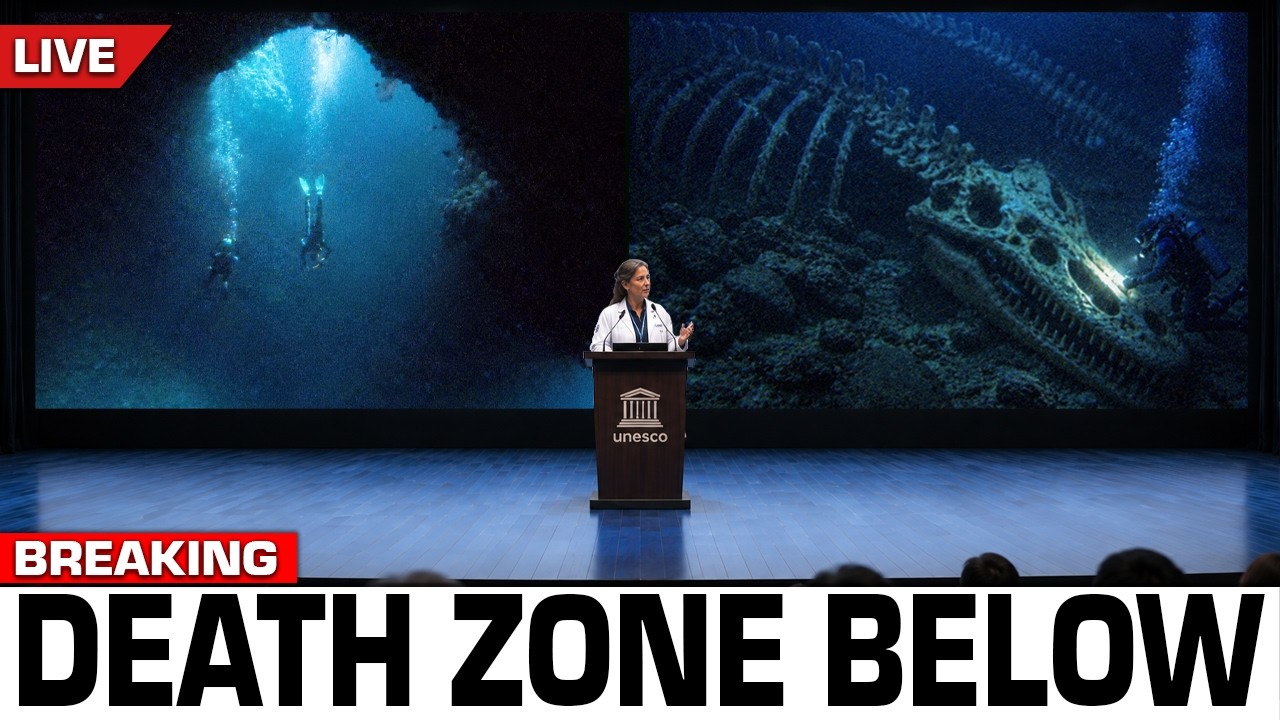
At the bottom of Belize’s Great Blue Hole, inside a pitch-black dead zone where oxygen doesn’t exist, submersible pilots found the remains of two missing divers. Jacques Cousteau explored this 410-foot-deep sinkhole in 1971 but never reached its floor, and nobody tried for nearly five decades.
A near-perfect circular sinkhole sits in the Caribbean Sea about 60 miles off the coast of Belize City. Known as the Great Blue Hole, it measures roughly 300 meters across and drops to a depth of about 125 meters. The formation lies within the Lighthouse Reef Atoll and is part of the Belize Barrier Reef Reserve System, which received UNESCO World Heritage status in 1996.The hole is visible from or…

At 10,911 meters down, the deepest point on Earth, a cracked window nearly doomed the first crewed dive. Jacques Piccard and Don Walsh pressed on in the Trieste in 1960, and then nobody returned for 52 years.
The deepest point on Earth, located roughly seven miles down in the Mariana Trench, has been reached by only a small number of people since the first attempt in 1960. That initial descent nearly ended in failure, and the risks and costs involved kept government agencies away from the site for decades. It was only through privately funded missions that researchers returned, eventually collecting sa…
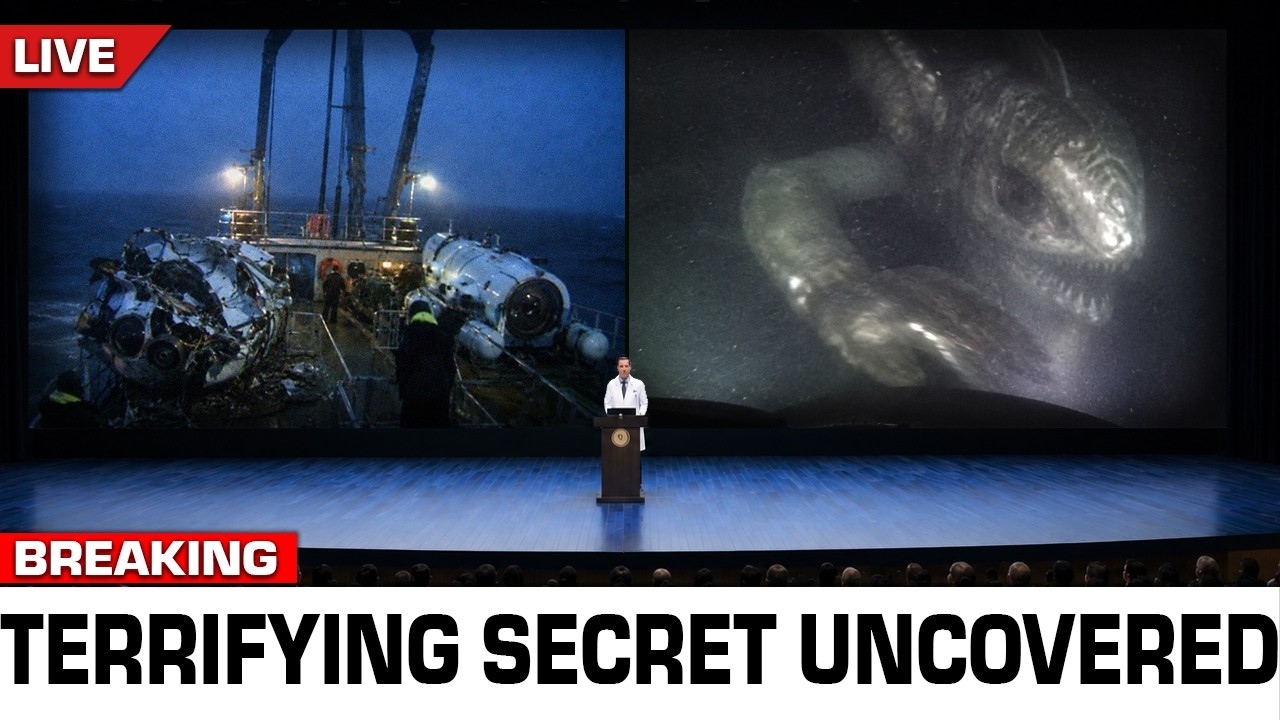
Back in 2011, sonar picked up a massive, perfectly circular object 90 meters beneath the Baltic Sea, complete with straight edges and a strange drag mark trailing behind it. The Swedish exploration team behind the find had no history with UFOs, but headlines instantly screamed alien spacecraft.
In June 2011, a Swedish exploration team called Ocean X was scanning the floor of the northern Baltic Sea with side-scan sonar, searching for shipwrecks. The team, led by Peter Lindberg and Dennis Asberg, had been at sea for nine days and was preparing to head home when they decided to run the sonar one last time. That final pass picked up an unusual shape on the seafloor at a depth of roughly 90…

Explorers mapping Lake Michigan’s floor found dozens of massive, near-perfect circular holes at 500 feet deep, some over 600 feet wide. Sonar scans in 2022 revealed roughly 40 depressions arranged in eerie, footprint-like patterns no one has documented in the Great Lakes.
Explorers mapping the bottom of Lake Michigan have identified dozens of large circular depressions in the lakebed. The discovery was made using sonar equipment, and researchers are still determining what created the formations.In 2022, a team of researchers was using sonar to map the lake floor and search for shipwrecks. They expected to see standard rock formations and sand deposits. Instead, the…