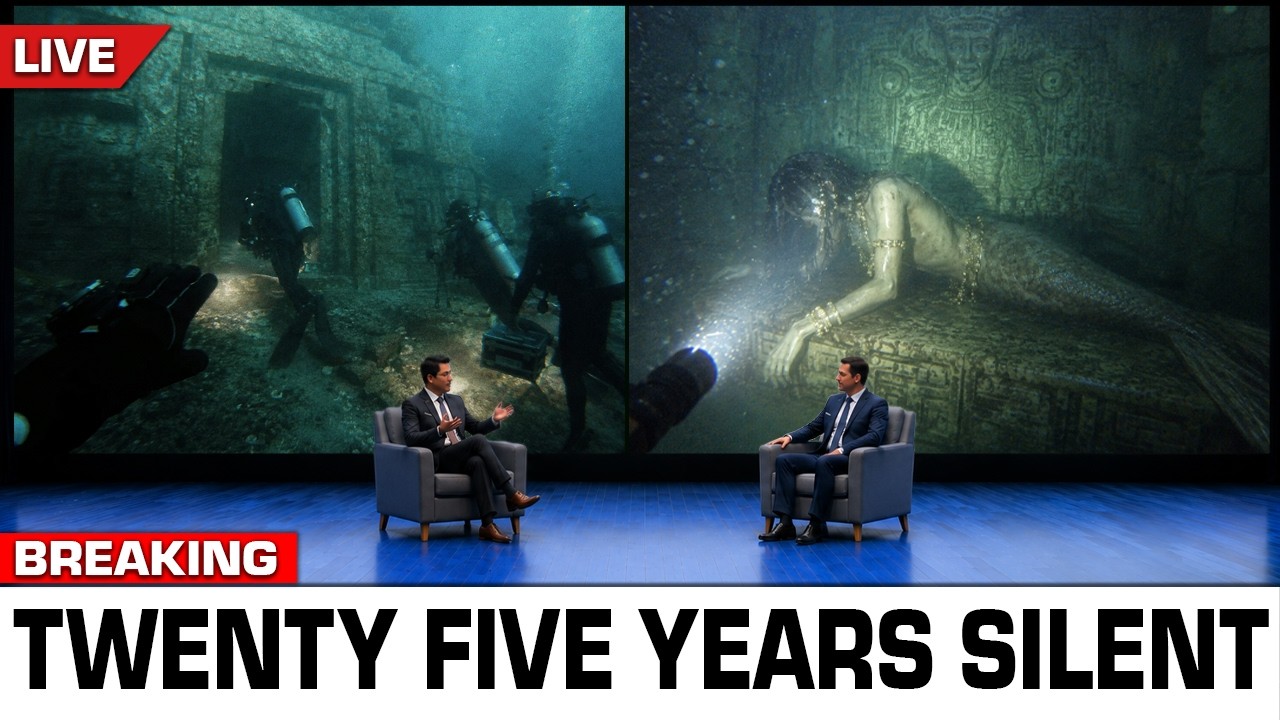
Twenty-five years after divers first mapped Cuba’s mysterious underwater pyramids, a new expedition finally returned—and the sonar screens went dark before the images ever surfaced. The ancient stone structures, discovered off the coast in 2001, were long dismissed as a geological fluke.
In May 2001, a marine survey team working off Cuba’s Guanahacabibes Peninsula detected unusual formations on the seafloor at a depth of roughly 2,000 feet. The team, led by engineer Paulina Zelitsky and her husband Paul Weinzweig, was under contract with the Cuban government to search for colonial-era shipwrecks. Using side-scan sonar, they located what appeared to be straight edges, circular outl…
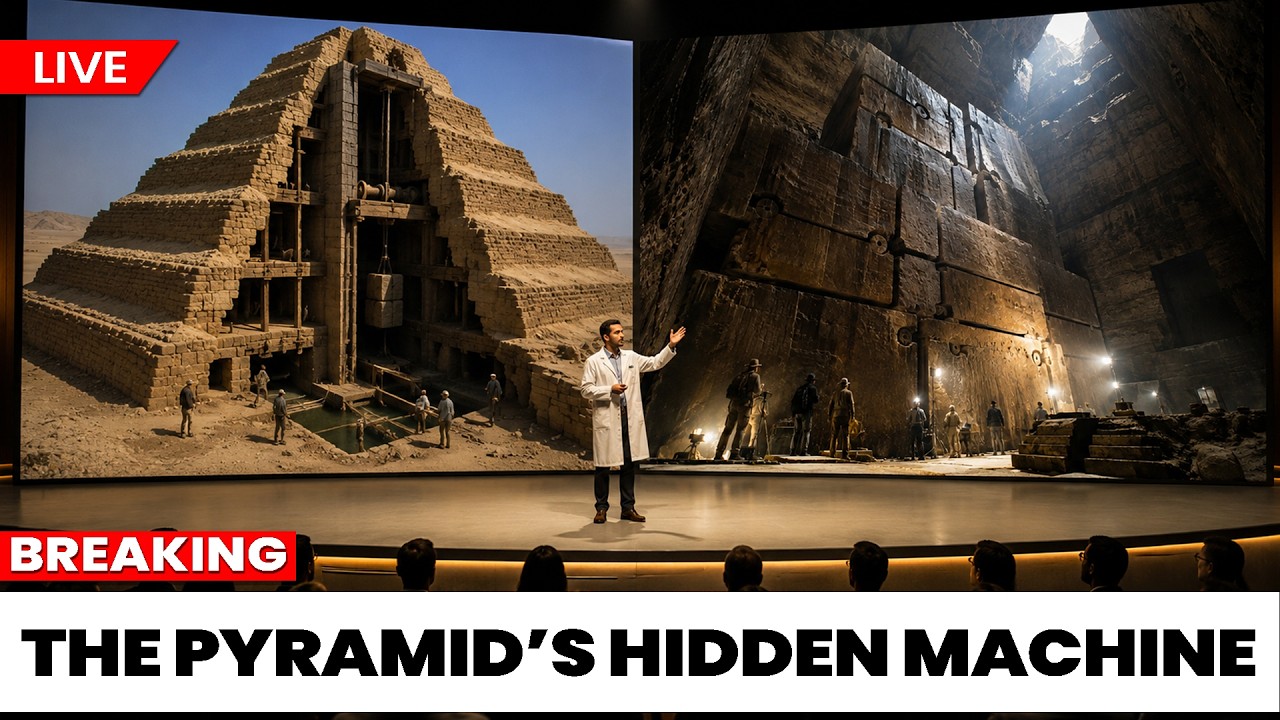
No ancient text reveals how Egypt’s first pyramid was built, but in 2024, a non-archaeologist team proposed a stunning answer: a water-powered hydraulic lift inside the Step Pyramid of Djoser. The theory, based on satellite data, claims a massive stone enclosure captured desert rain to drive a float and pulley system raising 300-kilogram blocks.
No ancient text describes how Egypt’s first pyramid was actually built. Nearly two centuries of research have not settled the question either. In 2024, a team of materials scientists and hydrologists—none of them Egyptologists—published a proposal that a water-powered lift helped raise the stones of the Step Pyramid of Djoser at Saqqara. Their findings, based largely on satellite data and existing…
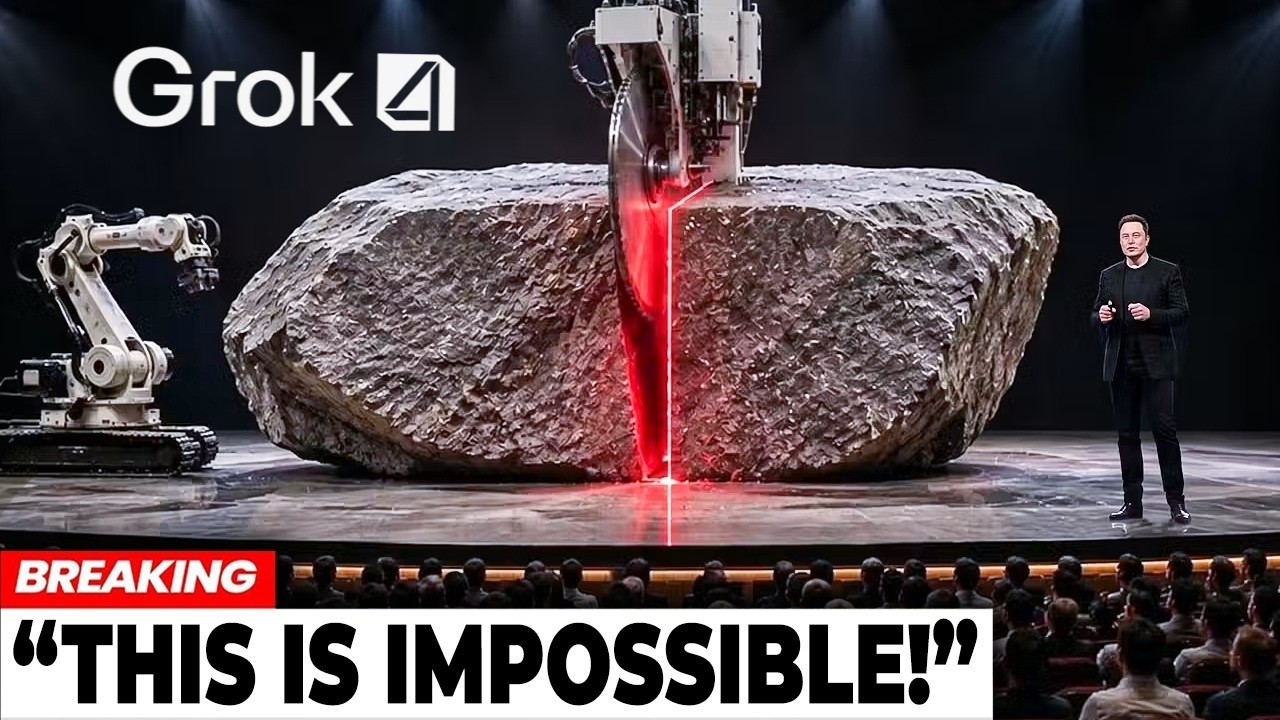
Grok AI’s analysis of ancient Egyptian granite cuts in Aswan has produced results that challenge history books. The grooves are smoother and more uniform than hand-tooled marks, showing only about 4 percent variability—far below the 12 to 20 percent expected from human labor.
The granite used in the Great Pyramid was transported from quarries located more than five hundred miles to the south. The ceiling of the King’s Chamber, for example, consists entirely of massive granite blocks, and its surfaces show details that have been studied closely for years.In the quarries at Aswan, long, curved, and evenly spaced grooves have been cut into one of the hardest rocks on Eart…
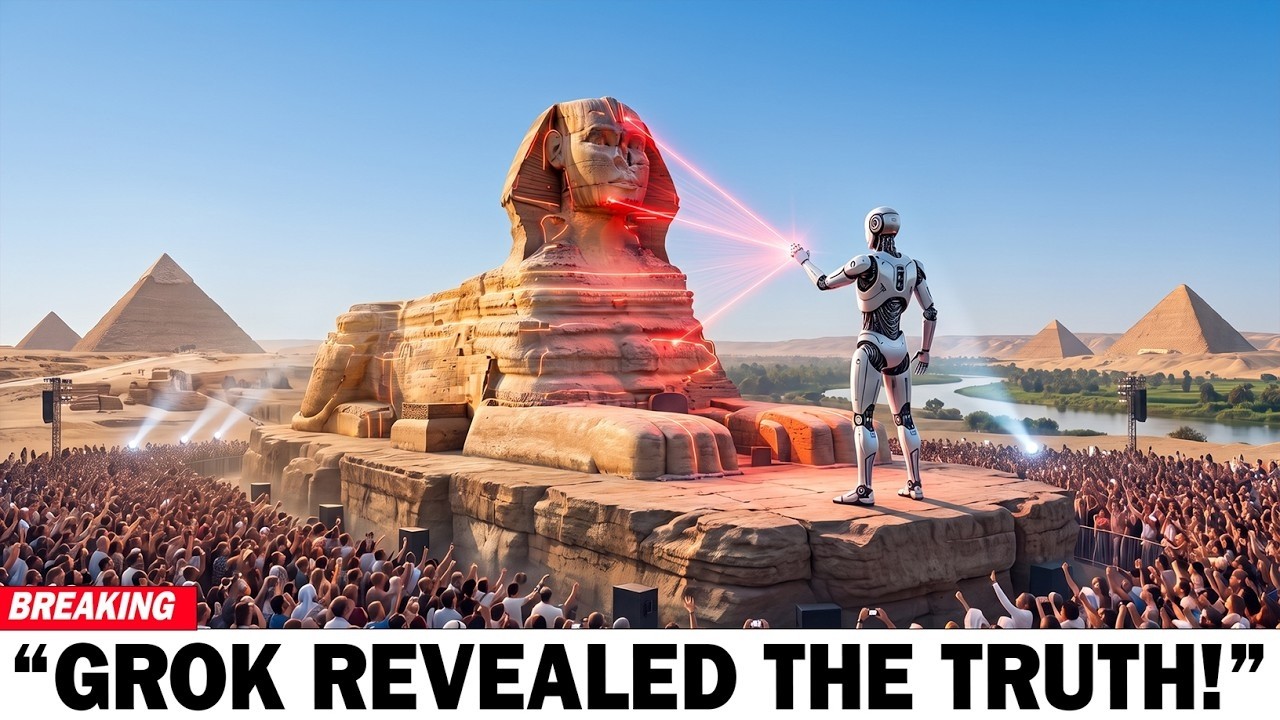
An AI posed a single question about the Sphinx—and its answer may rewrite history. Elon Musk’s Grok was given decades of geological and survey data to analyze who really built the monument, and it returned a stunning verdict.
The standard account of the Great Sphinx is well known: it was built around 4,500 years ago during the Fourth Dynasty, under the rule of Pharaoh Khafre, and its face is his likeness. The statue was carved from a limestone ridge that remained after quarrying for the nearby pyramids, with the body of a lion and the head of a king, serving as a guardian monument within the Giza complex. This version…

Graham Hancock may have been right about the Egyptians’ granite-cutting all along. For decades, the author was dismissed for questioning how the Great Pyramid’s massive blocks were worked with copper tools.
The granite inside the Great Pyramid has been a recurring point of debate for decades. The King’s Chamber is built entirely from massive granite blocks, and for years, author Graham Hancock has pointed to those same stones and asked how they were worked with the tools that standard archaeology attributes to ancient Egypt. For a long time, the academic response was dismissal. His ideas were describ…

AI compared all three Giza pyramids at once and found an alignment pattern that defies the standard timeline. Their orientations differ slightly, yet those differences match Orion’s Belt stars as they appeared around 10,500 BCE, roughly 8,000 years before construction began.
In 2025, a research team fed all available data on the Giza pyramid complex into an artificial intelligence system. The task was to analyze everything at once: laser scans, muon tomography results, astronomical surveys, geological core samples, worker papyri, construction timeline estimates, and 140 years of competing academic theories. The result was a set of findings that collectively challenge…
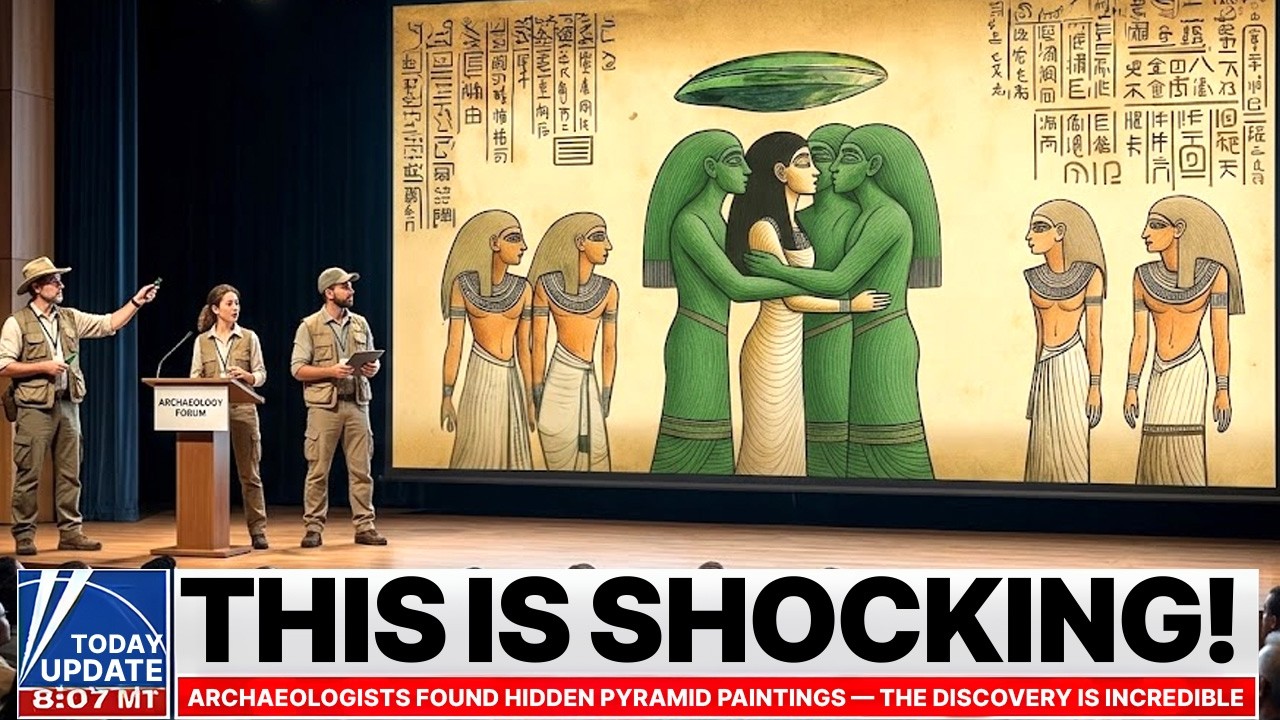
Archaeologists found hidden pyramid paintings south of Saqqara, but the discovery inside that 4,400-year-old tomb contradicts everything expected. The burial chamber belonged not to a king but to a royal official named Khuwy, yet its walls exploded with vivid red, yellow, green, and black reliefs.
In 2019, an Egyptian excavation team working south of Saqqara discovered a tomb that diverged from expected patterns. The burial chamber belonged to a high-ranking official named Khuwy, and its walls were covered in colorful reliefs that had remained sealed for approximately 4,400 years.The tomb stood out for two reasons. First, its internal layout followed the architectural plan normally reserved…
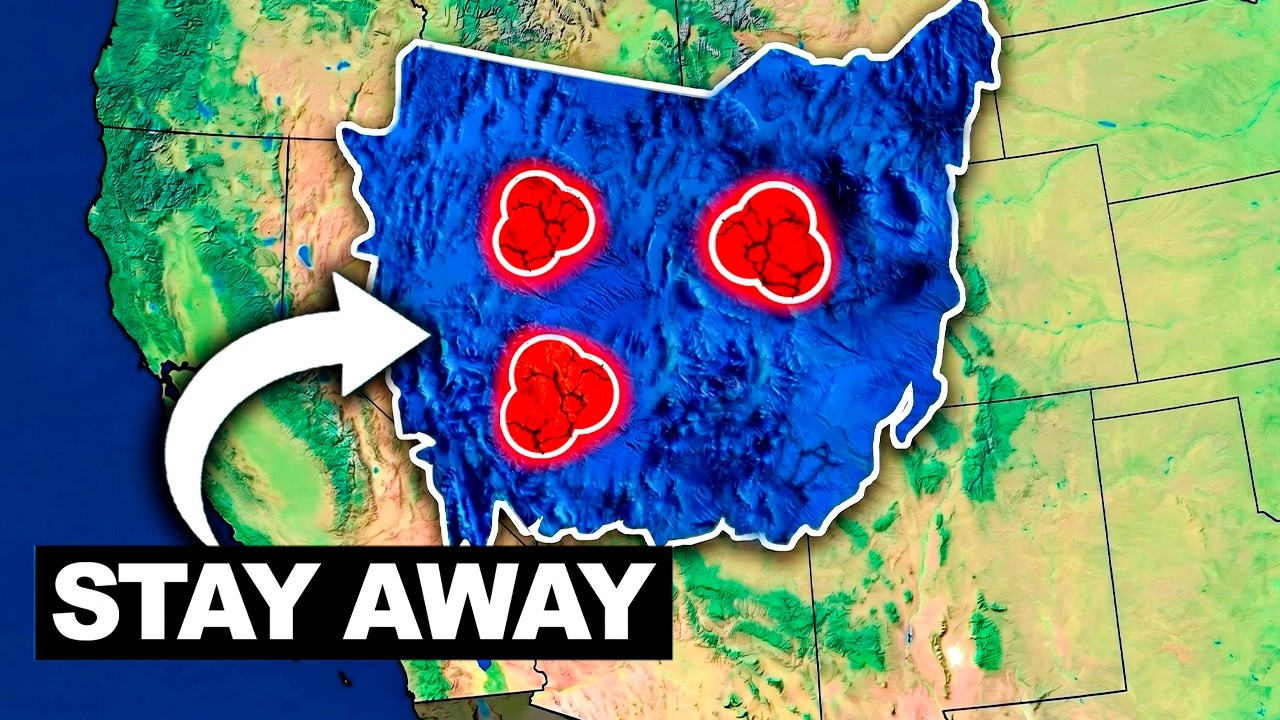
The Great Basin holds a secret nobody talks about—an ancient human mummy found in a Nevada cave, dated to about 10,600 years old, predating Egypt’s oldest known mummy by over five millennia. Wrapped in a rabbit-skin blanket, the remains sparked a modern fight.
The Great Basin is the largest desert in the United States, covering roughly 200,000 square miles across Nevada, western Utah, eastern California, southeastern Oregon, and southern Idaho. It is larger than California and comparable in size to France, yet it holds very few residents. The region is defined by a simple geographic rule: no river or stream within it ever reaches the ocean. Rainwater ei…
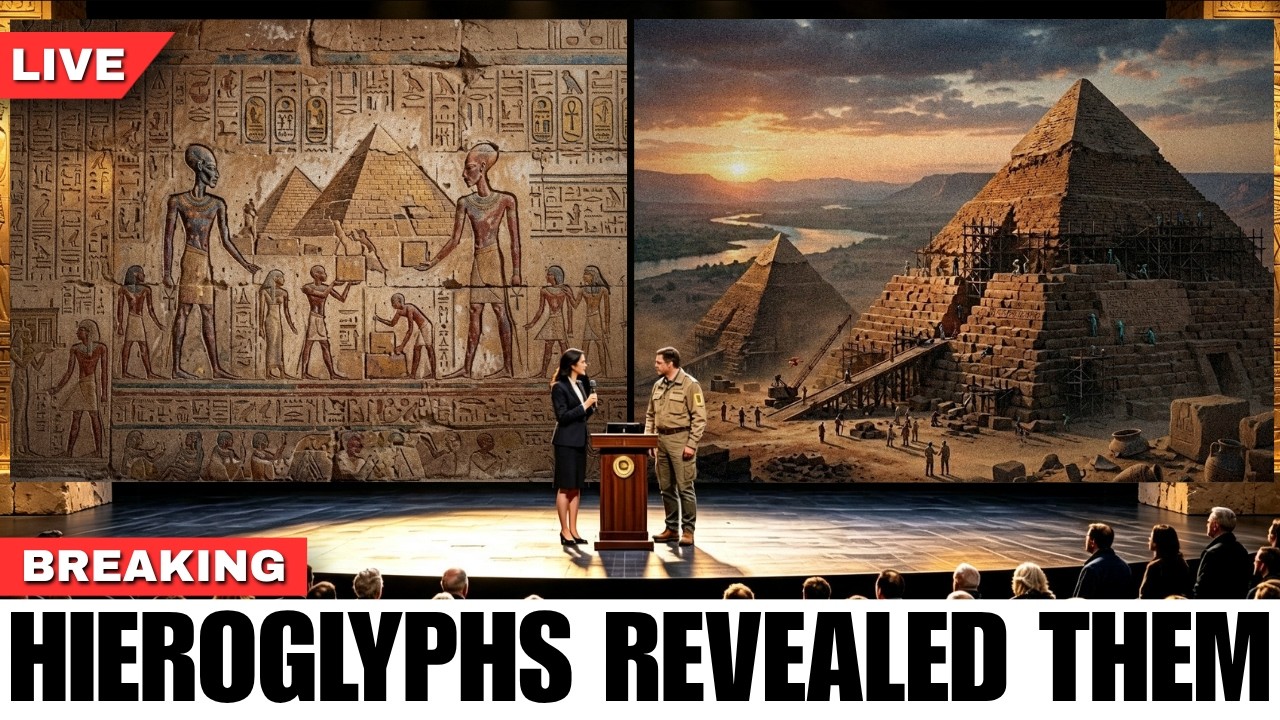
An ancient work log found in sealed Red Sea caves finally reveals who really built the pyramids—and what the Egyptians actually called them—but the story buried inside changes everything taught about the Great Pyramid’s construction. Merer’s papyrus, the oldest inscribed ever found in Egypt, details daily deliveries of limestone to a place named Akhet Khufu.
In 2013, archaeologists working in sealed caves along Egypt’s Red Sea coast discovered what are now recognized as the oldest inscribed papyri ever found in Egypt. Among the documents was the work log of an official named Merer, whose crew transported limestone from the quarries at Tura to the construction site of the Great Pyramid, referred to in the text by its ancient Egyptian name, Akhet Khufu….

Elon Musk’s Grok AI just dissected a 4,500-year-old mystery, and its verdict undermines the official story. The AI reviewed decades of archaeological and geological data on the Great Pyramid of Giza, built for Pharaoh Khufu, whose 2.3-million-block structure features precision beyond textbook explanation.
The question of how the ancient Egyptians built the Great Pyramid of Giza remains unresolved. Recent attention has focused on an analysis of this question by Grok, an artificial intelligence system developed by Elon Musk’s company. The AI reviewed archaeological surveys, engineering reports, geological data, and academic studies on the pyramid. Its conclusion was not about lost alien technology or…