Sieben neue Entdeckungen aus dem Alten Ägypten versetzen Forscher weltweit in Sorge – doch eine davon sticht besonders heraus. Archäologen stießen bei jüngsten Ausgrabungen auf Funde, die bisherige Annahmen über die Hochkultur grundlegend infrage stellen.
Ägypten gehört zu den ersten Zivilisationen, die ihre eigene Geschichte systematisch für spätere Generationen festhielten. Man schrieb auf Tempelwände, Papyrus, Gräber und Statuen. Dennoch gibt es bis heute offene Fragen, die auch nach mehr als zwei Jahrhunderten archäologischer Forschung bestehen. Einige dieser Fragen betreffen Funde, die auf den ersten Blick ungewöhnlich erscheinen, sich aber du…
Researchers just found something behind the Great Pyramid’s sealed door that shouldn’t exist. For decades, the mysterious blocking stone guarding a narrow shaft in the 4,500-year-old structure has frustrated archaeologists with its stubborn silence.
In the depths of the Great Pyramid of Giza, there is a sealed door that appears to have been built for no human visitor. It sits at the top of a passage only 20 centimeters wide, made from polished white stone fitted with two copper fixtures, and it remained closed for roughly 4,500 years. A robot located it in 1993. Researchers drilled through it during a live broadcast in 2002. In 2011, a camera…
Beneath the Giza Plateau, a massive new discovery is threatening to rewrite everything we thought we knew about ancient Egypt. Archaeologists working with advanced scanning technology have identified a vast, previously unknown structure buried deep beneath the sands, far larger than anything mapped before.
Archaeologists working in Luxor on the west bank of the Nile made an unexpected discovery during a routine excavation at the courtyard of a tomb belonging to a man named Senna. The team, led by Egypt’s Supreme Council of Antiquities and the Zahi Hawass Foundation, broke into a sealed chamber carved into the bedrock that had not been documented previously. Inside, they found 22 painted wooden coffi…
An underwater drone dove into Pavlopetri, the world’s oldest sunken city, off Greece’s coast. It found something terrifying.
The ruins of Pavlopetri lie in about three meters of water off the shore of Ponda Beach at the western end of Vatika Bay, in the southeastern corner of Laconia in southern Greece. The site sits in the narrow sea channel between the mainland and the island of Elafonisos, a short drive from the town of Neapoli. The remains cover roughly five hectares of seabed, about the size of seven football field…
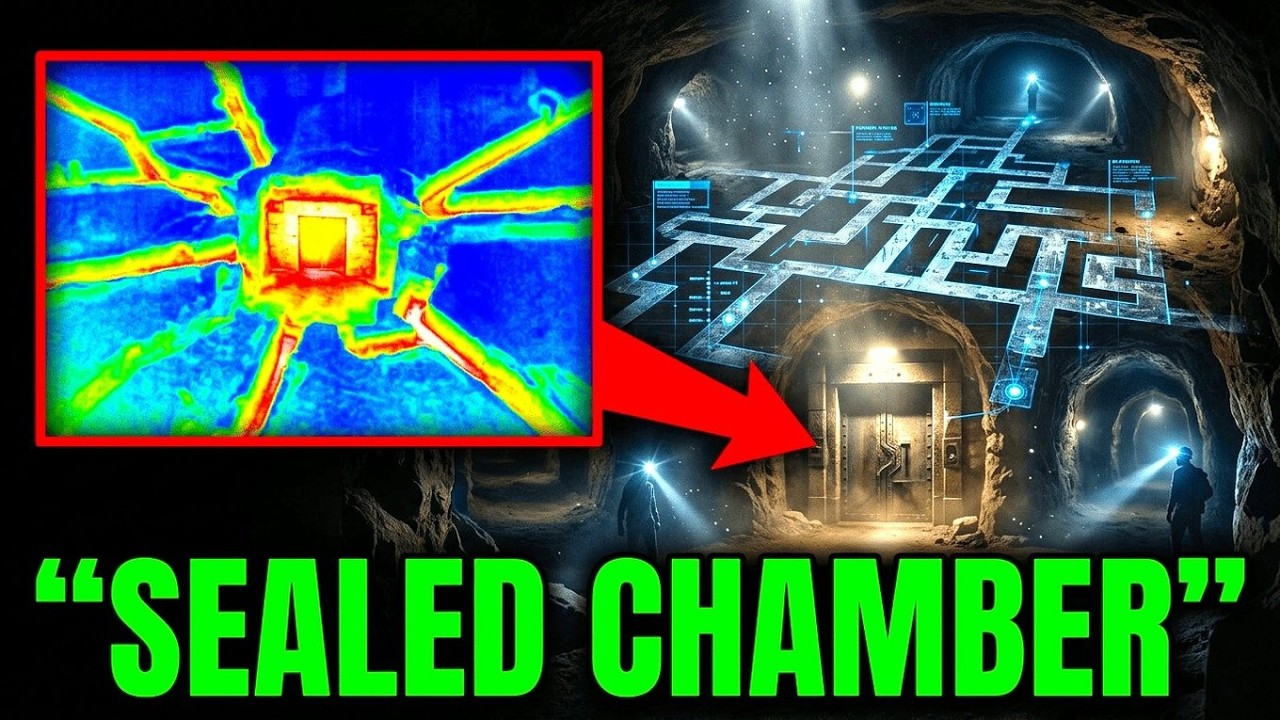
AI mapped every tunnel beneath Solomon’s Temple, and every passage reportedly leads toward one sealed chamber. Archaeologists and researchers, using advanced scanning technology, traced a sprawling network of subterranean corridors beneath the historic site for the first time.
Beneath the Temple Mount in Jerusalem lies a network of underground chambers that has been mapped, entered, and sealed multiple times over the past 150 years. No comprehensive archaeological excavation of the interior of the platform has ever been conducted.Between 1867 and 1981, four men entered parts of the underground system, and each produced plans or accounts that have never fully aligned. On…
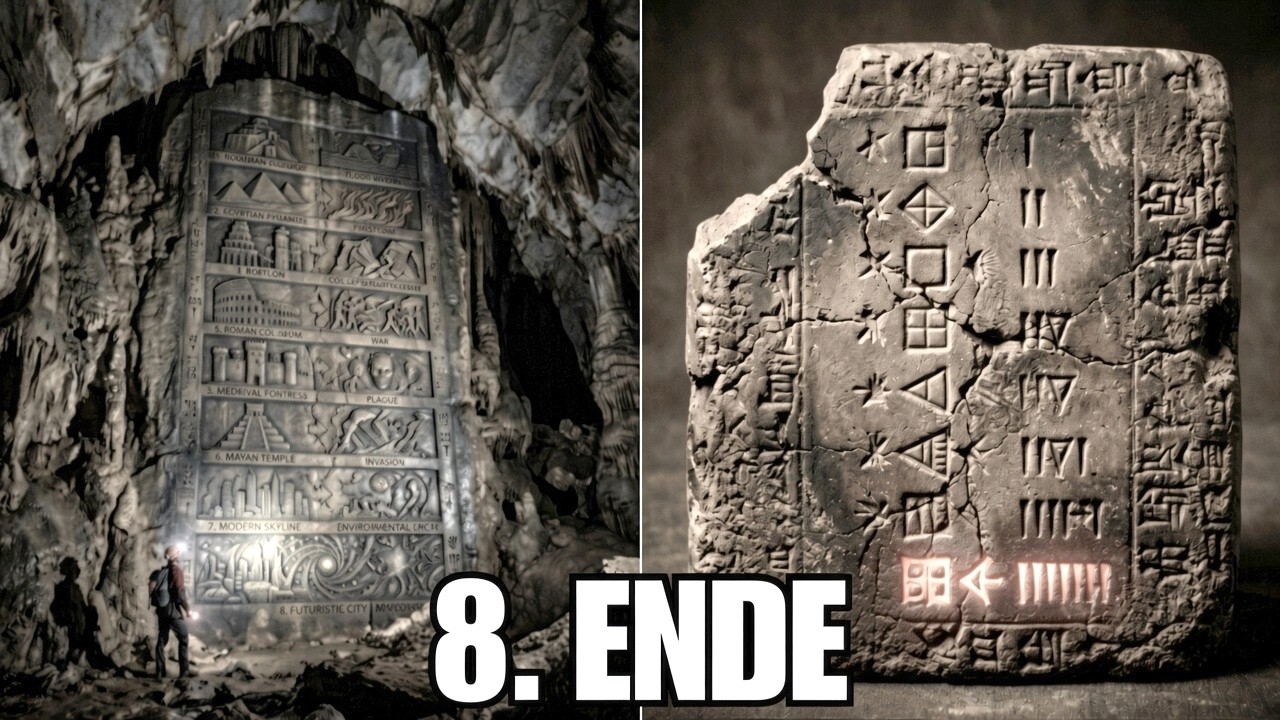
Eine 5.000 Jahre alte sumerische Tafel soll sieben untergegangene Zivilisationen auflisten – und das Schicksal der achten vorhersagen. Archäologen entdeckten die Tontafel in den Ruinen des antiken Nippur, bedeckt mit keilschriftlichen Warnungen vor Kriegen und Naturkatastrophen.
Im Jahr 1849 entdeckte der britische Archäologe Austen Henry Layard bei Ausgrabungen in der Bibliothek des assyrischen Königs Ashurbanipal im heutigen Irak eine kleine Tontafel. Sie war etwa handflächengroß und mit Keilschrift bedeckt. Die Entzifferung im British Museum dauerte rund 40 Jahre. Einige der beteiligten Forscher zeigten sich von dem Inhalt beunruhigt. Ein Teil ihrer Notizen wurde nie v…
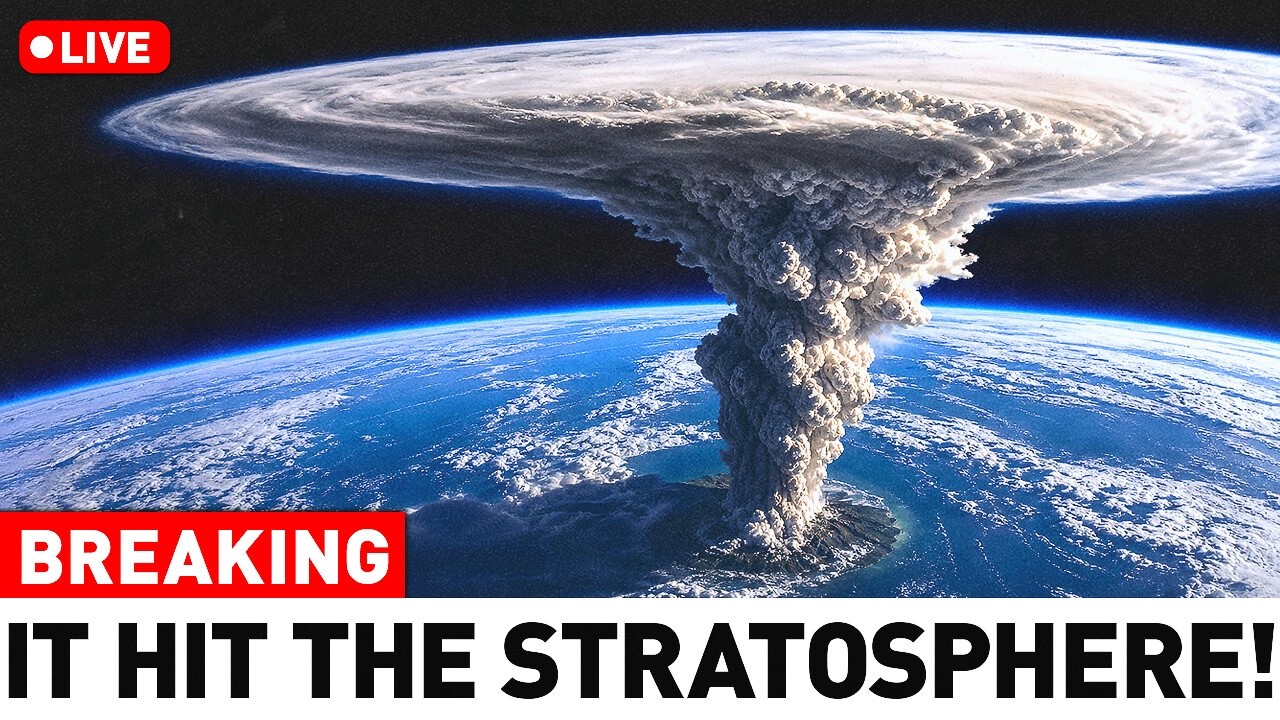
Mount Tambora’s 1815 blast hurled ash into the stratosphere, darkening skies across the globe. Historians call it the largest eruption in recorded history, yet the true catastrophe unfolded months later.
A supervolcano is a volcano capable of ejecting at least 240 cubic miles of material, roughly a thousand times more than a typical eruption. For comparison, that volume of debris would bury a city the size of Chicago under more than a mile of ash and rock. These eruptions leave behind enormous basin-shaped depressions called calderas, which sit above chambers of magma close to the Earth’s surface….
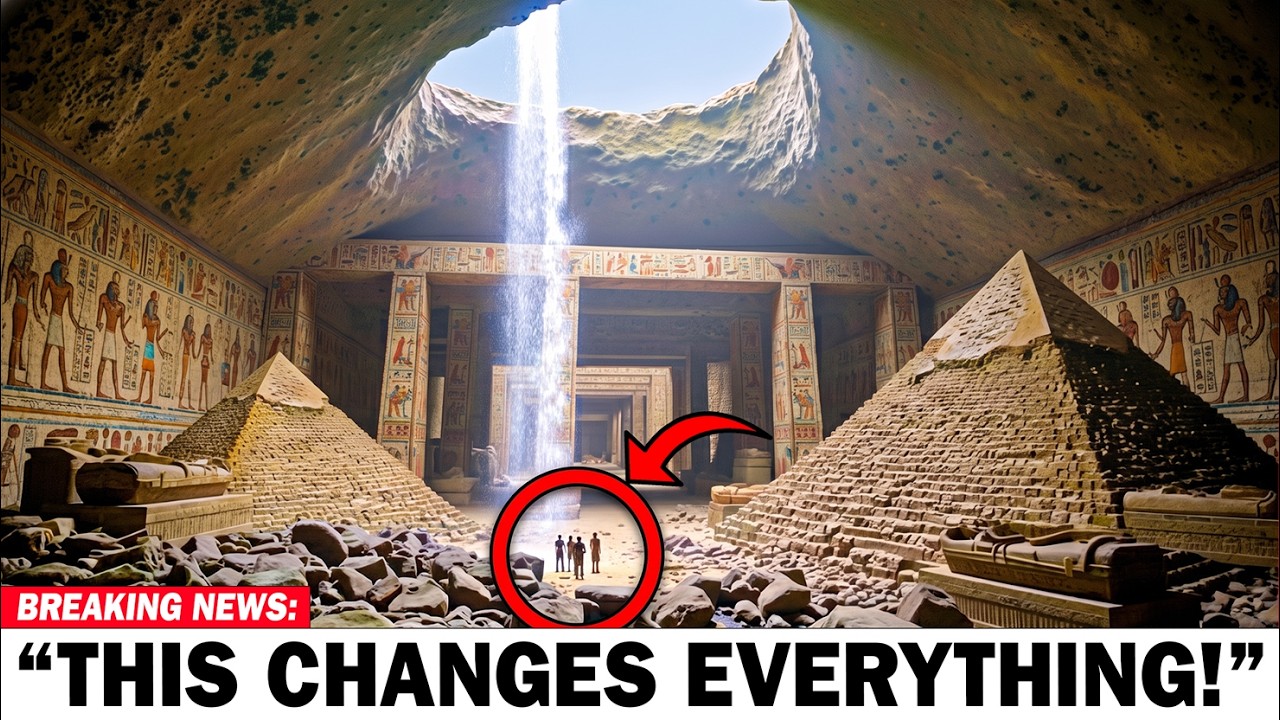
The Great Pyramid has hidden a secret for thousands of years—a massive underground cave discovered just beneath its base. Radar scans first hinted at something strange below the ancient stones, but no one could confirm it.
Researchers using muon tomography, a technique that tracks cosmic particles to map dense structures, identified an anomaly beneath the Great Pyramid of Giza during the Scan Pyramids mission. Initial teams suspected an equipment error, but subsequent scans from Nagoya University and France’s CEA confirmed the finding: a vertical cavity beneath the monument, extending more than 30 feet into a chambe…
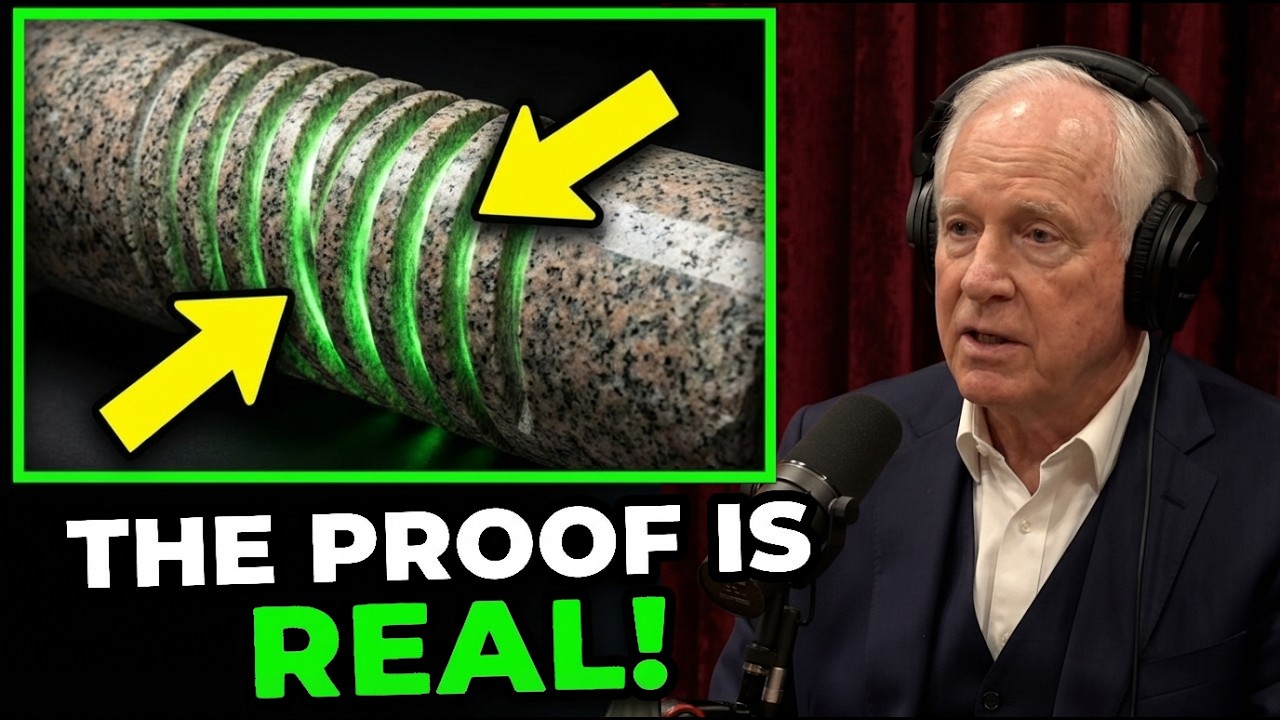
Deep inside the Great Pyramid, engineer Christopher Dunn claims he found physical proof of advanced machining—marks that should not exist in a structure built with copper tools. Examining tight granite passages, he identified what he describes as precision drill grooves and saw cuts, evidence that challenges everything we believe about ancient Egypt.
Christopher Dunn has spent more than five decades working in precision manufacturing, building components for jet engines, satellite guidance systems, and surgical implants. In his field, a deviation the width of a human hair means a part is scrapped. He is not an archaeologist or historian. He is an engineer who understands what controlled cutting processes leave behind in hard materials.In 1986,…
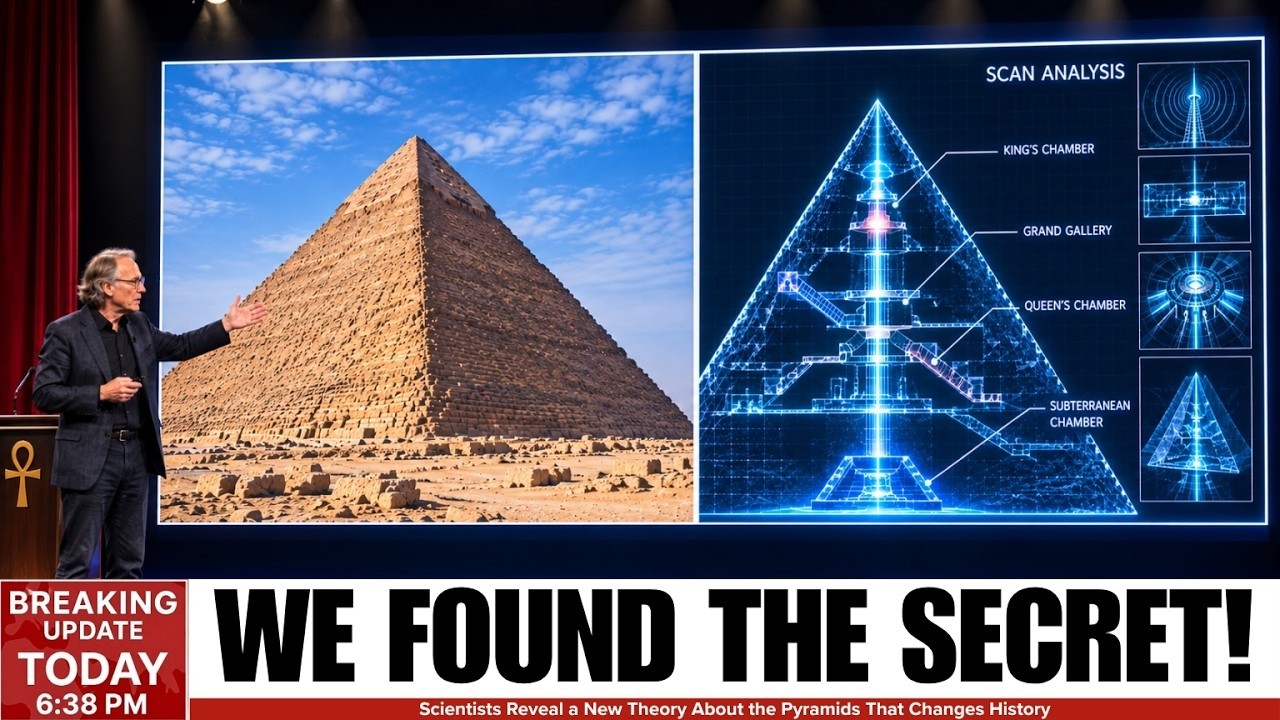
Scientists just revealed a new theory about the pyramids, and it could turn decades of accepted history upside down. For years, experts claimed the massive structures were built as tombs for ancient pharaohs, a belief so established it appears in textbooks worldwide.
A satellite radar survey published in 2024 identified the buried remains of a large ancient Nile branch running alongside Egypt’s pyramid fields. The waterway, named the Ahramat Branch, appears to have been roughly half a kilometer wide and at least 25 meters deep, comparable in scale to the modern Nile in Cairo. It extended about 64 kilometers from Giza south toward the town of Lisht.The discover…