The Arctic seafloor is cracking open, and scientists say underwater volcanoes are now stirring back to life in one of the most remote places on Earth. Researchers monitoring the region detected sudden fractures ripping through the ocean bed, an event experts haven’t witnessed at this scale before.
The Arctic is undergoing changes that scientists are still working to understand. In the East Siberian Sea, researchers are monitoring possible underwater volcanic activity near remote Bennett Island. Satellite imagery has detected plumes over the ocean that appear similar to volcanic emissions, and the seafloor in the area has shifted by roughly 3 to 40 feet over nine years. These signs suggest t…
The Arctic seafloor is cracking open, and underwater volcanoes are suddenly waking up after decades of silence. Scientists monitoring the remote region first noticed a series of violent tremors, then detected magma shifting far beneath the ice.
Scientists have been monitoring several geological and environmental developments in the Arctic, from potential underwater volcanic activity to shifting permafrost and changing ice conditions. Researchers are also studying the region’s mineral resources and the infrastructure challenges involved in accessing them.Possible underwater volcanic activity near Bennett Island in the East Siberian Sea ha…
A colossal, unidentified creature has washed ashore on a New Zealand beach, and experts can’t identify the species. The massive carcass has drawn immediate attention from locals and marine specialists, who are baffled by its unusual features and enormous size.
An early-morning discovery on a remote New Zealand beach in 2020 presented local authorities and marine biologists with an unusual challenge. A person walking their dog along the coastline found a large, unidentifiable mass of flesh. Initially, the size of the carcass suggested it might be a whale, but its shape, color, and texture did not match any familiar marine mammal. The remains were estimat…
Cameras lowered into the Mariana Trench have captured a mysterious living creature at nearly 36,000 feet deep, and science still cannot explain what it is. The footage emerged from one of the most extreme environments on Earth, where crushing pressure should make survival nearly impossible.
In March 2019, three commercial fishermen were working about 90 kilometers off the coast of Esperance, a remote town in southwestern Australia. Their boat was over water more than 4,000 meters deep. The sonar detected something unusual at roughly 600 meters, and soon after, a large, dark shape moved beneath their vessel.The three men had decades of combined professional experience. The lead fisher…
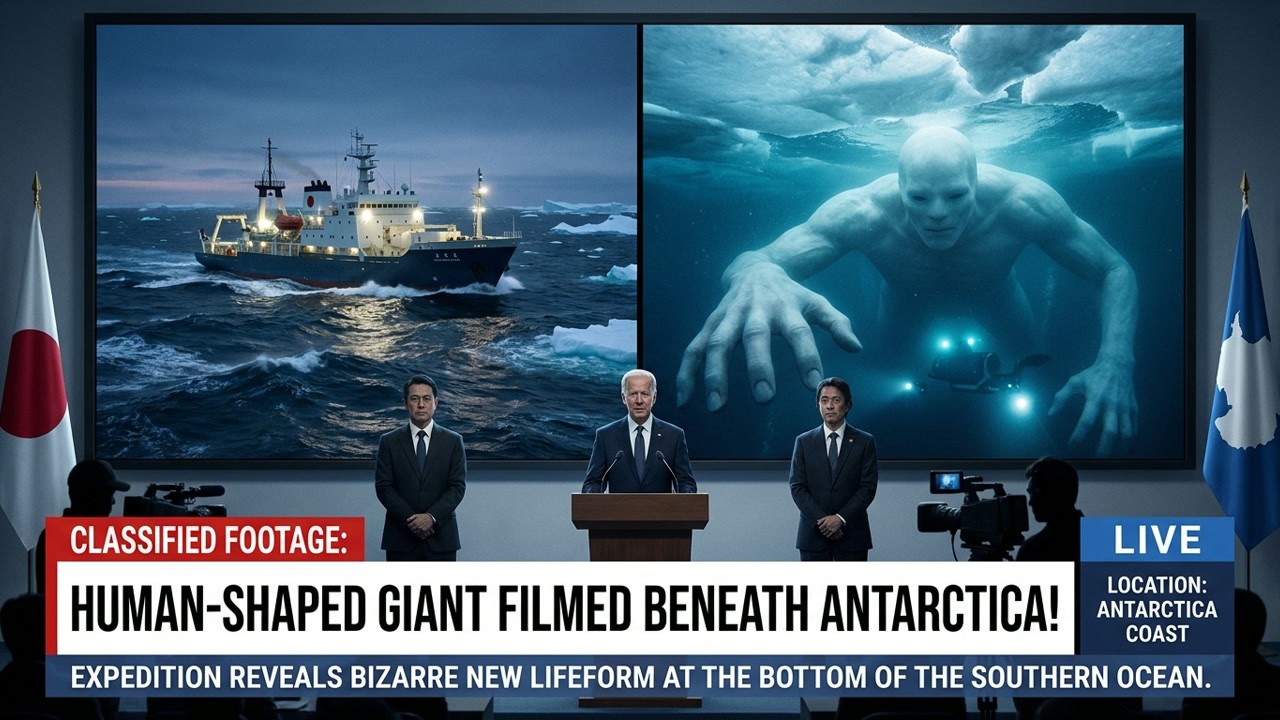
A declassified report resurfaces claiming giant humanoid creatures, known as the Ningen, swim beneath Antarctica’s frozen waters. Eyewitness accounts describe pale, whale-sized figures with human-like arms and legs surfacing near remote research stations, leaving crews shaken.
The Ningen is a name that has circulated for years in stories about the Southern Ocean, the cold ring of water surrounding Antarctica. The word itself is Japanese and translates simply to “human.” It is the name given by sailors to reports of a large, pale, human-shaped creature said to swim in those remote waters.There is no verified evidence that such a creature exists. No specimen, skeleton, or…
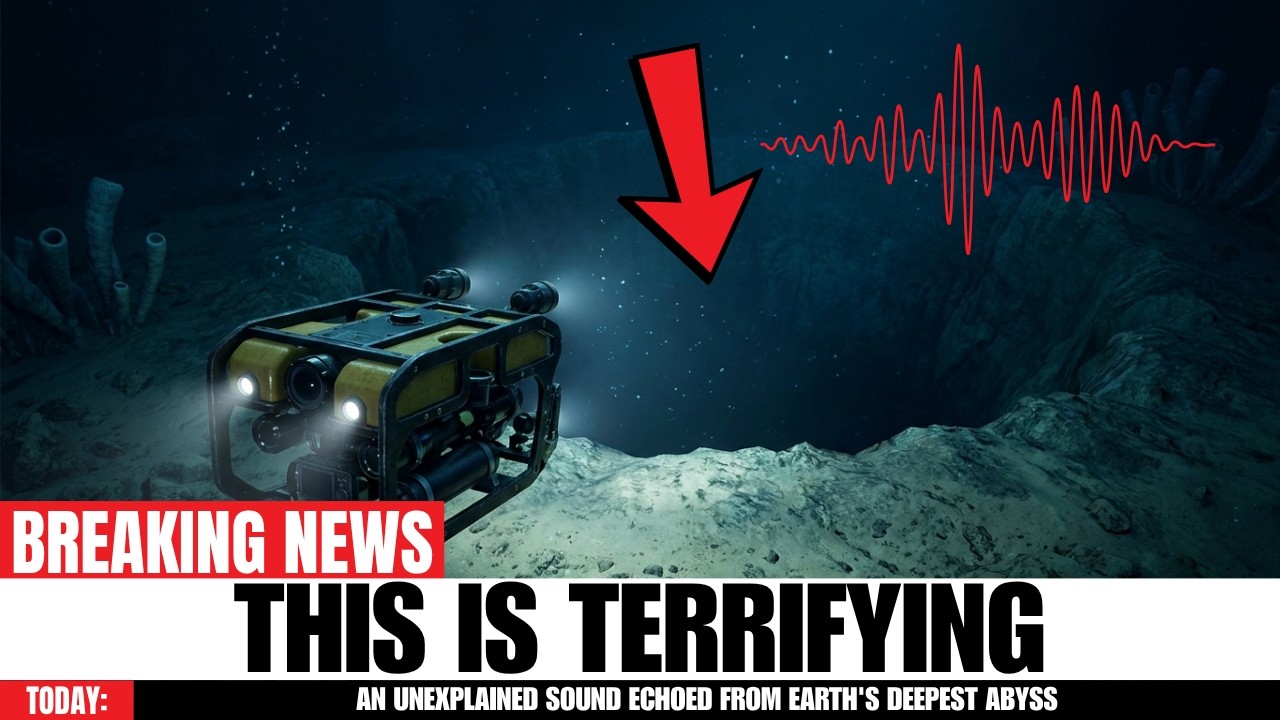
An unexplained sound echoed from Earth’s deepest abyss, and scientists admit they cannot fully identify it. The faint, persistent hum was detected by sensors buried miles below the ocean’s surface, a place where silence should be absolute.
In October 2014, a research vessel from Oregon State University traveled to the Mariana Trench in the western Pacific Ocean to study the deepest part of the seafloor. The team deployed an underwater drone equipped with sensitive listening devices, which descended nearly seven miles into darkness. At that depth, water pressure reaches roughly eight tons per square inch, and sunlight has not penetra…
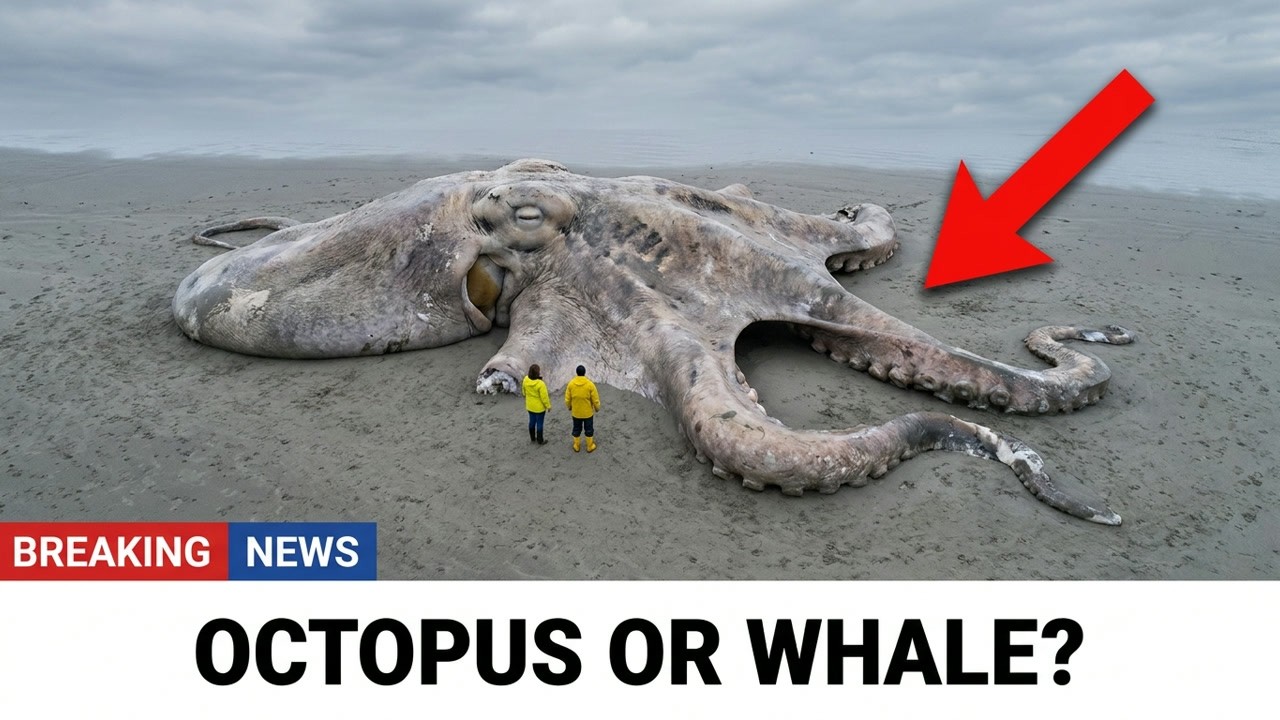
A giant sea monster washed ashore in 1896, sparking a scientific feud that lasted a full century. The remains were massive, with strange tentacle-like appendages, and it was found in St.
On November 30, 1896, two boys riding bicycles along the beach of Anastasia Island, near St. Augustine, Florida, found a large object half-buried in the sand. The tide was out, and the mass was pale, rubbery, and roughly the size of a small house. The boys did not touch it and rode back to town to report what they had seen.Word spread quickly, and residents came out to examine the object. Among th…

They found something ALIVE near Antarctica’s ice wall, and its arrival defies every expectation of what can survive in that frozen void. Scientists initially believed the discovery was frozen debris, until movement was detected deep within the ice.
About 310 million years ago, the area that is now Illinois was covered by shallow coastal waters and muddy shores. Sediment from rivers often buried marine creatures, and in some cases trapped them in iron-rich nodules before they could decay. That is how soft-bodied animals, which usually do not leave fossils, were preserved in detail at a site known as Mazon Creek.Every known fossil of the Tully…
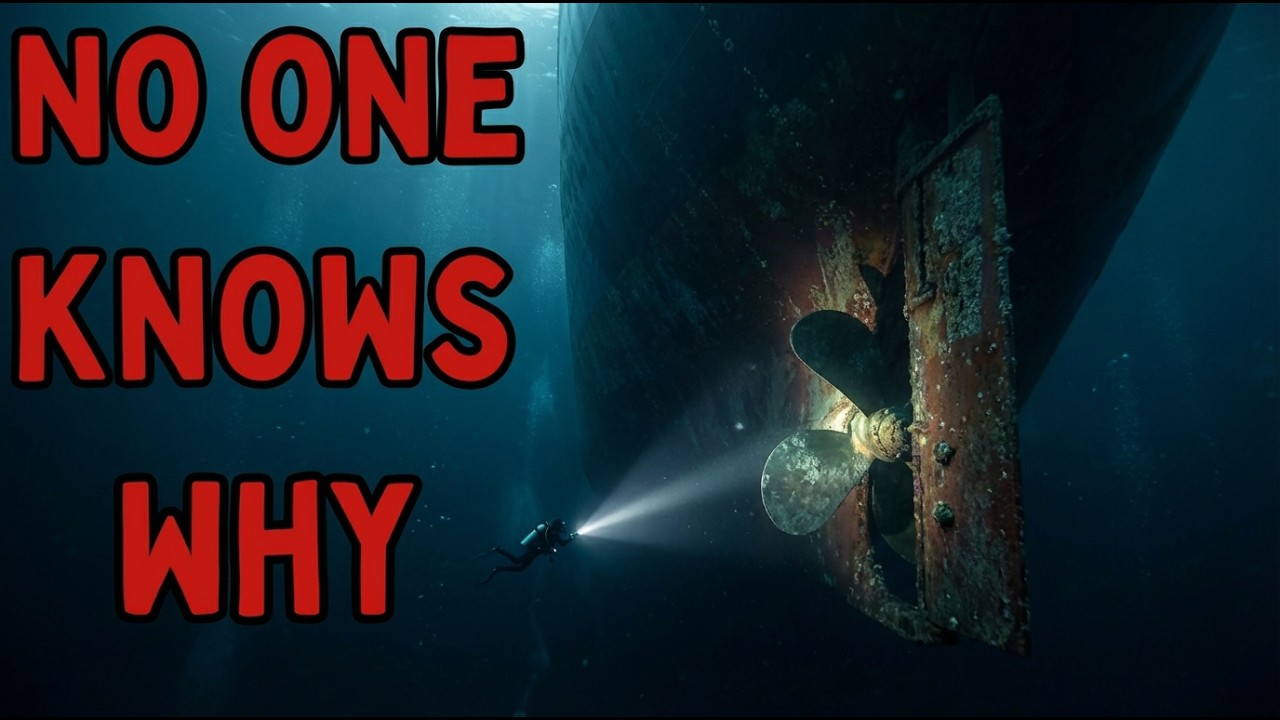
More than 6,000 ships lie beneath the Great Lakes, their wrecks frozen in eerie, cold freshwater silence. But among them, one mystery refuses to settle.
Five shipwrecks in the Great Lakes continue to present unresolved questions for historians, engineers, and physicists. Estimates from the National Oceanic and Atmospheric Administration and maritime heritage researchers suggest that between 6,000 and 10,000 ships have been lost in the five lakes. Because the freshwater at the bottom is near freezing and low in oxygen, many of these wrecks have not…
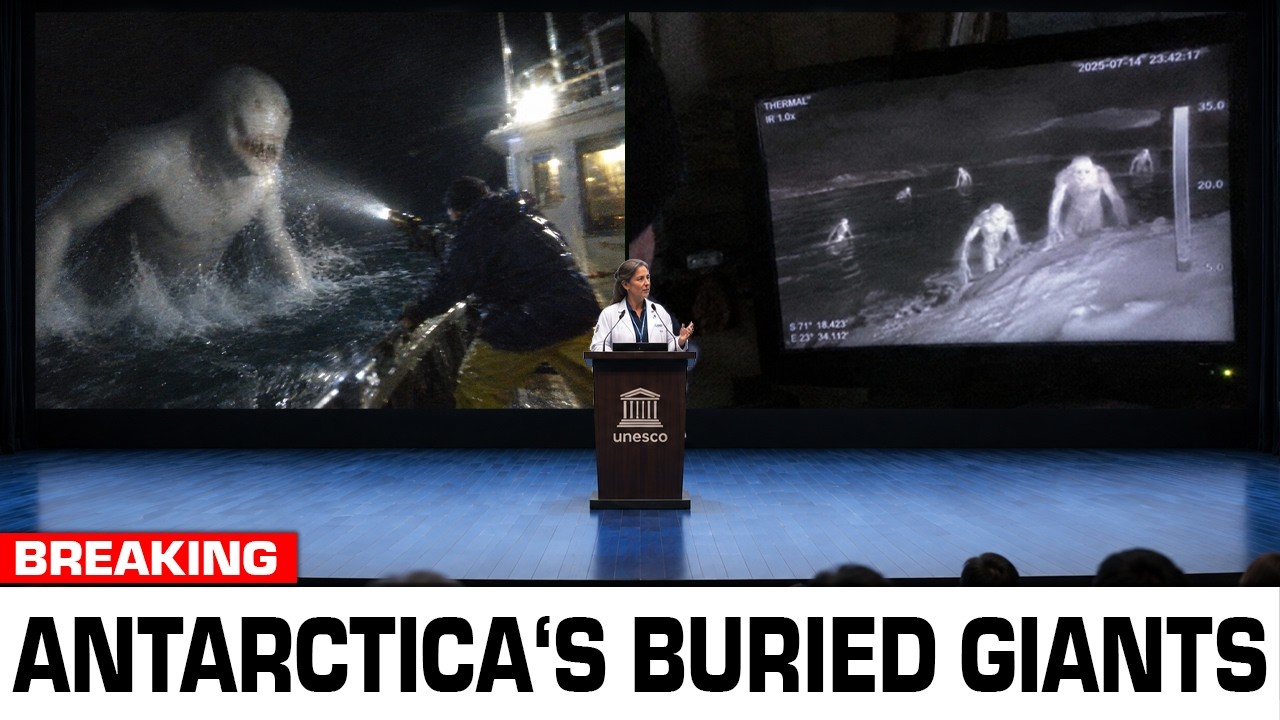
They call it the Ningen—a massive, human-shaped creature reportedly sighted in the freezing waters beneath Antarctica. Researchers and sailors have described a terrifying white figure stretching over thirty meters long, moving with eerie intelligence.
The Ningen is a modern Japanese urban legend that originated on an anonymous internet forum in 2002. Researchers Derek Hayward and Christopher Greenland, who study folklore rather than marine biology, traced the story’s development for the International Journal of Research into Island Cultures. They dated its core version to May 2002, considerably earlier than most casual retellings suggest.The or…