
Palaeontologists working along the shores of Chesapeake Bay have been searching for evidence of the largest shark ever to inhabit the oceans, a species known as the megalodon. Their work focuses on
Palaeontologists working along the shores of Chesapeake Bay have been searching for evidence of the largest shark ever to inhabit the oceans, a species known as the megalodon. Their work focuses on fossil remains that may help explain the biology and eventual extinction of this prehistoric predator.One of the most famous accounts associated with the megalodon dates back to 1918, near Broughton Isl…
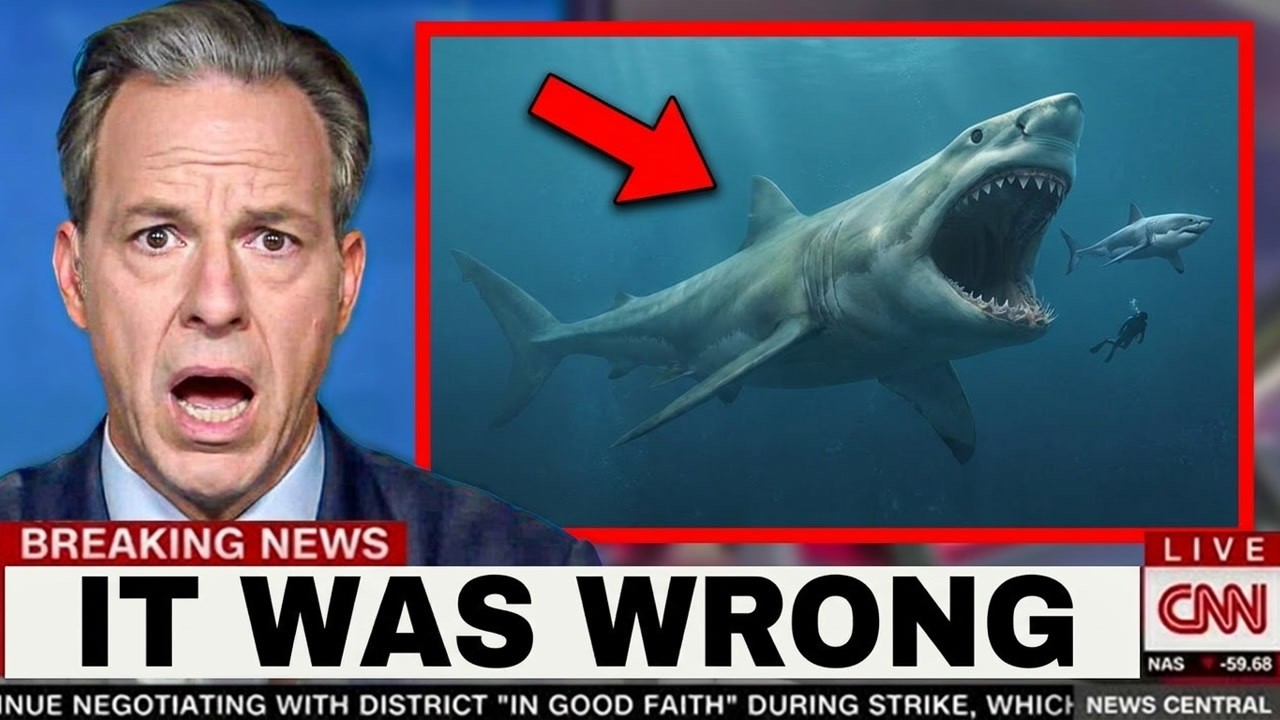
In March 2025, a team of 29 researchers from nine countries published a study that revised the accepted reconstruction of the megalodon, one of the largest predatory sharks ever known. Their work
In March 2025, a team of 29 researchers from nine countries published a study that revised the accepted reconstruction of the megalodon, one of the largest predatory sharks ever known. Their work suggests that the animal was not a larger version of the great white shark, the form long used in museums, films, and textbooks, but a longer, more slender creature whose closest living anatomical match i…
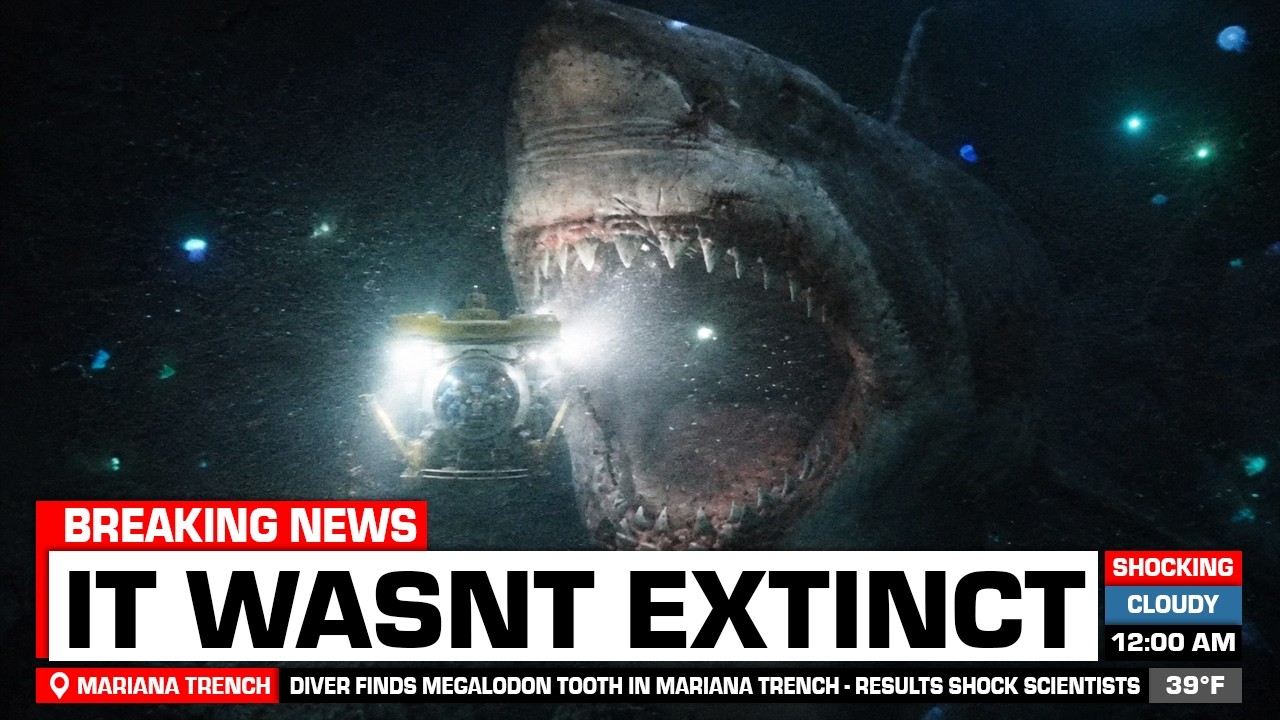
In 1875, the crew of the British research vessel HMS Challenger dredged the seafloor near Tahiti in the South Pacific. Among the sediment and fossil material brought up from a depth of about 4,360
In 1875, the crew of the British research vessel HMS Challenger dredged the seafloor near Tahiti in the South Pacific. Among the sediment and fossil material brought up from a depth of about 4,360 meters were two teeth from Otodus megalodon, the extinct giant shark. Each tooth measured roughly four inches long, a size consistent with megalodon specimens already recovered on land across multiple co…
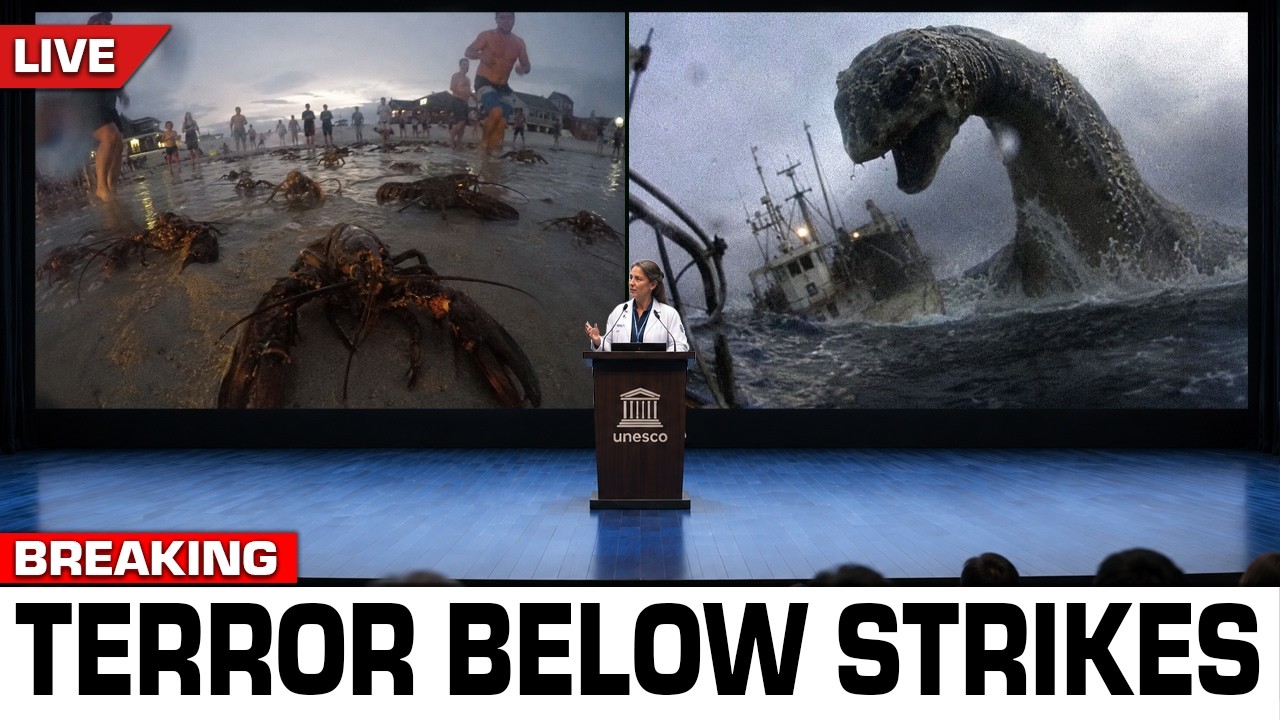
In 1918, a group of professional crayfish fishermen working out of Port Stevens on the coast of New South Wales, Australia, stopped visiting their regular fishing grounds near Broughton Island for
In 1918, a group of professional crayfish fishermen working out of Port Stevens on the coast of New South Wales, Australia, stopped visiting their regular fishing grounds near Broughton Island for several days. This was an unusual decision, as these men worked those waters for a living, and refusing paid work carried a real financial cost.David George Stead, a naturalist and the manager of the sta…
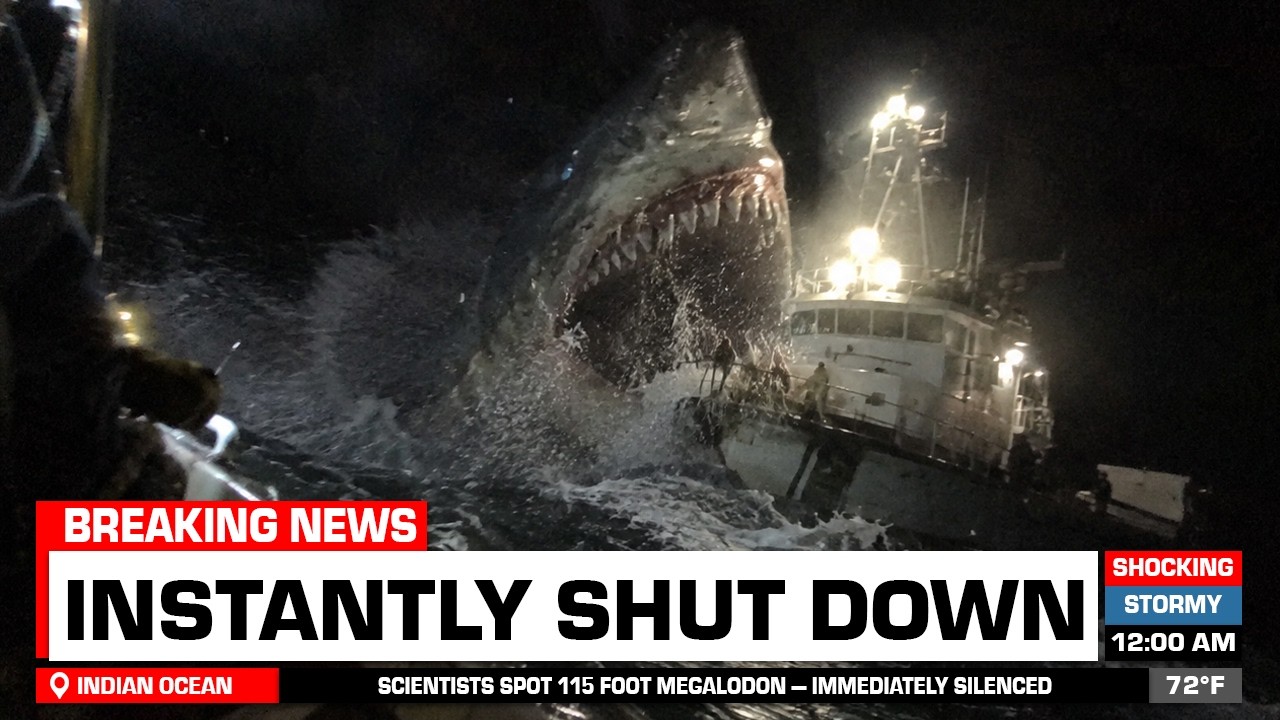
No megalodon tooth has ever been dated younger than 3.6 million years. No carcass, bite mark, or specimen tied to the species exists anywhere near modern waters. Viral videos claim scientists filmed
No megalodon tooth has ever been dated younger than 3.6 million years. No carcass, bite mark, or specimen tied to the species exists anywhere near modern waters. Viral videos claim scientists filmed a living megalodon measuring 115 feet and were silenced. No name, no ship, and no institution is attached to that story. Something was measured, but it was not a shark.The number 115 feet does not come…
Claims that Megalodon, the prehistoric shark that lived millions of years ago, might still exist in the Mariana Trench are not supported by the fossil record, marine biology, or any verified physical
Claims that Megalodon, the prehistoric shark that lived millions of years ago, might still exist in the Mariana Trench are not supported by the fossil record, marine biology, or any verified physical evidence. No fossil, tissue sample, or confirmed sighting of Megalodon or anything resembling it in the modern ocean has ever been documented.The idea traces back primarily to a 2013 Discovery Channel…
Fossil evidence indicates that Otodus megalodon went extinct roughly 3.6 million years ago. Paleontologists consider this one of the more settled questions in their field, supported by a substantial
Fossil evidence indicates that Otodus megalodon went extinct roughly 3.6 million years ago. Paleontologists consider this one of the more settled questions in their field, supported by a substantial fossil record and, more recently, by analysis of the shark’s physiology. Despite this, claims that a living megalodon was filmed by an oil rig camera and that the footage was subsequently deleted have…
“`text The Mariana Trench was thought to be a lifeless desert—until a submersible’s camera caught something far larger than a Megalodon gliding through the abyss. Scientists initially dismissed the shadow as a malfunction, but the sonar data told a different story.
Megalodon is widely regarded as the largest predator ever to inhabit the oceans. It appeared in the fossil record roughly 20 to 23 million years ago and remained present for nearly 20 million years. Based on a major 2025 study involving nearly 30 shark experts, the species could reach approximately 24 meters in length and weigh as much as 94 tons, making it several times larger than the largest re…
A massive shadow glides beneath an Australian fishing boat, and the crew suddenly cuts their lines. The fishermen claim the silhouette was far bigger than their vessel, sparking fears they had just encountered a megalodon.
The teeth of Otodus megalodon sit in museum cases around the world, and the first thing visitors notice is their unnatural scale. Some are seven inches long, wider than a grown man’s open hand, with serrations so regular they appear manufactured. They came from the rock, buried in sediment that predates human history, but the animal they belonged to was real. Estimates place the largest megalodons…
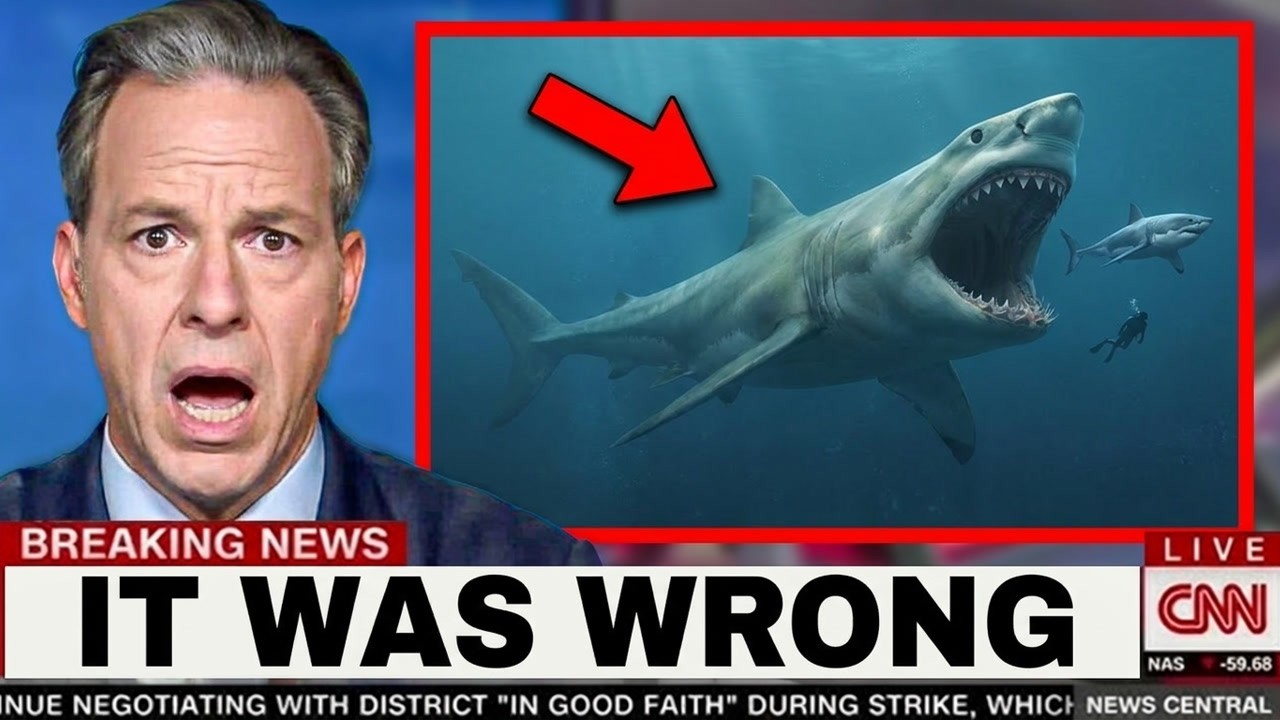
Scientists had always portrayed the megalodon as a giant great white shark, scaled up from teeth that looked the same but were far larger. For over a century, that assumption went virtually unchallenged in museums and movies.
Nearly every image of the megalodon ever produced—in films, museums, and textbooks—has been a reconstruction based on limited evidence, not a direct portrait. Because shark skeletons are made of cartilage, which rots quickly rather than fossilizing, no complete megalodon skeleton has ever been found in over 150 years of searching.What scientists do have are teeth, which are abundant. A single shar…