
Crews still call it the most brutal ocean stretch on Earth—a graveyard of ships where waves rise taller than apartment buildings. The Drake Passage sits between Antarctica and South America, a violent chokepoint where three oceans collide and storms can appear without warning with winds that would flatten a city.
The Drake Passage is a roughly 600-mile stretch of ocean between the southern tip of South America and the South Shetland Islands, north of the Antarctic Peninsula. It is the narrowest point in the Antarctic Circumpolar Current, the strongest ocean current on the planet. That current flows uninterrupted around Antarctica, driven by westerly winds with no landmass to slow it down.Because the passag…
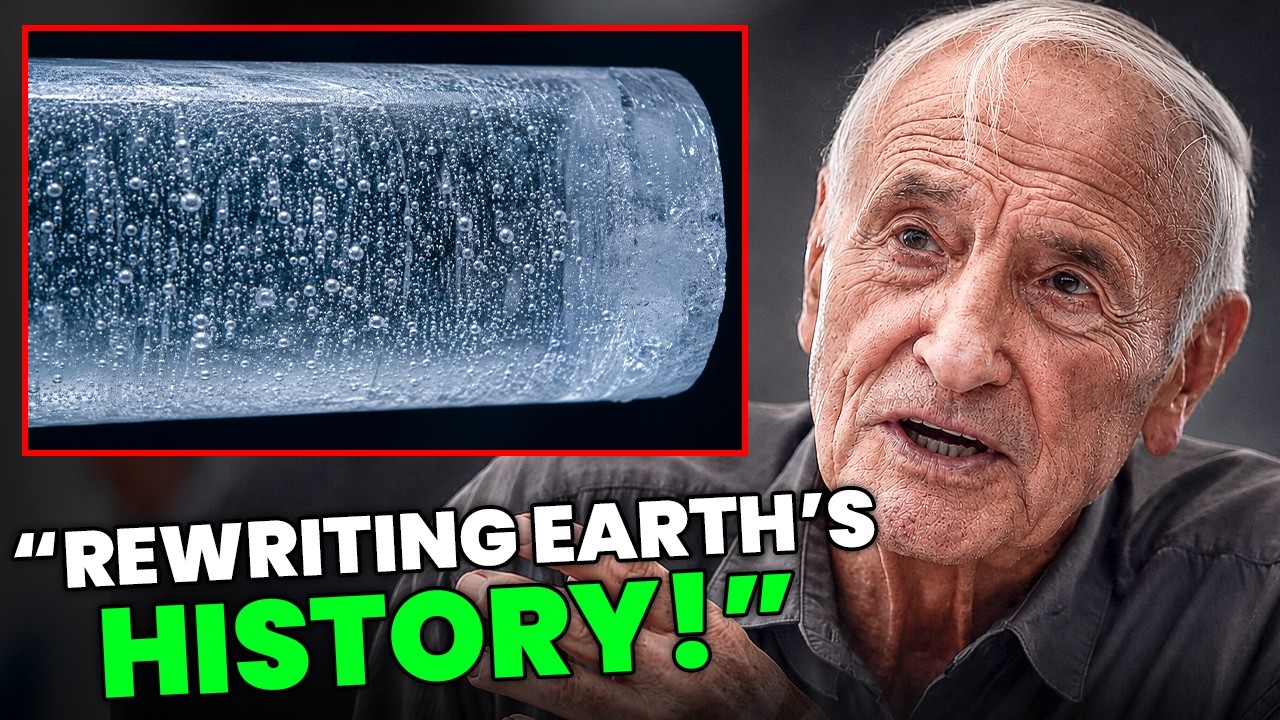
Scientists just pulled a 1.2-million-year-old ice core from Antarctica, and it’s already challenging what we know about Earth’s past. The ancient ice, buried deep beneath the continent’s frozen surface, contains trapped air bubbles that act as a time capsule of ancient atmospheres.
In January 2025, a team of scientists working in Antarctica recovered an ice core from 2,800 meters below the surface. The core contains a continuous climate record spanning 1.2 million years, including air bubbles that preserve the composition of the atmosphere at the time the ice formed. The samples predate the appearance of modern humans and extend significantly further back than any previous i…
A research team reported a live object moving beneath Antarctica’s ice—and no one has returned since. The discovery came during a routine deep-ice survey, when sensors suddenly detected biological activity far below the surface where life should be impossible.
In 2021, a team drilling for sediment samples on the Filchner-Ronne Ice Shelf in Antarctica made an unexpected biological discovery. The researchers, who were focused on geological work rather than marine biology, lowered a camera into a borehole and found a boulder on the seafloor covered with living animals, including sponges and other stationary organisms. The location was roughly 260 kilometer…
The Ningen, a massive white humanoid allegedly lurking beneath Antarctic waters, remains one of the internet’s most terrifying unsolved mysteries. Eyewitness accounts describe a colossal creature, sometimes exceeding thirty meters long, with smooth, human-like skin and appendages resembling arms.
The Ningen is a reported sea creature from the Southern Ocean near Antarctica, described by witnesses as a large, white, human-shaped being. The name comes from the Japanese word for “human being.” Accounts of the creature first appeared in the early 2000s on Japanese internet forums and were later covered by Mu, a Japanese magazine devoted to unexplained phenomena.Descriptions of the Ningen are c…
A declassified report resurfaces claiming giant humanoid creatures, known as the Ningen, swim beneath Antarctica’s frozen waters. Eyewitness accounts describe pale, whale-sized figures with human-like arms and legs surfacing near remote research stations, leaving crews shaken.
The Ningen is a name that has circulated for years in stories about the Southern Ocean, the cold ring of water surrounding Antarctica. The word itself is Japanese and translates simply to “human.” It is the name given by sailors to reports of a large, pale, human-shaped creature said to swim in those remote waters.There is no verified evidence that such a creature exists. No specimen, skeleton, or…
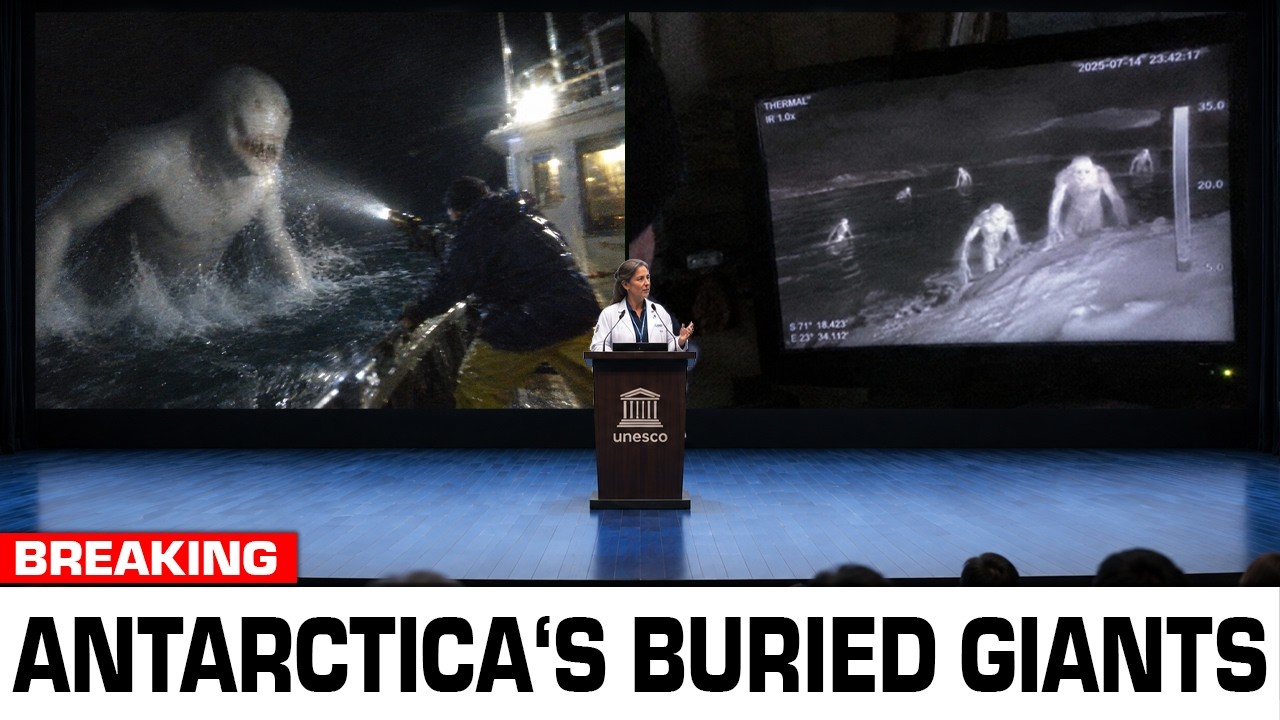
They call it the Ningen—a massive, human-shaped creature reportedly sighted in the freezing waters beneath Antarctica. Researchers and sailors have described a terrifying white figure stretching over thirty meters long, moving with eerie intelligence.
The Ningen is a modern Japanese urban legend that originated on an anonymous internet forum in 2002. Researchers Derek Hayward and Christopher Greenland, who study folklore rather than marine biology, traced the story’s development for the International Journal of Research into Island Cultures. They dated its core version to May 2002, considerably earlier than most casual retellings suggest.The or…