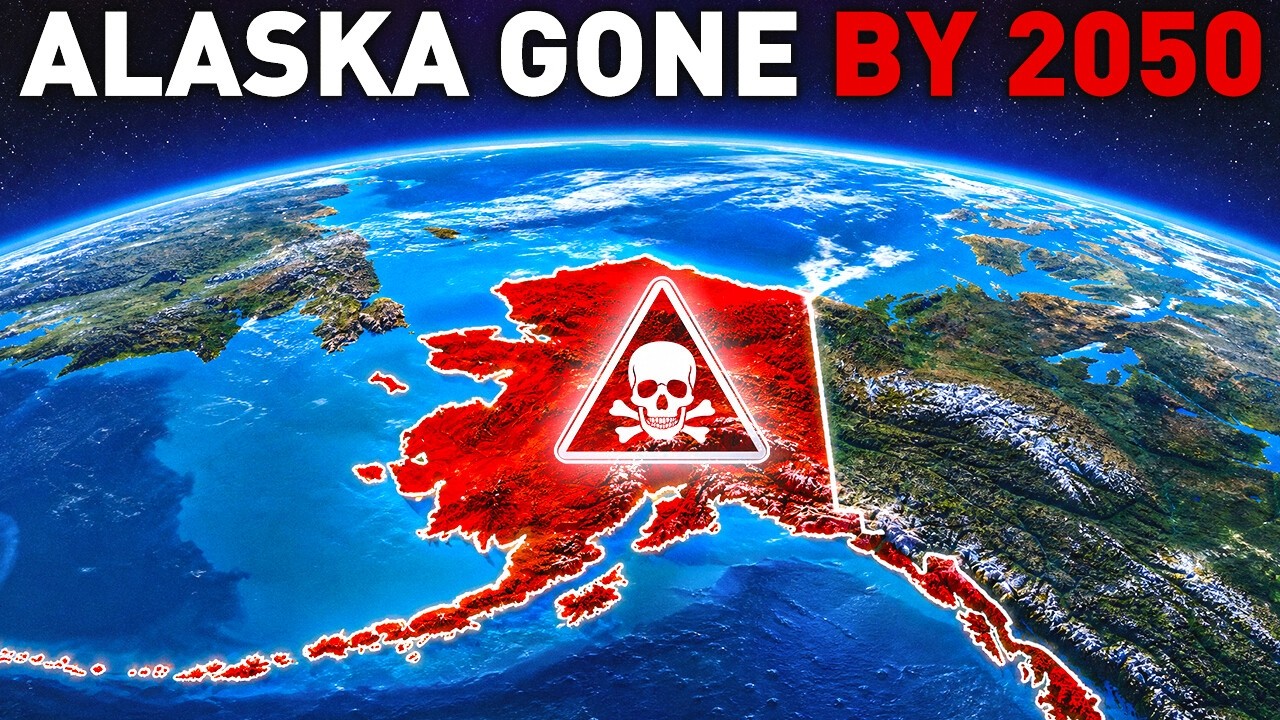
Alaska’s frozen ground is vanishing, and scientists warn that nearly 40 percent of the state could become unstable by mid-century. Permafrost, long locked beneath the surface, is thawing at an alarming rate as temperatures climb.
The state of Alaska is warming at roughly two to three times the rate of the rest of the United States, and the effects are visible in its terrain. In areas where the ground has long been held together by permafrost, rising temperatures are causing the soil to destabilize. Trees in some forests lean at sharp angles because the ground beneath them is softening. Local residents have referred to thes…
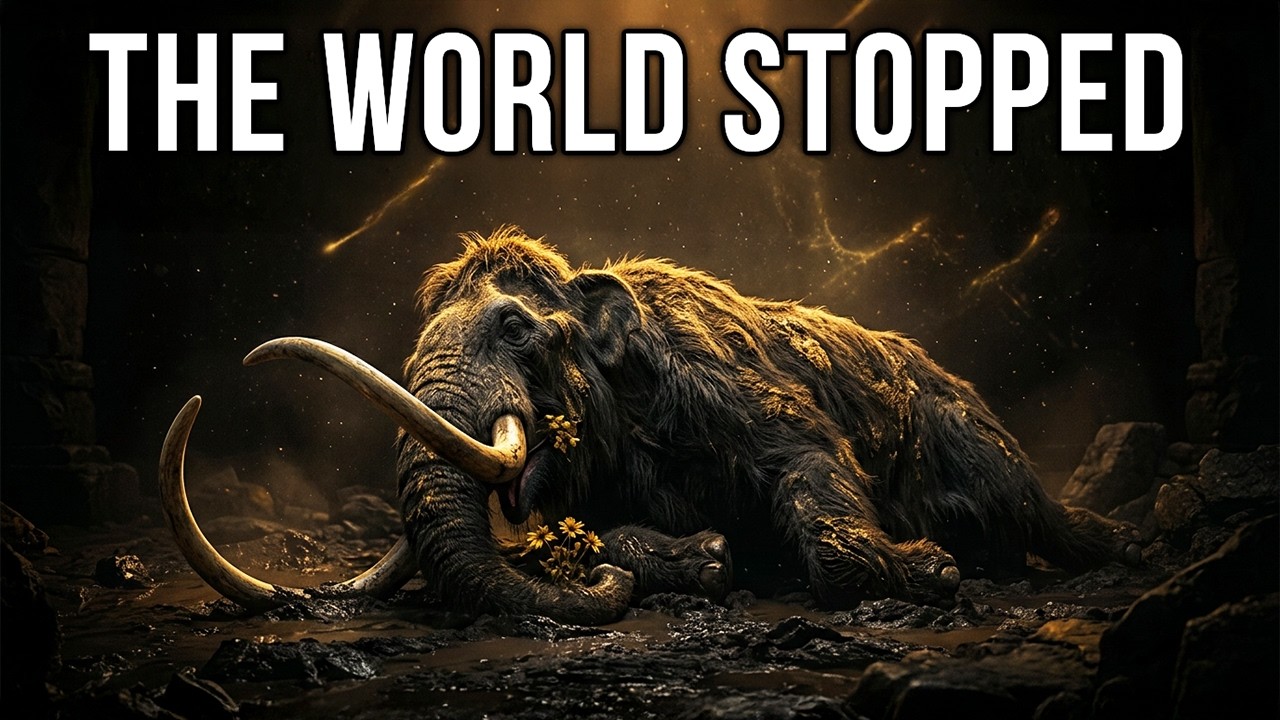
Twelve thousand eight hundred years ago, something slammed Earth’s climate to a halt, yet almost no one agrees on what caused it. Ice sheets that had been melting suddenly re-froze, plunging the planet back into near-glacial conditions for over a millennium.
About 12,800 years ago, near the end of the last ice age, a sudden cooling event interrupted a period of global warming. The temperature in Greenland fell by roughly 10 degrees Celsius, and cold conditions lasted for about 1,200 years before warming resumed. This period is known as the Younger Dryas, named after an Arctic wildflower whose pollen appears in lake sediments at the time of the cooling…
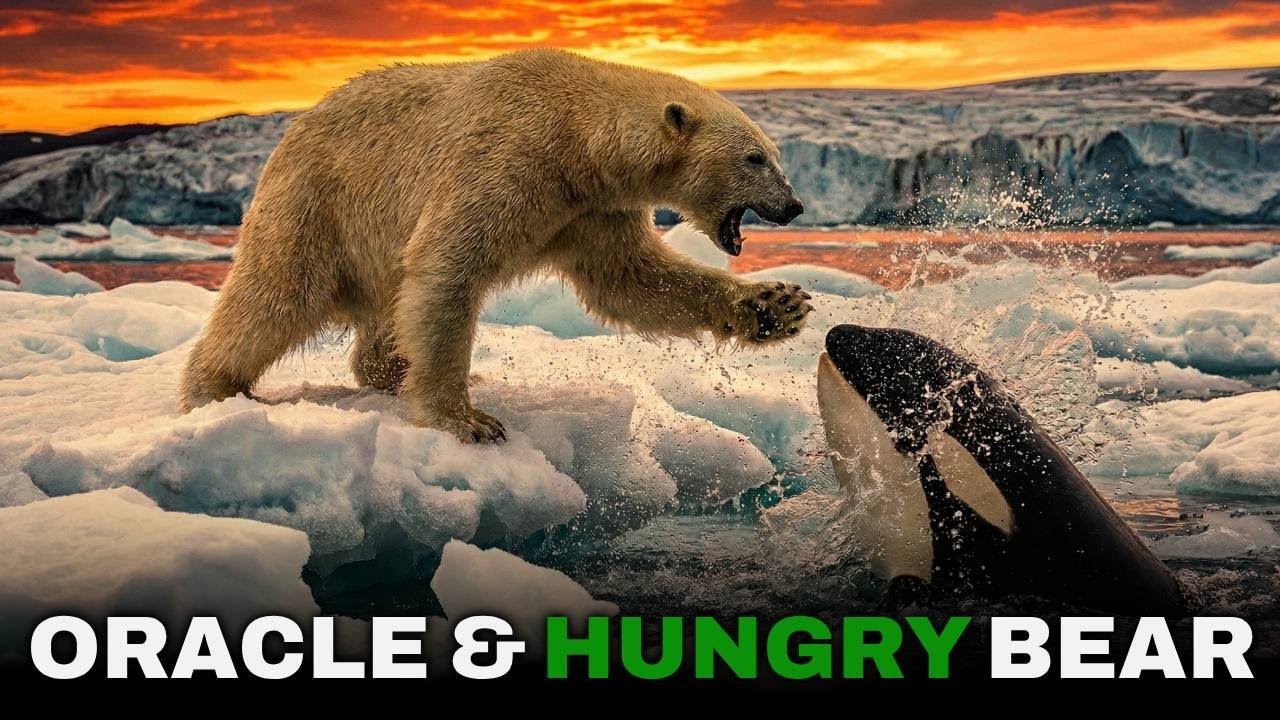
A starving polar bear slammed its paw into the ice as a pod of orcas circled dangerously close. The hungry titan spotted the dark fins rising from the freezing water, and for a moment, it seemed ready to attack.
In the Arctic, two predators occupy the top of the food chain in separate domains. On the ice, the polar bear relies on strength and endurance. In the water, the killer whale uses speed and coordinated hunting strategies. For thousands of years, their territories rarely overlapped, but the shrinking of sea ice is bringing them into closer contact and changing the dynamics of Arctic predation.Resea…