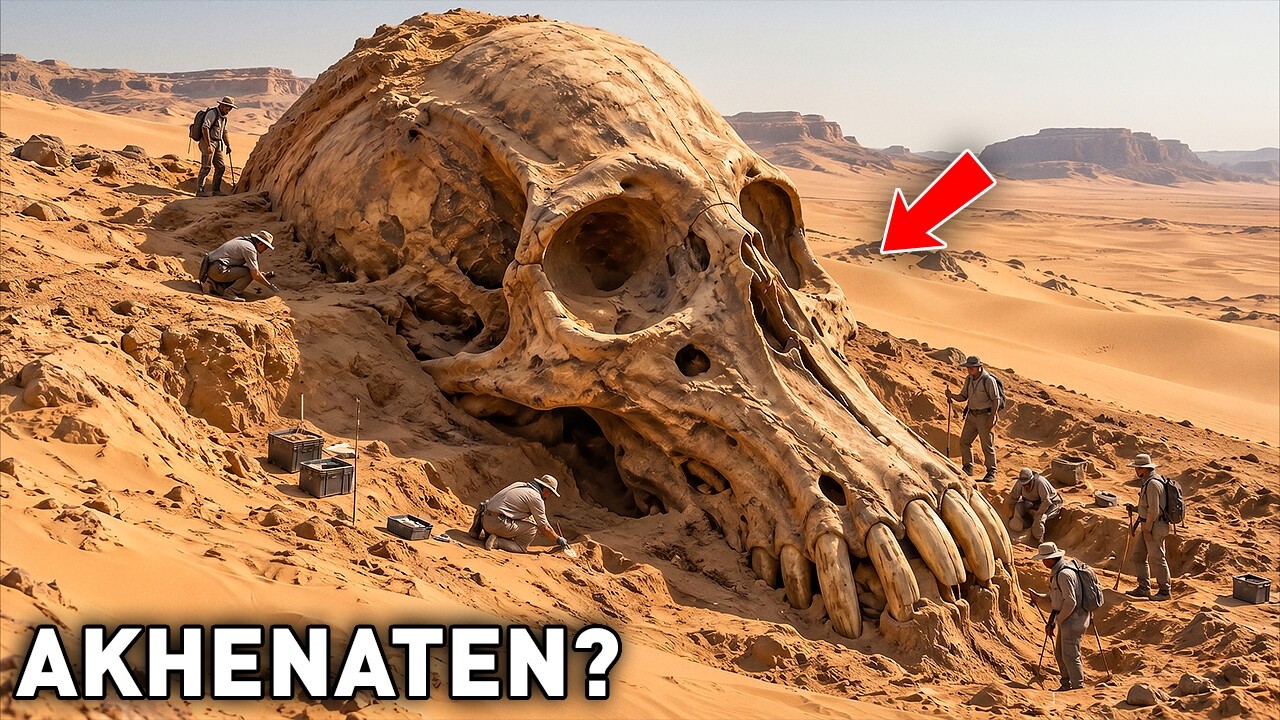
Archaeologists digging in Egypt’s desert unearthed a giant elongated skull that defies explanation. The discovery emerged from a burial site unlike anything nearby, with the strange cranium buried alone and deliberately angled.
Thousands of years ago, the Sahara Desert was not the arid expanse it is today. It was a green region with rivers, lakes, and vegetation, inhabited by pastoralist communities. Recent analysis of two mummies found in a rock shelter called Takarkori has provided new insight into how knowledge and culture spread in the ancient world.The mummies, estimated to be about 7,000 years old, belonged to wome…
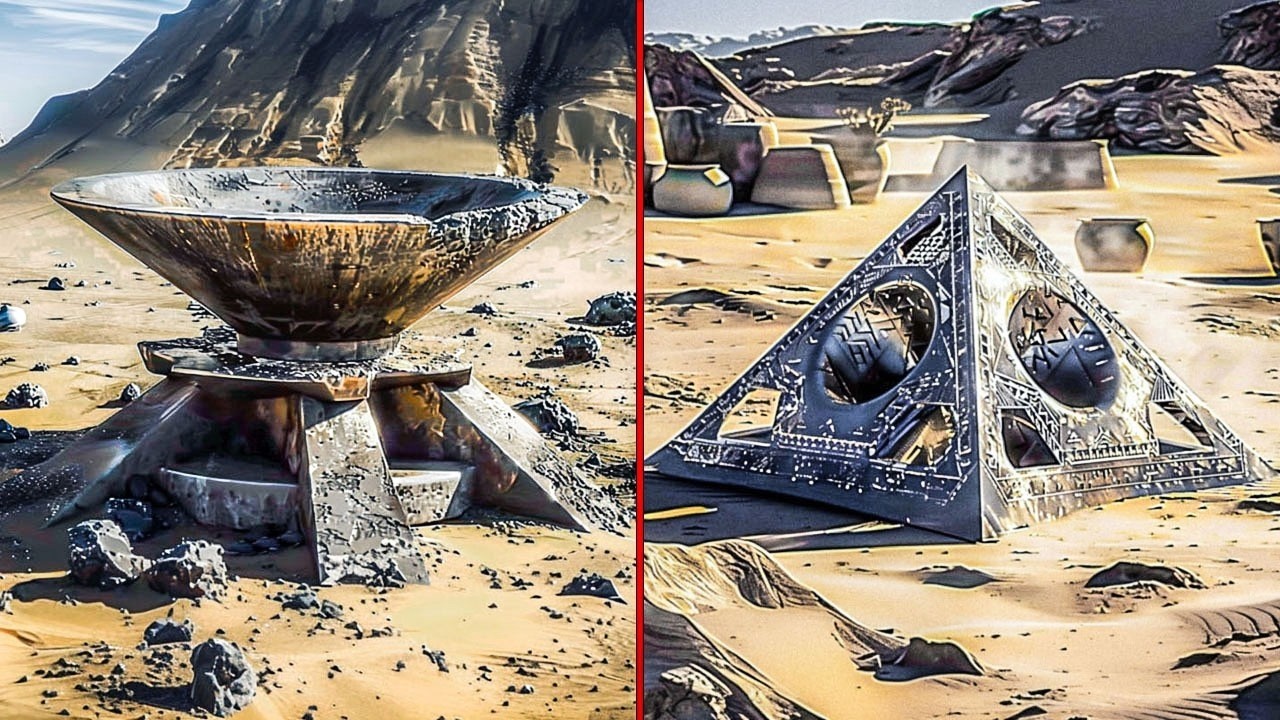
Ägyptens Pyramiden sind Jahrtausende alt – doch neue Funde deuten darauf hin, dass dort noch viel ältere Spuren verborgen liegen. Forscher untersuchen Steinblöcke und Strukturen, die unmöglich mit den bekannten Methoden der Pharaonen entstanden sein können.
Wenn wir an das alte Ägypten denken, stehen meist Pyramiden, Goldschätze und monumentale Tempel im Vordergrund. Doch einige Fundstücke und Bauwerke werfen die Frage auf, ob es vor den Dynastien eine noch ältere, technisch versierte Zivilisation gegeben haben könnte. Verschiedene Artefakte und Steinbrüche zeigen Bearbeitungsspuren, die mit den traditionell angenommenen Methoden und Werkzeugen nur s…
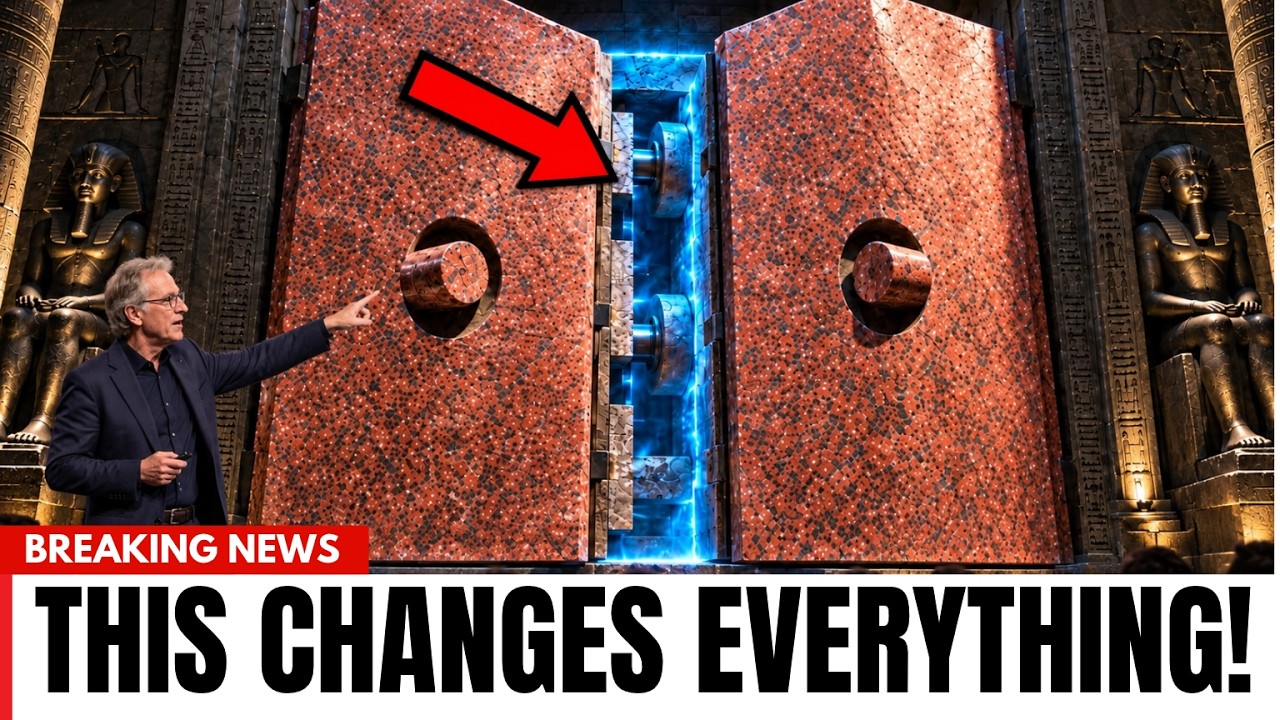
Archaeologists in Egypt just cracked open a giant granite door, and the ancient engineering behind it is rewriting history. The massive slab, weighing dozens of tons, sealed a tomb for millennia, yet its perfectly smooth surface hints at tools far beyond chisels and copper.
In April 2025, archaeologists working at the Saqqara necropolis in Egypt uncovered a large pink granite false door measuring about four and a half meters high and more than a meter wide. The door was built into the tomb of Prince Waserire, a son of Pharaoh Userkaf, founder of the Fifth Dynasty. Egyptian authorities described it as the first false door of its size and material found in Egypt.False…

Archaeologists unsealed a 2,500-year-old mummy and found something inside that defies explanation. The bizarre Sumerian artifact, discovered during a routine examination of the ancient remains, has left researchers stunned.
Ancient Egyptian sites have produced a steady stream of significant discoveries, though their interpretation often evolves over time. Reports about hidden chambers, unusual tombs, and unexplained artifacts continue to attract public interest, even as researchers approach these finds with caution. Here is a summary of several developments that have shaped current understanding of Egypt’s past.Archa…
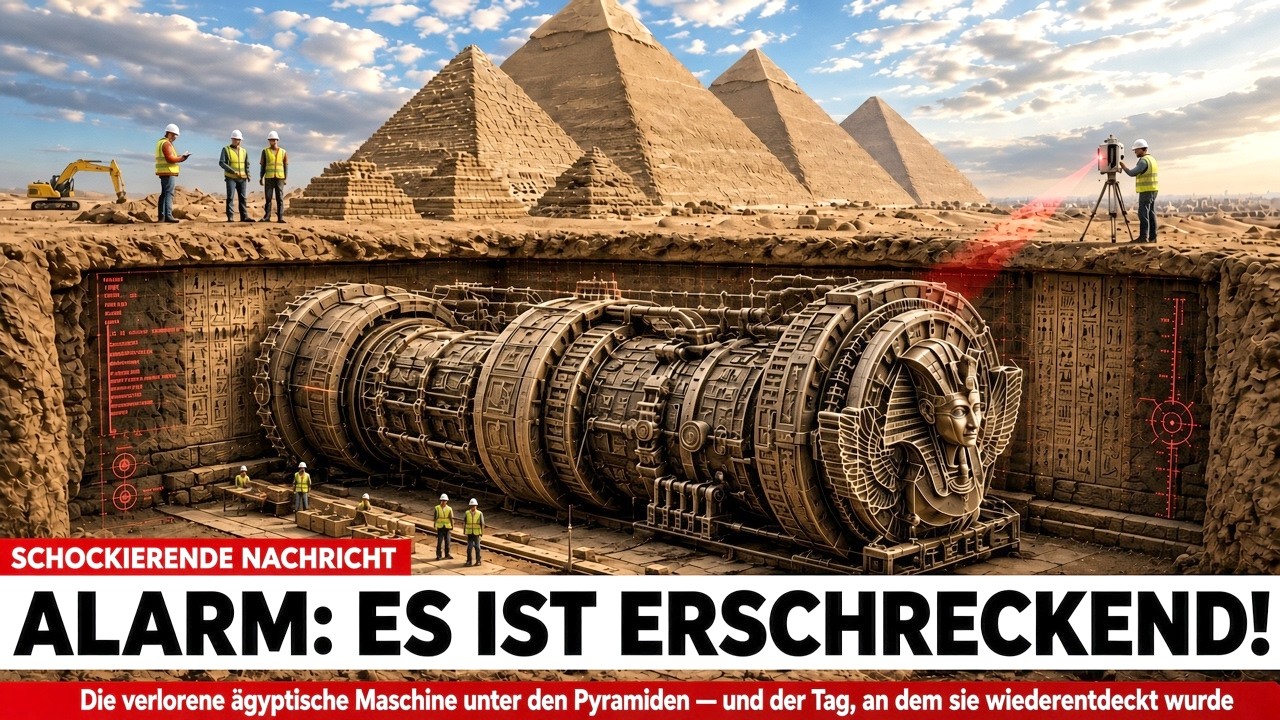
Archäologen entdecken unter Gizeh eine vergrabene Maschine, die Ägyptens Pyramidenbau erklären könnte. Jahrzehntelang rätselte die Forschung, wie die gewaltigen Steinblöcke bewegt wurden, doch jetzt deuten Bodenradar-Scans auf ein massives, künstlich angelegtes Bauwerk tief im Sand hin.
Die Great Pyramid von Gizeh wurde um 2560 vor Christus für Pharao Cheops errichtet. Mit einer ursprünglichen Höhe von etwa 147 Metern blieb sie fast 4.000 Jahre lang das höchste Bauwerk der Welt, bis im Mittelalter die Kathedrale von Lincoln diese Marke übertraf. Die Anlage besteht aus etwa 2,3 Millionen Kalksteinblöcken, die meist rund 2,5 Tonnen wiegen. Einzelne Granitbalken in der Königskammer…
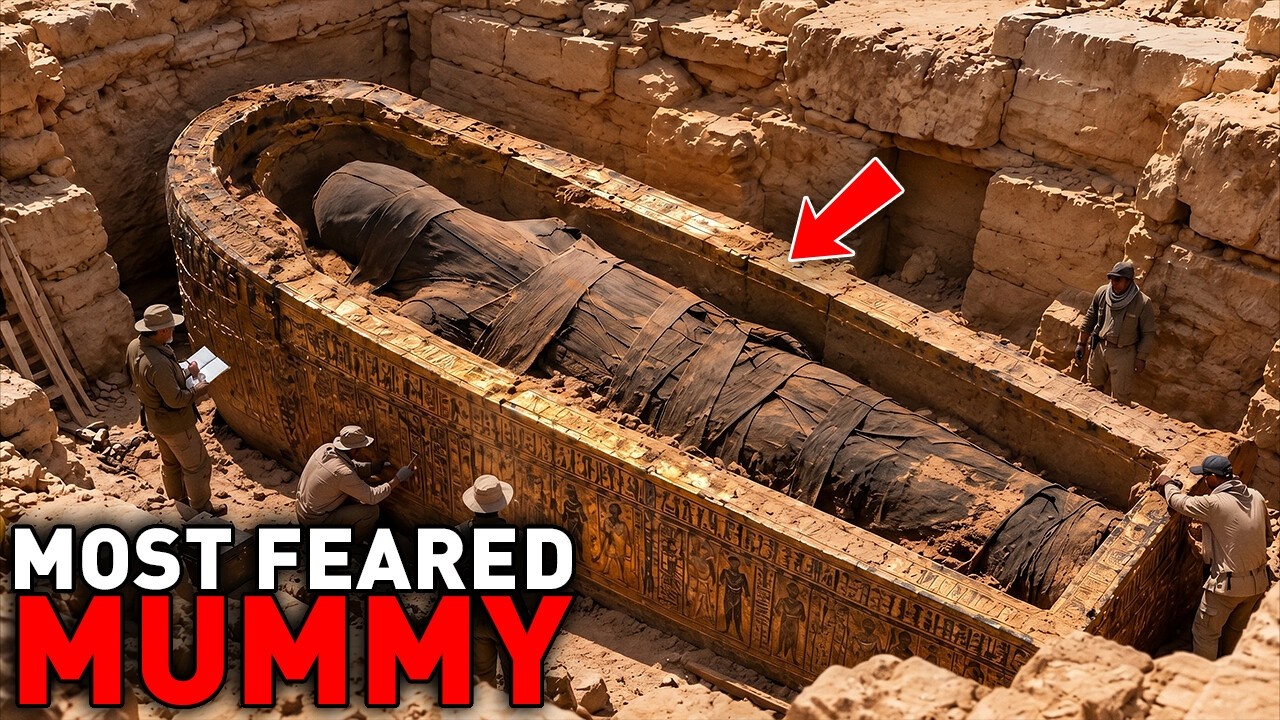
Archaeologists in Egypt just uncovered something that defies everything experts thought they knew about ancient burials—a mummy so massive it couldn’t fit through any standard tomb entrance. The staggering discovery came during an excavation in a previously unexplored region, and the sheer size of the remains left the team completely stunned.
Around 3,000 years ago, the body of an Egyptian woman named Lady Chenet Ah was placed inside a sealed coffin. For decades, researchers could not determine how she got in, as the coffin appeared to have no openings. Modern CT scans eventually revealed the method used by the embalmers.Lady Chenet Ah lived during Egypt’s Third Intermediate Period, a time between major dynasties. She was in her late 3…

In 1926, French engineer Émile Baraize finally forced open the mysterious hatch on Egypt’s Great Sphinx, a sealed passage that had baffled explorers for decades. What he found inside defied all archaeological expectation, a hidden chamber that rewrote what experts believed about the monument’s true purpose.
A rectangular shaft about five feet wide and six feet deep is cut into the top of the Great Sphinx’s head, directly into the skull of a statue long assumed to be solid rock. Discovered by the team of French engineer Émile Baraize during excavation work in the 1920s, the opening was later sealed with cement and an iron cover. It is not the only one. Additional openings exist at the back, beneath th…
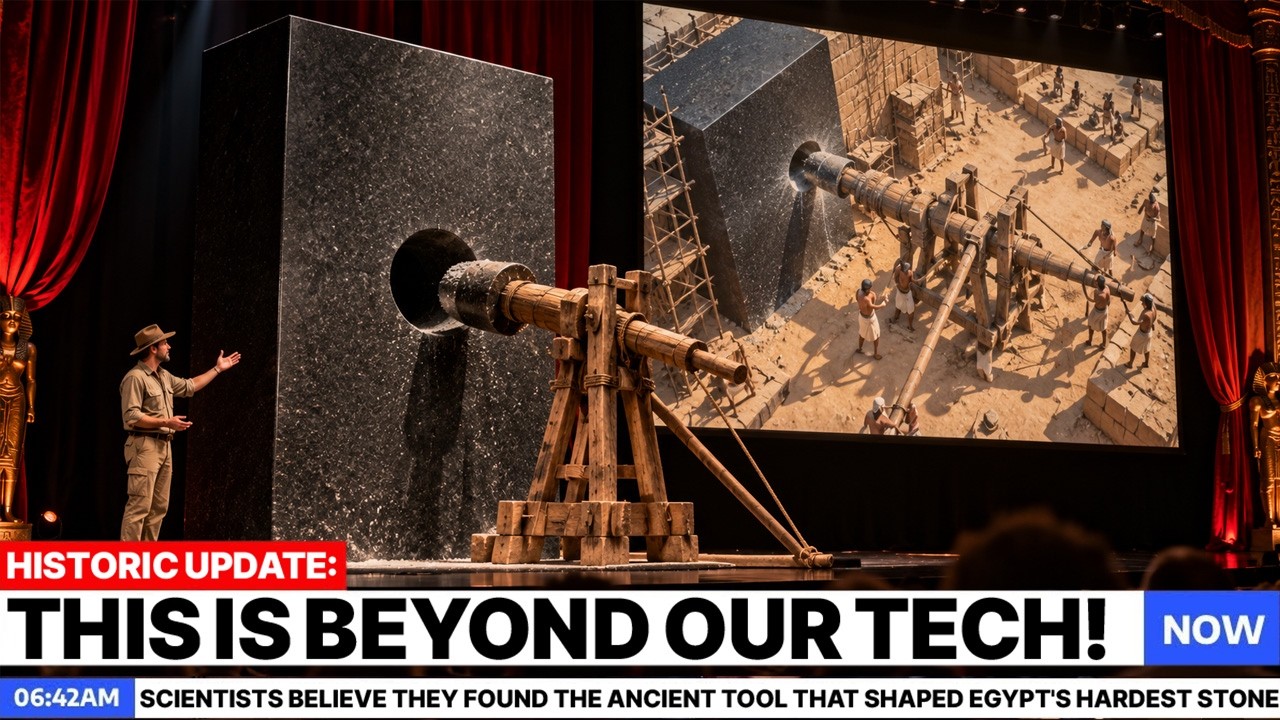
Scientists believe they found the ancient tool that shaped Egypt’s hardest stone, and it wasn’t what anyone expected. For decades, experts have puzzled over how the Egyptians carved granite with such precision using supposed copper tools, which should have been far too soft.
The Great Pyramid of Giza contains a granite sarcophagus that appears inconsistent with the tool technology generally attributed to ancient Egypt. The builders had access to copper, but copper is too soft to cut quartz embedded in granite. Yet the sarcophagus shows straight cuts and precisely drilled holes, with stone cores bearing spiral rings left by a rotating tool.Researchers have spent more t…
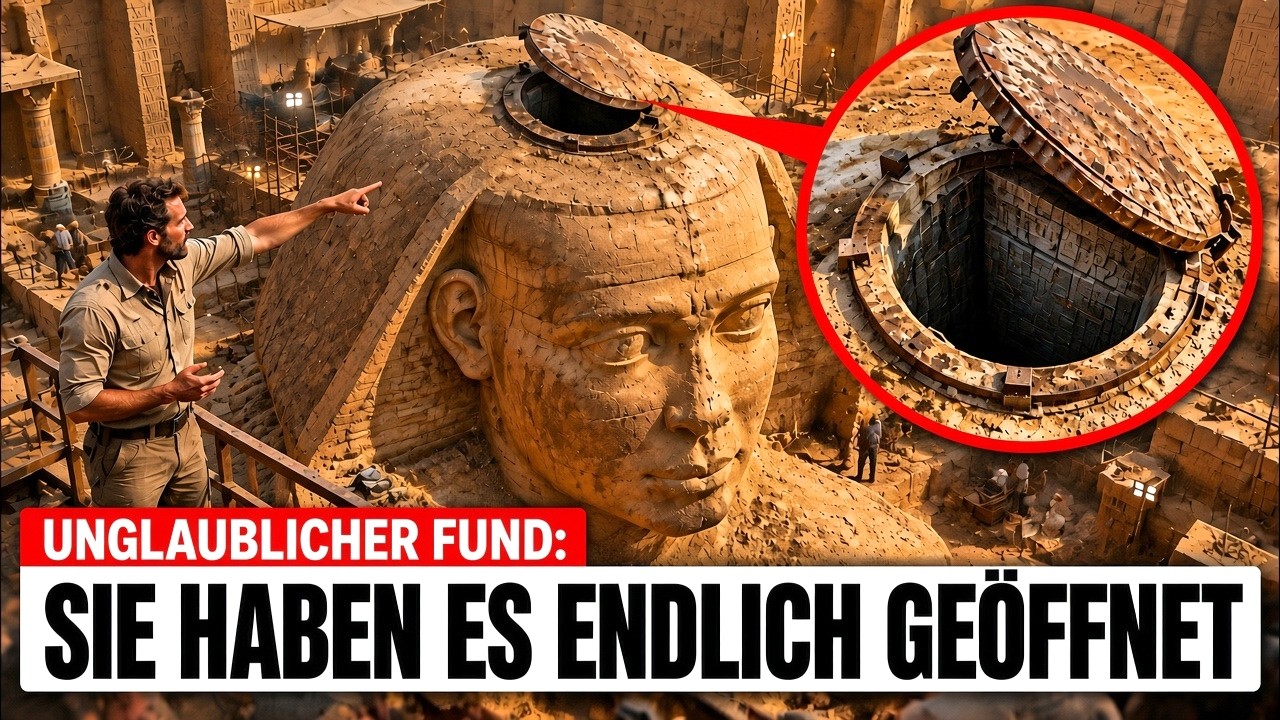
Archäologen haben endlich die geheimnisvolle Luke auf dem Kopf der ägyptischen Sphinx geöffnet. Jahrzehntelang galt diese Öffnung als unzugänglich, umgeben von Spekulationen über verborgene Kammern.
Auf dem Kopf der Sphinx von Gizeh befindet sich eine eiserne Luke, die vom Boden aus nicht zu sehen ist. Eine flache Metalltür, die in den Schädel der weltberühmten Statue eingelassen wurde. Als Archäologen sie öffneten, konnte ein erwachsener Mann bis zur Brust in den Kopf der Statue steigen. Diese Luke ist nicht die einzige Öffnung. Weitere befinden sich im Rücken, unter der Brust und am Schwanz…
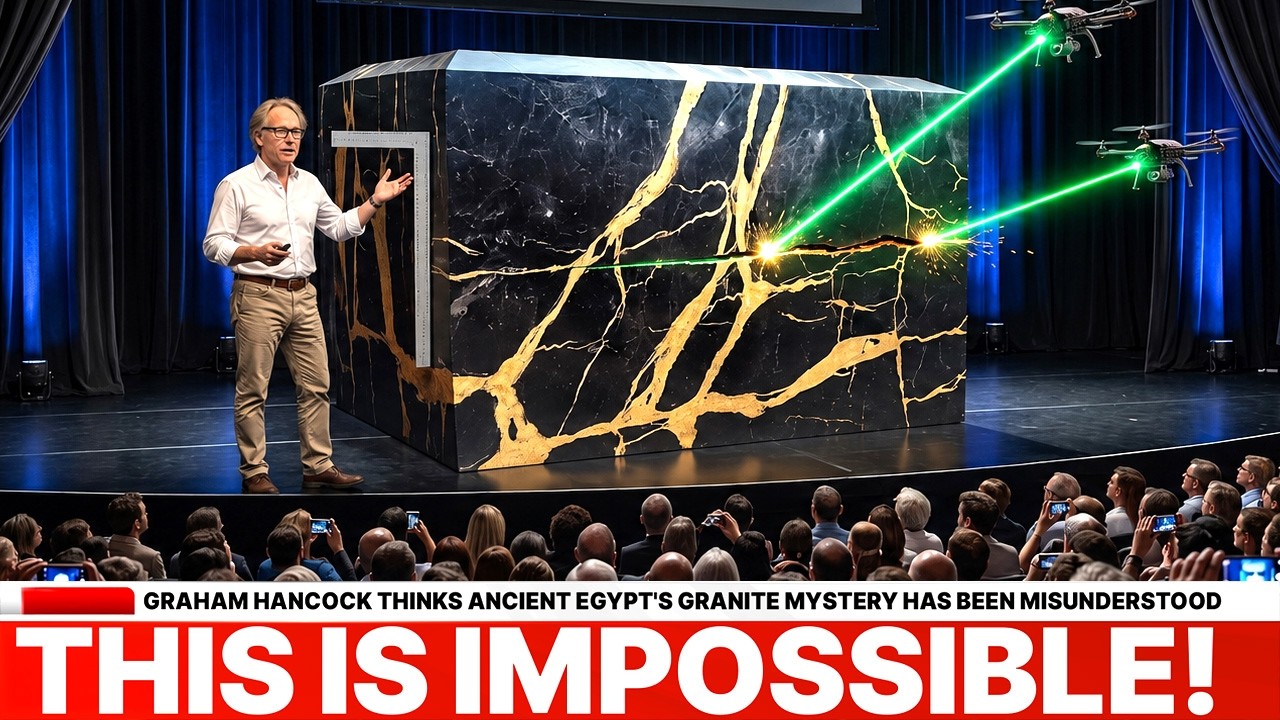
Graham Hancock claims the polished granite boxes inside Egypt’s Great Pyramid were never meant to be tombs, and he thinks mainstream archaeology has the whole purpose wrong. He points to precision cuts so fine they rival modern machinery, suggesting a lost, advanced technology far older than the pharaohs.
The granite used in the Great Pyramid was quarried more than 500 miles to the south. The King’s Chamber, with its walls and ceiling, is made entirely of massive granite blocks. Copper ranks at about three on the Mohs hardness scale, while the quartz within granite ranks at seven. Standard explanations for how ancient Egypt cut its hardest stone depend on the assumption that it was somehow possible…