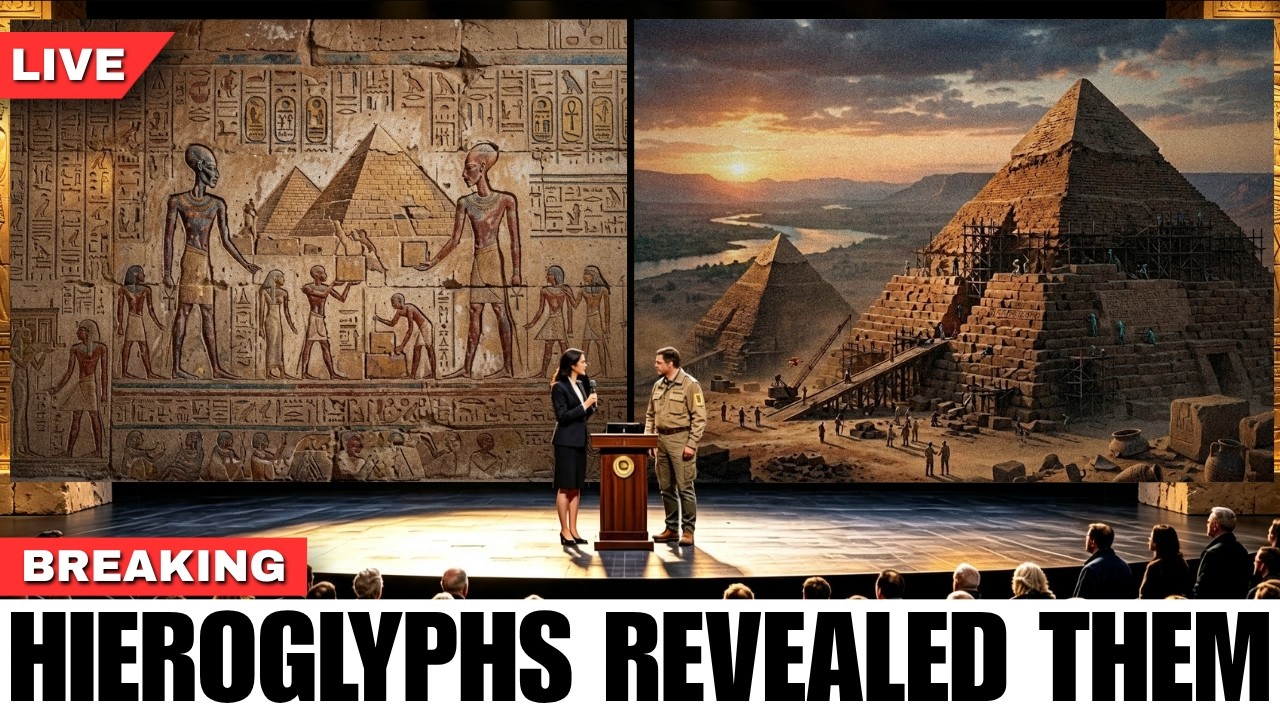
Egyptian tourists have been told for decades that tens of thousands of slaves built the pyramids, but a temple wall suggests something far stranger. High-priest records and village pay stubs reveal the workers were fed, housed, and respected laborers.
For most of recorded modern history, popular understanding of how the Great Pyramid was built rested on a single secondhand account. Around 450 BC, the Greek traveler Herodotus visited Egypt and reported that 100,000 men had labored for 20 years under harsh conditions to raise the monument. He recorded oral tradition passed down across roughly two thousand years, a gap comparable to someone today…
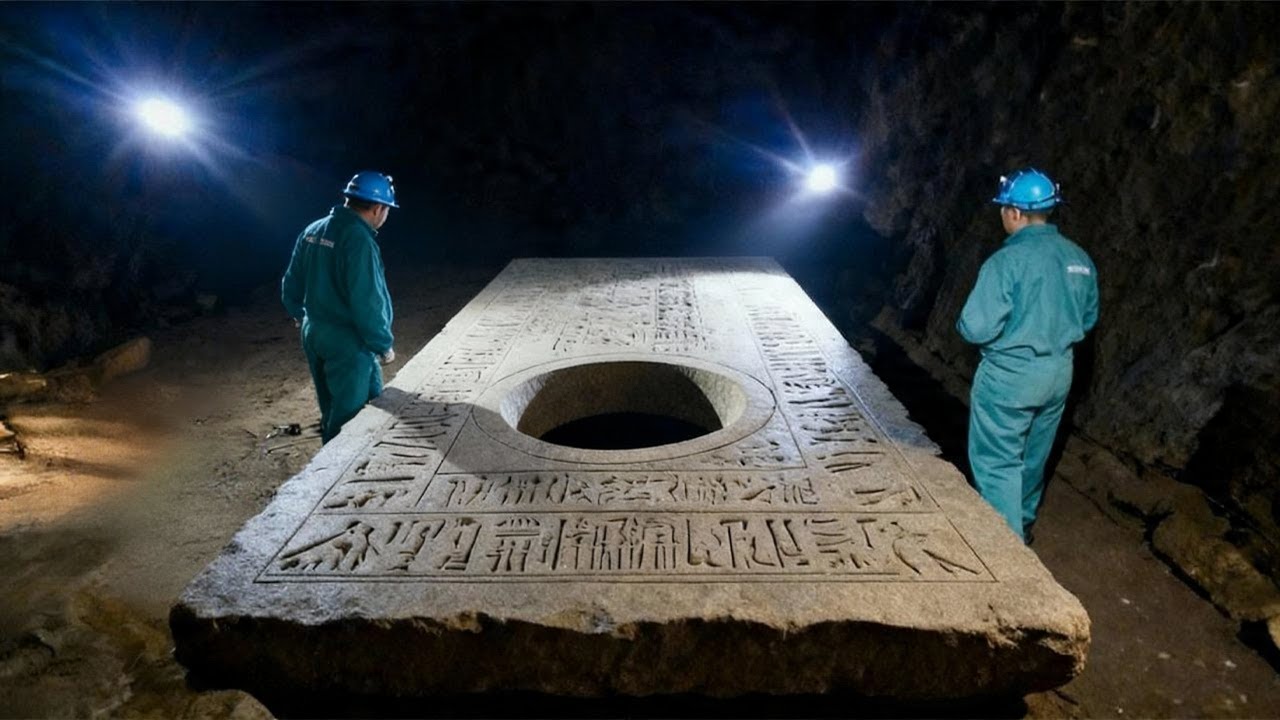
Archaeologists now believe the Osirian wasn’t a temple—it was something far stranger. For decades, experts assumed the vast underground structure beneath Egypt’s Giza plateau served as a memorial to Osiris, its intricate chambers carved for ritual worship.
In 1902, archaeologists Flinders Petrie and Margaret Murray arrived at Abydos, Egypt, expecting to examine a routine part of the mortuary complex of Seti I, a pharaoh of the Nineteenth Dynasty known for his ambitious building projects. Instead, after removing several meters of sand, they uncovered a large sunken structure made of granite columns rising from a water-filled pit about 30 feet below t…

Elon Musk’s Grok AI was asked who built the Great Sphinx, and its response left Egyptologists genuinely astonished. The artificial intelligence reportedly delivered a conclusion that challenges the long-accepted mainstream narrative, pointing instead toward a far older civilization.
The Great Sphinx at Giza has faced east toward the rising sun for roughly 4,500 years. Carved from a single block of limestone, it stands about 20 meters tall and stretches 73 meters long. Workers removed stone from three sides of the plateau to free the monument from the surrounding rock. It remains the largest monolithic statue on Earth.Despite centuries of excavation, translation, and satellite…
The Sphinx’s mysterious hatch has finally been opened, and what teams found inside challenges everything Egyptologists believed. For over a century, this sealed chamber beneath the ancient monument remained untouched, dismissed as a legend.
The Great Sphinx of Giza contains several sealed openings that have raised questions for nearly a century. A metal hatch sits on top of the monument’s head, covering a square shaft roughly six feet deep cut into the skull. Workers discovered the shaft in the 1920s during a cleaning campaign led by French engineer Émile Baraize. Photographs from that period show a man standing inside the pit, which…
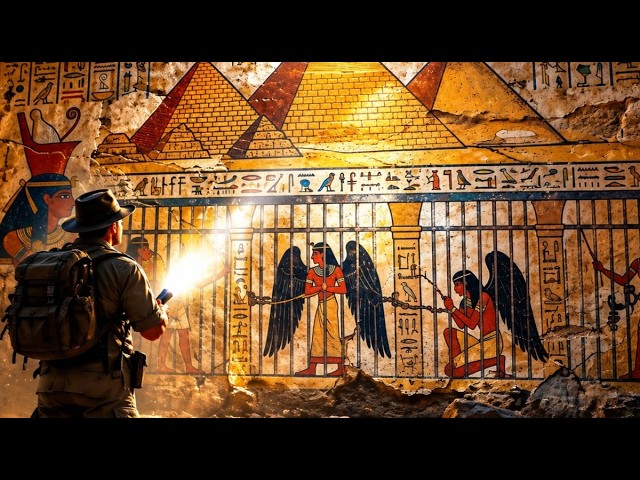
Sieben neue Entdeckungen aus dem Alten Ägypten versetzen Forscher weltweit in Sorge – doch eine davon sticht besonders heraus. Archäologen stießen bei jüngsten Ausgrabungen auf Funde, die bisherige Annahmen über die Hochkultur grundlegend infrage stellen.
Ägypten gehört zu den ersten Zivilisationen, die ihre eigene Geschichte systematisch für spätere Generationen festhielten. Man schrieb auf Tempelwände, Papyrus, Gräber und Statuen. Dennoch gibt es bis heute offene Fragen, die auch nach mehr als zwei Jahrhunderten archäologischer Forschung bestehen. Einige dieser Fragen betreffen Funde, die auf den ersten Blick ungewöhnlich erscheinen, sich aber du…