
The Devil’s Hole pupfish was among the first species listed under the Endangered Species Preservation Act in 1967, which later became the Endangered Species Act. The fish is found nowhere else on
The Devil’s Hole pupfish was among the first species listed under the Endangered Species Preservation Act in 1967, which later became the Endangered Species Act. The fish is found nowhere else on Earth except in a single geothermal pool in the Nevada desert, within a deep fissure known as Devil’s Hole.In June 1965, a weighted rope was lowered into the water at Devil’s Hole and kept descending in t…
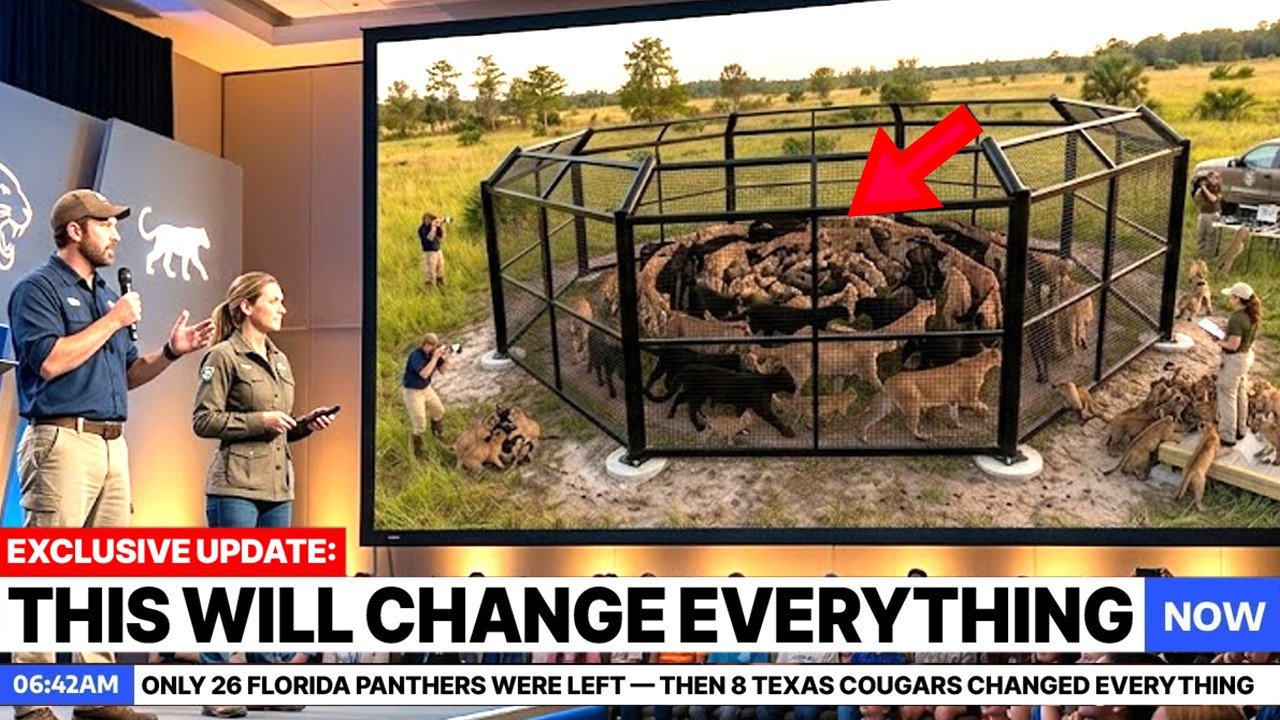
The Florida panther, once on the brink of extinction, has been slowly recovering in a case that has become a landmark in wildlife conservation. Known for its solitary nature and difficulty to
The Florida panther, once on the brink of extinction, has been slowly recovering in a case that has become a landmark in wildlife conservation. Known for its solitary nature and difficulty to observe, the panther is sometimes called the “ghost cat.” By the early 1990s, only 26 panthers remained in Florida, and the population showed serious signs of genetic decline. Many animals had deformed tails…
In 1980, five black robins remained on Earth. One female held two eggs, and the species’ survival depended on them. Don Merton, a New Zealand Wildlife Service officer, took those eggs. He had spent
In 1980, five black robins remained on Earth. One female held two eggs, and the species’ survival depended on them. Don Merton, a New Zealand Wildlife Service officer, took those eggs. He had spent sixteen years trying to save the birds. He could only hope the decision did not seal their fate.New Zealand evolved in isolation for millions of years without ground predators. Many native birds nested…
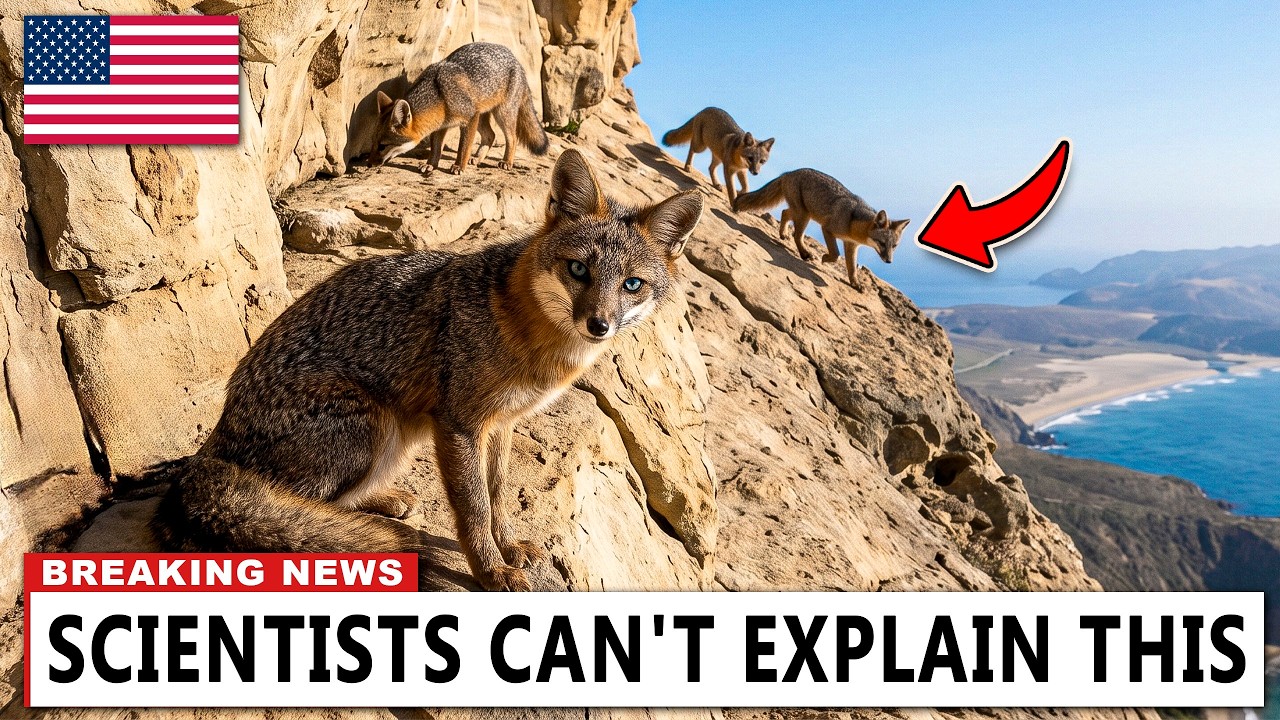
California found just 15 foxes left on one island, teetering on the brink of total extinction. Wildlife rescuers scrambled to save the species from disappearing forever, launching an urgent breeding program in the remote wilderness.
In 1994, approximately 450 island foxes lived on San Miguel Island off the California coast. Five years later, only 15 remained. Graduate student Gary Roemer began finding fox carcasses on neighboring Santa Cruz Island during his research there. Over two years, he found 21 dead foxes, 19 of them with similar wounds indicating predation from above.The island fox, about the size of a house cat, live…
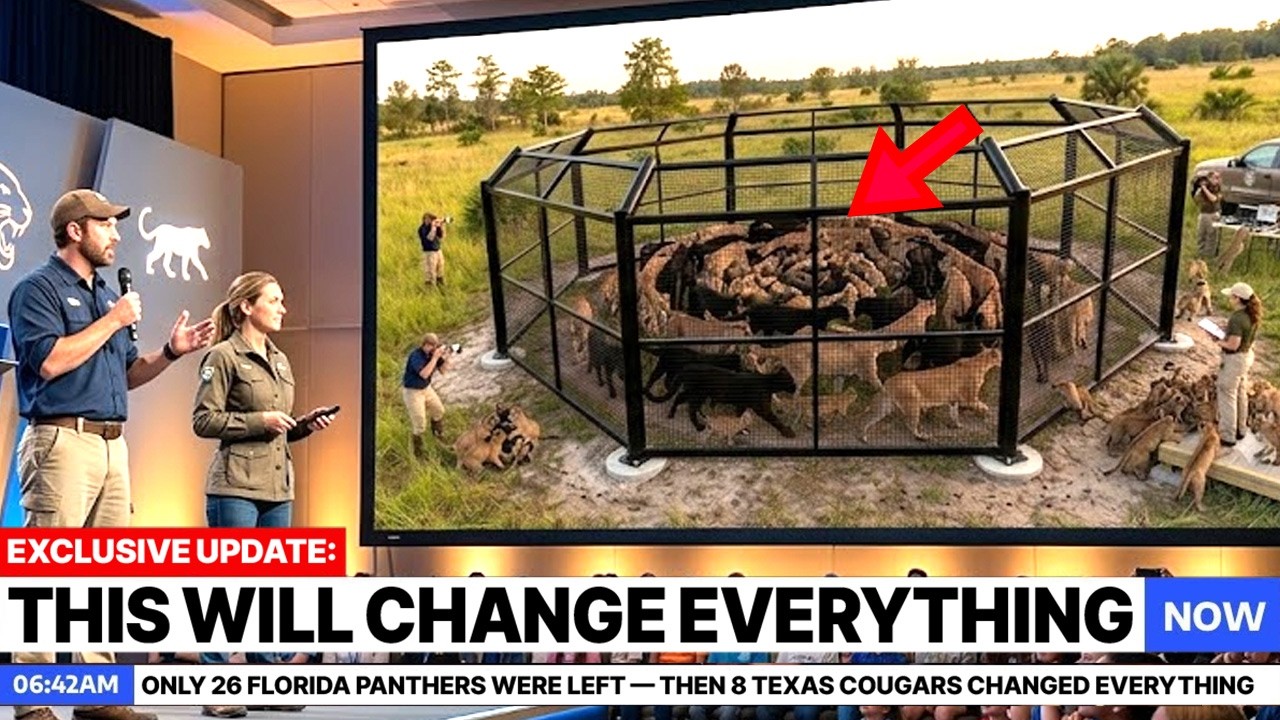
Florida had just twenty-six panthers left, the species hanging on by a thread. Then, eight female cougars from Texas were brought in.
The Florida panther has been slowly recovering after decades on the brink of extinction. Known for its solitary habits and difficulty to observe, the animal is sometimes called the ghost cat. By the early 1990s, fewer than 30 panthers remained in the wild, and the population showed serious signs of genetic decline, including heart defects and reproductive problems. Scientists estimated that withou…
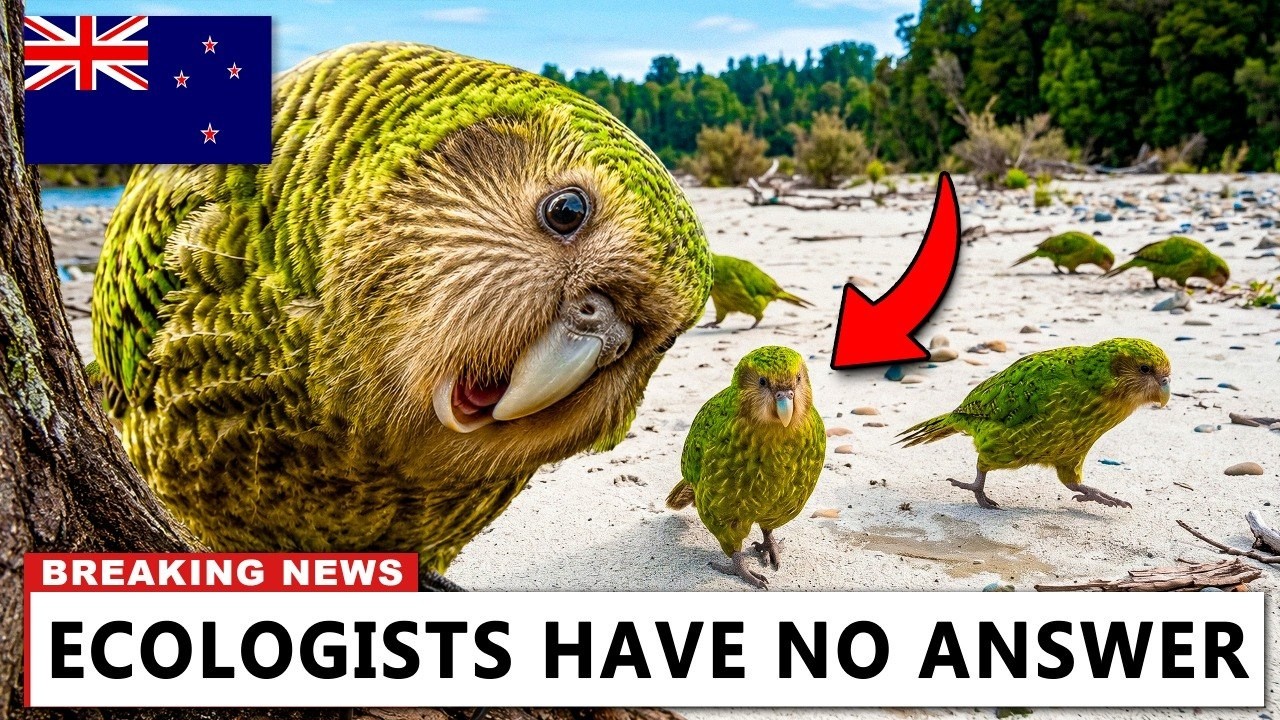
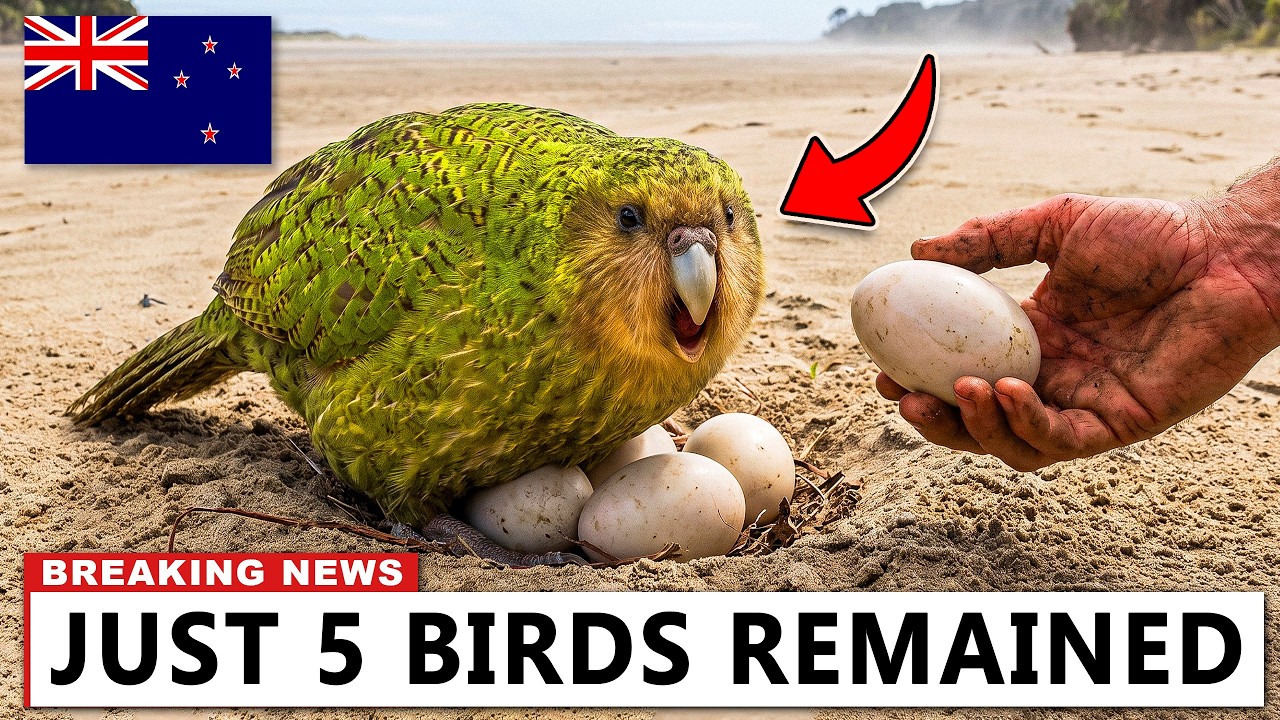
Eighteen birds left on Earth, and New Zealand thought they understood them—then something impossible followed. These rarest of flightless creatures had survived isolation for centuries, yet researchers tracking their final wild population noticed behavior no science could explain.
In 1974, ornithologist Don Merton received approval for one final expedition into the mountains of Fiordland, New Zealand. His official task was to confirm that the kakapo, a large flightless parrot, had gone extinct. In the previous 25 years, the Wildlife Service had run 61 expeditions into the region and found only six birds, five of which had died.Instead of evidence of extinction, Merton found…

Florida crossed eight Texas cougars with cats related to 26 dying Florida panthers—and the move triggered an unexpected fight. Critics warned the hybridization would destroy the panther’s unique genetic identity.
In the early 1990s, fewer than 30 Florida panthers remained in the wild, concentrated in the swamps west of Miami. The population was genetically isolated and showed clear signs of inbreeding collapse, including heart defects, reproductive abnormalities, and low genetic diversity. A 1992 study estimated a 95 percent chance the subspecies would be extinct within two decades.In response, state and f…

Florida released eight Texas pumas into its collapsing panther population, a desperate move to save a species on the brink. Within weeks, something impossible appeared in the genetic data, challenging everything scientists believed about the big cats’ survival.
By the early 1990s, fewer than 30 Florida panthers remained in the wild, the last survivors of a cat that once ranged across the American Southeast. The population was in serious trouble. Nearly every male carried a genetic defect affecting fertility, and many kittens were born with heart problems. Geneticists estimated a 95% chance the animal would be extinct within 20 years.The response involved…

In 2002, scientists counted just 94 Iberian lynx left on Earth, a species once spread across the peninsula now trapped in two isolated pockets. Protected since 1969, the Doñana population still vanished, and researchers finally found why: the lynx’s food supply had collapsed decades earlier.
In 2002, a wildlife biologist in Andalusia counted 94 Iberian lynx left in the wild. The species, once widespread across the Iberian Peninsula, had been reduced to two isolated populations in southern Spain, one in Doñana National Park and one in the Sierra Morena mountains. Doñana had been under legal protection since 1969, but the lynx population there was still declining.The reserve was protect…