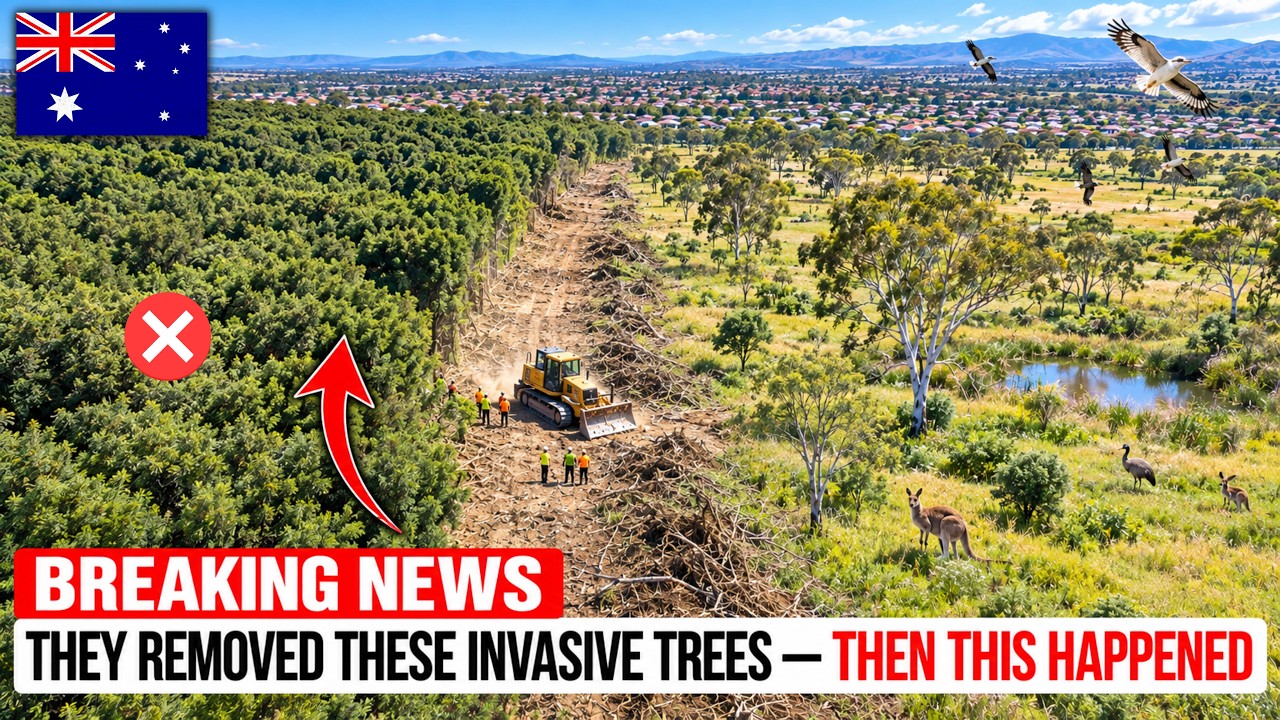
In 2010, an Australian family turned down millions to sell their Sydney land for housing, instead signing a conservation deal to clear invasive olive trees and plant 5,000 natives. Fifteen years later, their property became one of the region’s most valuable—not for what was built, but for the woodland that regrew.
In 2010, a fifth-generation farming family in western Sydney approached the New South Wales government with an unusual proposal. The Downes family, whose land sat on the urban fringe of one of Australia’s fastest-growing cities, offered their worst paddocks for an experiment with no local precedent. They proposed removing olive trees, planting thousands of native trees, and attempting to restore a…
In the early 2000s, Florida began a large-scale effort to restore the Picaune Strand, a 55,000-acre swamp in the southwestern part of the state. Decades earlier, the land had been drained and divided
In the early 2000s, Florida began a large-scale effort to restore the Picaune Strand, a 55,000-acre swamp in the southwestern part of the state. Decades earlier, the land had been drained and divided into a grid of roads and canals by a real estate company that sold it as dry lots. The restoration project was designed to reverse that damage and create one of the last viable habitats for the endang…
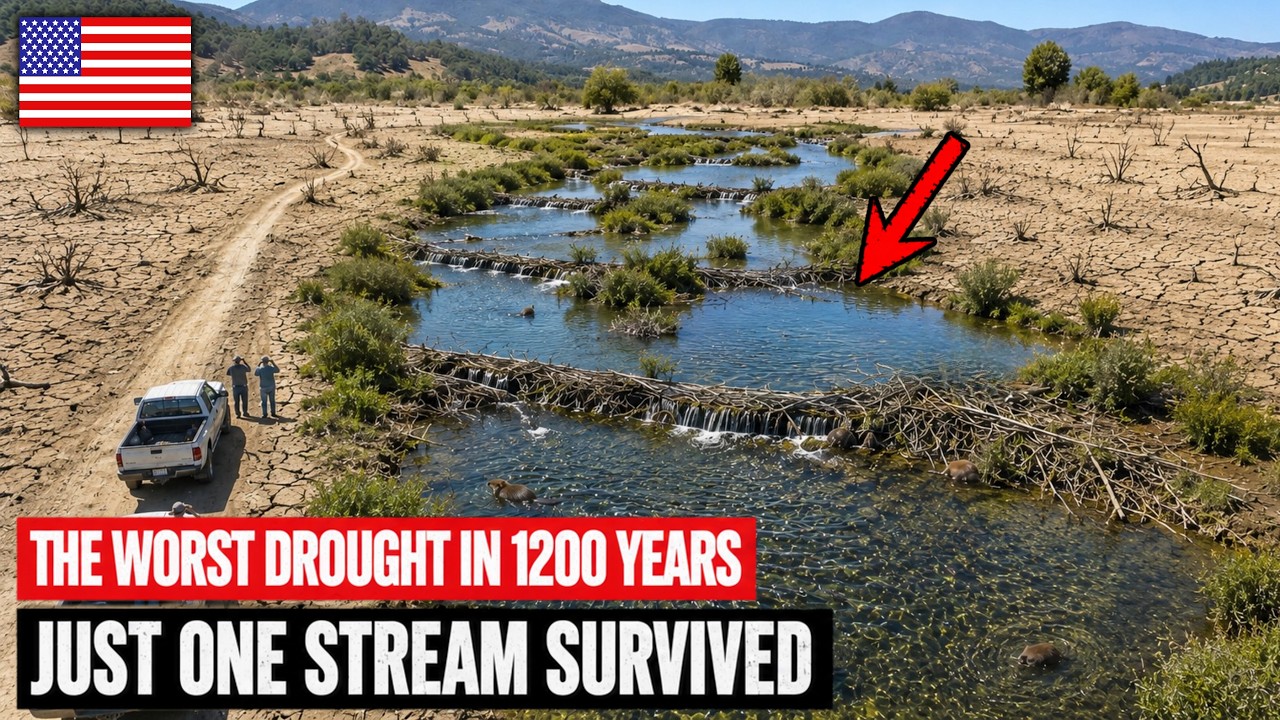
During one of California’s most severe droughts on record, juvenile coho salmon survived in small creeks of the Scott River watershed at rates several times higher than in normal years. The
During one of California’s most severe droughts on record, juvenile coho salmon survived in small creeks of the Scott River watershed at rates several times higher than in normal years. The difference came down to a simple intervention: hand-built structures designed to mimic beaver dams.In the summer of 2015, a team from the Scott River Watershed Council, led by executive director Betsy Stapleton…
The Alameda Creek watershed in California is showing signs of recovery, with improved water quality linked to the return of trout and salmon. A concrete barrier that had blocked the creek for seventy
The Alameda Creek watershed in California is showing signs of recovery, with improved water quality linked to the return of trout and salmon. A concrete barrier that had blocked the creek for seventy years was removed in the fall of 2025, and within days, two chinook salmon were observed swimming upstream through waters that had been inaccessible since before the first moon landing.To understand t…
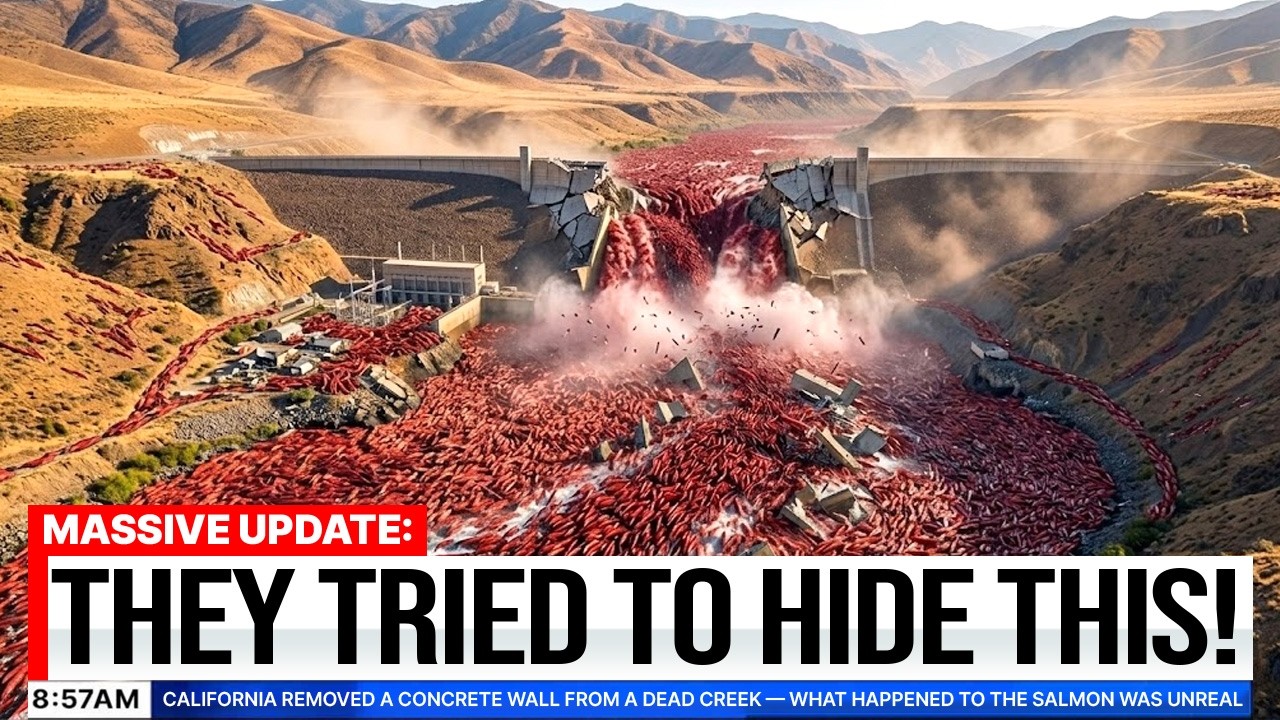
California pulled a concrete wall from a dead creek, and what happened to the salmon stunned biologists. The barrier had blocked the waterway for decades, leaving the stretch virtually lifeless.
For seventy years, a concrete barrier blocked Alameda Creek in California, and the water behind it was widely considered lifeless. In the fall of 2025, work crews finally removed that wall. Within days, two Chinook salmon were swimming upstream through water that had been inaccessible since before the first moon landing.The fish were not placed there by humans, and no one guided them to the creek….
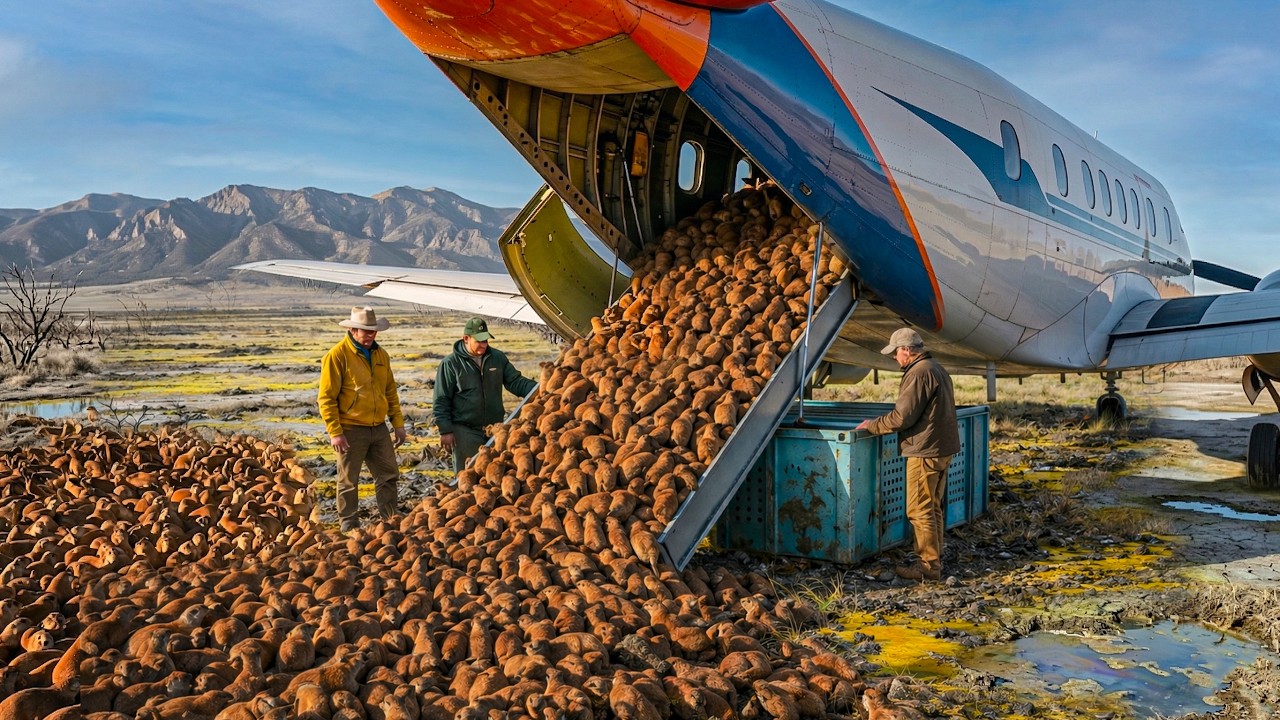
Colorado released thousands of prairie dogs into a chemical wasteland, and the mission took a wild turn. The relocation was meant to save the species from extinction, yet activists insisted the animals were being sent to a toxic site that could spell disaster.
In 1989, wildlife managers released 714 prairie dogs onto a former chemical weapons production site roughly 10 miles outside Denver. The land, part of the Rocky Mountain Arsenal, had been contaminated by decades of industrial activity and was considered biologically dead. The prairie dogs were introduced with a modest goal: to stabilize the soil and reduce dust. Their effect, however, went far bey…
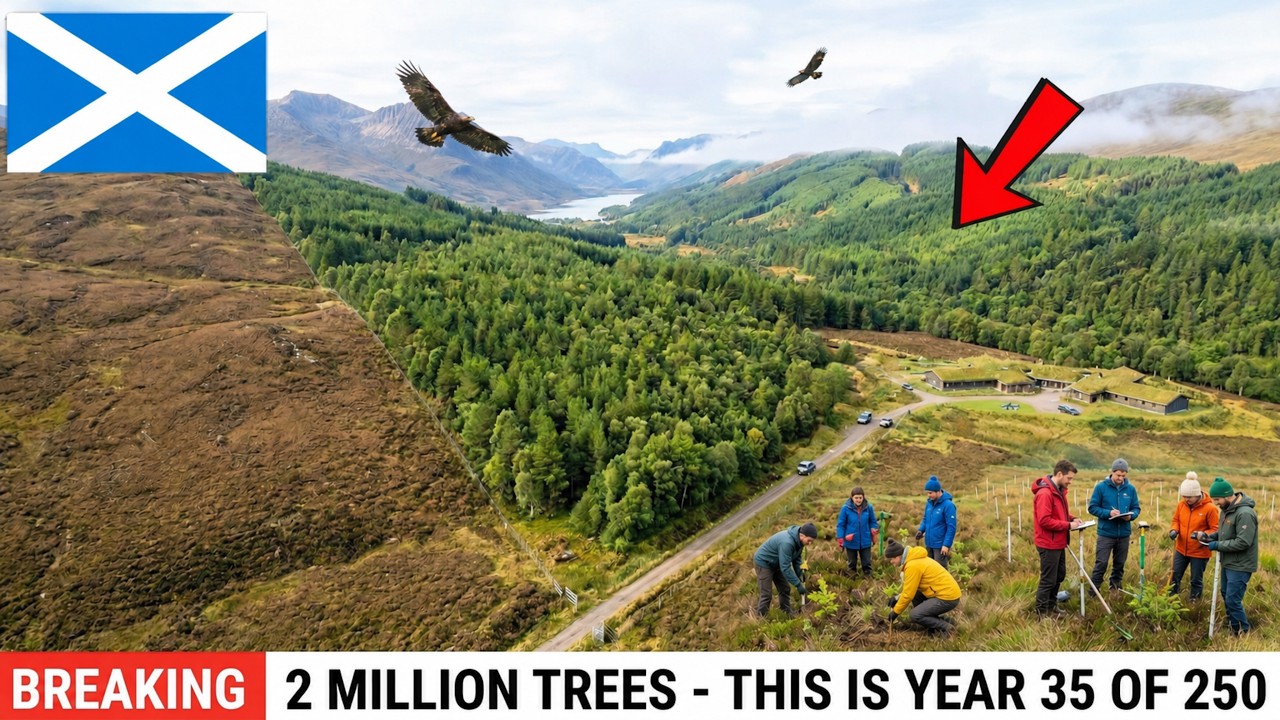
Thirty-five years after Scotland planted two million trees on a desolate Highland estate, something extraordinary returned to the landscape. The barren moor, once stripped bare by centuries of grazing, was transformed into a thriving ancient forest.
In 1991, volunteers in northern Scotland planted some of the first new trees to grow in parts of the Caledonian forest in two centuries. The work was part of a 250-year restoration plan announced by Alan Watson Featherstone in 1986. Over the following decades, more than two million native trees were planted across dozens of sites in a Highland landscape that had been treeless for so long that many…
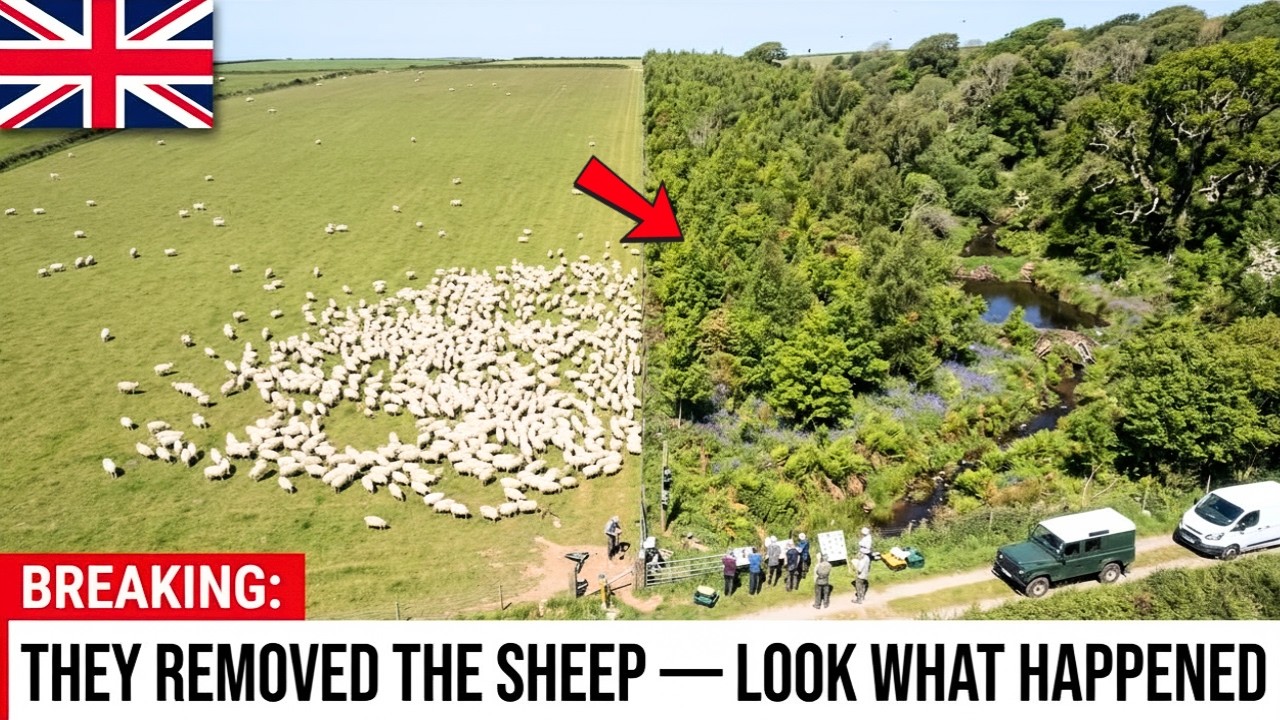
A family quietly removed their sheep from a Cornwall hillside, and the effects were immediate. Native trees and ferns began regrowing on land that had been grazed bare.
Temperate rainforest once covered a significant portion of the British Isles, but centuries of clearance for timber, agriculture, and development have reduced it to less than one percent of its former extent. For decades, this habitat loss received little formal attention. A private restoration project on a farm in Cornwall, begun in 2019, provided a working demonstration of how the ecosystem coul…