
Off the coast of British Columbia, a marine ecosystem that had collapsed into barren underwater landscapes has been gradually restored. The recovery did not come from chemical treatments, machinery,
Off the coast of British Columbia, a marine ecosystem that had collapsed into barren underwater landscapes has been gradually restored. The recovery did not come from chemical treatments, machinery, or government cleanup crews. It came from a predator that had been absent from these waters for over a century: the sea otter.For years, giant kelp forests stretched for miles along the British Columbi…
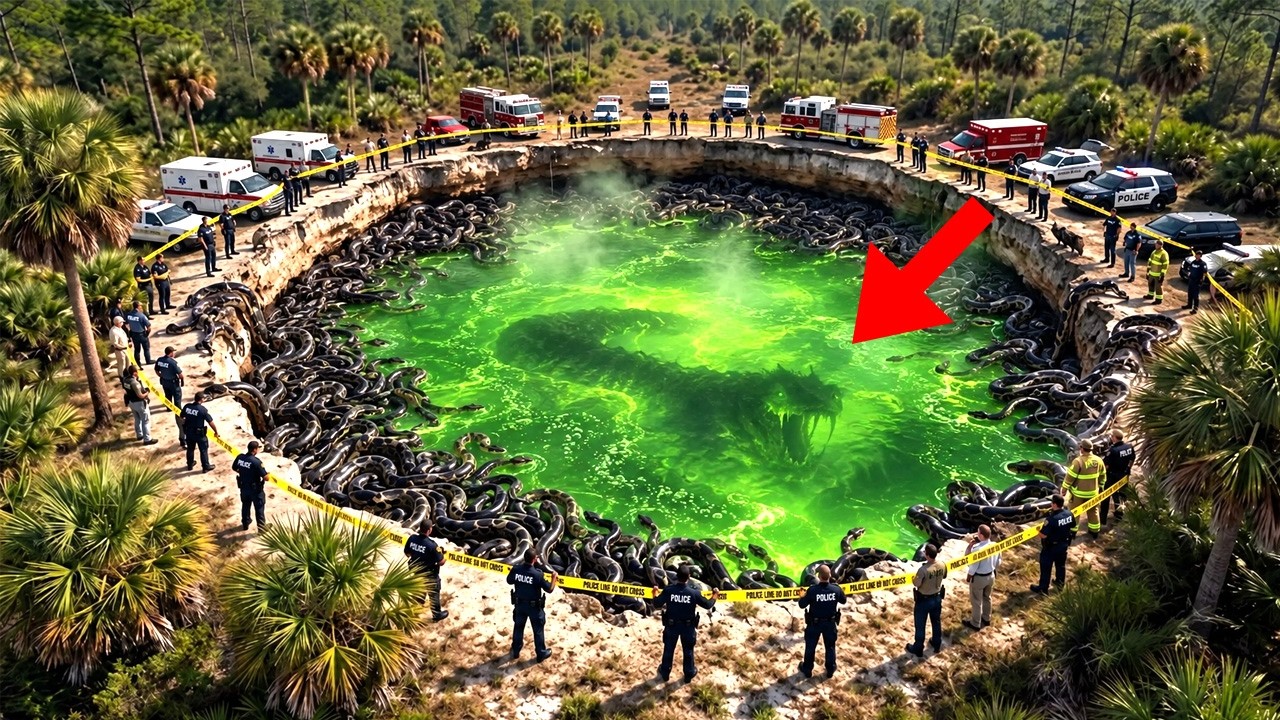
A swamp full of hungry predators and giant pythons had Florida scientists desperate for a solution. For years, invasive Burmese pythons wiped out native wildlife across the Everglades, and typical removal methods simply could not keep pace.
Burmese pythons in Florida can swallow an adult deer whole. The snakes have severely reduced raccoon, rabbit, and fox populations in the southern Everglades, and for years no native predator appeared able to stop them. Then researchers implanted radio transmitters in young pythons and followed the signals. Some of the pythons died, but their transmitters kept moving through the black water inside…
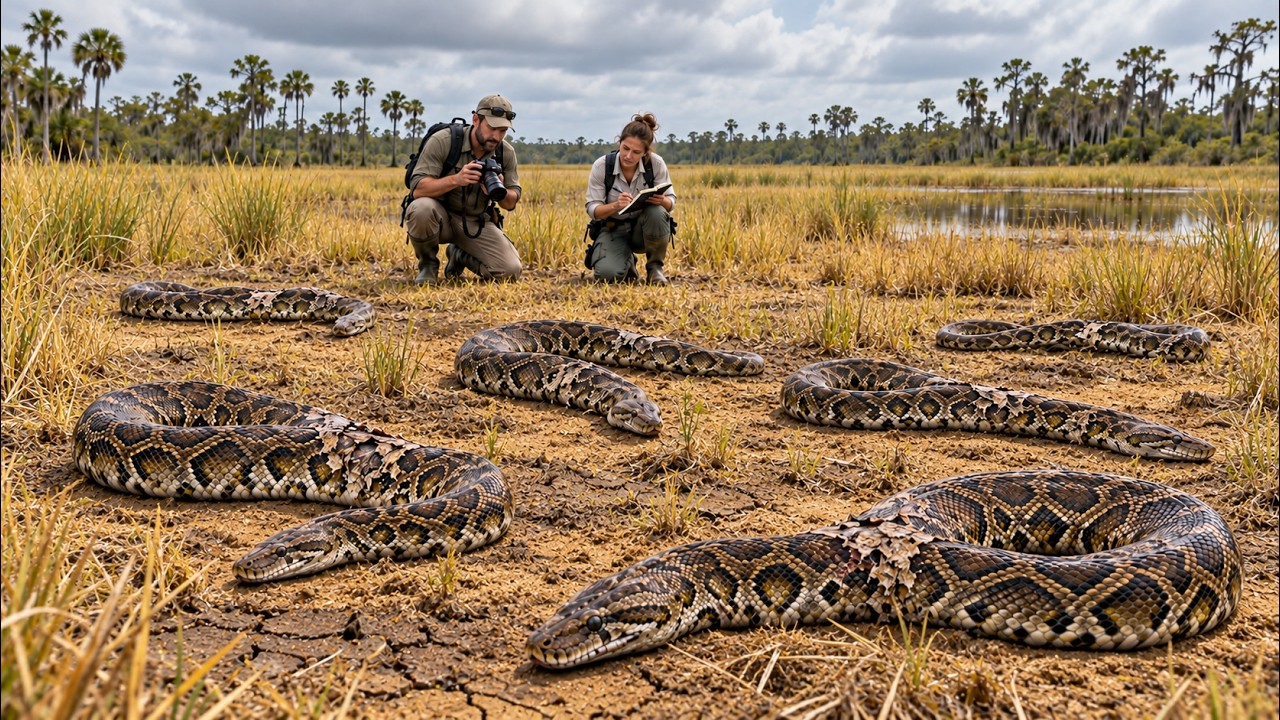
Ein neuer Gegner der Burma-Pythons in Florida ist aufgetaucht – und er ist winzig. Während die invasiven Schlangen jahrzehntelang die Everglades beherrschten, entdeckten Forscher nun überraschend einen Räuber, der deutlich kleiner ist als seine Beute.
In den Sümpfen Südfloridas hat sich eine invasive Schlangenart in den vergangenen Jahrzehnten stark ausgebreitet. Bermudadschungel, wie er in Teilen der Region vorkommt, bietet den Tieren nahezu ideale Lebensbedingungen. Die Tiere, die ursprünglich aus Südostasien stammen, haben sich in dem neuen Lebensraum etabliert und beeinflussen das Ökosystem erheblich.Die Ausbreitung begann nicht erst in den…
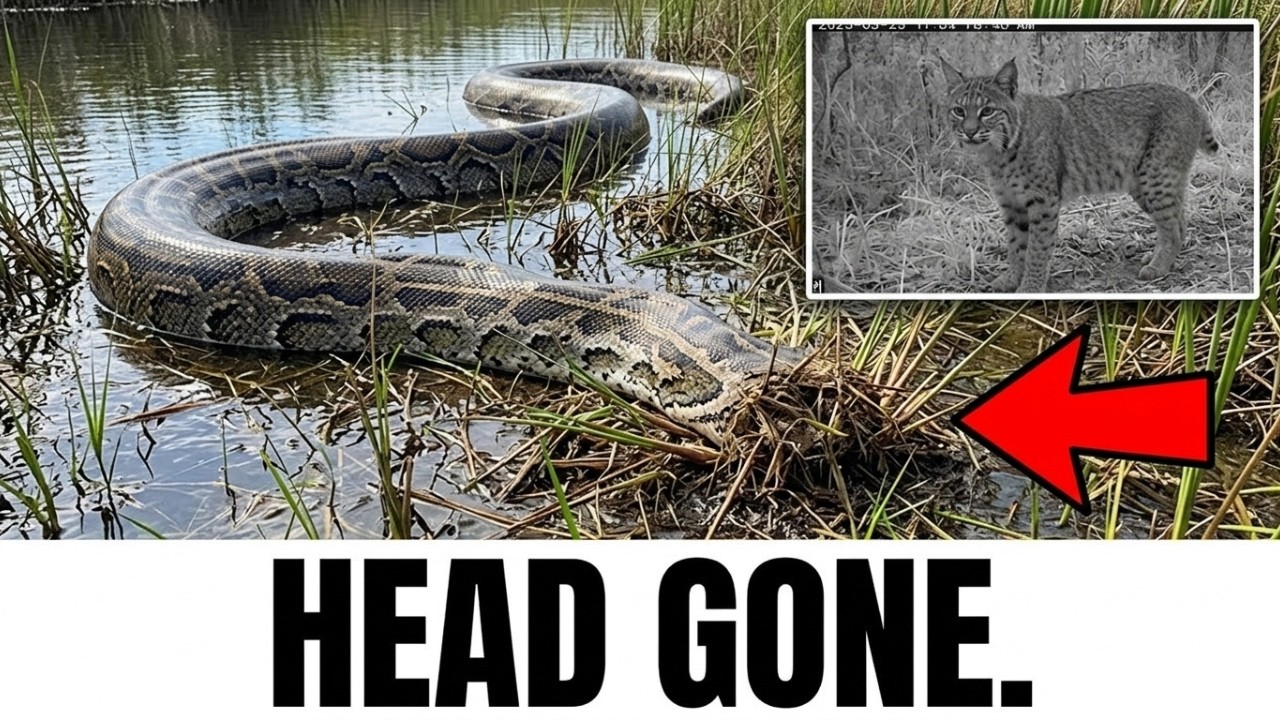
A 20-foot python was found decapitated in the wild, its massive head missing. Investigators initially suspected a rival predator.
Biologists from the Conservancy of Southwest Florida found a 20-foot Burmese python dead in pine flatwoods at the edge of the Everglades. The snake’s head had been removed, and the carcass had been covered with pine needles and debris. The concealment indicated that an animal had killed the python and stored the body for later feeding. Trail cameras placed near the carcass identified the predator…
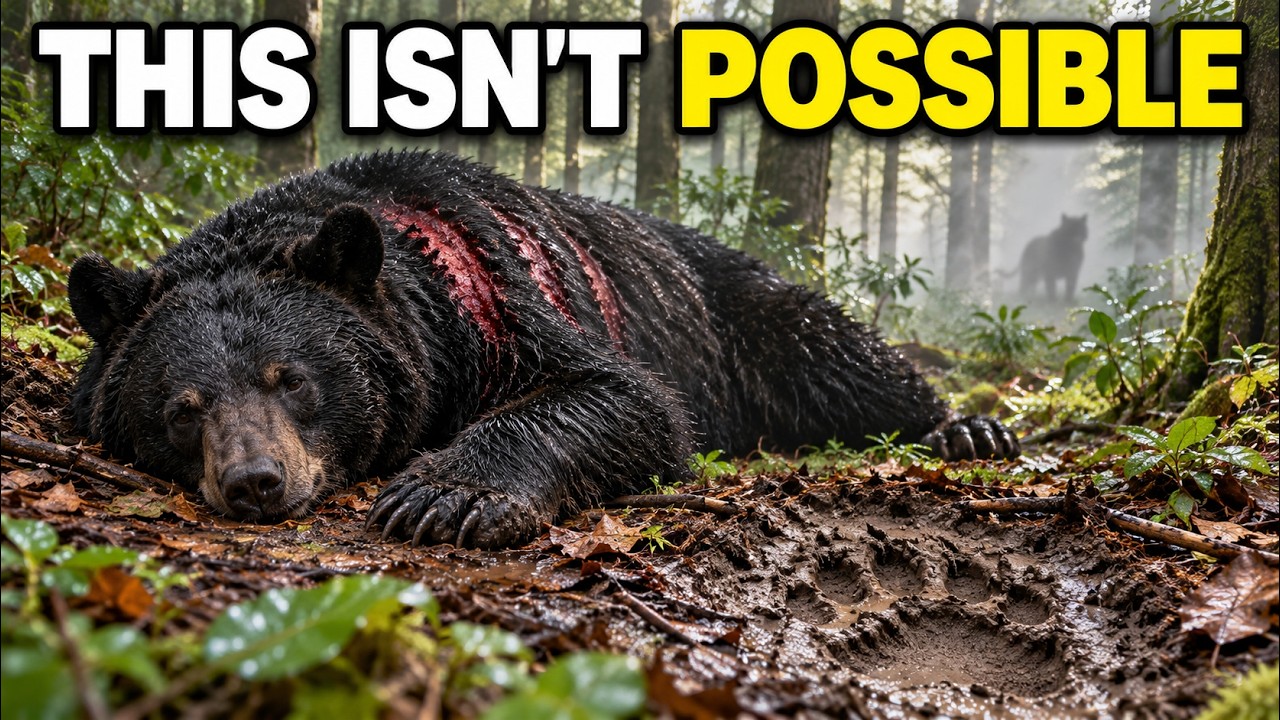
Biologists tracking black bears in the Smoky Mountains finally caught something on camera that they say changes everything they understood about the region’s top predator. For years, researchers assumed adult bears had no natural enemies, standing unchallenged at the top of the food chain.
For several years, biologists monitoring black bears in the Great Smoky Mountains National Park noticed a pattern in their data that they could not explain. Subadult male bears, typically two to four years old, were disappearing at rates higher than the baseline data predicted. The known causes of bear mortality in the park, such as vehicle collisions and human conflict, did not account for the lo…

Florida’s giant pythons were disappearing—then scientists finally discovered the predator behind it. For years, invasive Burmese pythons had devastated the Everglades, swallowing everything from raccoons to alligators, and researchers assumed nothing could challenge them.
Burmese pythons had dominated southern Florida for roughly twenty years, preying on deer, wading birds, and even alligators. They helped empty large sections of Everglades National Park of raccoons, opossums, and rabbits. In 2021, however, researchers encountered something they had never documented: a mammal killing a full-grown python on land.A 13-foot, 52-pound male python, tagged with a radio t…
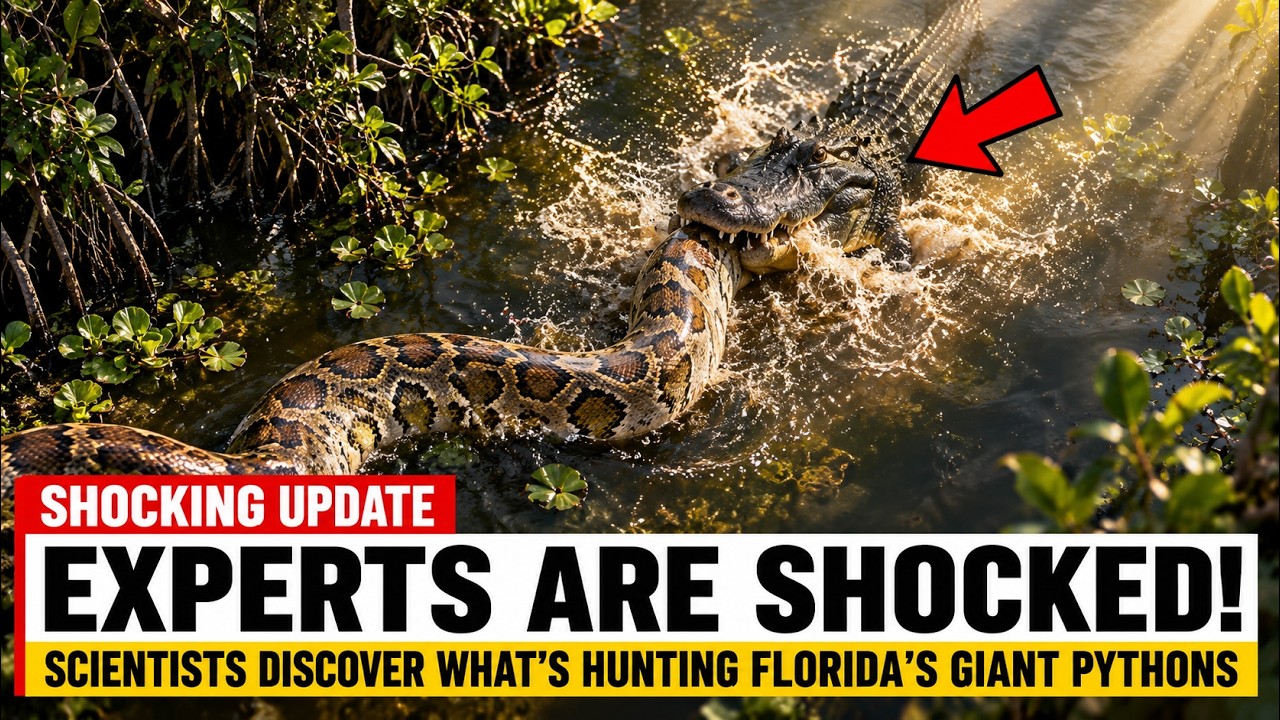
Deep in the Everglades, scientists finally identified what’s been hunting Florida’s giant pythons—and it’s not another snake. For years, massive invasive pythons have devastated local wildlife, and researchers suspected an unexpected predator was pushing back.
The Burmese python has been an established apex predator in the Florida Everglades for roughly two decades. The invasive species, which can reach lengths of 20 feet, has contributed to significant declines in native mammal populations across the wetland ecosystem.Eradication efforts have spent millions of dollars and involved thousands of hunter hours, but specialists describe the results as limit…