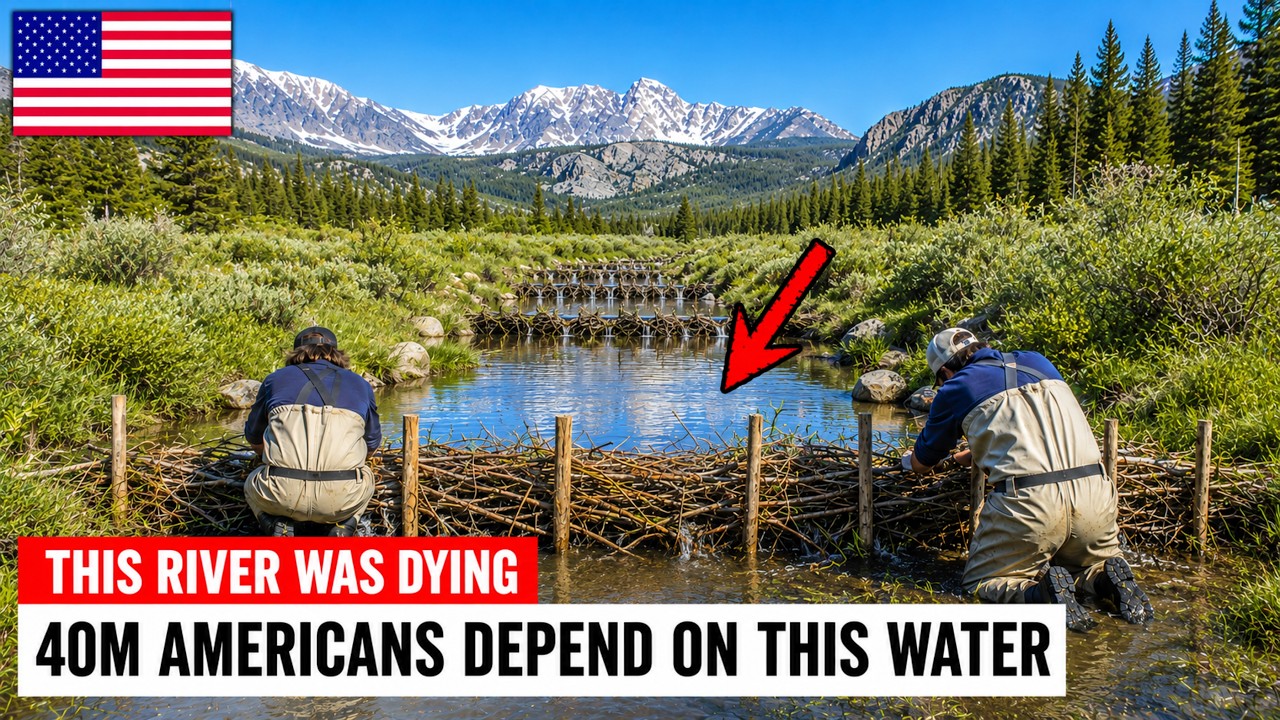
In 1940, 630 beavers lived in the Kawuneeche Valley in Colorado. By 2023, only six remained. Willow trees had thinned, wetlands had disappeared, and roughly 90 percent of the valley’s surface water
In 1940, 630 beavers lived in the Kawuneeche Valley in Colorado. By 2023, only six remained. Willow trees had thinned, wetlands had disappeared, and roughly 90 percent of the valley’s surface water was gone. The valley sits at the headwaters of the Colorado River, which supplies drinking water to about 40 million Americans along its 1,450-mile path through the western United States. Ecologists had…
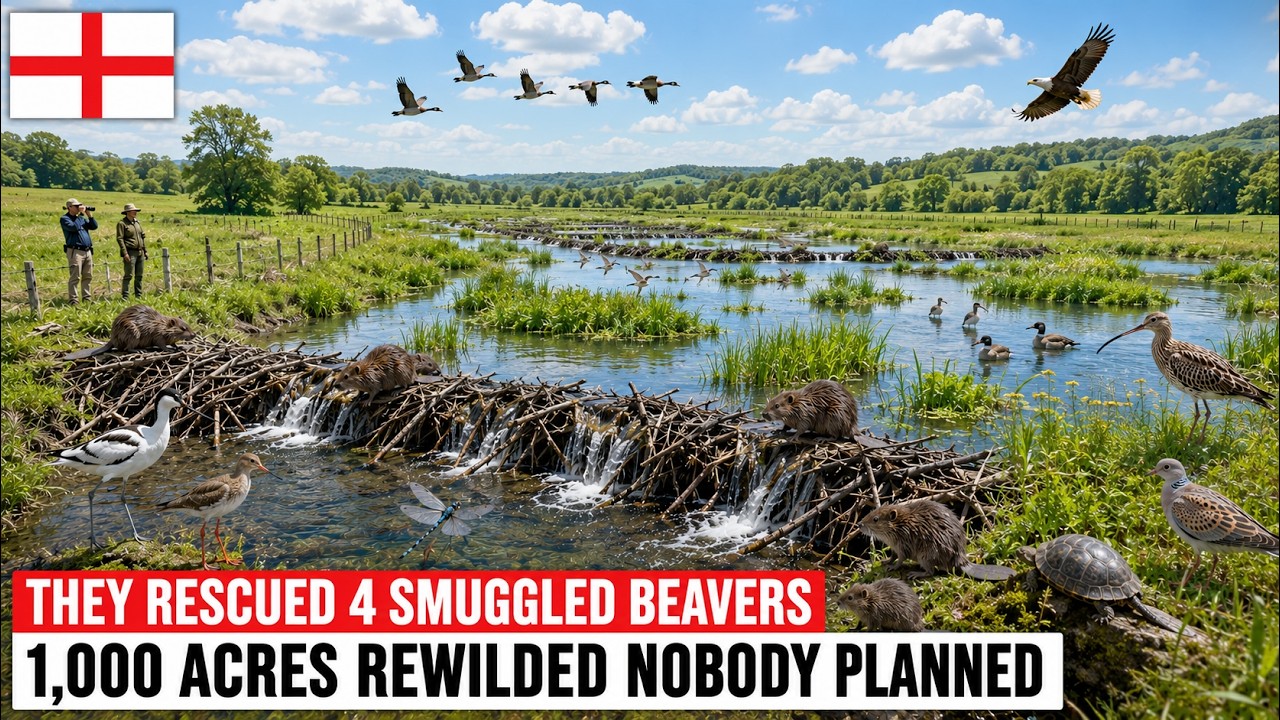
England bought the land for £425,000 after it was declared the deadest farm in the country, barren after decades of intensive farming. But instead of replanting crops, they introduced four beavers to a thousand acres, letting nature take over.
In 2021, Dominic Buscall had spent two years restoring wildlife at Wild Ken Hill when a trail camera in the marsh recorded a young beaver moving through water his parents had created in wetland once marked as farmland on old survey maps. The last confirmed beaver born in Norfolk lived before the reign of Elizabeth I. Buscall’s family had farmed these fields for 150 years, and no one in Norfolk had…
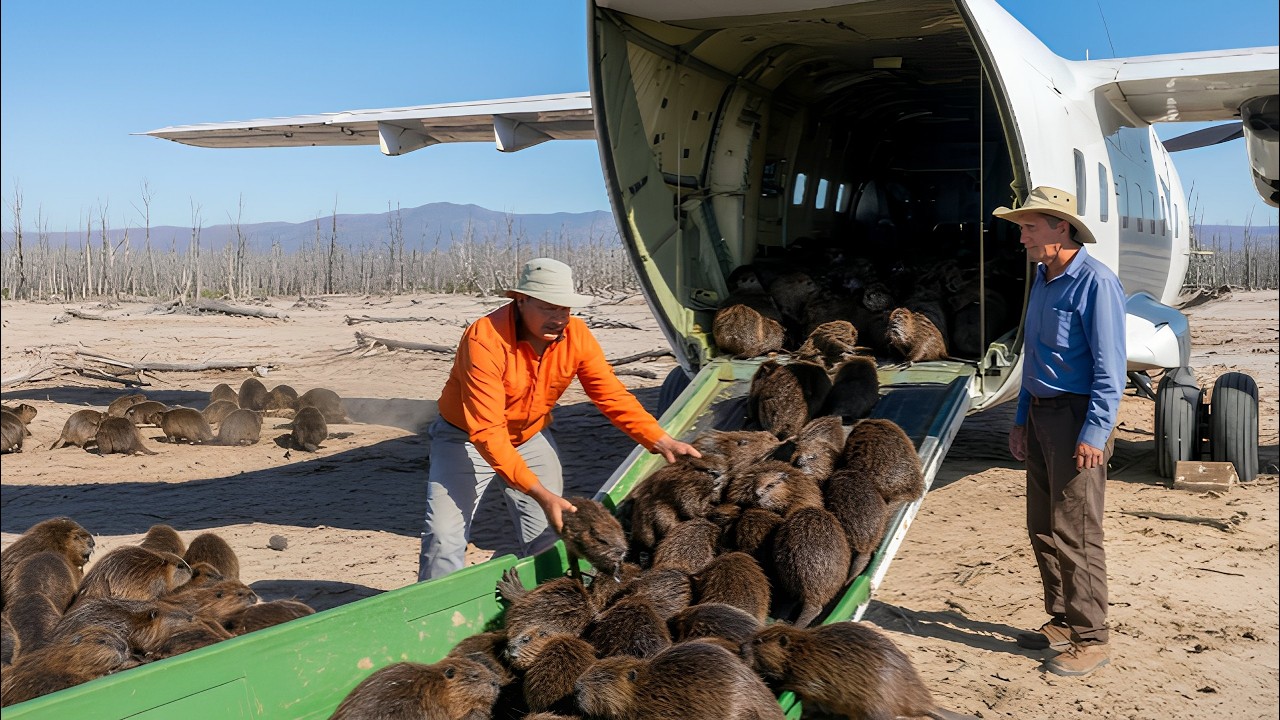
They dropped beavers onto dead land stripped of trees, a barren patch where officials expected nothing. The rodents were relocated as a last-ditch experiment, and humans assumed the dry terrain would reject them.
Beavers reintroduced to degraded watersheds in Washington state have restored wetland ecosystems, reduced wildfire damage, and improved salmon habitat, according to years of monitoring by state agencies and university researchers.In the early 2000s, the Methow and Yakima watersheds had been severely damaged by drought and wildfires that consumed 70 percent of the region’s forests. The ground could…
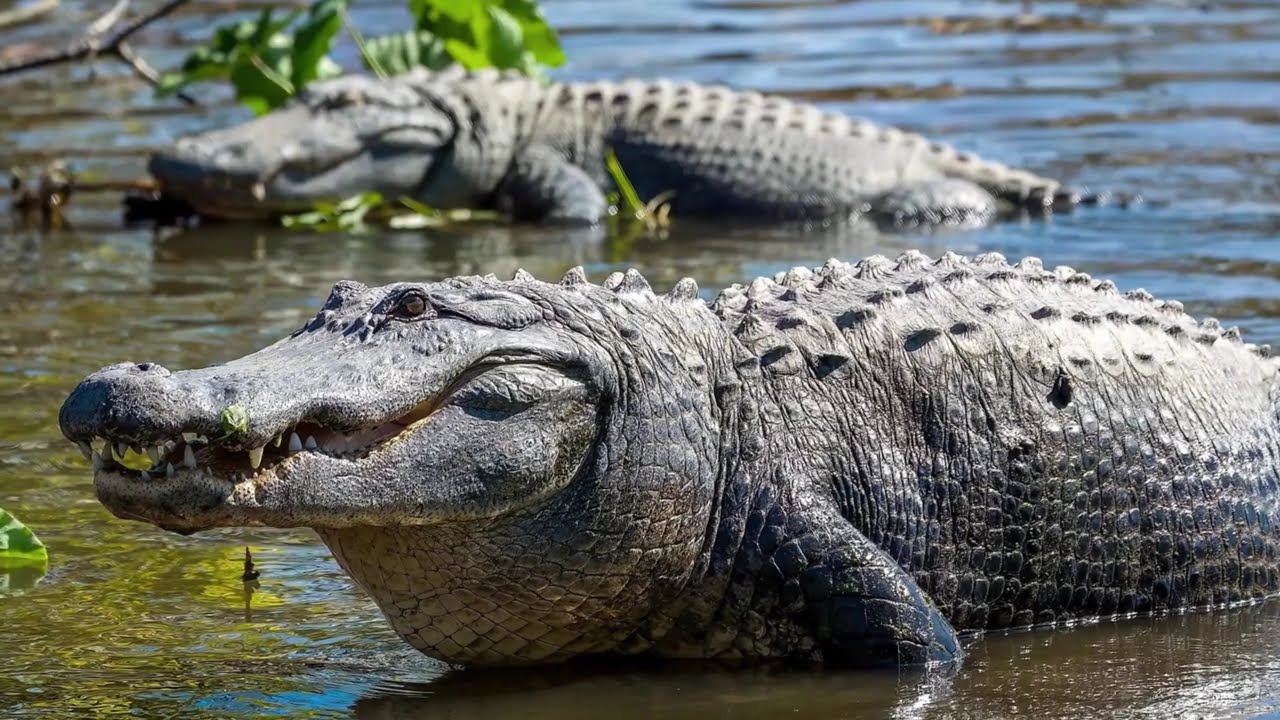
Louisiana releases licensed hunters into its swamps to trap massive alligators, but the mission isn’t trophy hunting—it’s biological warfare against an invading rodent. The state’s alligator harvest program targets nutria, a destructive South American species that has chewed through coastal marshlands, turning protective wetlands into open water.
In the 1930s, Louisiana’s coastal marshlands began a slow collapse. The cause was traced to a semi-aquatic rodent imported from South America, which multiplied rapidly and fed on the root systems that held the wetlands together. Over time, the state lost significant portions of its coastline to erosion. The eventual solution involved a species that had been hunted nearly to extinction: the America…
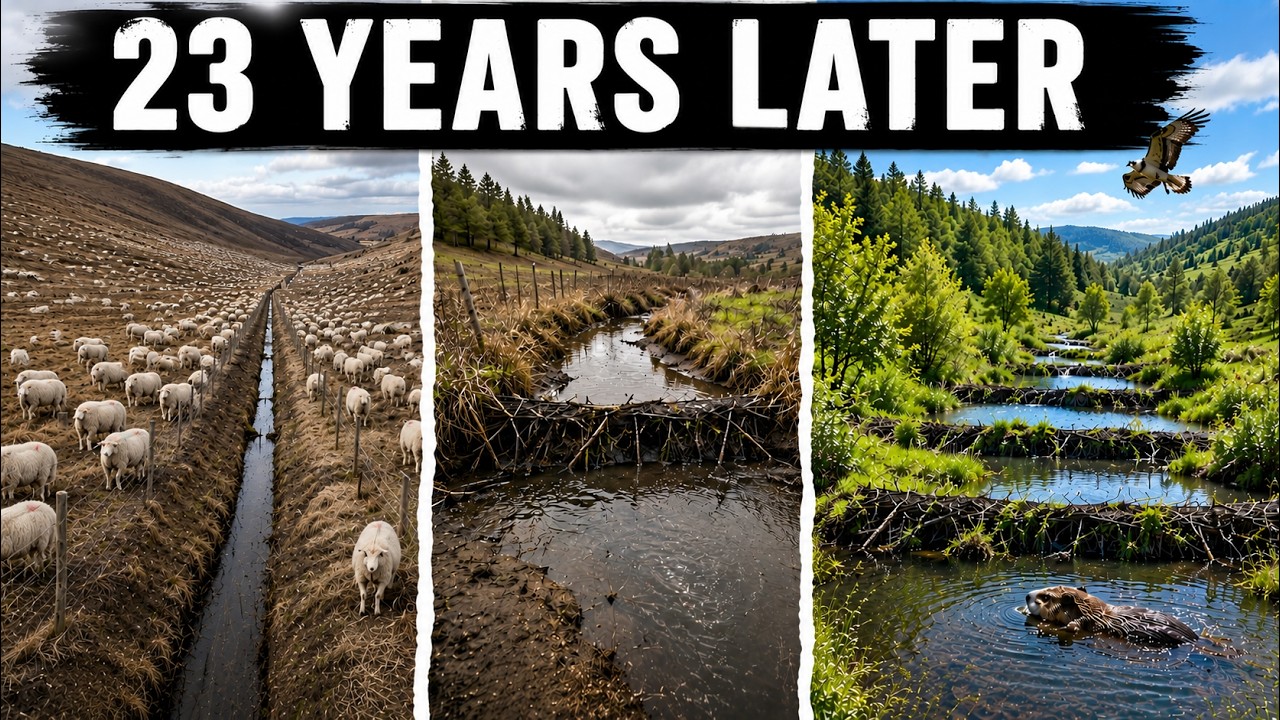
For 23 years, one Scottish family traded sheep for beavers, and the results stunned researchers. Their land, once overgrazed and barren, transformed into thriving wetlands that now support a complex web of wildlife.
In early 2002, Paul and Louise Ramsay released a pair of beavers into a drainage ditch on their family estate in northeastern Perthshire, Scotland. The estate had been in the Ramsay family since 1232, when King Alexander II granted the land to an ancestor. The beavers, a species extinct in Britain for nearly 400 years, were released without government permission.The first two animals died within m…
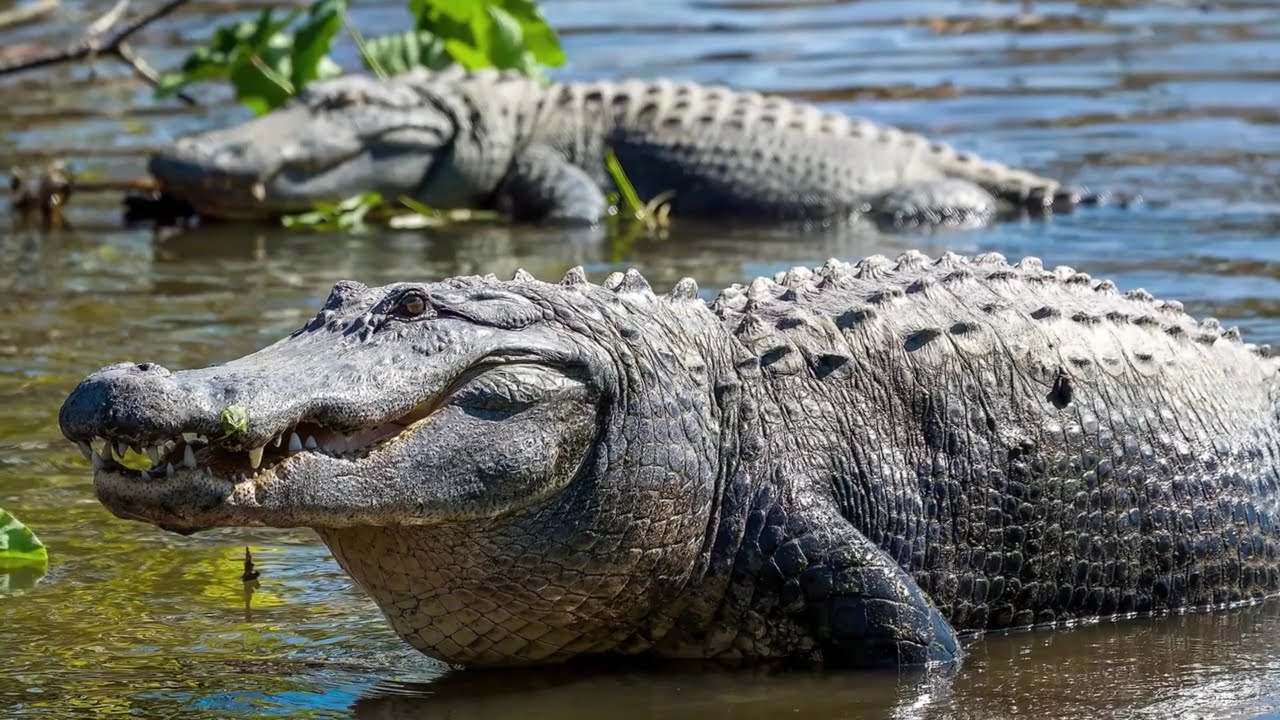
Louisiana was losing a football field of marshland every hour, and the unlikely fix involved the American alligator, a predator once hunted to near extinction. The real culprit was nutria, invasive rodents that devoured the dense root mats holding wetland soil together, turning vegetated marsh into open water.
Louisiana’s coastal wetlands were eroding rapidly, and an invasive rodent species was making the damage significantly worse. By the mid-20th century, the state was losing a football field of marshland every hour, in part because nutria, large semi-aquatic rodents imported from South America, were destroying the root systems that held the soil together. The solution that eventually stabilized the c…
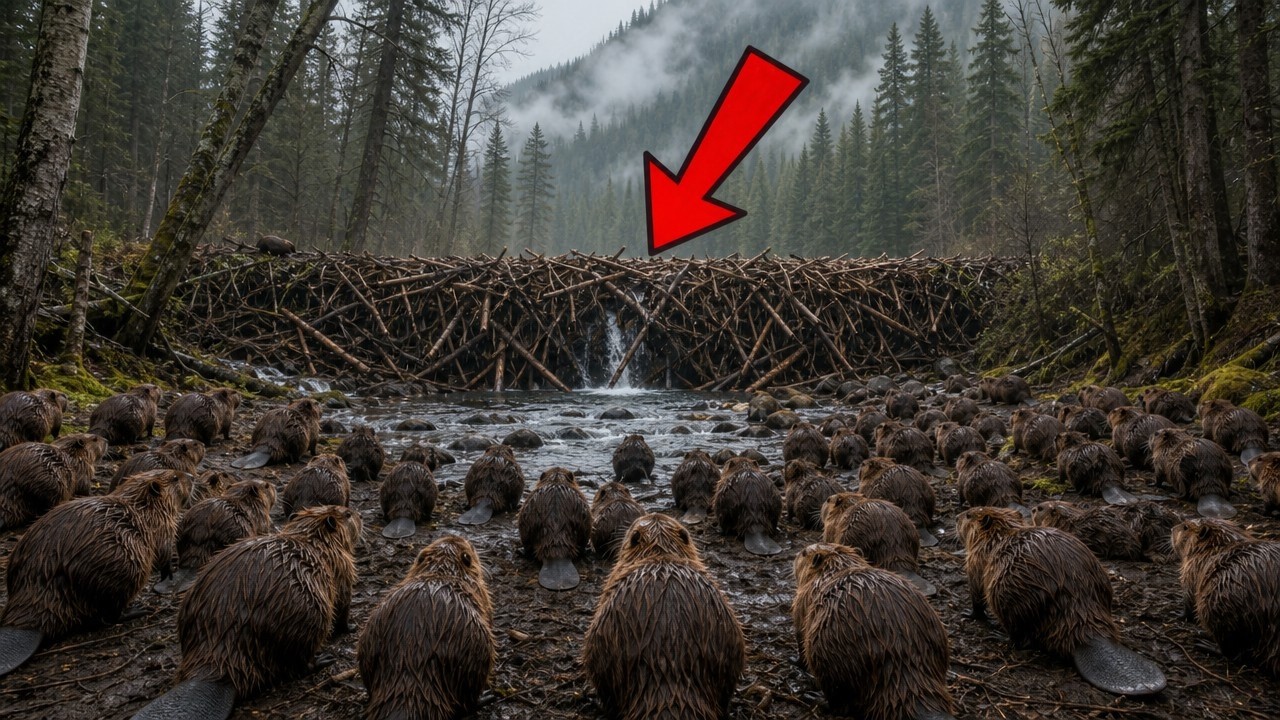
Wildlife officials dropped 240 beavers into dying Pacific Northwest streams—and the ecosystem response was anything but expected. The rodents were meant to restore degraded waterways, rebuilding dams that had vanished for a century.
In the mountains of Washington state, biologists have spent more than a decade moving beavers into streams that were losing water. The animals, once considered pests, have rebuilt wetlands, stored millions of gallons of water, cooled rivers for salmon, and created natural firebreaks across dry landscapes.The work began in 2007 in the Methow Valley, where streams feeding the Eastern Cascade Mountai…