After lightning-sparked wildfires swept through the sawgrass prairies of Everglades National Park, researchers and park staff walking the charred ground encountered something they had not expected
After lightning-sparked wildfires swept through the sawgrass prairies of Everglades National Park, researchers and park staff walking the charred ground encountered something they had not expected based on decades of official surveys. The fires had burned away the dense grassy cover that had concealed the landscape for years, and the exposed earth revealed an invasive predator present in numbers f…
Researchers returned to the Everglades expecting scorched earth after the fires, but what they found instead stopped them cold. The flames had torn through the wetlands, leaving a landscape they thought would take decades to recover.
Everglades wildfires burn on a regular basis, but researchers have found that the aftermath of these fires offers an unusual opportunity to study an invasive species that has reshaped the region over the past few decades. When sawgrass burns away, the exposed ground reveals evidence that is normally hidden beneath dense vegetation and dark water. Survey crews have used these windows to document ne…
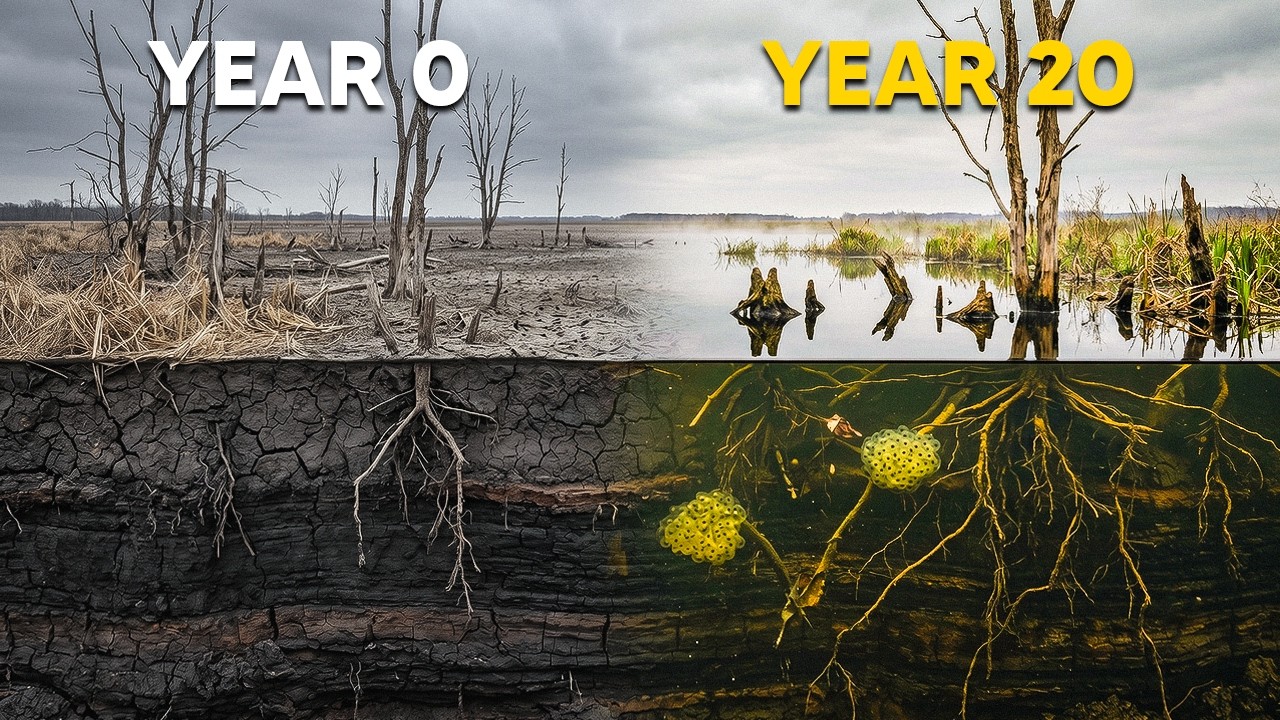
Nine thousand years of untouched swamp history vanished when the land was drained 260 years ago, and now the controversial decision to flood it again is finally underway. The massive restoration project aims to reverse generations of damage, reconnecting the land to its original waterways and reviving long-lost habitats.
In August 2011, Hurricane Irene delivered 12 inches of rain onto an active wildfire in Virginia’s Great Dismal Swamp. The fire, already burning for weeks, continued for a total of 111 days, smoldering beneath the floodwater. The rain could not reach the fire because the fire was not burning on the surface. It was burning inside the peat soil itself.The Great Dismal Swamp is a peatland on the Virgi…
Researchers returned to the Everglades after the fires expecting to confirm what twenty years of study had supposedly proven—that the Burmese python had won—but the charred ground revealed a hidden story that contradicted everything they thought they knew. For decades, the invasive snakes had erased over 99% of raccoon sightings and pushed native wildlife toward collapse, despite removal programs capturing more than 20,000 pythons.
Everglades wildfires burn nearly every year, but what they reveal in their aftermath has changed how researchers understand one of the most studied ecological invasions in North America. When sawgrass disappears and standing water becomes exposed, survey teams enter areas that are normally impossible to read. For years, the expectation was that fire would confirm a grim picture researchers had alr…