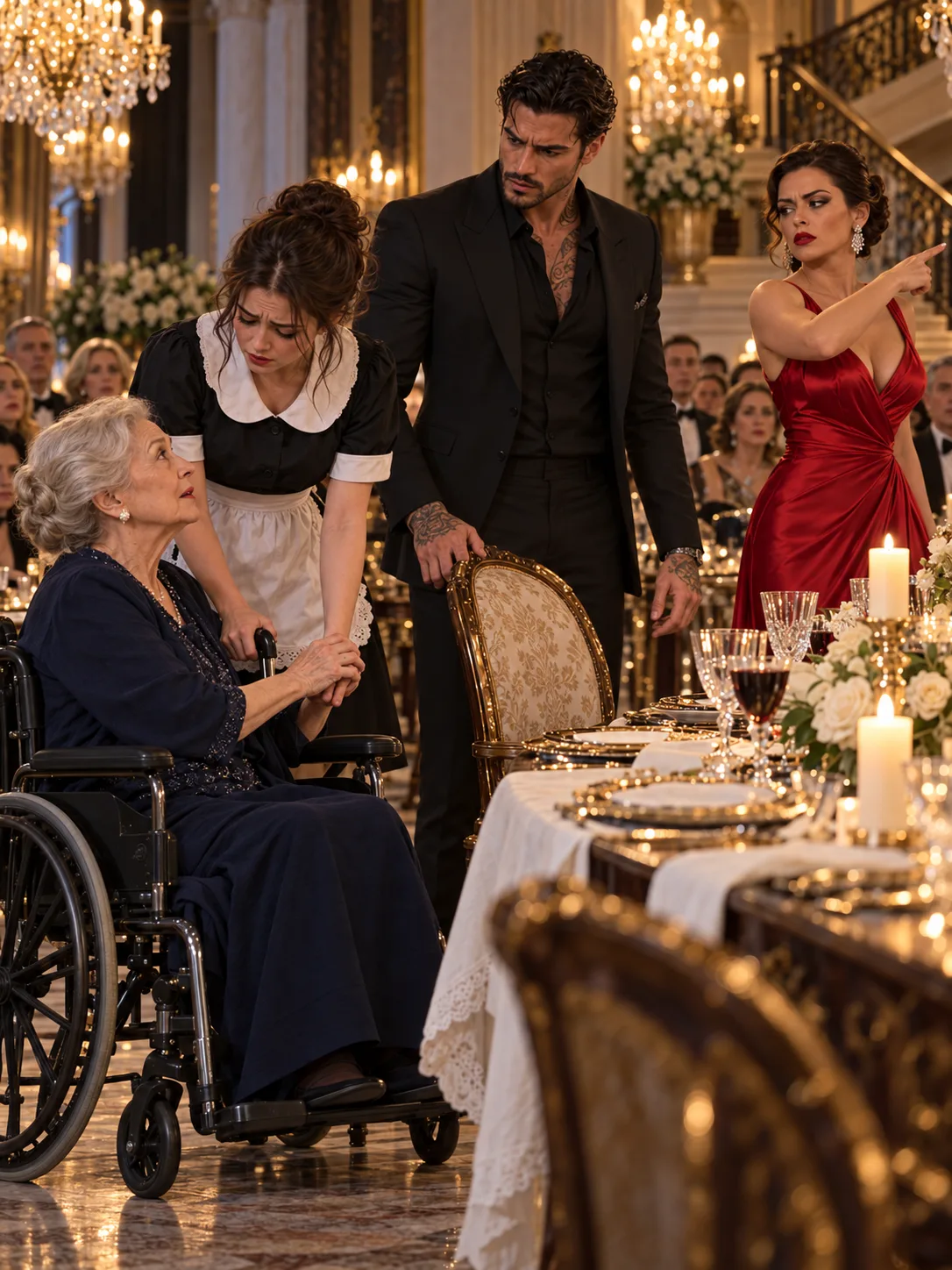
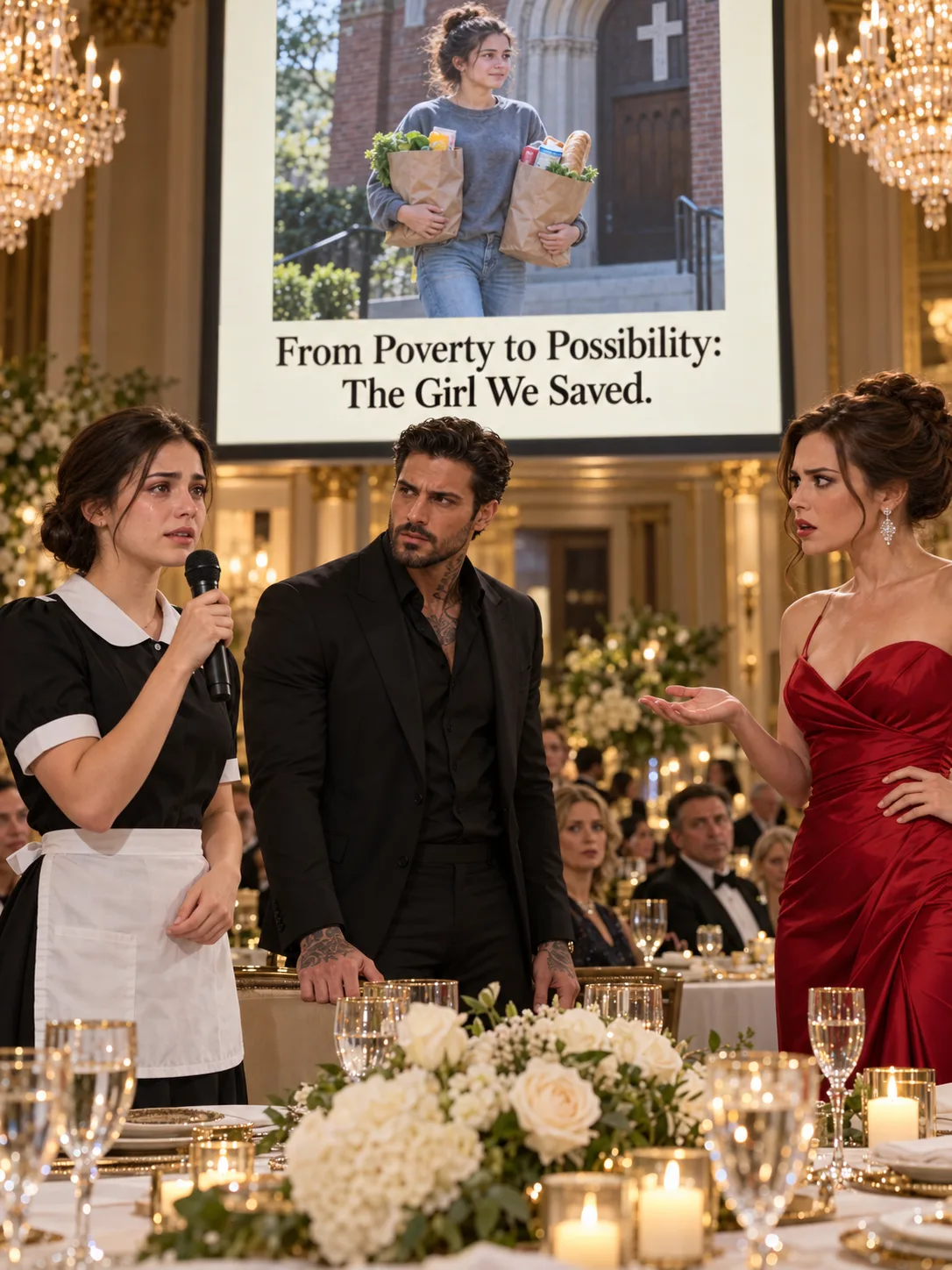
Chapter 4 – SIXTY-THREE PEOPLE WAITING FOR HEAT
“Two million dollars?” Luca repeated.
He took the bank notice from his mother and read the amount for himself.
Two million, one hundred and forty thousand dollars.
It wasn’t the foundation’s entire reserve.
But it represented years of donations, including money that had been specifically given to help elderly Chicago residents pay for heating, food, and essential repairs.
Vanessa stepped toward him.
“Luca, that money isn’t disappearing. It’s being moved into a professionally managed account.”
“Managed by whom?”
“Harbor Community Services.”
“And who authorized Harbor to manage my parents’ foundation?”
She looked at Teresa.
“Your mother has been informed about the transition.”
Teresa sat a little straighter.
“Being informed isn’t the same as agreeing.”
Vanessa’s expression tightened.
“Teresa, you’ve said yourself that the foundation has become too much work.”
The older woman frowned.
“I said I was tired after the luncheon.”
“You also said your knees had been bothering you.”
“My knees have nothing to do with my judgment.”
Luca folded the notice.
“Enough. Nobody is moving anything until the board reviews it.”
Vanessa looked frustrated.
“The bank hasn’t completed the change. That’s why it sent the confirmation request. But postponing everything will delay services even longer.”
Teresa looked at her.
“Then why were the services stopped before anything was approved?”
Vanessa didn’t answer.
That question stayed with me.
It was easy to become distracted by the enormous sum on the page.
But Teresa was thinking about the people waiting for much smaller amounts.
Three hundred dollars.
Five hundred.
Enough to keep a furnace running through January.
She reached for my hand.
“Emily, would you mind getting the brown ledger from the cabinet in Luca’s study?”
I nodded.
“Of course.”
I knew the ledger.
It was large, heavy, and covered in worn brown leather.
Teresa had used it for years to record the foundation’s community projects. The official accounting was kept electronically, but she preferred having a separate record of commitments made to families.
She called it her promise book.
When I returned, she opened it on her lap.
Her fingers moved down a handwritten list.
“Sixty-three heating grants,” she said. “Approved November third.”
She turned the page.
“Twenty-eight grocery assistance grants. Fourteen emergency plumbing repairs. Nine furnace replacements.”
Luca sat beside her.
“You remember all of them?”
“Not every name anymore.”
She smiled faintly.
“But I remember the promises.”
Vanessa looked at the book.
“Those entries aren’t the official financial records.”
“I know.”
“Then we shouldn’t use them to evaluate accounting decisions.”
Teresa closed it.
“They tell me what people were promised. That’s what I need to know.”
Luca looked at Vanessa.
“Where are the official disbursement records?”
“At the office.”
“Then bring them to tomorrow’s meeting.”
“I will.”
“And don’t approve any additional changes tonight.”
Vanessa’s eyes narrowed.
“You’re treating me as though I’ve done something dishonest.”
Luca looked toward the empty chair near the fireplace.
“After what happened at dinner, I think you can understand why I’m asking questions.”
She said nothing.
I began gathering the teacups.
The room had become so uncomfortable that even the sound of porcelain against the tray seemed too loud.
Then Teresa called me back.
“Emily, did you put away the mailing supplies after the luncheon?”
“Yes, ma’am.”
“Do you remember the envelopes?”
I thought for a moment.
“There were several boxes. The volunteer thank-you cards went into the blue ones.”
“And the assistance checks?”
“The white window envelopes.”
She nodded.
“That’s right.”
I remembered something else.
The mailing boxes had been placed in the small service pantry because Vanessa said the foundation office would arrange collection after the dinner preparations were finished.
But the collection had never happened.
“Mrs. Moretti, I think some are still here.”
Luca looked up.
“Where?”
“In the service pantry.”
Vanessa’s expression changed.
“Those are administrative materials, Emily. They don’t concern you.”
I felt the familiar tightening in my stomach.
It was the same tone she’d used when she threatened my job over Teresa’s chair.
Luca noticed.
“Emily, would you show me?”
I nodded.
We walked down the hallway together.
Teresa insisted on coming, so Luca offered his arm without making a fuss about her knees.
The service pantry was narrow, lined with shelves holding extra linens, silverware, and catering equipment.
On the bottom shelf stood three cardboard mailing boxes.
I’d moved them there myself.
The first contained unused envelopes.
The second held printed foundation newsletters.
The third was sealed with blue tape.
Teresa recognized it.
“Those are the heating checks.”
Luca lifted the box onto the counter.
“May I open it, Mom?”
She nodded.
He carefully cut the tape.
Inside were neatly arranged envelopes bearing names and Chicago addresses.
A white sheet rested on top.
Winter Emergency Assistance — Approved Distribution.
Sixty-three names.
Sixty-three envelopes.
Not one had been mailed.
Teresa closed her eyes.
“Oh, Antonio.”
She said her husband’s name so quietly that I almost didn’t hear it.
Luca placed a hand on her shoulder.
“We’ll get them out.”
She shook her head.
“Some of these people have already been waiting two weeks.”
Vanessa stood in the doorway.
“The checks can’t be released while the account information is being verified.”
“Why not?” Teresa asked.
“Because the old procedures are being replaced.”
“But the checks were approved under the old procedures.”
Vanessa looked away.
Luca picked up the distribution sheet.
At the bottom was a handwritten instruction:
Hold pending chairwoman’s authorization.
Teresa stared at it.
“I authorized them on November third.”
Luca looked at her.
“Do you have the record?”
She tapped her ledger.
“It’s there.”
He examined the handwritten instruction.
Beneath it were the initials V.B.
Vanessa’s initials.
He turned toward her.
“You instructed the staff to hold these?”
“Yes.”
“Without telling my mother?”
“I believed the administrative review required it.”
Teresa took the distribution sheet.
Her fingers moved slowly across the names.
Then she stopped.
“Helen Foster.”
I remembered the woman from the luncheon.
Teresa looked up at me.
“Emily, do you remember Mrs. Foster?”
“Yes, ma’am.”
“She was wearing that green coat. The one with the wooden buttons.”
I nodded.
“She told me she’d sewn them on herself.”
Teresa smiled sadly.
“She used to work in a clothing factory.”
She looked back at the list.
“Her furnace broke last winter. She got it repaired, but the debt nearly wiped out her savings.”
Luca listened.
Teresa continued.
“We approved her assistance because she needs to keep her gas service connected while she pays for medication.”
Vanessa sighed.
“The checks will be sent once the banking arrangements are settled.”
Teresa looked at her.
“Vanessa, these aren’t payments for flowers or tablecloths.”
“I know that.”
“Then why are you speaking as though a few weeks doesn’t matter?”
Vanessa’s face flushed.
“I have been trying to improve a system that you yourself complained was slow and outdated.”
Teresa looked down.
For a moment, she seemed uncertain.
Then Luca spoke.
“Mom, you can want better administration without agreeing to stop helping people.”
She looked grateful.
He turned to Vanessa.
“Show me the instruction that required these checks to be held.”
Vanessa hesitated.
“It’s in the review packet.”
“Where?”
“At the office.”
“Then we’ll see it tomorrow.”
Luca placed the envelopes back in the box.
As he lifted the top sheet, a smaller paper slipped from between the files.
It was a copy of an internal instruction.
The heading read:
Temporary Suspension of Direct Assistance Payments.
At the bottom was an authorization line.
Teresa’s name appeared beneath it.
I saw her expression change.
“That’s my signature.”
Luca studied the page.
“Mom, did you sign this?”
She shook her head.
“No.”
Vanessa looked toward the paper.
Teresa reached for it.
Her voice was suddenly very steady.
“I remember signing for the volunteer envelopes. I never signed anything telling the foundation to stop helping people.”
Luca held the document beside his mother’s old ledger.
Then he looked at Vanessa.
“Someone used her signature to stop sixty-three families from receiving the money she approved.”
Share