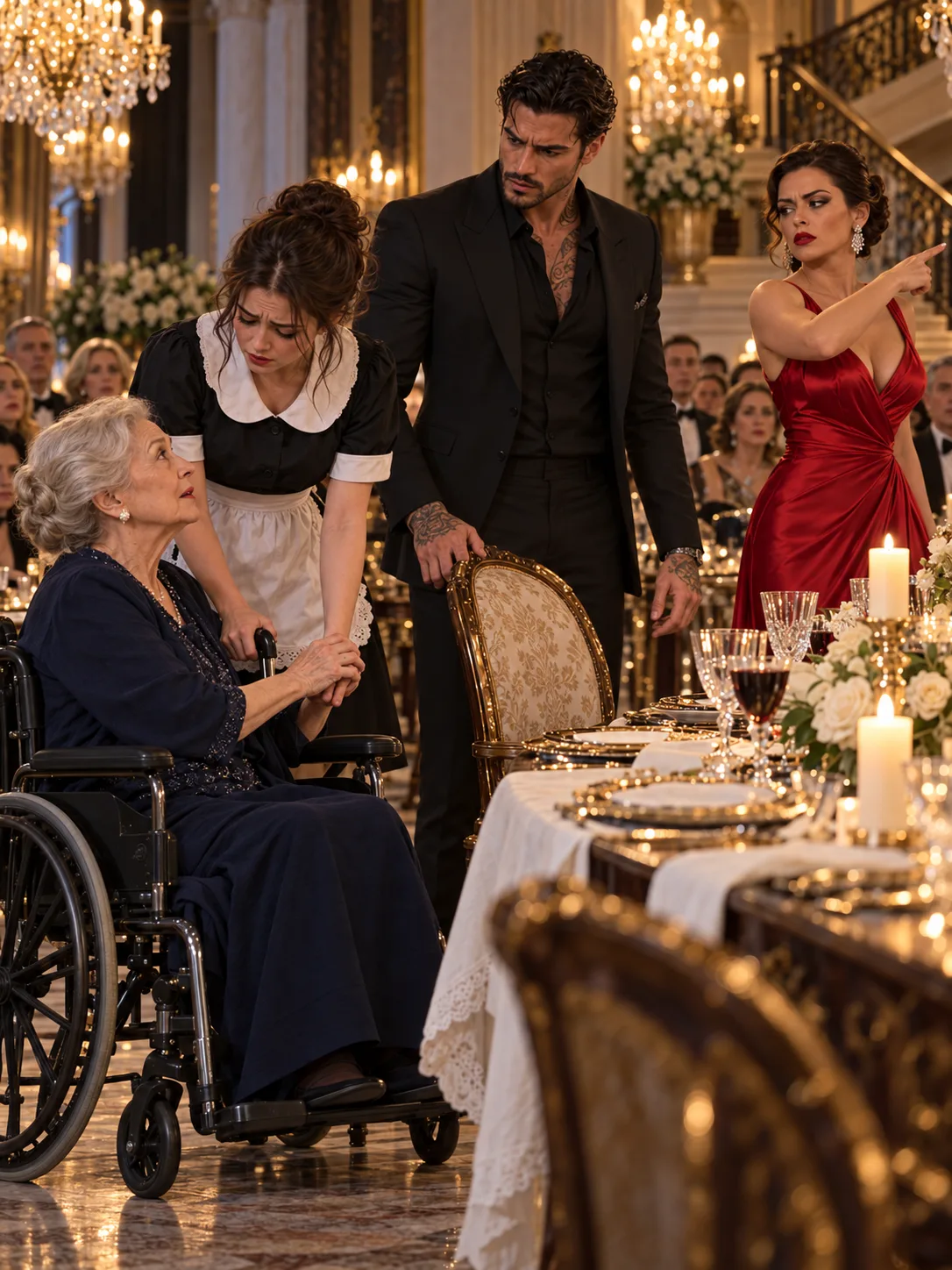
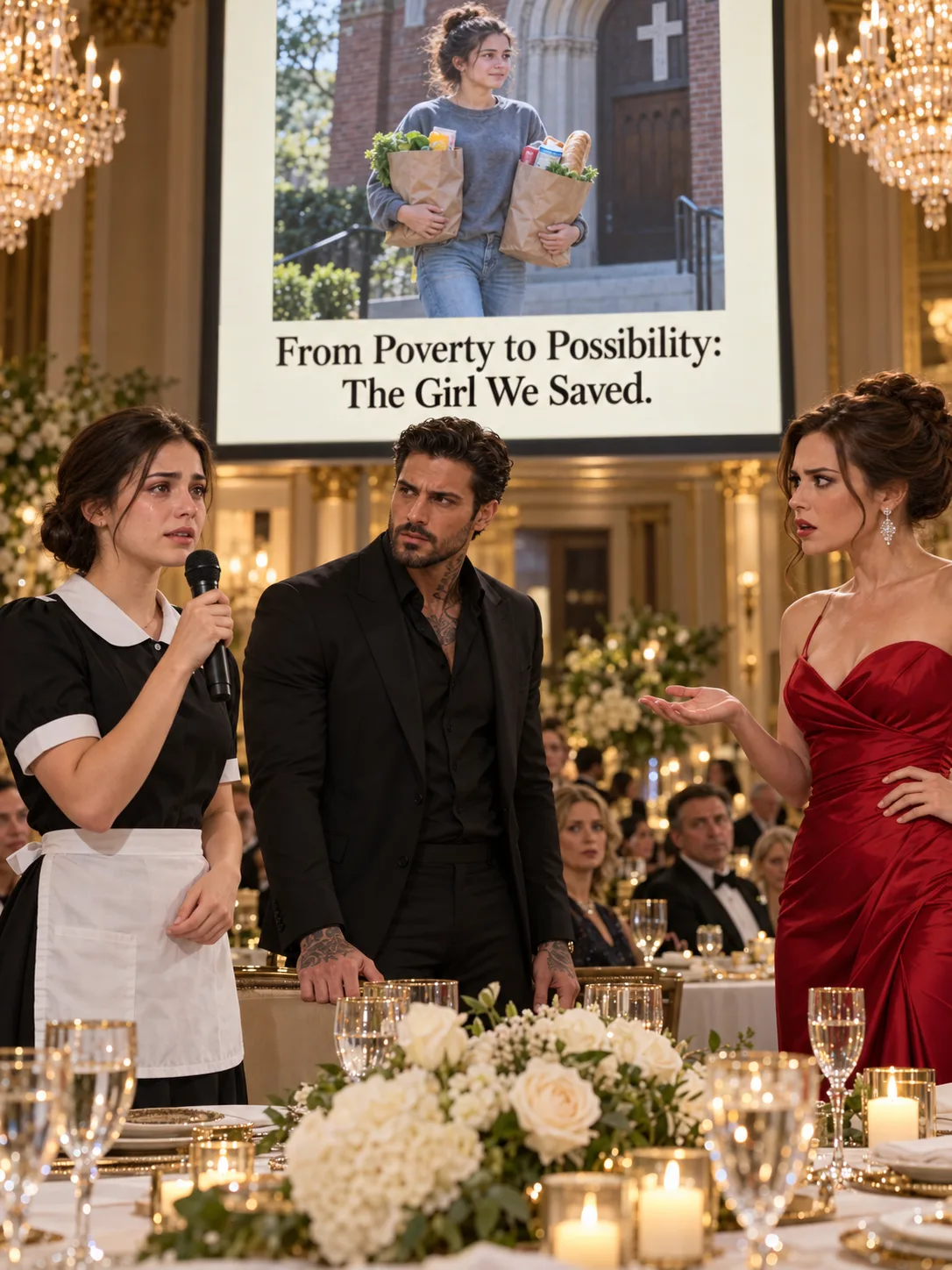
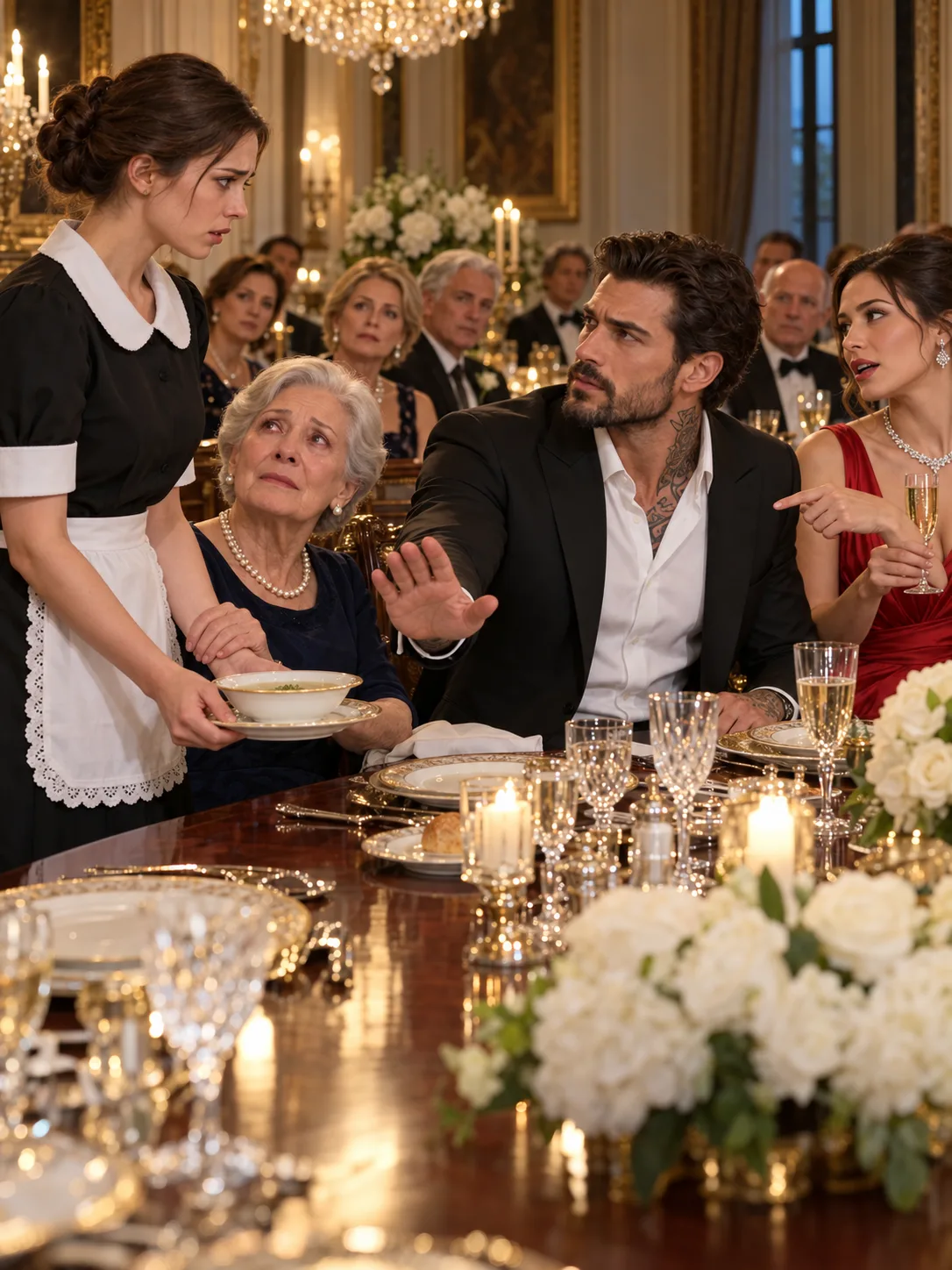
Chapter 7 – THE CONTRACT HIDDEN IN PLAIN SIGHT
Vanessa turned back.
“What agreement?”
Teresa held up the last section of the proposal.
“This one.”
Luca crossed the room.
He took the document and read the heading.
Exclusive Program Administration and Transition Services Agreement.
The agreement identified Harbor Community Services as the proposed manager of the foundation’s expanded assistance programs.
It was dated three weeks earlier.
Luca frowned.
“Who signed this?”
Vanessa stepped closer.
“It was a preliminary agreement.”
“That isn’t what I asked.”
“The contract was conditional.”
“On what?”
“Board approval and confirmation of account authority.”
Luca turned the page.
The agreement did contain those conditions.
No money could be transferred under it unless the foundation completed the required approvals.
That was important.
It meant the foundation’s funds hadn’t yet been handed over.
But it also meant Vanessa had negotiated a major contract without telling the people who legally controlled those funds.
Teresa examined the first page.
“Who approved the exclusivity?”
Vanessa hesitated.
“I did.”
“In what capacity?”
“As coordinator of the transition review.”
Teresa shook her head.
“You had no authority to commit the foundation to an exclusive arrangement.”
“The contract couldn’t take effect without approval.”
“Then why sign it?”
“Because Harbor needed certainty before committing resources.”
Luca looked up.
“What resources?”
Vanessa’s eyes shifted toward the document.
“Staffing. Systems. Regional facilities.”
He continued reading.
The agreement required the foundation to place the proposed program funds under an outside administrator once the transition received approval.
Harbor would then control vendor selection, operational spending, and the timing of program disbursements, subject to broad reporting requirements.
Teresa looked at the pages.
“Where does it say families will continue receiving direct heating assistance?”
Vanessa pointed to a paragraph.
“There.”
Teresa read it carefully.
Then she shook her head.
“That says Harbor may provide assistance through approved community partners.”
“Yes.”
“It doesn’t say they must.”
Vanessa looked impatient.
“That’s standard contractual flexibility.”
Teresa turned toward Luca.
“Your father and I never wanted a family to wait while somebody negotiated with three other organizations.”
Luca nodded.
“I know.”
She looked back at Vanessa.
“This contract gives Harbor permission to change how our money is used, but it doesn’t guarantee that the people we promised to help will still receive it.”
Vanessa said nothing.
The conference room was nearly empty now.
Through the windows, I could see the river moving slowly between the buildings.
I thought about Mrs. Foster sitting in her little Chicago house, waiting for a check that had already been approved.
She probably had no idea that strangers were discussing whether her assistance should become part of a completely different program.
Luca continued reading.
Near the end, he found the financial schedule.
The proposed administration fee was calculated as a percentage of the funds transferred.
The larger the transfer, the larger Harbor’s compensation.
“That creates an incentive to move as much money as possible,” he said.
Vanessa folded her arms.
“That’s why the board has oversight.”
“The board didn’t know about the contract.”
“It was going to be presented for approval.”
“When?”
“At the scheduled transition meeting.”
“After the engagement announcement?”
Vanessa didn’t answer.
Teresa placed the papers on the table.
“I’d like to go home.”
Luca immediately turned toward her.
“Of course.”
She looked tired again.
Not confused.
Just tired in the way people become tired when they’ve spent too long defending something they love.
As I helped her gather the folders, she noticed a smaller document tucked inside the back cover.
It was a marketing brochure.
The front showed an artist’s rendering of a modern community center.
Large windows.
A covered entrance.
A landscaped courtyard.
Across the top were the words:
The Moretti Legacy Center.
Teresa stared at it.
“What’s this?”
Vanessa looked uncomfortable.
“A concept.”
Teresa opened it.
Inside were descriptions of private consultation rooms, professional case management, a transportation service, and residential support referrals.
There were also photographs of smiling older adults.
The brochure looked beautiful.
But Teresa’s expression grew troubled.
“Why does this say Antonio founded the center?”
Vanessa looked toward her.
“It’s intended to honor his memory.”
Teresa shook her head.
“He founded the foundation. He never planned this building.”
“The center would carry his legacy forward.”
“Then you should have asked me before putting his name on it.”
Vanessa looked down.
For a moment, I thought she might apologize.
Instead, she said, “You keep saying I should have asked. But every time I brought up expansion, you found a reason to delay it.”
Teresa looked surprised.
“I asked for a budget.”
“You asked for more information.”
“Because I hadn’t seen one.”
Vanessa pressed her lips together.
Luca looked at the brochure.
“Has this been distributed?”
“Only to prospective partners.”
“Which partners?”
“Organizations we hoped would support the project.”
He opened the back cover.
There was a paragraph describing the center as an initiative of the Moretti Family Foundation, developed in partnership with Harbor Community Services.
Beneath it was a statement attributed to Teresa.
After thirty years of service, I am proud to entrust our foundation’s next chapter to a new generation.
Teresa stared at the words.
“I never said that.”
“I know,” Vanessa replied. “It was suggested language.”
Luca looked at her.
“You’ve been using my mother’s name to promote a project she hasn’t approved.”
Vanessa’s voice tightened.
“It’s a concept brochure, Luca.”
“Then it shouldn’t contain statements attributed to people who never made them.”
She looked away.
I put the brochure back into the folder.
As I did, a small folded sheet slipped from the inside pocket.
It was a production note from the printing company.
I recognized the format.
I’d seen similar notes when Vanessa arranged menus and programs for the engagement dinner.
The note listed the materials prepared for the foundation presentation.
Brochures.
Board packets.
Leadership announcement cards.
A commemorative gold pin for the incoming chairwoman.
I stopped.
Another gold pin.
Teresa still wore Antonio’s original on her jacket.
But Vanessa had already ordered a replacement symbol for herself.
Then I noticed the final line.
Print quantity: 250. Delivery required before engagement dinner.
I handed it to Luca.
“Sir, these weren’t prepared for a private board discussion.”
He examined the note.
“Two hundred and fifty copies?”
I nodded.
Vanessa looked at us.
“Those were for future fundraising events.”
Luca turned toward her.
“The leadership announcement was already printed before tonight.”
Vanessa didn’t answer.
Teresa touched her butterfly brooch.
I watched something change in her expression.
She had thought the missing chair was an embarrassment caused by vanity.
Now she was beginning to see that her public humiliation had been useful to someone.
If guests saw her standing unsteadily at dinner, needing help, looking frightened and confused, perhaps they would believe a story about an elderly chairwoman who could no longer manage her responsibilities.
Luca appeared to reach the same conclusion.
“Mom,” he said quietly, “did Vanessa ask you to stand through the toast because she wanted people to think you weren’t capable of sitting with us?”
Teresa looked toward Vanessa.
She didn’t answer.
She didn’t have to.
Vanessa’s face had gone pale.
Luca turned the brochure over.
On the back was a contact name for Harbor Community Services.
A small line identified a separate firm as the project’s strategic development partner.
Bellini Civic Management.
Luca stared at it.
“Vanessa.”
She looked up.
He placed his finger on the name.
“Why is your own company’s name on the contract for my mother’s foundation?”
Share