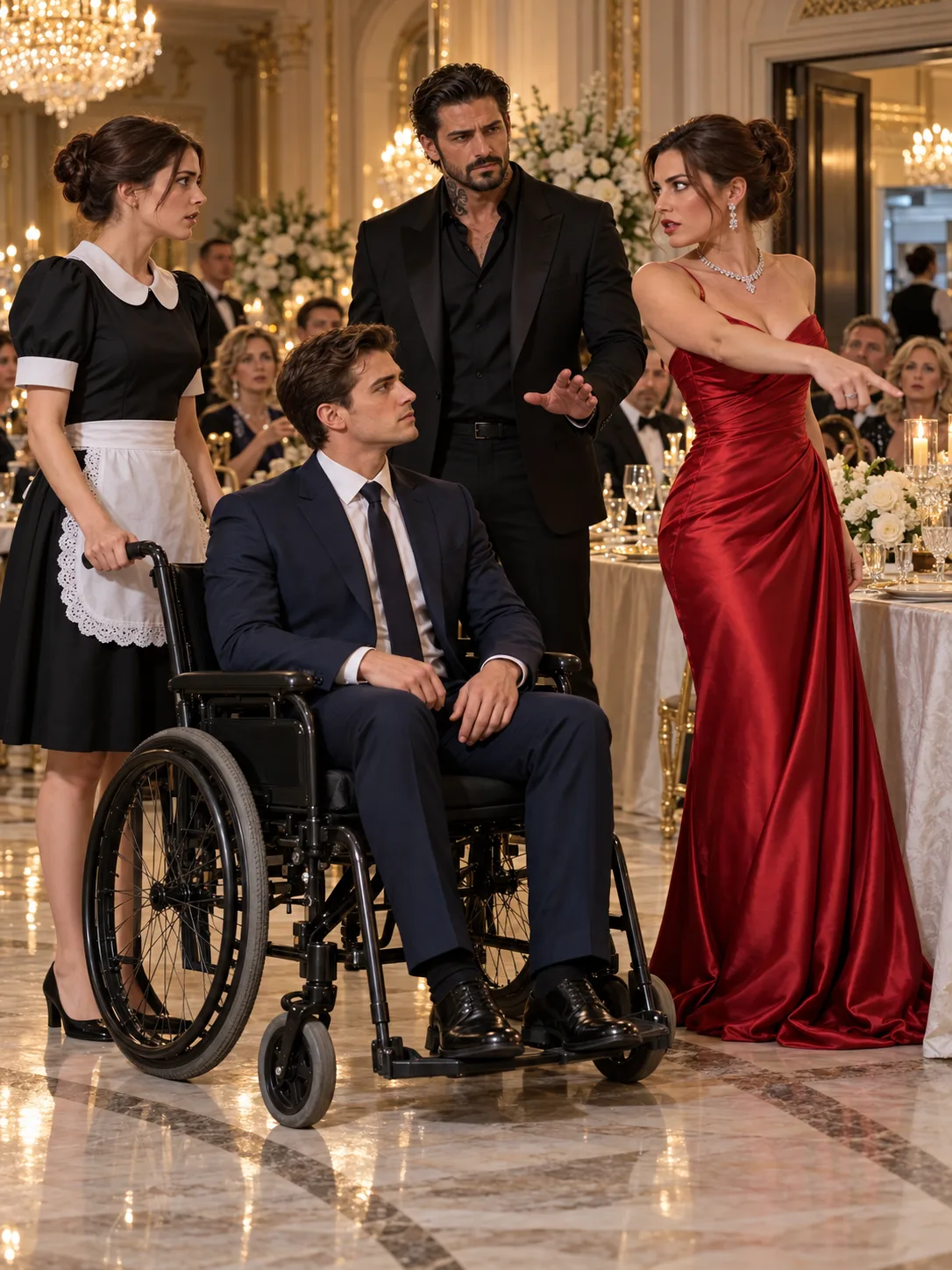
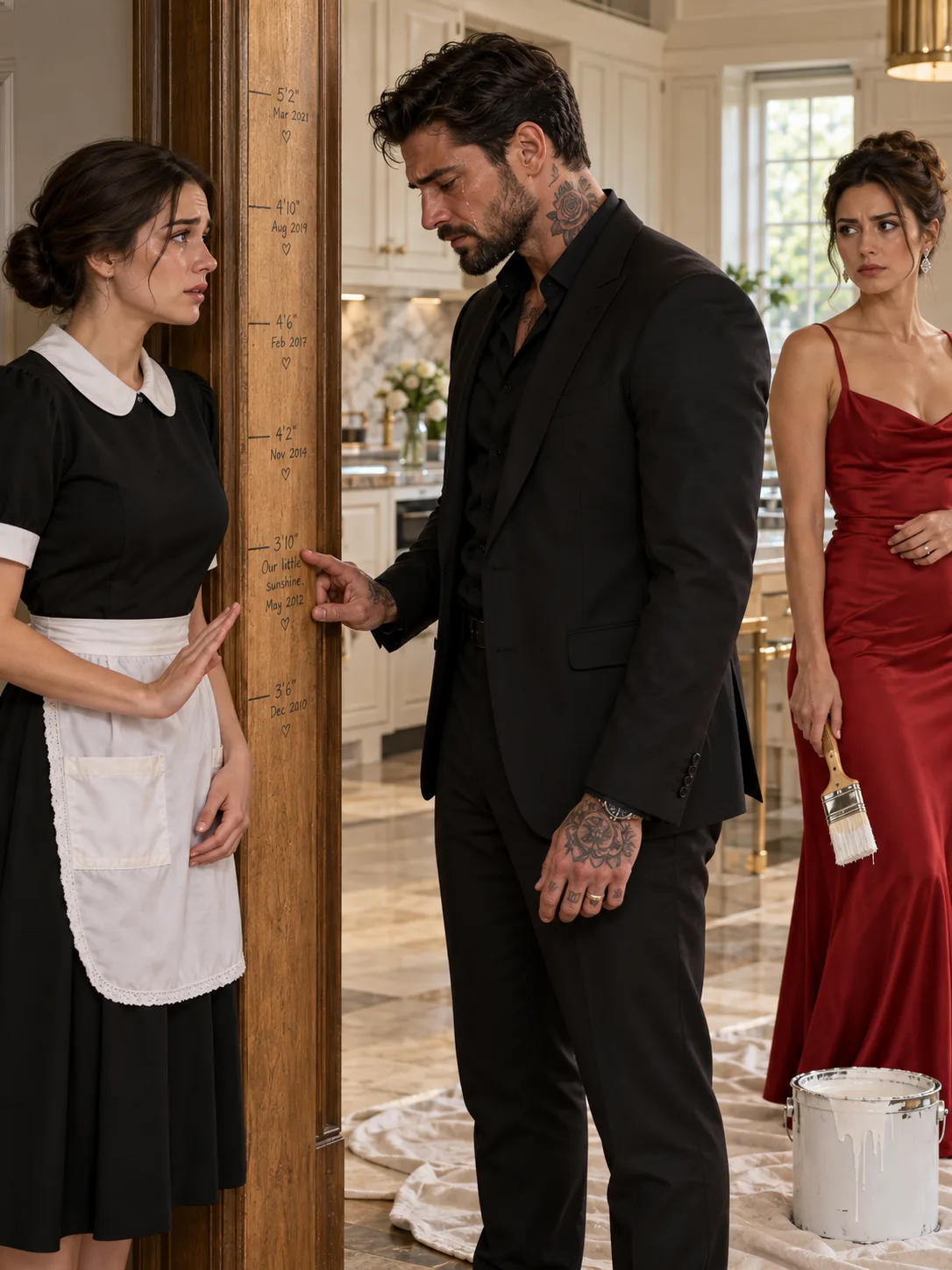
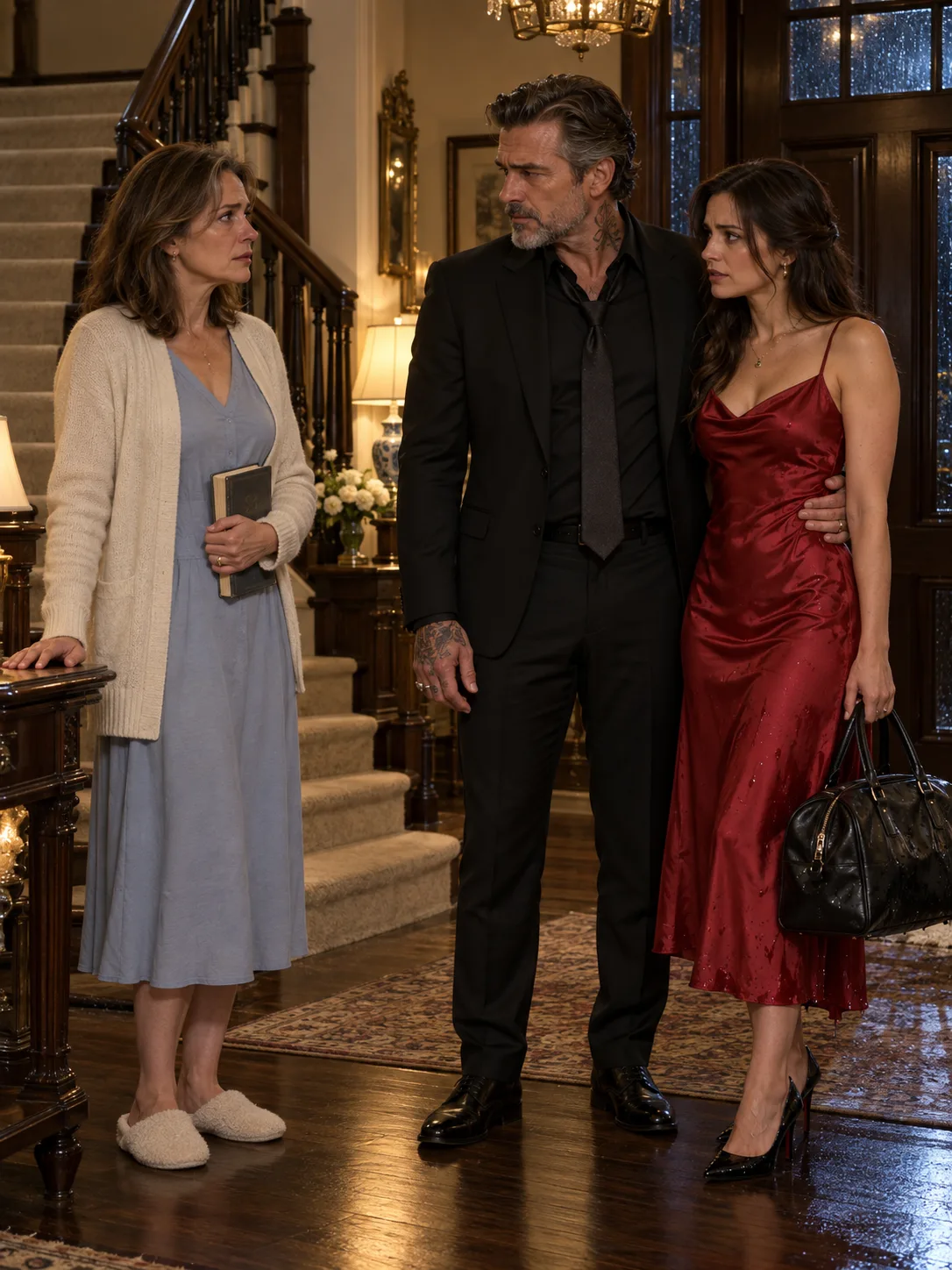
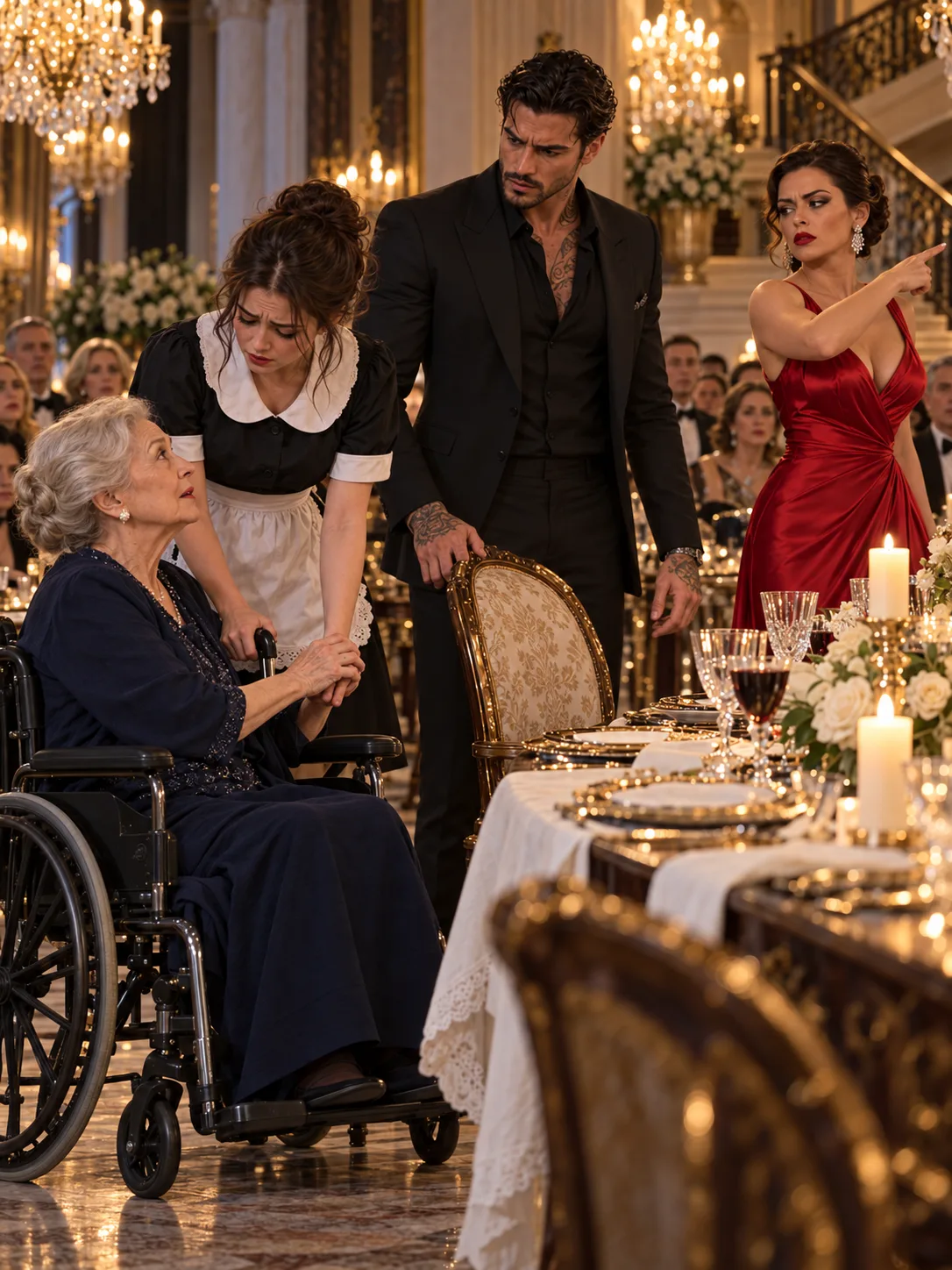
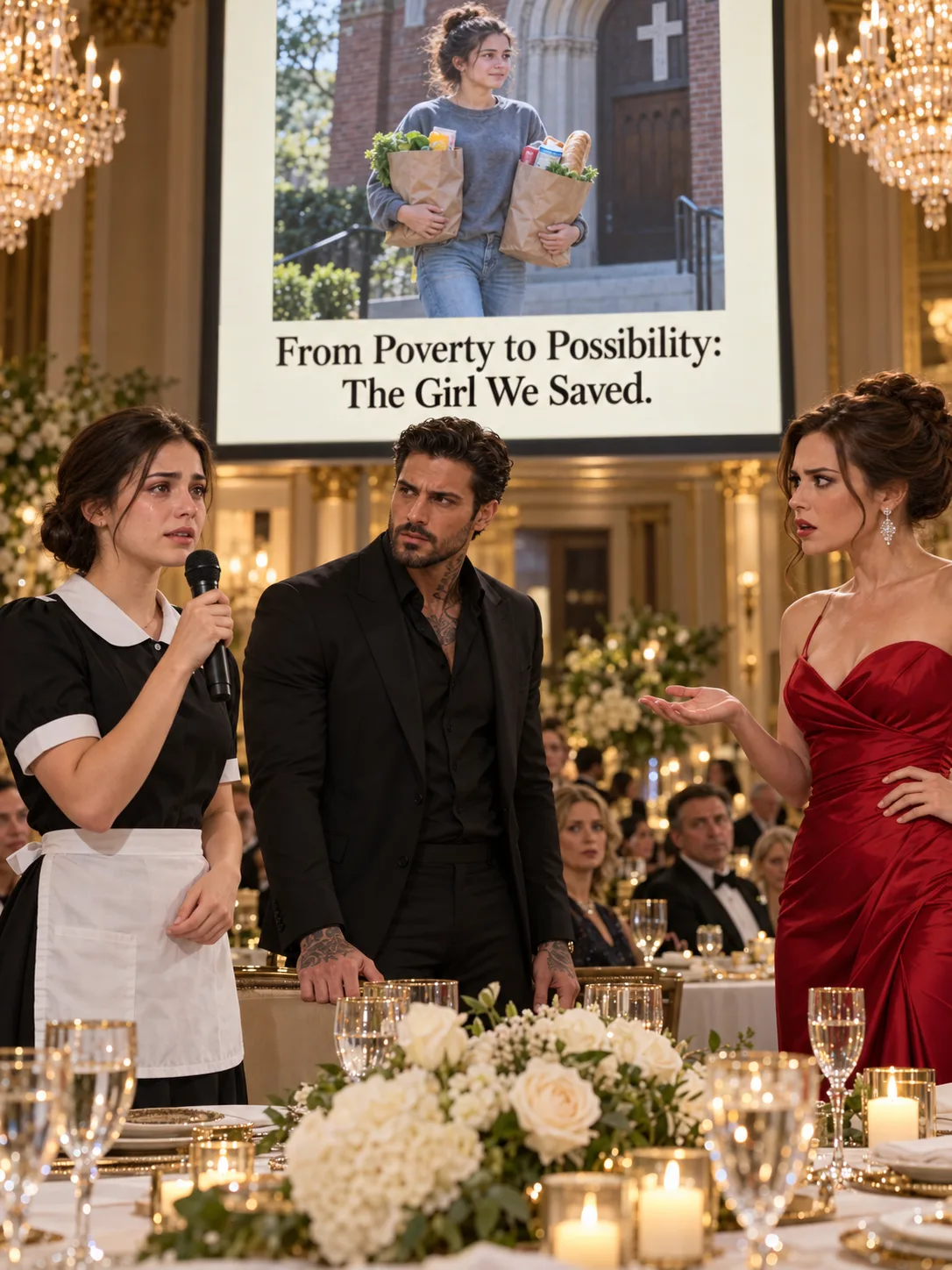
Chapter 10 – THE NURSE WHO WOULDN’T BACK DOWN
“Luca, I need you to read something.”
He looked up from his desk.
I placed the nursing agency’s notice in front of him.
His expression changed as he read.
“Who filed this?”
“Vanessa’s attorney submitted the complaint. It also refers to the account provided by your household security team.”
He turned another page.
“They’re using what I said?”
“Yes.”
He read the quoted statement.
Then he looked at me.
“I was telling you to release Vanessa because I didn’t understand what was happening.”
“I know.”
“You were trying to save my life.”
“That’s what the evidence supports.”
He leaned back.
“Then why are they investigating you?”
“Because the agency has to review a complaint involving patient care and physical intervention.”
He frowned.
“You shouldn’t be punished for helping me.”
“An investigation isn’t automatically punishment.”
“Can you still work?”
“For now. But they’ve suspended new assignments until the review is completed.”
His jaw tightened.
“How much are they paying you while you’re suspended?”
“Nothing.”
He stared at me.
“That’s unacceptable.”
I sat down.
“Luca, I need you to understand something.”
He waited.
“I don’t want you calling the agency and threatening to destroy their business.”
His eyebrows rose.
“I wasn’t going to threaten them.”
“You were thinking about it.”
He looked almost offended.
Then he sighed.
“Maybe.”
I folded my hands.
“I’ve worked hard for my license. I’m not going to defend it by having a wealthy patient intimidate the people reviewing my conduct.”
He studied me.
“What do you need?”
“The truth. In your own words. And copies of the medical findings you’re authorized to provide.”
He nodded.
“I can do that.”
“Nothing exaggerated. Nothing about what you think Vanessa intended.”
“Just what happened.”
“Exactly.”
He looked at the complaint again.
Then he picked up a pen.
“Let’s start.”
We spent nearly an hour preparing his statement.
He described how he’d become confused and weak, how I’d identified dangerously low glucose, and how I’d interrupted an injection when the medication couldn’t be verified.
He acknowledged that he’d initially ordered me to release Vanessa.
Then he explained that he hadn’t understood his medical condition at the time.
He also described Vanessa striking me.
When we finished, he read the statement twice.
Then he signed it.
I looked at him.
“Thank you.”
He shook his head.
“You don’t have to thank me for telling the truth.”
“Actually,” I said, “I’ve learned that sometimes you do.”
He smiled sadly.
The agency arranged a formal review of the incident.
The clinical evidence supported my decision to intervene in an immediate threat to patient safety, although the reviewers still examined whether the physical response was proportionate.
The review wasn’t pleasant.
I had to explain my actions repeatedly.
I had to describe the slap.
The armed security officers.
The moment I realized Luca was becoming dangerously ill.
I was questioned about whether I’d acted because I suspected Vanessa of wrongdoing.
I answered carefully.
“I acted because my patient had a documented medical emergency and an unidentified medication was about to be administered.”
That was the truth.
I hadn’t known about Anna.
I hadn’t known about Victor.
I’d only known that a man was in danger.
Several days later, the agency confirmed that my intervention was consistent with the need to prevent imminent harm.
My assignment eligibility was restored.
The complaint was closed without disciplinary action.
I sat alone in my room and cried.
Not because I was weak.
Because for almost two weeks, I’d been holding myself together while everyone else decided what my actions meant.
Then I called my mother during our usual afternoon conversation.
She listened while I explained what had happened.
When I finished, she was quiet.
Finally, she said, “Emma, did you do what you believed was right?”
“Yes.”
“Would you do it again?”
I looked at my hands.
“Yes.”
“Then come home when your assignment is finished.”
I laughed through tears.
“Mom, that’s your answer?”
“Of course. Your aunt’s been asking when you’re making those chicken and dumplings again.”
I smiled.
For a moment, Chicago felt very far from Indiana.
So did Luca Moretti.
The next afternoon, Maria asked Luca to meet her in the kitchen.
I wasn’t supposed to be part of the conversation.
But she asked me to stay.
Luca arrived without his jacket.
He looked at Maria.
“You wanted to speak to me?”
She nodded.
“Yes, sir.”
He pulled out a chair.
“Sit.”
She remained standing.
“I need to tell you something about your wife.”
His expression tightened.
Maria clasped her hands.
“I knew she was frightened of Dr. Harris.”
Luca said nothing.
“I knew she wanted another doctor. I knew she was trying to contact you.”
Tears filled her eyes.
“And I didn’t do enough.”
He looked down.
“I know.”
Maria swallowed.
“Victor threatened my job. He threatened my family. And I believed him when he said speaking out would destroy your life.”
She wiped her face.
“I was wrong.”
Luca remained silent.
“I can’t ask you to forgive me,” she said. “But I need you to know I never stopped loving Anna.”
For a long moment, he looked at her.
Then he stood.
“Maria, I spent years believing everyone around Anna knew what was best for her.”
His voice trembled.
“I was her husband. And I stopped asking her what she wanted.”
Maria began crying harder.
He continued.
“I can’t change what happened. Neither can you.”
He stepped closer.
“But you came forward when you could have stayed silent again.”
She nodded.
“I should have done it sooner.”
“Yes,” he said gently. “You should have.”
Then he embraced her.
It wasn’t forgiveness that erased the past.
It was two people finally admitting how badly they’d failed someone they loved.
When they separated, Maria looked exhausted.
But lighter.
Luca asked her to sit down.
Then he told us something he’d been considering.
He wanted to hold a gathering in Anna’s memory.
Not a grand society event.
A small dinner with the people who’d genuinely known her.
He wanted to restore her name to the charitable medical fund and ensure that its resources were managed independently for patients who needed them.
And he wanted Maria to help him choose how Anna should be remembered.
Maria looked surprised.
“You want my opinion?”
“Anna trusted you with her ordinary days. I think you knew parts of her I never did.”
Maria began crying again.
This time, she smiled.
Afterward, Luca walked me to the library.
“My mother wants me home next week,” I told him.
He stopped.
“Is your assignment ending?”
“The original ten days have passed. I’ve stayed longer because of everything that happened.”
He looked toward the garden.
“Would you consider staying?”
“As your nurse?”
He hesitated.
“No.”
I studied him.
“Then what are you asking?”
He smiled faintly.
“I haven’t figured that out yet.”
I understood more than he said.
We’d spent extraordinary days together.
I’d seen him frightened, angry, ashamed, and vulnerable.
He’d trusted me when trust had nearly cost him his life.
But I had a career.
A mother.
A family waiting in Indiana.
And he had a lifetime of grief to begin understanding.
“Luca,” I said, “I don’t want either of us making promises because we’re afraid of being alone.”
He looked at me for a long moment.
Then he nodded.
“Fair enough.”
He opened the library door.
Before I left, he spoke again.
“Emma, there’s one more thing.”
I turned.
He was holding Anna’s photograph.
“The memorial dinner is Saturday.”
“Yes?”
He looked down at the photograph.
“I want you to help me tell the family what really happened to her. But I don’t know whether I can bear to say it myself.”
Share