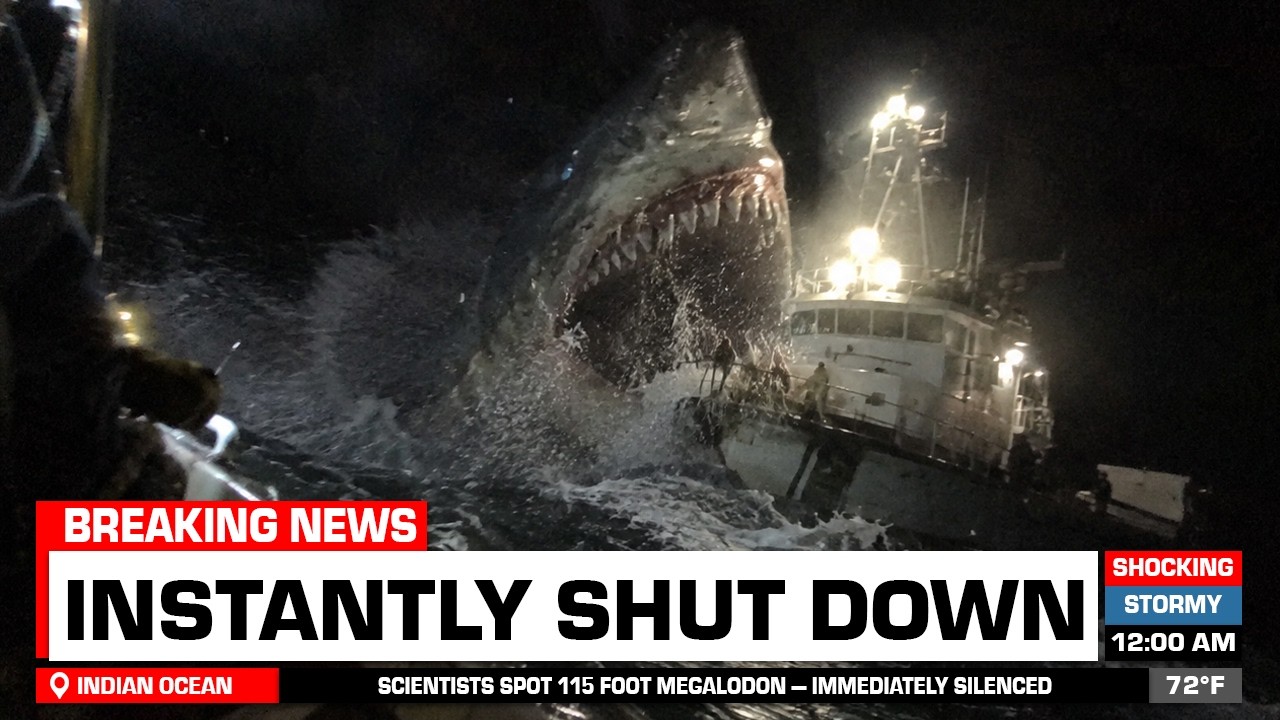
No megalodon tooth has ever been dated younger than 3.6 million years. No carcass, bite mark, or specimen tied to the species exists anywhere near modern waters. Viral videos claim scientists filmed
No megalodon tooth has ever been dated younger than 3.6 million years. No carcass, bite mark, or specimen tied to the species exists anywhere near modern waters. Viral videos claim scientists filmed a living megalodon measuring 115 feet and were silenced. No name, no ship, and no institution is attached to that story. Something was measured, but it was not a shark.The number 115 feet does not come…
Off the coast of Key West, roughly 140 feet beneath the ocean surface, lies the remains of a former military vessel. The ship, a steel giant that once tracked Soviet missiles during the Cold War, was
Off the coast of Key West, roughly 140 feet beneath the ocean surface, lies the remains of a former military vessel. The ship, a steel giant that once tracked Soviet missiles during the Cold War, was intentionally sunk in 2009. The goal was to create a large artificial reef, a structure where marine life could establish itself. The wreck now sits on the seafloor, its windows shattered and passagew…
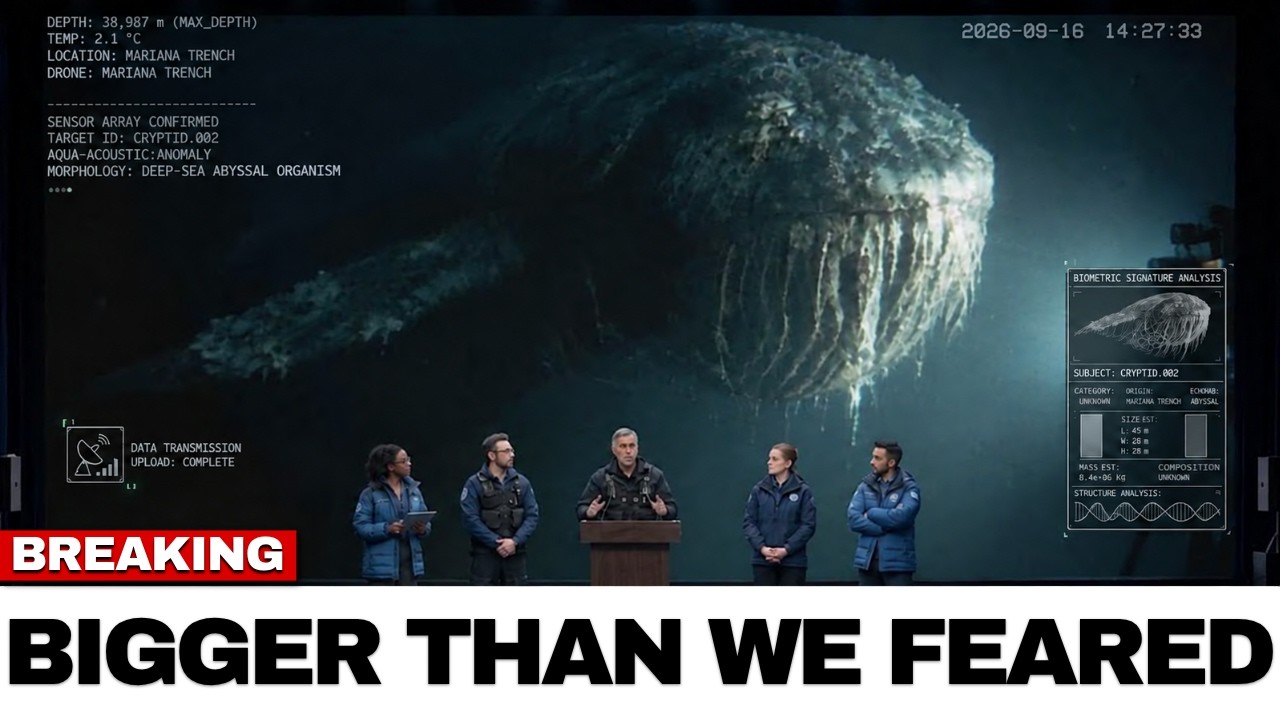
Claims that Megalodon, the prehistoric shark that lived millions of years ago, might still exist in the Mariana Trench are not supported by the fossil record, marine biology, or any verified physical
Claims that Megalodon, the prehistoric shark that lived millions of years ago, might still exist in the Mariana Trench are not supported by the fossil record, marine biology, or any verified physical evidence. No fossil, tissue sample, or confirmed sighting of Megalodon or anything resembling it in the modern ocean has ever been documented.The idea traces back primarily to a 2013 Discovery Channel…
The deep ocean remains one of the least explored environments on Earth. While satellite technology has mapped the surface of Mars in significant detail, the majority of the ocean floor has never been
The deep ocean remains one of the least explored environments on Earth. While satellite technology has mapped the surface of Mars in significant detail, the majority of the ocean floor has never been directly observed. Below roughly 1,000 feet, sunlight does not penetrate, leaving miles of water in permanent darkness and near-freezing temperatures. Despite these conditions, the deep sea supports a…
The Pacific Ocean looks calm from space, but scientists are currently studying a region where entire tectonic plates disappear into the Earth. Earthquakes can shift the ocean floor. Volcanoes rise
The Pacific Ocean looks calm from space, but scientists are currently studying a region where entire tectonic plates disappear into the Earth. Earthquakes can shift the ocean floor. Volcanoes rise from the darkness, and organisms live under pressures that would crush most living things. In 2026, researchers are still finding things they did not expect.NOAA missions are mapping parts of the Pacific…
Fossil evidence indicates that Otodus megalodon went extinct roughly 3.6 million years ago. Paleontologists consider this one of the more settled questions in their field, supported by a substantial
Fossil evidence indicates that Otodus megalodon went extinct roughly 3.6 million years ago. Paleontologists consider this one of the more settled questions in their field, supported by a substantial fossil record and, more recently, by analysis of the shark’s physiology. Despite this, claims that a living megalodon was filmed by an oil rig camera and that the footage was subsequently deleted have…
Scientists are currently mapping and studying parts of the Pacific Ocean floor that have never been examined in detail, and recent expeditions have produced a wide range of findings, from deep-sea
Scientists are currently mapping and studying parts of the Pacific Ocean floor that have never been examined in detail, and recent expeditions have produced a wide range of findings, from deep-sea ecosystems to fossilized shark teeth. Researchers from the National Oceanic and Atmospheric Administration (NOAA) are using sonar to create more complete maps of the seafloor between Hawaii, Guam, and th…
“`text The Mariana Trench was thought to be a lifeless desert—until a submersible’s camera caught something far larger than a Megalodon gliding through the abyss. Scientists initially dismissed the shadow as a malfunction, but the sonar data told a different story.
Megalodon is widely regarded as the largest predator ever to inhabit the oceans. It appeared in the fossil record roughly 20 to 23 million years ago and remained present for nearly 20 million years. Based on a major 2025 study involving nearly 30 shark experts, the species could reach approximately 24 meters in length and weigh as much as 94 tons, making it several times larger than the largest re…
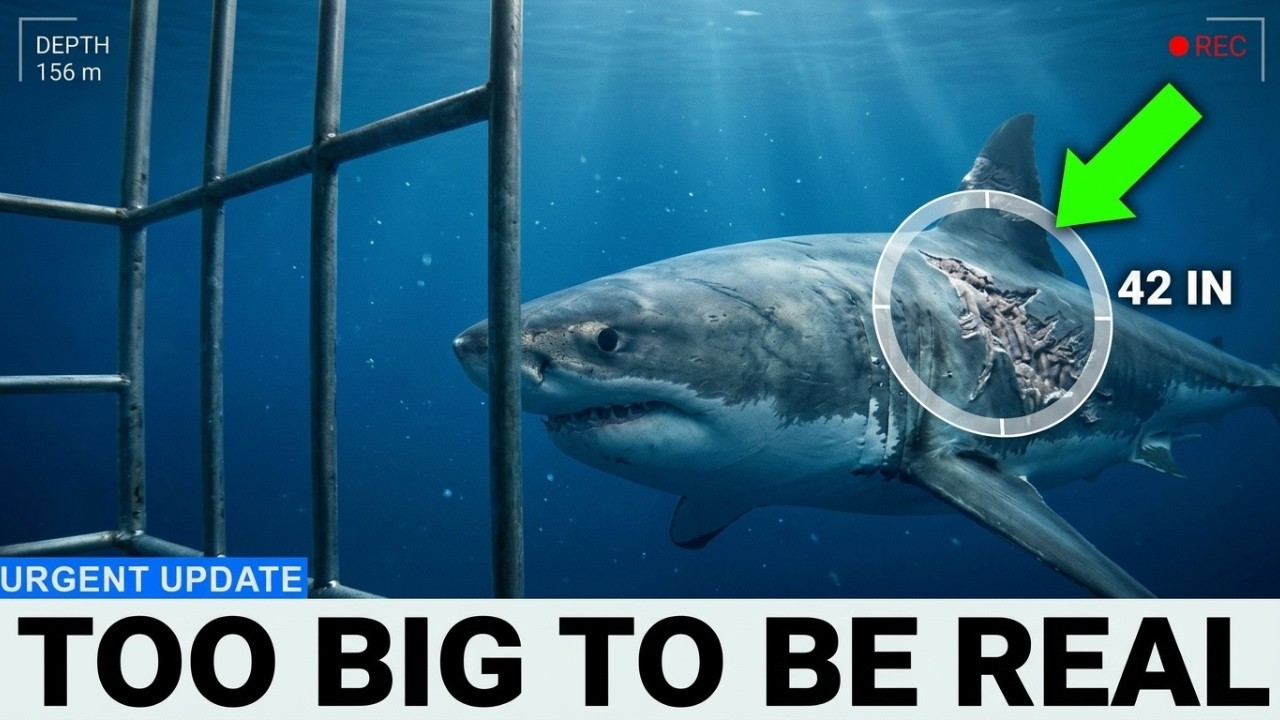
A great white shark was found torn apart, and its bite marks pointed to something far larger lurking beneath. The massive predator, already an apex of the ocean, had been ripped open in a way experts couldn’t immediately explain.
Scientists studying great white sharks off Guadalupe Island, approximately 150 miles from the coast of Baja California, Mexico, documented an unusual injury on an adult female shark in 2024. The roughly 15-foot shark carried a large, healed circular scar around her torso, just behind the pectoral fins. The wound measured about 42 inches across, a size larger than the shark’s own head from snout to…
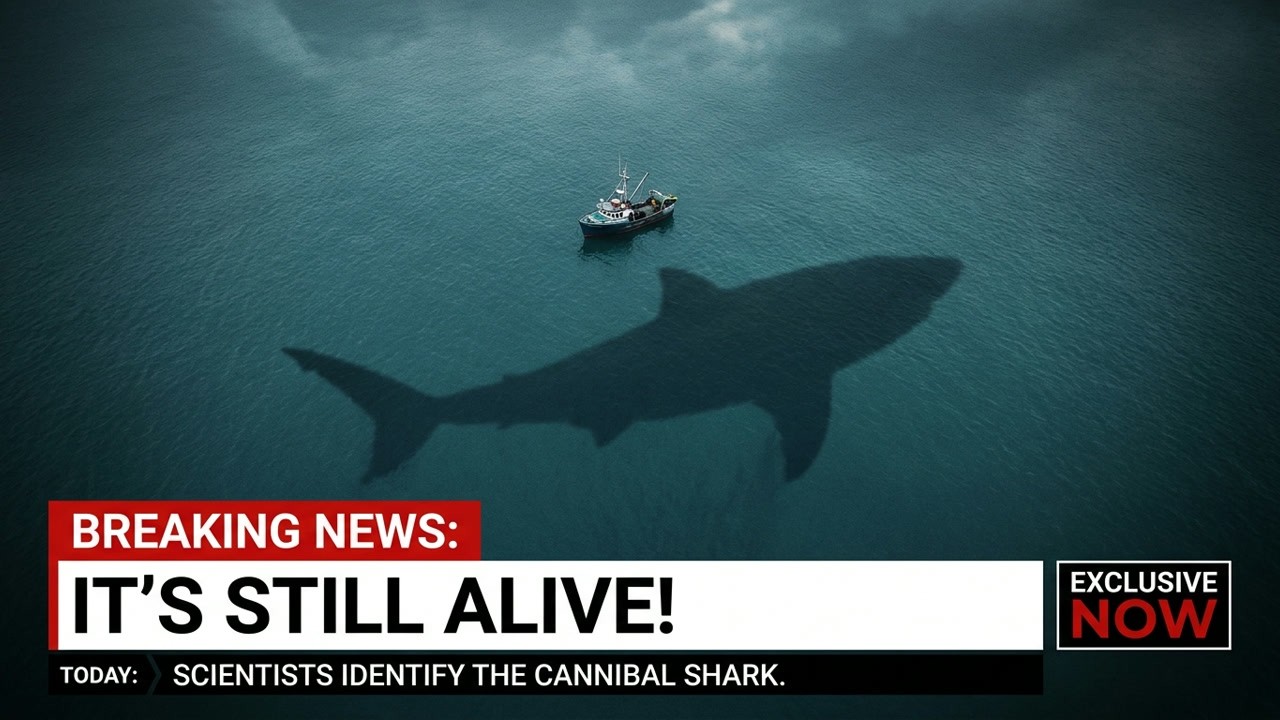
A massive shadow glides beneath an Australian fishing boat, and the crew suddenly cuts their lines. The fishermen claim the silhouette was far bigger than their vessel, sparking fears they had just encountered a megalodon.
The teeth of Otodus megalodon sit in museum cases around the world, and the first thing visitors notice is their unnatural scale. Some are seven inches long, wider than a grown man’s open hand, with serrations so regular they appear manufactured. They came from the rock, buried in sediment that predates human history, but the animal they belonged to was real. Estimates place the largest megalodons…