
New findings finally reveal Baalbek’s “Stone of the Pregnant Woman” mystery. For centuries, the massive 1,000-ton monolith in Lebanon has baffled researchers, its name tied to folklore that touching it boosts fertility.
The three massive stones known as the Trilithon at Baalbek in Lebanon have long posed a difficult question for engineers and historians. Each of the three blocks weighs roughly 800 tons, heavier than a fully loaded Boeing 747, and they are set about six meters above the ground as part of the platform for the Temple of Jupiter. The standard explanation credits Roman engineers with using wooden cran…
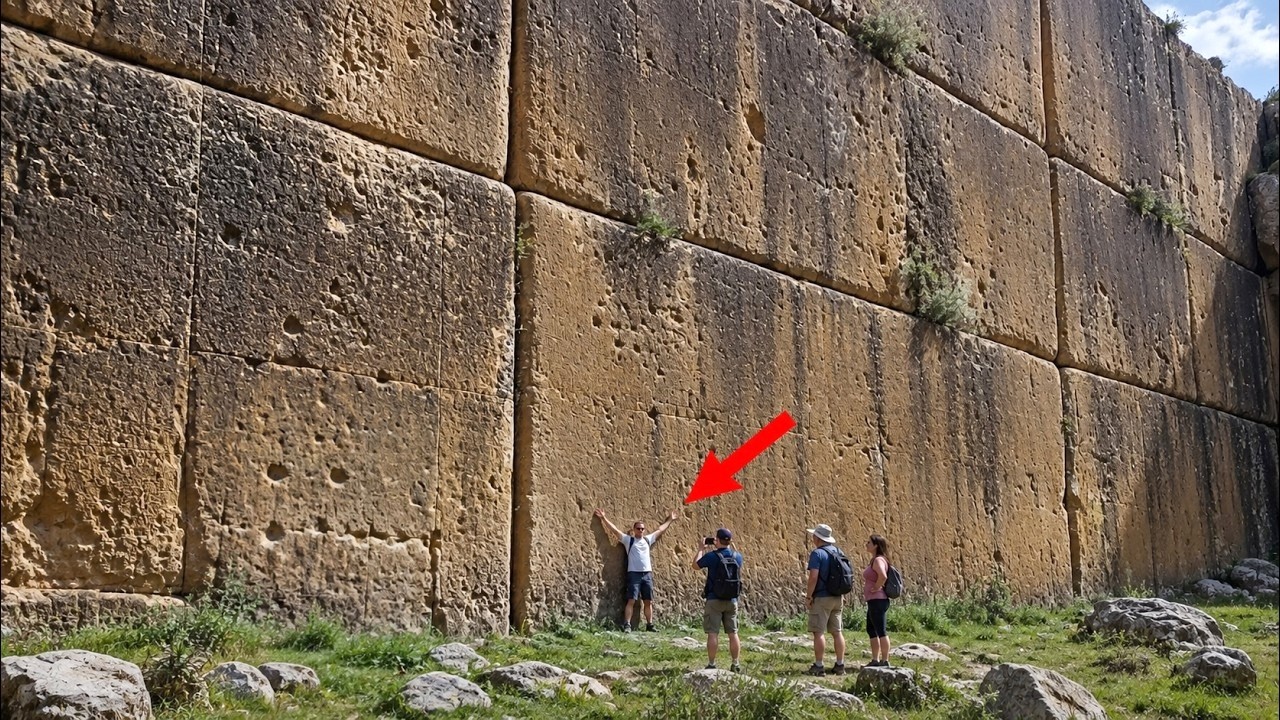
Die gigantischen Steinblöcke von Baalbek wiegen bis zu 1.000 Tonnen – und Experten rätseln, wie sie bewegt wurden. Die Kolossalstruktur im Libanon besteht aus Steinplatten, die größer sind als alles, was die Römer je bauten.
Die Megalithruinen von Baalbek im Nordosten des Libanon gelten seit langem als eines der großen Rätsel der Bauforschung. Etwa 60 Meilen von Beirut entfernt, auf einem Hügel in der fruchtbaren Bekaa-Ebene, befindet sich ein antiker Tempelkomplex, dessen Fundament aus gewaltigen Steinblöcken besteht. Die Anlage erhebt sich auf rund 1.000 Metern Höhe und zieht seit Jahrhunderten Historiker, Archäolog…
In der Antike bewegten Menschen Steine von bis zu 800 Tonnen – ein Rätsel, das Ingenieure bis heute beschäftigt. Man nahm lange an, riesige Hebel und tausende Sklaven seien die Lösung gewesen.
In einem Steinbruch im heutigen Libanon liegt bis heute ein etwa 1.000 Tonnen schwerer Steinblock. Er wurde vor rund 2.000 Jahren aus dem Fels gehauen und sollte offenbar transportiert werden. In der Nähe befinden sich in der Mauer eines antiken Tempels drei Steinplatten, die jeweils fast 800 Tonnen wiegen. Sie sitzen mehrere Meter über dem Boden so präzise im Mauerwerk, als wären sie mit einem Kr…

AI decoded Lebanon’s ancient mystery��and the truth is far stranger than anyone imagined. For decades, archaeologists puzzled over the massive stone platform at Baalbek, with blocks so heavy no known method could move them.
The ancient stone platform at Baalbek in Lebanon’s Bekaa Valley has long been considered one of the most impressive engineering achievements in the historical record. Situated less than a kilometer from the main temple complex, the site contains some of the largest stone blocks ever handled by human hands. Each of the three enormous stones in the platform’s retaining wall weighs roughly 800 tons,…

Baalbek’s impossible stones are so massive that modern engineers still can’t fully explain their transport. The ancient site in Lebanon holds blocks weighing over 800 tons—far heavier than anything the Romans, who built the temple platform, ever moved elsewhere.
The ancient platform at Baalbek, located in Lebanon’s Beqaa Valley, consists of some of the largest stone blocks ever used in construction. Several of these limestone blocks exceed 18 meters in length and weigh close to 1,000 tons. They are fitted together without mortar and have remained in place through centuries of earthquakes that damaged nearby cities.The site raises a persistent question: ho…
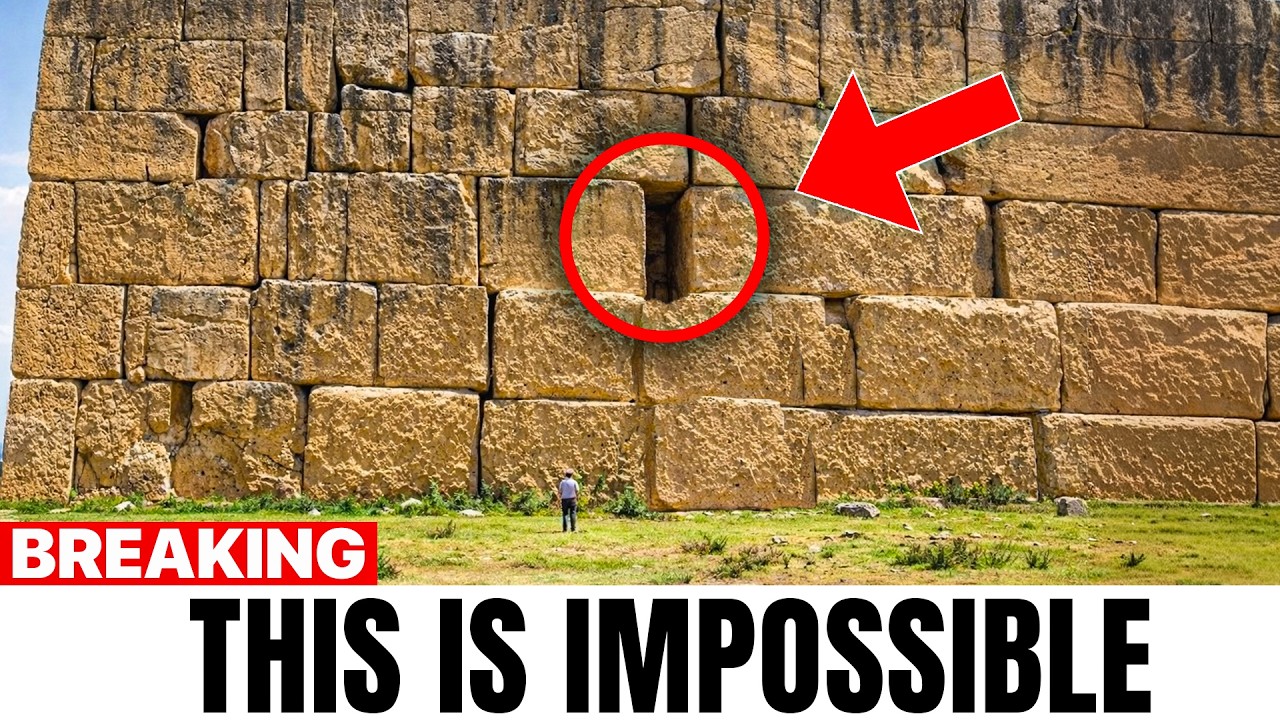
Baalbek’s colossal stones have baffled engineers for centuries, yet new analysis just upended the leading explanation. The famed 1,000-ton blocks at the ancient temple site were long thought to have been dragged by massive Roman labor, but researchers now point to a detail that contradicts the entire theory.
The temple complex at Baalbek in Lebanon contains the largest stone blocks ever quarried in human history. Three stones known as the trilithon form part of the foundation platform, each roughly 19 meters long, 4 meters high, and 3.5 meters thick, weighing between 750 and 800 tons. They are fitted together with gaps so narrow that a sheet of paper cannot pass between them.For comparison, the heavie…