
The Illinois River’s invasive Asian carp are suddenly vanishing, and scientists were stunned by the real cause. For years, the massive fish threatened to invade the Great Lakes, prompting costly
In stretches of the Illinois River, Asian carp once made up 70% of everything alive. Today, in the upper pools closest to Chicago, their numbers have fallen by more than 90%. Nobody can point to the weapon that did it.Illinois spent over a billion dollars fighting these fish, so everyone assumed the money finally worked. Then scientists checked, and the real cause was not the money, not the barrie…

They released just 30 predators into the wild—then the snakes started vanishing. Wildlife teams had spent years tracking an invasive snake population that was devastating local species, and the plan seemed straightforward: introduce a limited number of natural hunters to regain control.
In 1979, Japan released about 30 small mongooses on Amami Oshima, a remote island in the warm waters between Kyushu and Okinawa. The animals were intended to control the local population of the habu, a venomous pit viper responsible for hundreds of bites each year across the Amami Islands.The habu is a nocturnal snake that can grow past two meters. It hunts using heat-sensing pits between its eyes…

Armored catfish are vanishing from Florida’s rivers, and scientists have finally identified what’s preying on them. These invasive fish, protected by tough bony plates, seemed nearly untouchable in the state’s waterways.
For four years, Dr. Ryan Allisson had been conducting population density surveys in Florida’s Peace and Hillsborough rivers. He knew what the numbers should look like, having established the monitoring protocol himself, with fixed stations and consistent survey lines walked the same way each field season so that real changes would appear as trends rather than noise.In the winter of 2022, three sur…

Der meistgehasste Fisch Amerikas verschwindet plötzlich aus den Flüssen – und die Retter sind nicht die teuren Regierungsbarrieren. Jahrelang dominierten asiatische Karpfen das Illinois-River-System, verdrängten einheimische Arten und machten bis zu 90 Prozent der Biomasse aus.
Im Einzugsgebiet des Illinois River zeichnet sich seit einigen Jahren ein unerwarteter Wandel ab. Fischer, die ihre Netze einholen, finden darin immer seltener die invasiven asiatischen Karpfen, die das Flusssystem über Jahrzehnte dominiert hatten. Die Bestände dieser Art, die zeitweise einen Großteil der Biomasse des Flusses ausmachte, gehen deutlich zurück.Die Ursache dafür liegt nicht in den au…
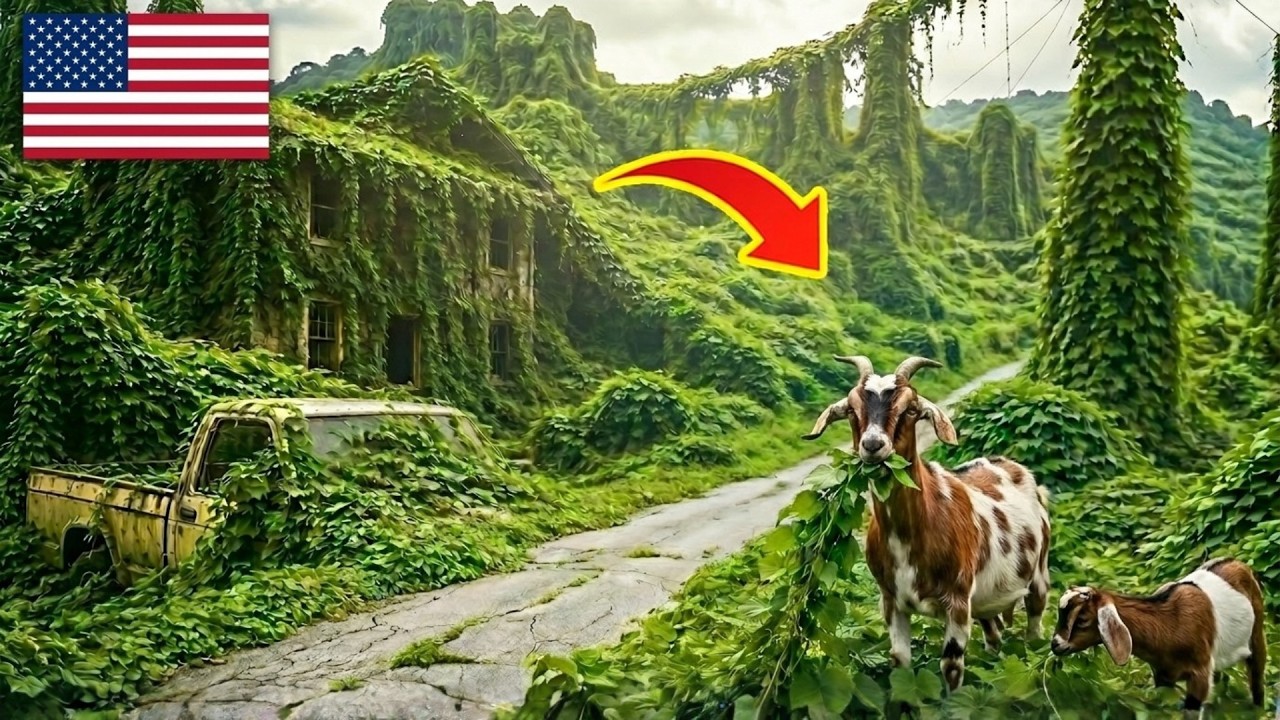
The US dumped $500 million into fighting kudzu, the vine that swallowed the South—only for three unexpected species to do the job for free. For decades, scientists waged chemical and mechanical war as the invasive plant smothered forests and power lines.
Kudzu first arrived in the United States in 1876 at the Centennial Exposition in Philadelphia, where Japan displayed it as a garden ornamental. For the next half century, it grew mainly on southern porches, cultivated for shade and its purple flowers. Farmers largely ignored it, and they had practical reasons. A kudzu field took years to establish, the tangled vines were difficult to cut and bale…

In 1987, New Zealand told everyone to kill gorse—but one botanist refused and let the weed take over his farm. Hugh Wilson saw the invasive plant as a nursery for native forest, a theory that left neighbors calling him a fool.
In 1987, a botanist named Hugh Wilson bought a degraded hillside farm on New Zealand’s Banks Peninsula and announced a plan that puzzled his neighbors. The land was covered in gorse, an invasive weed that farmers across the country had long fought with spraying, burning, and bulldozing. Wilson proposed the opposite: he would leave the gorse standing and allow it to act as a nursery for native fore…

Invasive Burmese pythons have caused severe declines in mammal populations across the Florida Everglades, and wildlife managers have considered a drastic response modeled on a successful eradication
Invasive Burmese pythons have caused severe declines in mammal populations across the Florida Everglades, and wildlife managers have considered a drastic response modeled on a successful eradication program in Guam. That program involved dropping thousands of medicated dead mice from helicopters, a method that proved effective on Guam but faces significant obstacles in Florida.The python invasion…
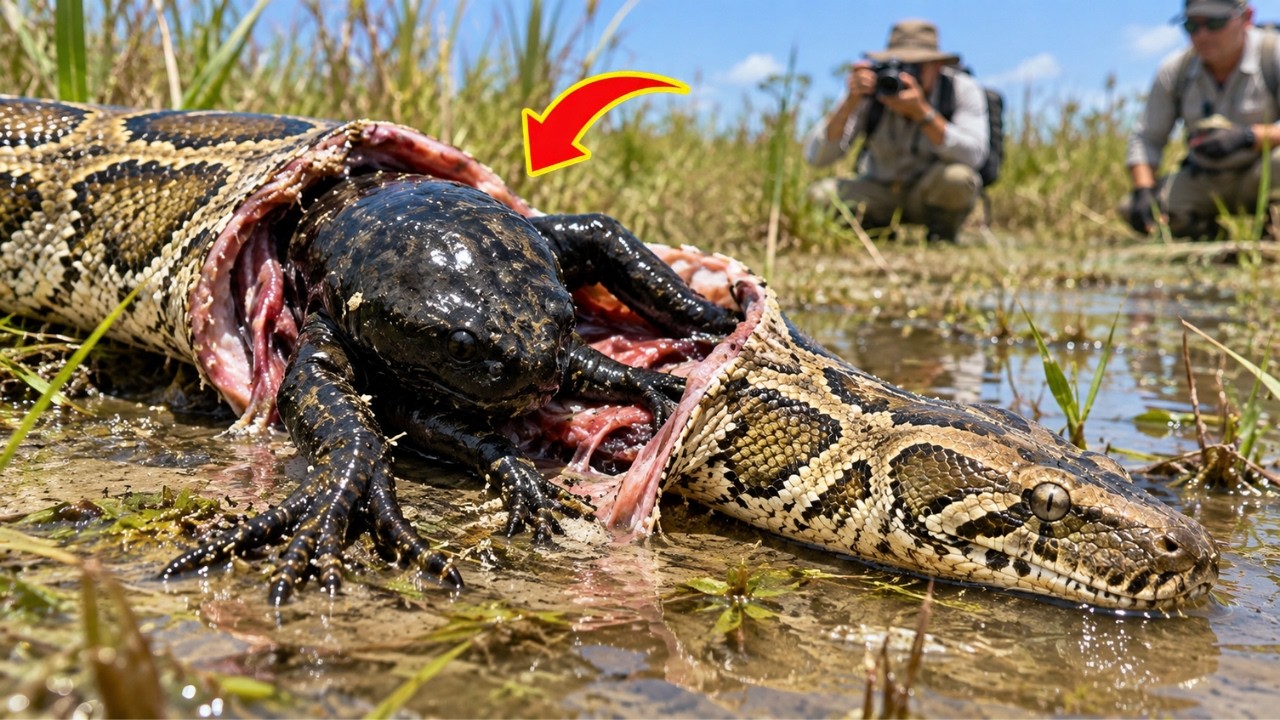
In the sawgrass wetlands of southern Florida, an estimated 300,000 Burmese pythons now live. For scale, that is roughly the population of a city like Orlando. The snakes, which can grow to 16 feet
In the sawgrass wetlands of southern Florida, an estimated 300,000 Burmese pythons now live. For scale, that is roughly the population of a city like Orlando. The snakes, which can grow to 16 feet and are capable of swallowing a full-grown deer, have spread across the Everglades largely out of sight. For more than two decades, they were considered nearly unstoppable.The python’s hunting method is…
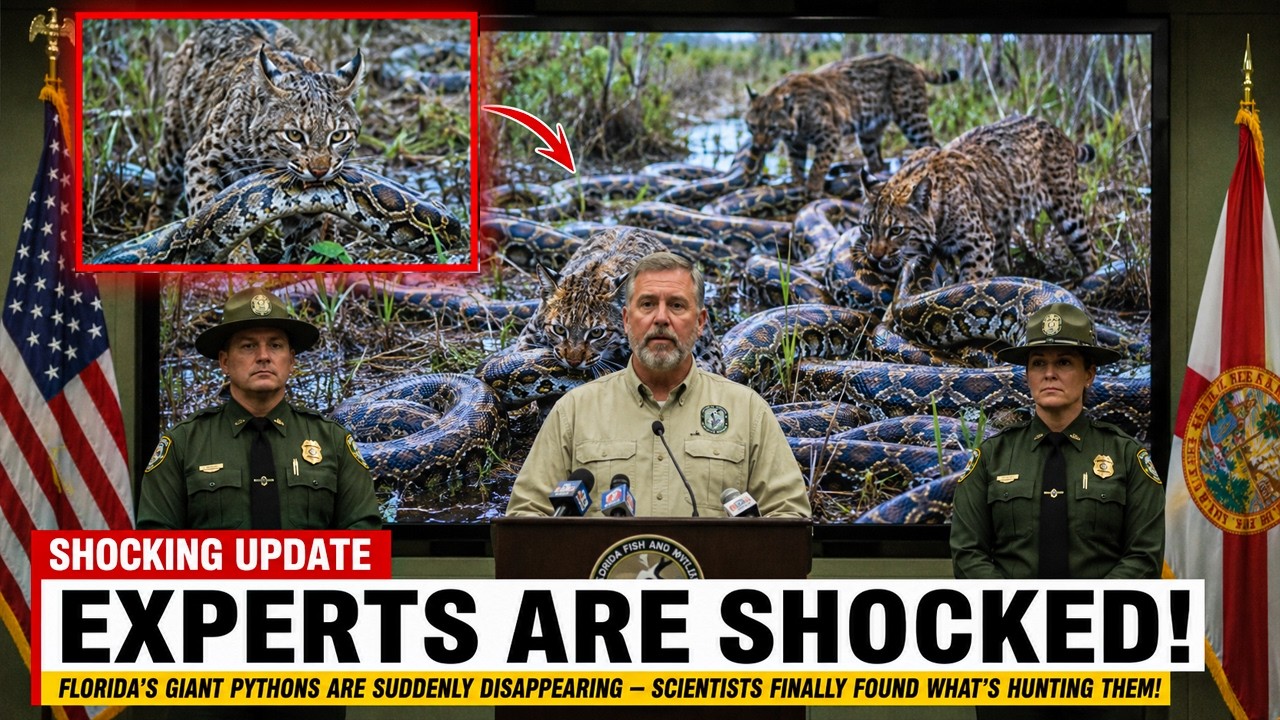
For more than two decades, Burmese pythons have established themselves across the Florida Everglades. These large, nonnative snakes have spread through the wetlands, consuming local wildlife and
For more than two decades, Burmese pythons have established themselves across the Florida Everglades. These large, nonnative snakes have spread through the wetlands, consuming local wildlife and contributing to sharp declines in several mammal populations. Scientists have documented the damage while searching for ways to slow the invasion.Recent camera footage from the Everglades has recorded some…
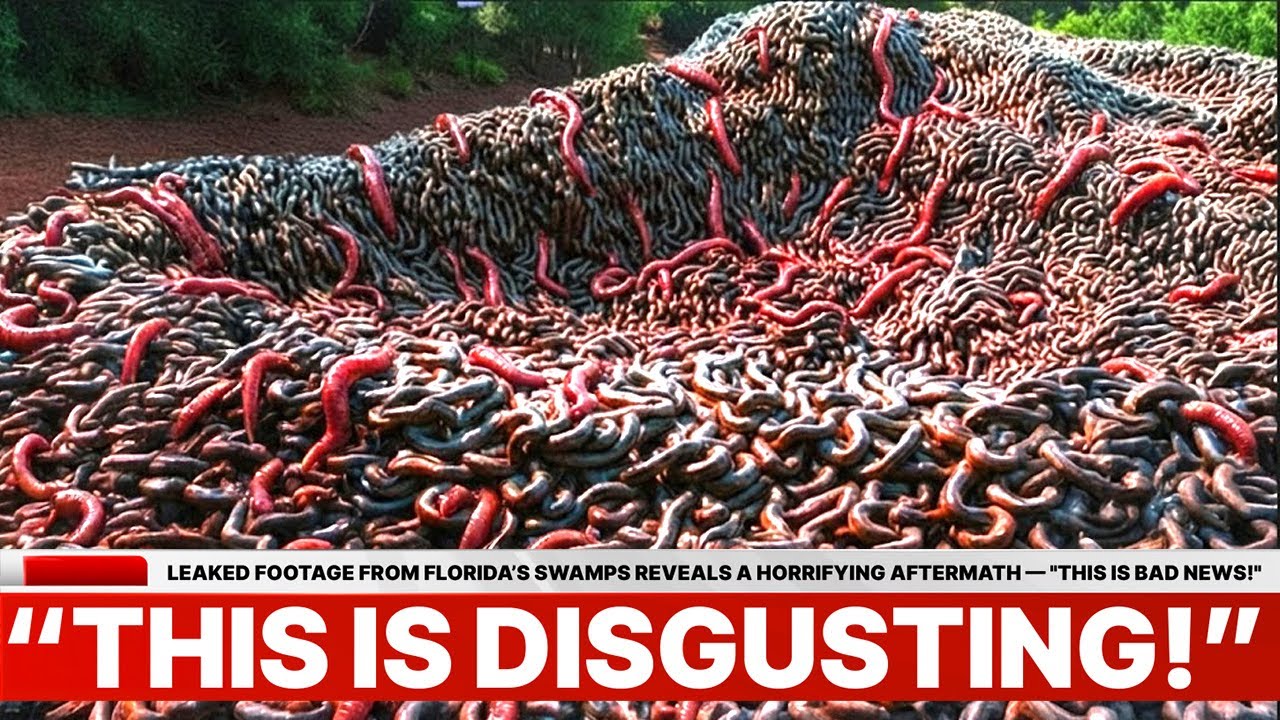
Burmese pythons in the Florida Everglades have caused a major decline in native mammal populations, and researchers have identified a parasitic worm as an additional threat to the ecosystem. The
Burmese pythons in the Florida Everglades have caused a major decline in native mammal populations, and researchers have identified a parasitic worm as an additional threat to the ecosystem. The pythons, introduced decades ago through the exotic pet trade, now number in the hundreds of thousands and have reduced raccoon populations by over 99 percent in core areas. Other mammals, including opossum…