In May 2016, DNA testing of tissue samples from three young crocodiles captured in South Miami canal systems between 2009 and 2014 returned an unexpected result. Herpetologists at the University of
In May 2016, DNA testing of tissue samples from three young crocodiles captured in South Miami canal systems between 2009 and 2014 returned an unexpected result. Herpetologists at the University of Florida had anticipated the samples would trace to Cuba or Central America, or perhaps represent a hybrid or misidentified species. Instead, the genetic material was a 100% match for Crocodylus niloticu…

The Florida Fish and Wildlife Conservation Commission has spent years searching for effective ways to control the Burmese python population in the Everglades. One of the more unusual methods involved
The Florida Fish and Wildlife Conservation Commission has spent years searching for effective ways to control the Burmese python population in the Everglades. One of the more unusual methods involved robotic decoy rabbits designed to attract the snakes into monitored areas. The initiative combined existing knowledge about python behavior with new technology, though its results were mixed.The Everg…

Florida has spent years trying to control its population of Burmese pythons, an invasive species that has caused significant damage to the Everglades ecosystem. One proposed solution, the aerial
Florida has spent years trying to control its population of Burmese pythons, an invasive species that has caused significant damage to the Everglades ecosystem. One proposed solution, the aerial distribution of acetaminophen-laced bait, has proven effective on the island of Guam against another invasive snake species. However, the same method carries serious risks for Florida’s native wildlife, in…

Florida has been using prescribed burns as part of its efforts to manage the Burmese python population in the Everglades. In December 2025, crews from the Florida Forest Service conducted controlled
Florida has been using prescribed burns as part of its efforts to manage the Burmese python population in the Everglades. In December 2025, crews from the Florida Forest Service conducted controlled fires designed to flush out the invasive snakes, which have become a significant ecological problem in the region.The technique relies on removing the thick vegetation and thatch where pythons typicall…
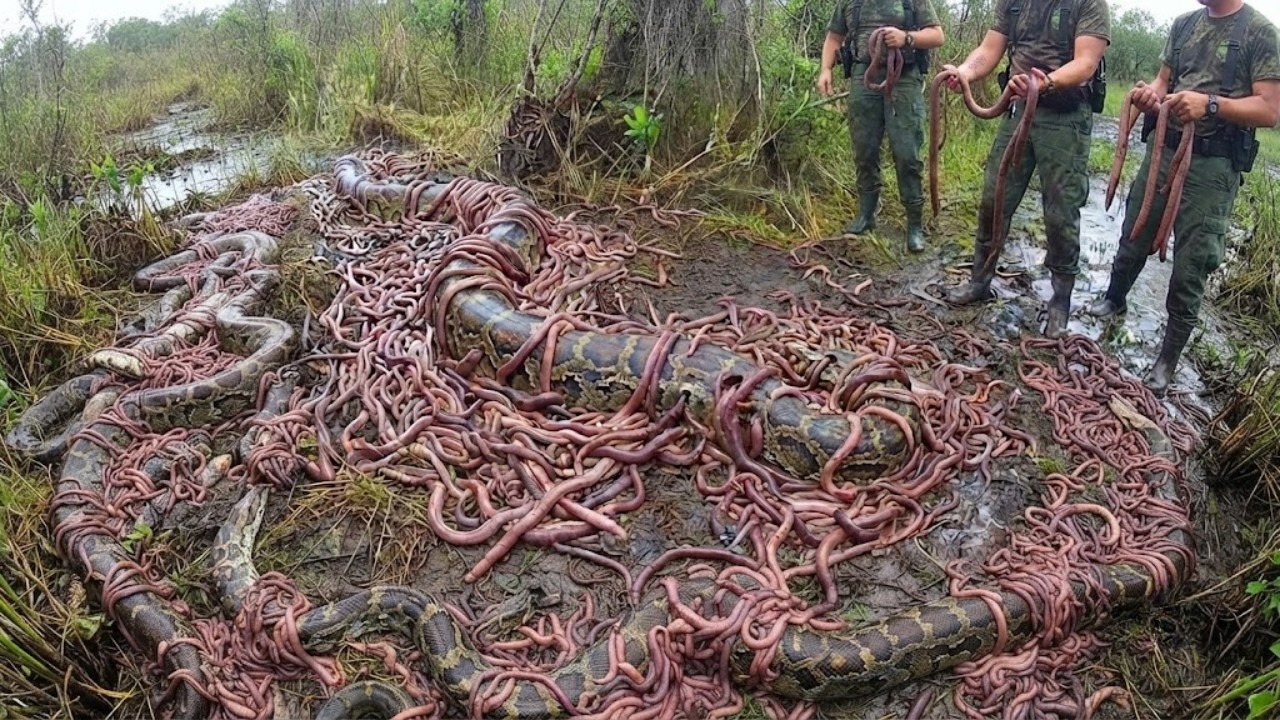
Invasive Burmese pythons have caused significant ecological damage in the Florida Everglades since they first appeared there in the late 1970s and early 1980s, likely after escaping or being released
Invasive Burmese pythons have caused significant ecological damage in the Florida Everglades since they first appeared there in the late 1970s and early 1980s, likely after escaping or being released by pet owners. Over the decades, their presence has led to dramatic declines in native mammal populations, with surveys showing near-total losses of rabbits and foxes in some areas and severe drops in…
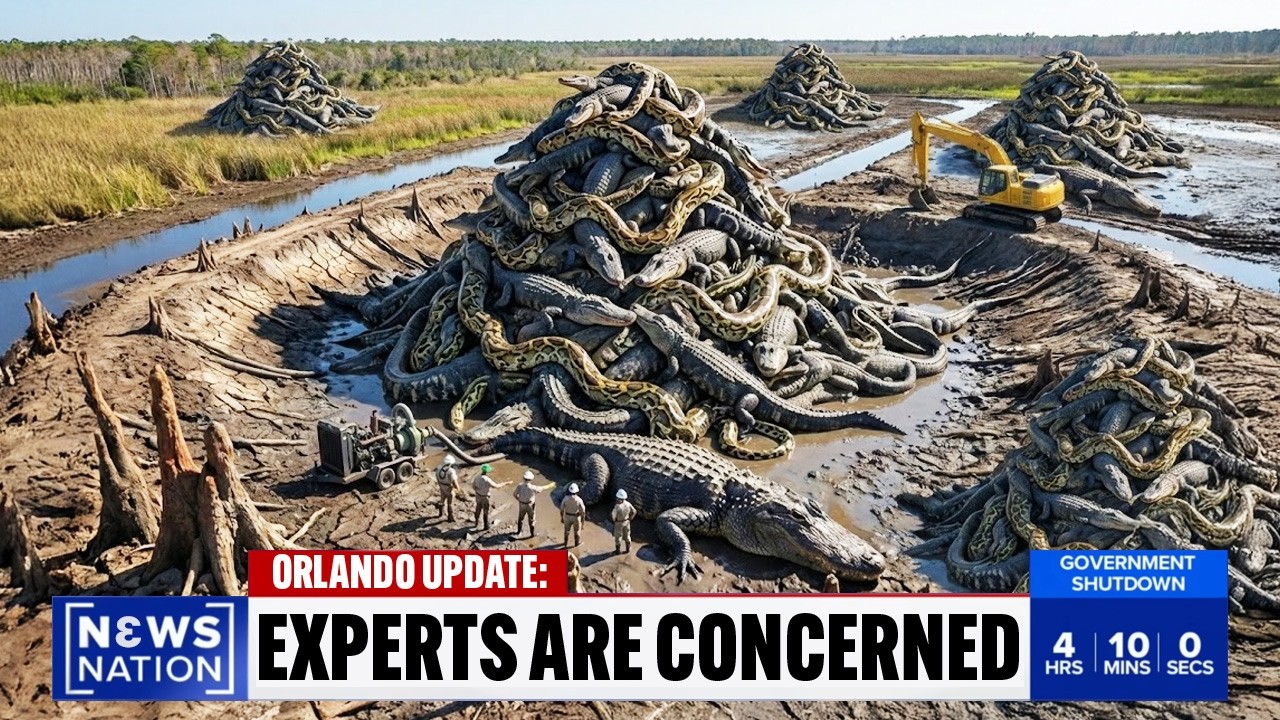
A routine water drawdown at a treatment facility in South Florida uncovered an underground network of invasive armored catfish tunnels and a hidden population of Burmese pythons, according to
A routine water drawdown at a treatment facility in South Florida uncovered an underground network of invasive armored catfish tunnels and a hidden population of Burmese pythons, according to biologists who documented the find.Water managers periodically drain the facility, which spans thousands of hectares in the heart of South Florida, to maintain vegetation. Biologist Sarah Mitchell had perform…
Florida officials have spent years and millions of dollars trying to control the state’s Burmese python population, a species that has spread widely through the Everglades since being introduced
Florida officials have spent years and millions of dollars trying to control the state’s Burmese python population, a species that has spread widely through the Everglades since being introduced through the exotic pet trade. At a recent event in Stuart, Governor Ron DeSantis discussed new actions the state plans to take in that effort.The population has proven difficult to manage through conventio…
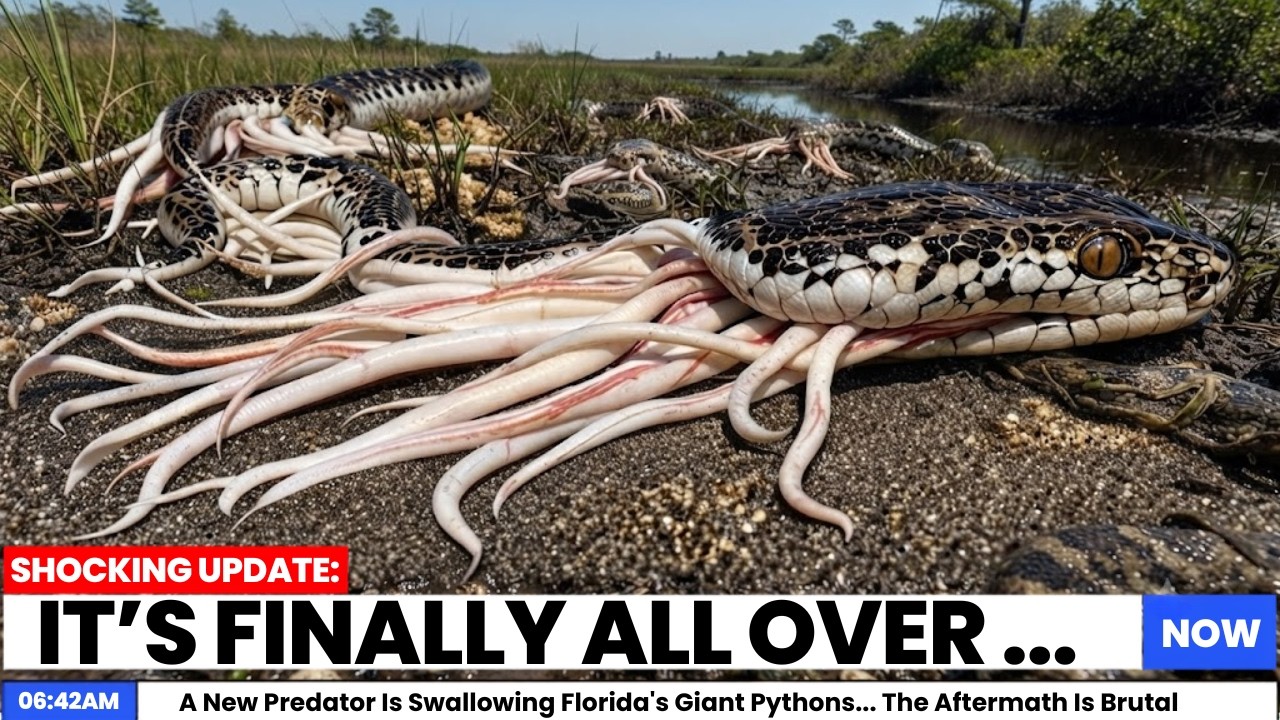
Burmese pythons are vanishing from Florida, and scientists now know what’s hunting them. For years, the invasive snakes dominated the Everglades, swallowing native wildlife and evading every control effort.
For seven years, ecologist Elena Marsh conducted python population surveys in Big Cypress National Preserve under a contract with the University of Florida. She used a consistent methodology and tracking network, and observed stable or increasing python presence across her monitored areas. Over four consecutive field seasons, however, three specific zones in the Fakahatchee Strand management unit…
Florida’s giant pythons finally have a new enemy, and it isn’t another predator. For years, hunters have battled the invasive snakes that have devastated the Everglades, but a surprising weapon is now changing the fight.
For two decades, the Burmese python faced no natural predators in the Florida Everglades. Neither alligators, nor hunters, nor the millions of dollars spent on eradication programs were able to stop the spread of the invasive species. In large areas of the wetlands, the snakes eliminated about 90 percent of small and medium-sized mammals before any native species began to mount an effective respon…

Florida shipped robot rabbits into the Everglades to hunt pythons, and what happened next stunned wildlife officials. The fake rodents were designed to lure massive invasive snakes into the open, where teams could finally track their movement.
During the 1980s and 1990s, baby Burmese pythons were sold in Florida pet stores as small, manageable pets. Many owners were unprepared for how large the snakes would become, and some released them into the wild when they grew to considerable sizes. Hurricane Andrew in 1992 also damaged reptile breeding facilities, allowing an unknown number of snakes to escape.The Everglades provided ideal condit…