
In 1940, 630 beavers lived in the Kawuneeche Valley in Colorado. By 2023, only six remained. Willow trees had thinned, wetlands had disappeared, and roughly 90 percent of the valley’s surface water
In 1940, 630 beavers lived in the Kawuneeche Valley in Colorado. By 2023, only six remained. Willow trees had thinned, wetlands had disappeared, and roughly 90 percent of the valley’s surface water was gone. The valley sits at the headwaters of the Colorado River, which supplies drinking water to about 40 million Americans along its 1,450-mile path through the western United States. Ecologists had…
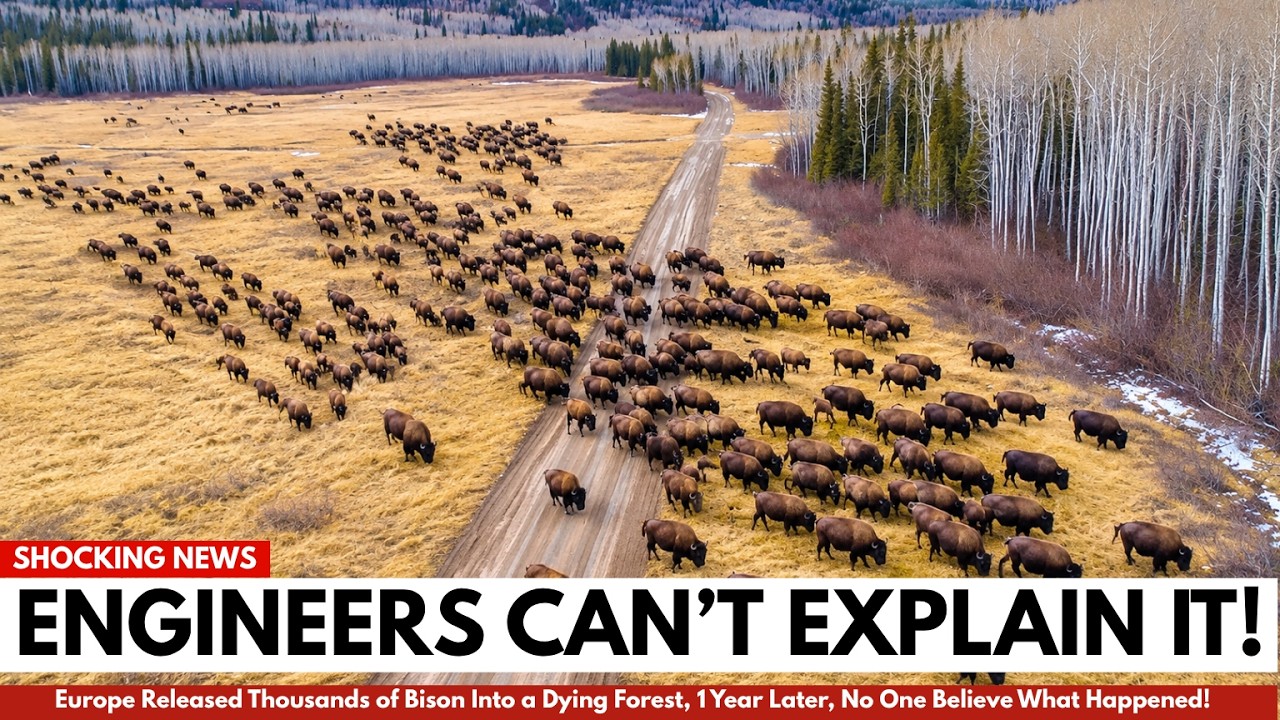
Bison were reintroduced to the long-grass prairies thirty years ago, an ecosystem that once flourished but had remained dormant for more than a century. Since then, their numbers have increased with
Bison were reintroduced to the long-grass prairies thirty years ago, an ecosystem that once flourished but had remained dormant for more than a century. Since then, their numbers have increased with no signs of slowing down.Long ago, herds of Europe’s largest land mammal moved by the thousands through ancient forests. They shaped meadows, spread seeds across entire regions, and created paths that…
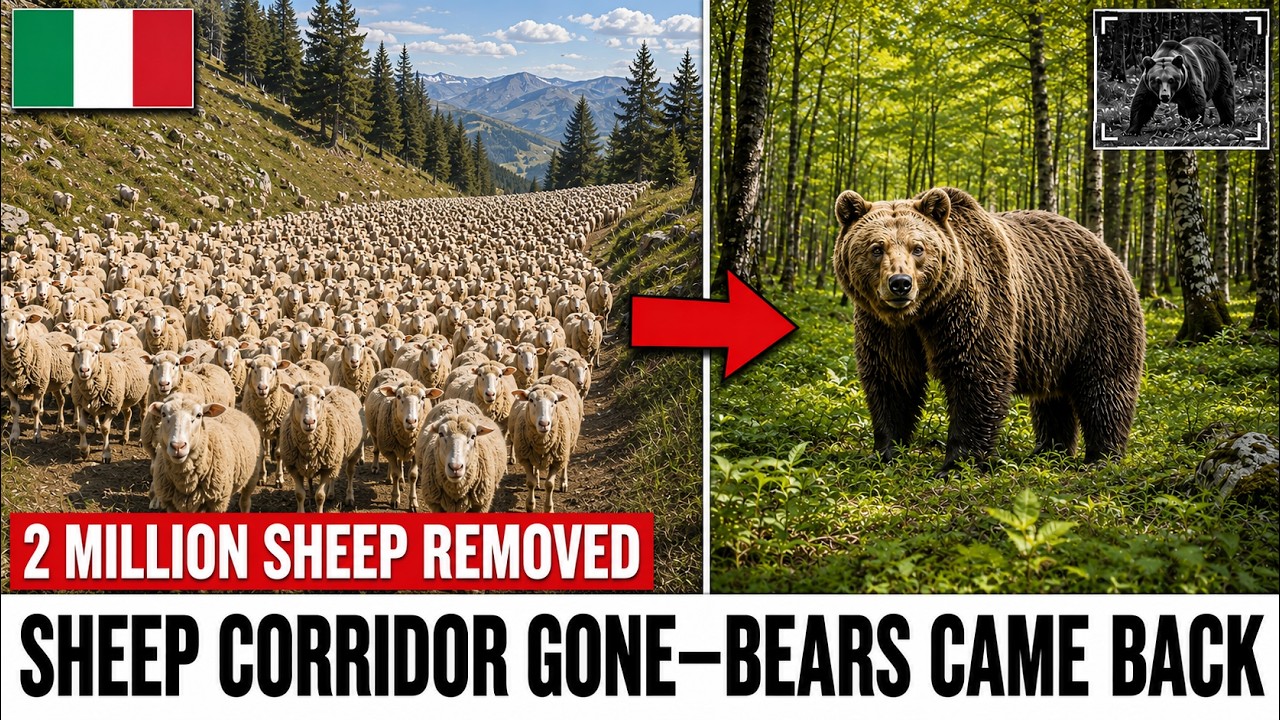
In the mountains of central Italy, between Rome and the Adriatic coast, roughly 50 to 60 Marsican brown bears remain. This is the entire global population of the subspecies, which exists nowhere else
In the mountains of central Italy, between Rome and the Adriatic coast, roughly 50 to 60 Marsican brown bears remain. This is the entire global population of the subspecies, which exists nowhere else on Earth. If this group disappears, no other bear population can replace it. The genetic characteristics, behaviors, and thousands of years of adaptation to these Mediterranean mountain ecosystems wou…
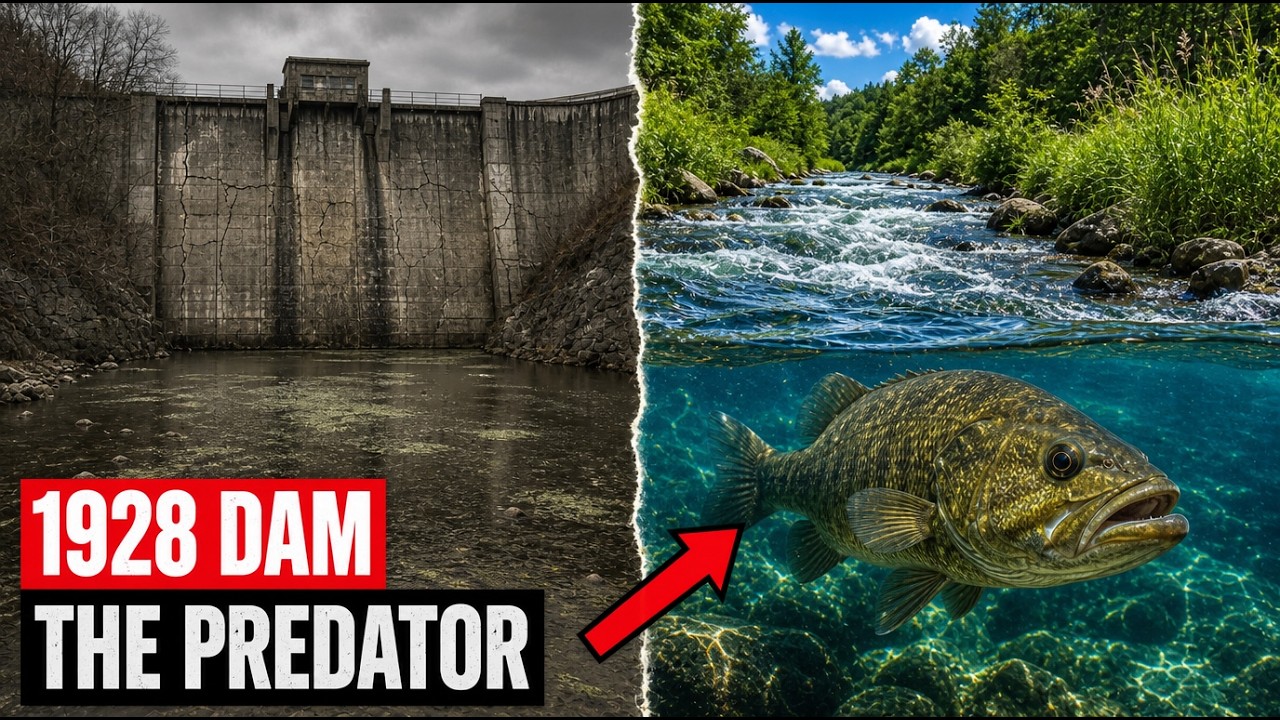
In the fall of 2015, a smallmouth bass swam past a stone bridge in the suburbs of Pittsburgh and entered a stretch of Little Sewickley Creek that no bass had reached since the 1920s. The fish was not
In the fall of 2015, a smallmouth bass swam past a stone bridge in the suburbs of Pittsburgh and entered a stretch of Little Sewickley Creek that no bass had reached since the 1920s. The fish was not released there and was not chased into the area. It moved upstream on its own into a shallow section of the creek where an 87-year-old concrete barrier had stood just four months earlier.Little Sewick…
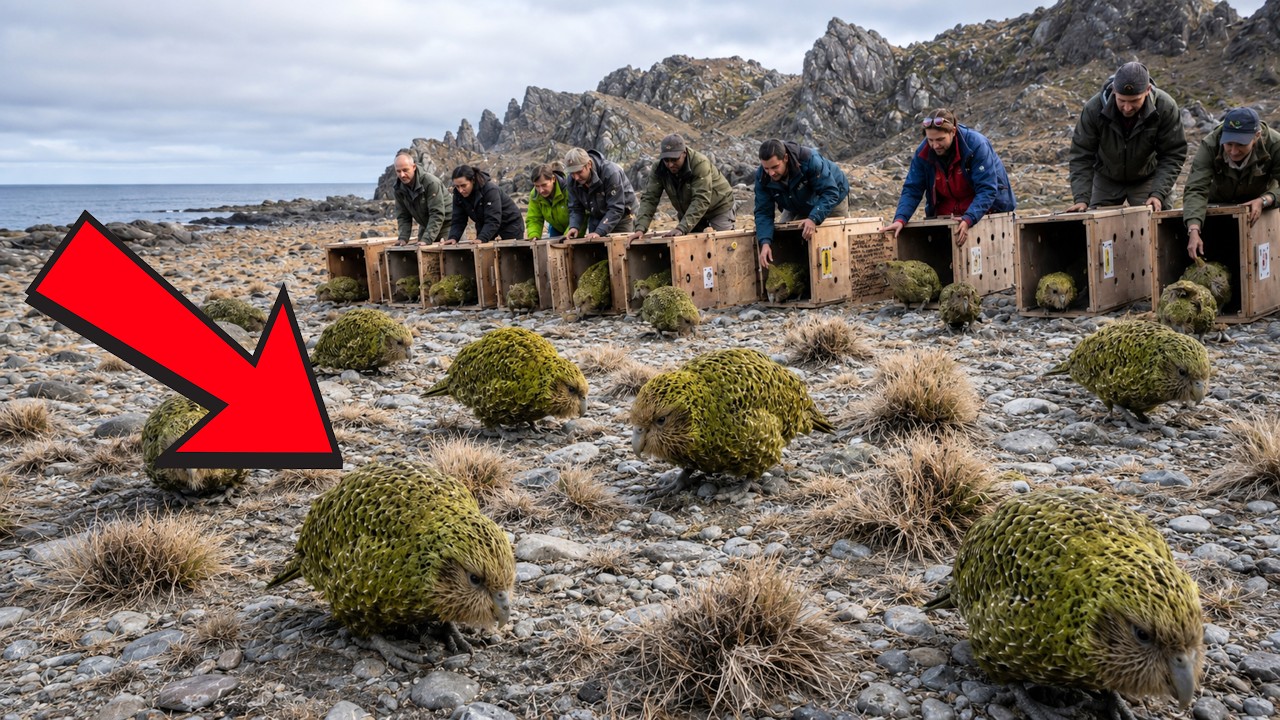
In 1995, the entire population of kakapo, a flightless, moss-green parrot native to New Zealand, numbered just 51 birds. The species was on the brink of extinction. In a final effort to save it,
In 1995, the entire population of kakapo, a flightless, moss-green parrot native to New Zealand, numbered just 51 birds. The species was on the brink of extinction. In a final effort to save it, conservation authorities gathered the remaining survivors and moved them to remote, predator-free islands. The relocation was a desperate measure, and its long-term success was uncertain.The kakapo is an u…
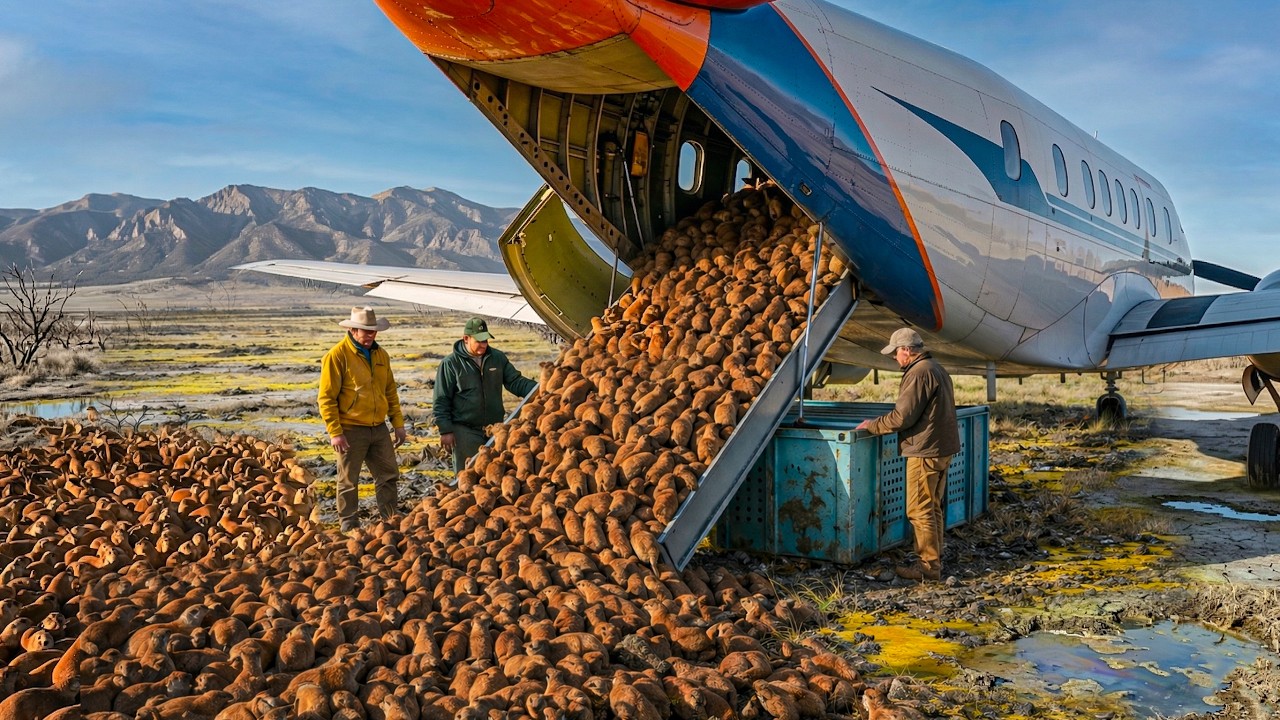
In 1989, wildlife managers released 714 prairie dogs onto a former chemical weapons manufacturing site near Denver. The animals were intended to stabilize soil and control dust on land that had been
In 1989, wildlife managers released 714 prairie dogs onto a former chemical weapons manufacturing site near Denver. The animals were intended to stabilize soil and control dust on land that had been contaminated by decades of industrial activity. That modest assignment initiated a chain of ecological events that eventually supported the release of the black-footed ferret, the rarest mammal in Nort…

In 2022, a team of geneticists at Texas A&M University completed a study that changed how scientists understand the genetic history of the American bison. The researchers sequenced the genomes of
In 2022, a team of geneticists at Texas A&M University completed a study that changed how scientists understand the genetic history of the American bison. The researchers sequenced the genomes of bison from major historical lineages and compared them against the genomes of domestic cattle, searching for traces of cattle DNA. They expected to confirm that certain herds with documented histories of…
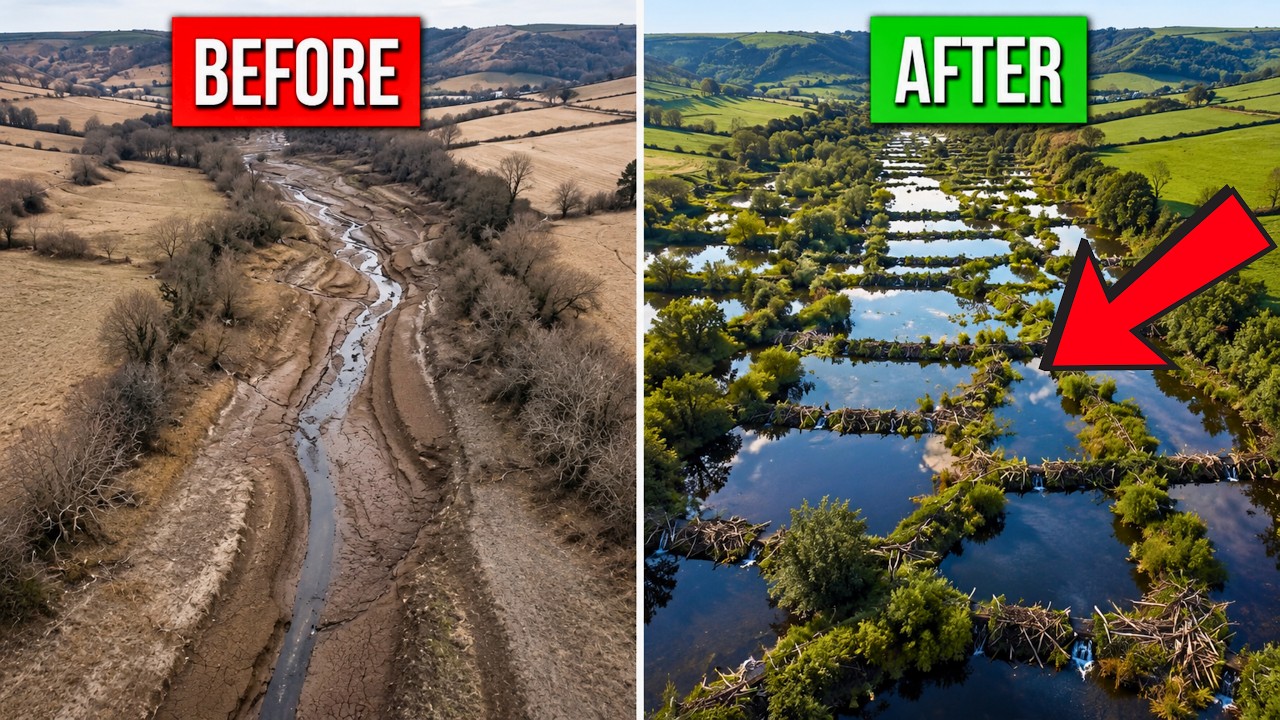
England released eight beavers onto a dying river, hoping they could rescue its collapsing ecosystem. Five years later, the results stunned everyone—but not in the way scientists predicted.
In 2014, the British government learned that wild beavers had been living and breeding on the River Otter in Devon. Their origin was unknown. The government initially planned to remove them, but a wildlife charity successfully proposed monitoring them instead. Eight beavers were released back onto the river as part of a five-year experiment. The changes they brought to the water, wildlife, and sur…
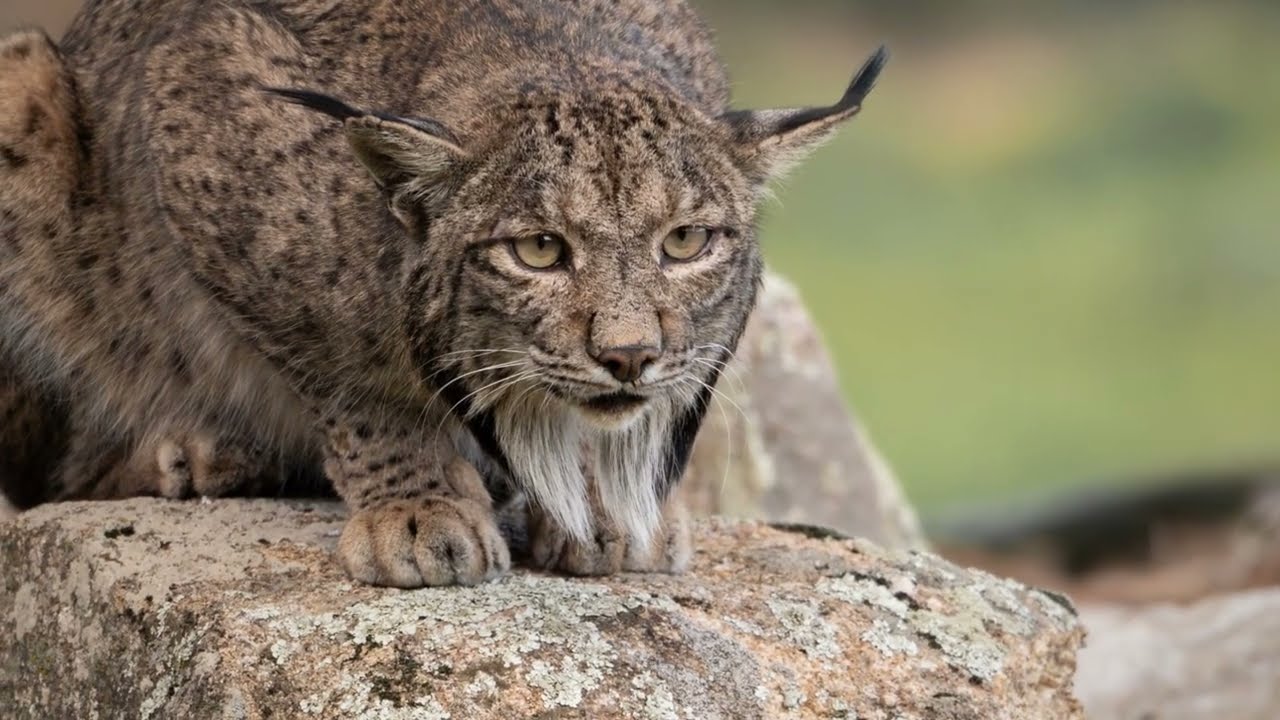
Spain released its final 62 lynx into the wild, hoping to rescue a species once on the brink of extinction. The animals vanished from the country decades ago, and these releases marked the last chance to rebuild a wild population from nothing.
By the early 2000s, the scrublands of southern Spain had lost a critical part of their ecological structure. Two viral outbreaks, spread largely through human activity, had nearly eliminated the European rabbit from the Iberian Peninsula. That loss had severe consequences for the region’s wildlife, particularly for the Iberian lynx, a predator that depends almost entirely on rabbits for food.The I…
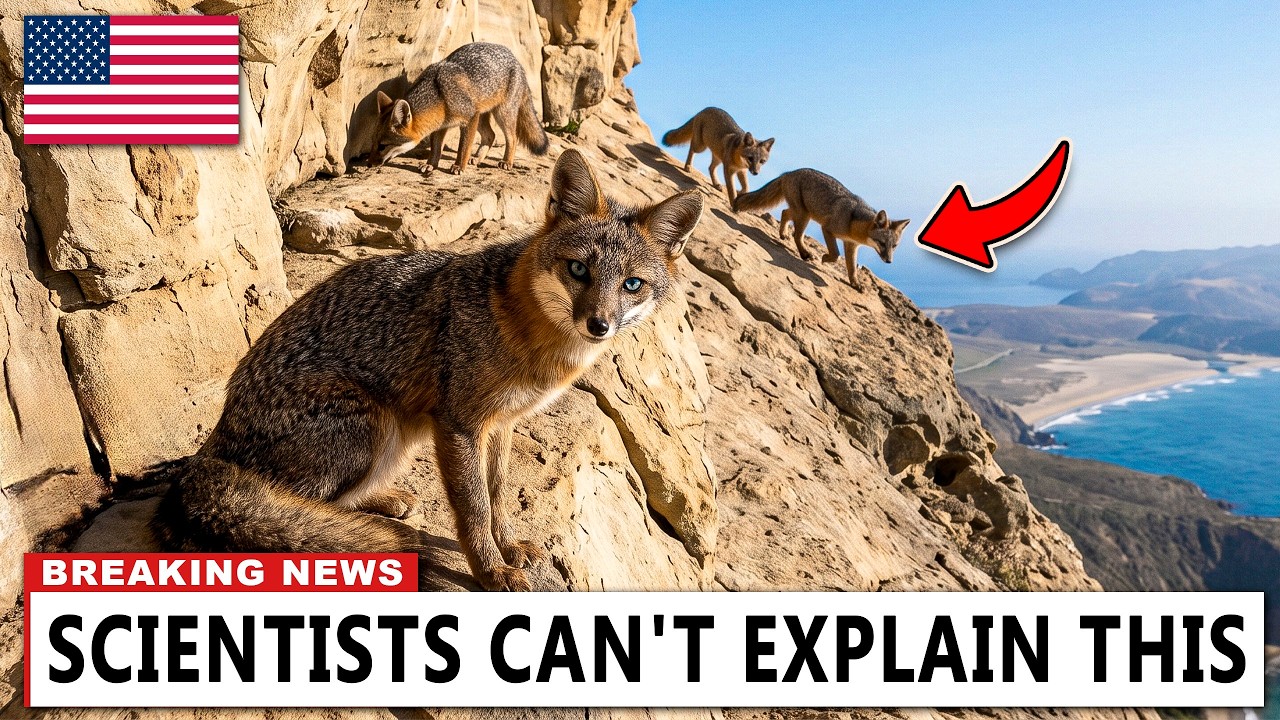
California found just 15 foxes left on one island, teetering on the brink of total extinction. Wildlife rescuers scrambled to save the species from disappearing forever, launching an urgent breeding program in the remote wilderness.
In 1994, approximately 450 island foxes lived on San Miguel Island off the California coast. Five years later, only 15 remained. Graduate student Gary Roemer began finding fox carcasses on neighboring Santa Cruz Island during his research there. Over two years, he found 21 dead foxes, 19 of them with similar wounds indicating predation from above.The island fox, about the size of a house cat, live…