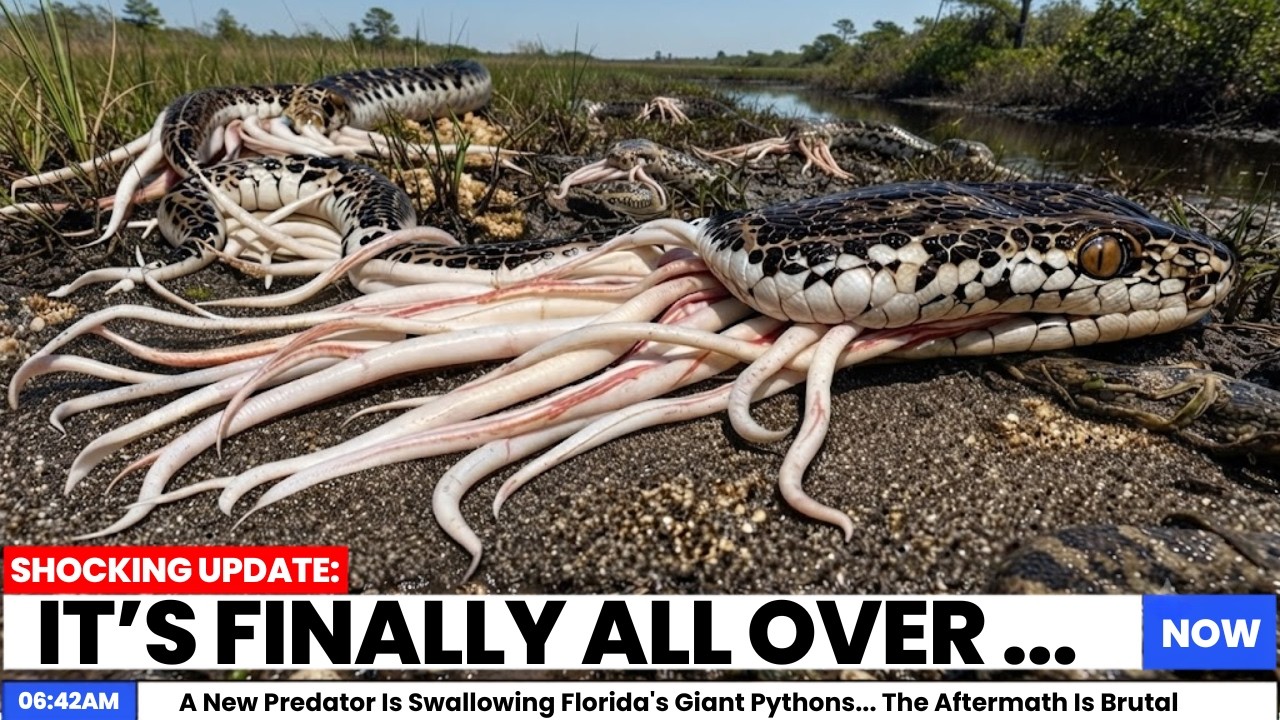
Burmese pythons are vanishing from Florida, and scientists say seven other species are already hunting them back. The invasive snakes once thrived unchecked across the Everglades, wiping out native wildlife.
A wildlife researcher tracking invasive Burmese pythons in the Florida Everglades has documented what appears to be a significant shift in the ecosystem: seven native predator species are independently preying on pythons in ways not previously recorded.Dr. Elena Marsh had conducted systematic python density surveys in the Big Cypress National Preserve for seven years under a contract with the Univ…
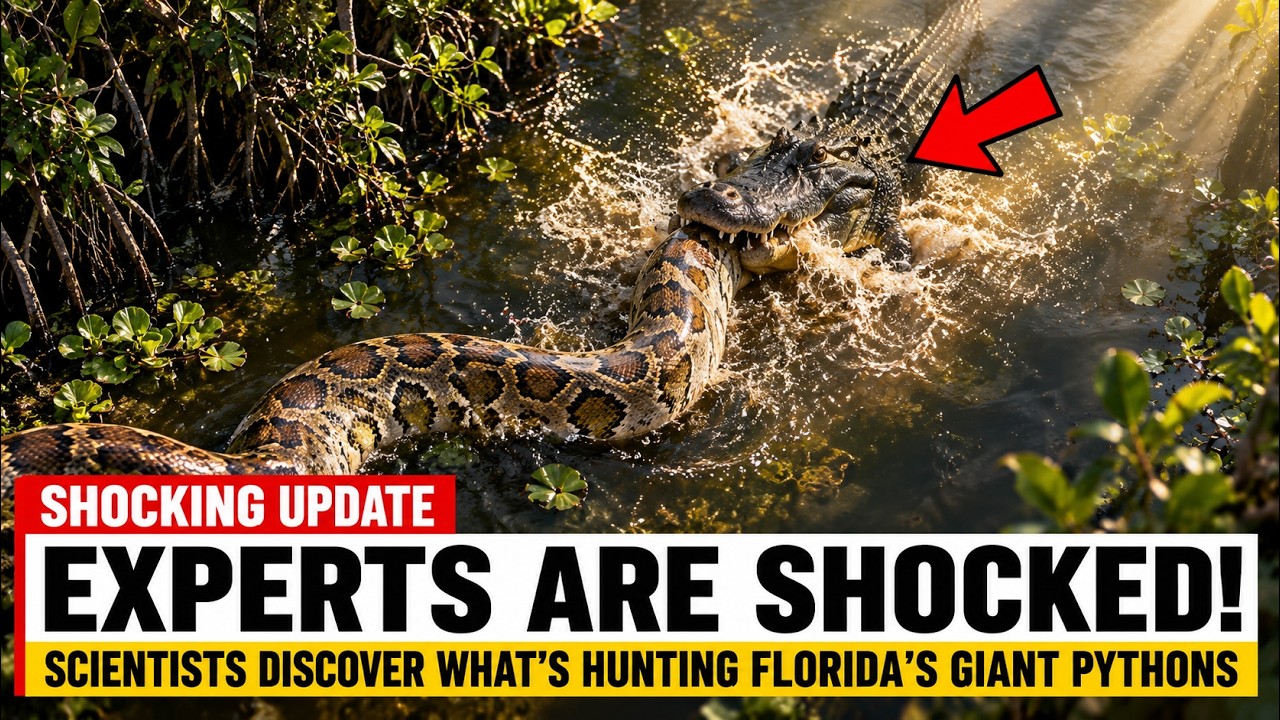
Deep in the Everglades, scientists finally identified what’s been hunting Florida’s giant pythons—and it’s not another snake. For years, massive invasive pythons have devastated local wildlife, and researchers suspected an unexpected predator was pushing back.
The Burmese python has been an established apex predator in the Florida Everglades for roughly two decades. The invasive species, which can reach lengths of 20 feet, has contributed to significant declines in native mammal populations across the wetland ecosystem.Eradication efforts have spent millions of dollars and involved thousands of hunter hours, but specialists describe the results as limit…

A Florida robot rabbit squad was designed for one brutal job—luring invasive pythons out of hiding—and the footage of what it triggered is genuinely terrifying. The decoy bunnies mimic real prey, moving to draw massive snakes into open ground, where the team planned to capture or cull them.
Officials in Florida have invested in a range of methods to address the population of invasive Burmese pythons in the Everglades, including an experimental effort involving robotic decoys designed to attract the snakes. The program used artificial rabbits equipped with heating elements, scent emitters, and cameras to lure pythons into monitored areas where removal teams could be dispatched.The Eve…
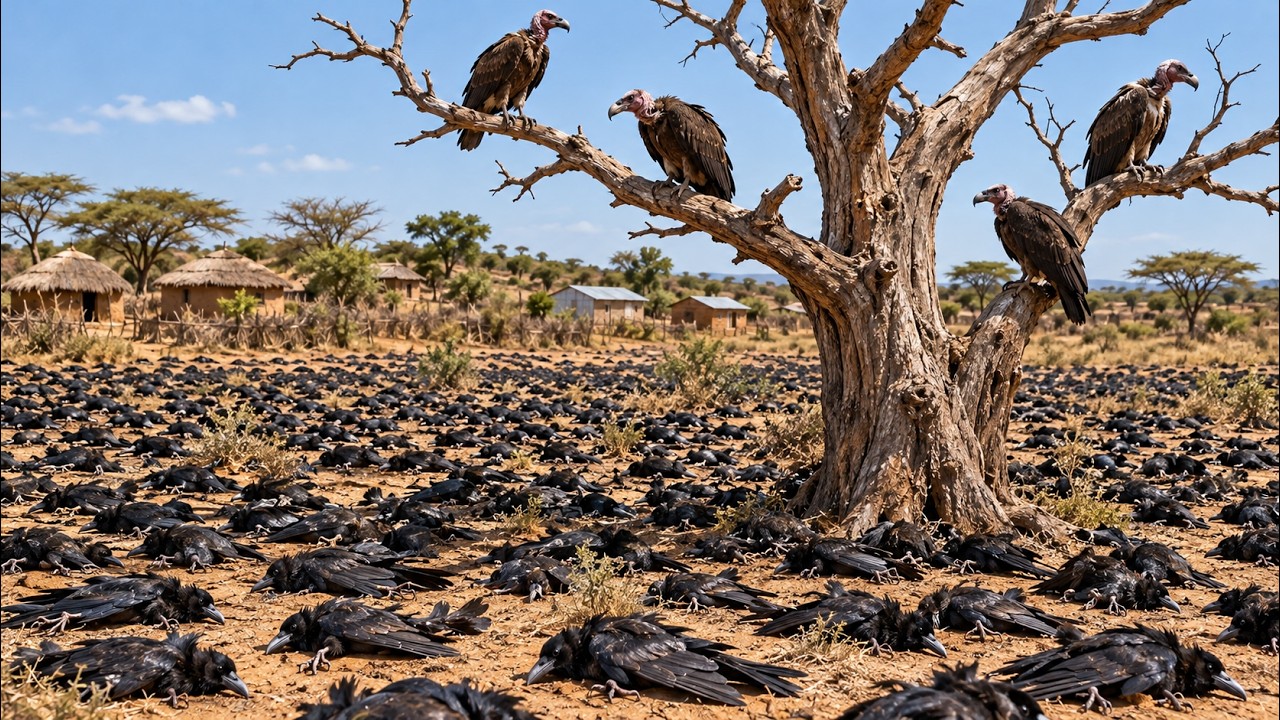
Kenia steht im Krieg gegen Zehntausende intelligente Krähen, doch Fallen und Schusswaffen versagen kläglich. Die invasiven Vögel gelten als Plage, zerstören Ernten und bedrohen einheimische Arten an der Küste.
In 2024 begann in Kenia eine groß angelegte Kampagne gegen eine invasive Vogelart. Ziel war es, innerhalb von sechs Monaten eine Million Hauskrähen zu töten. Die Hauskrähe gilt als eine der intelligentesten Vogelarten der Welt. Sie erkennt menschliche Gesichter, merkt sich Gefahren und warnt ihre Artgenossen vor drohenden Bedrohungen.In der Küstenstadt Malindi wurden bei einer Zählung mehr als 31….
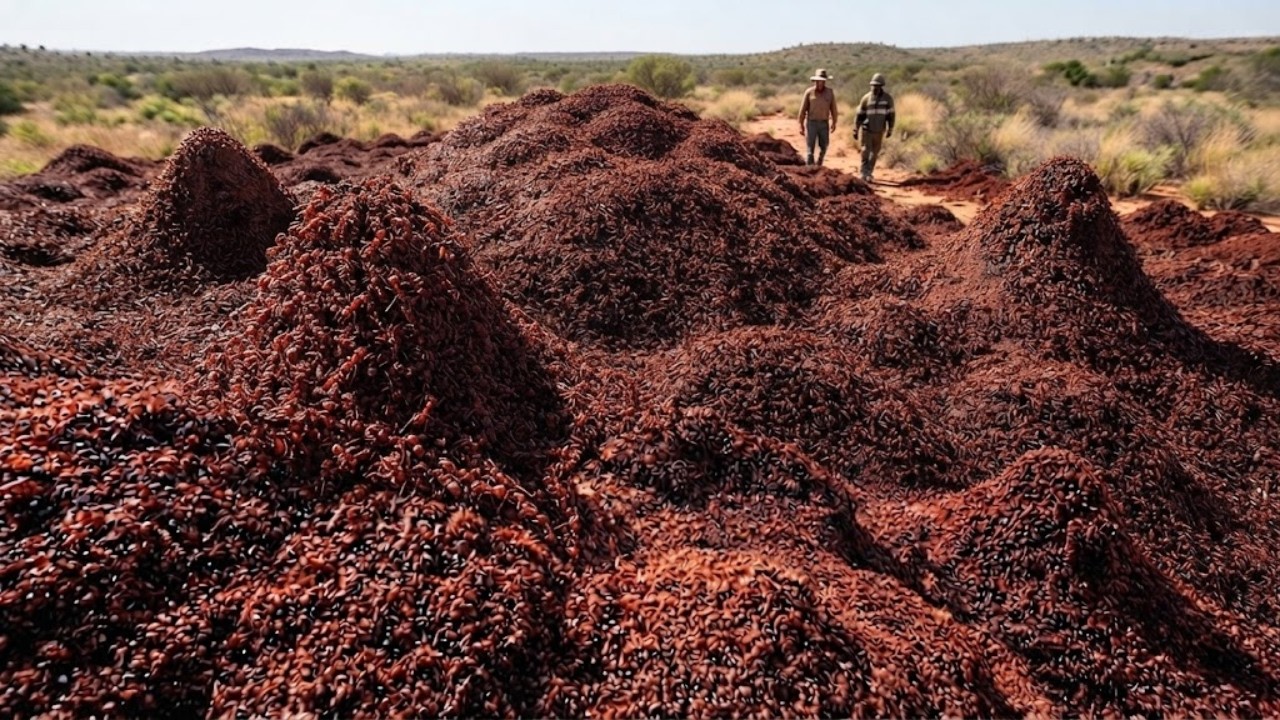
A single invasive species reshaped Georgia’s farmland for decades, and now fire ants are vanishing from fields where they once dominated. Scientists investigating the sudden disappearance have identified an unexpected force already halting their spread, and farmers are noticing the difference.
Since 2019, entomologist Sara Colby has conducted fire ant density surveys across agricultural corridors in southwestern Georgia, working from the University of Georgia campus in Tifton, within the state’s peanut and cotton belt. Her monitoring protocol was straightforward: fixed survey lines along the same field margins, shrub lines, and pasture edges each growing season, using standard mound cou…
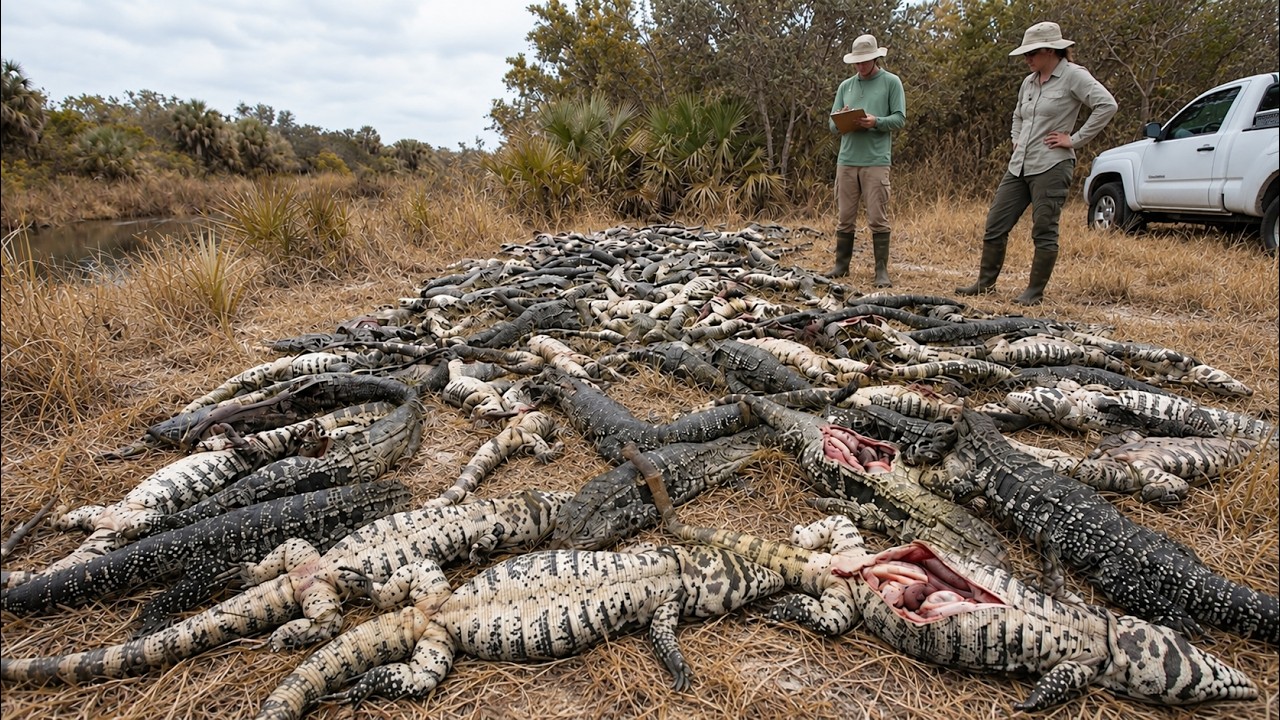
Sie jagen sie nicht mehr einzeln—sie jagen sie mit Fallen, Sturmgewehren und einem speziellen Team. Florida erklärt den Leguanen den Krieg, doch die Echsen wehren sich auf unerwartete Weise.
Grüne Leguane wurden in den 1960er Jahren nach Florida eingeführt und haben sich dort seitdem stark vermehrt. Die Tiere verursachen Schäden an Gebäuden und Infrastruktur, etwa durch Grabaktivitäten unter Häusern oder Stromausfälle in Umspannwerken. Behörden und Anwohner versuchen seit Jahren, die Population einzudämmen, bislang mit begrenztem Erfolg.1966 gelangten etwas mehr als 300 Grüne Leguane…

America just released eight-foot river monsters into Asian carp-infested waters, and the results are now in. For years, invasive carp have devastated native ecosystems, outcompeting local fish and wreaking havoc on rivers across the Midwest.
The alligator gar, a native North American fish capable of growing past eight feet in length, was declared completely gone from Illinois waters by 1994. The disappearance followed decades of deliberate killing and habitat loss.In 2010, Illinois joined a multi-state reintroduction effort led by the United States Fish and Wildlife Service. Since then, thousands of the fish have been released into ri…
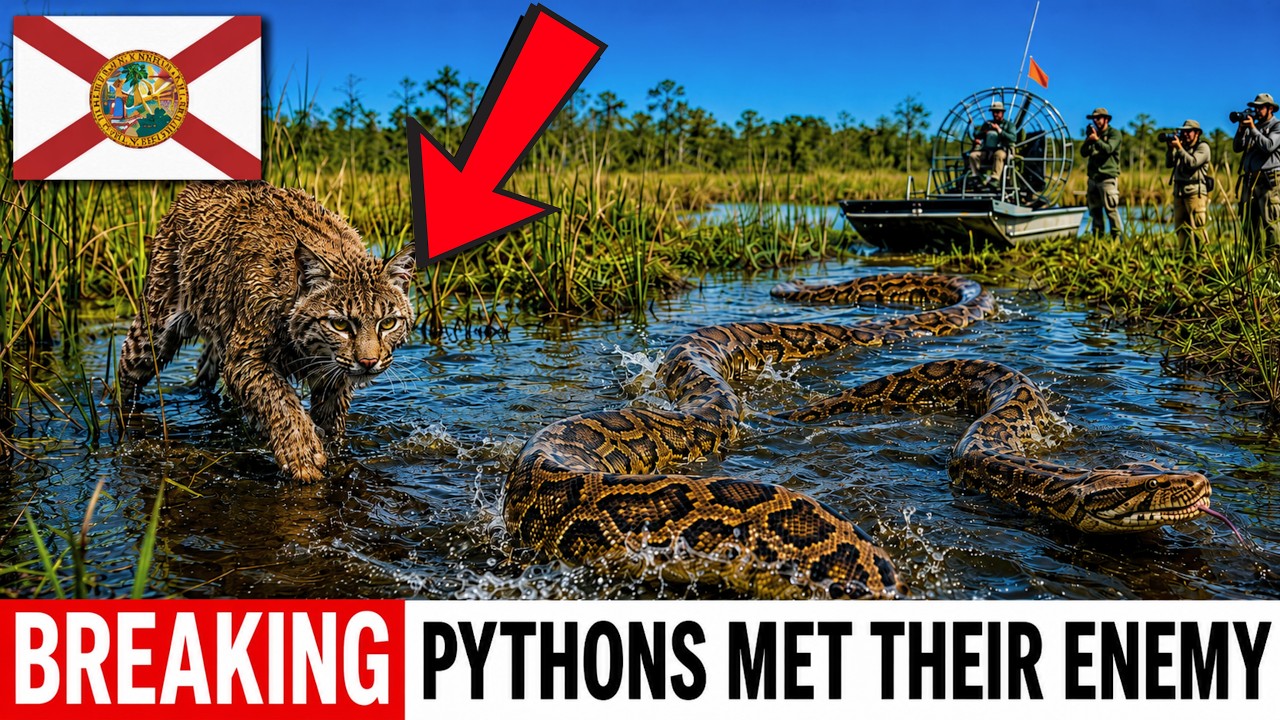
Florida spent millions on hunts and radio-tracked “scout snakes” to fight invasive Burmese pythons, yet nature may have quietly found a $0 solution. For over a decade, the Everglades seemed defenseless—raccoon sightings plummeted 99.3 percent as the constrictors spread.
In June 2021, a camera placed near a Burmese python nest in Big Cypress National Preserve recorded a bobcat eating the python’s eggs. The incident was the first documented case of a native Florida animal preying on python eggs.The Burmese python population in the Everglades has grown since the snakes began breeding in the wild around 2000. Many were released pets or escapees. Native animals had no…

Researchers returned to the Everglades after the fires expecting to confirm what twenty years of study had supposedly proven—that the Burmese python had won—but the charred ground revealed a hidden story that contradicted everything they thought they knew. For decades, the invasive snakes had erased over 99% of raccoon sightings and pushed native wildlife toward collapse, despite removal programs capturing more than 20,000 pythons.
Everglades wildfires burn nearly every year, but what they reveal in their aftermath has changed how researchers understand one of the most studied ecological invasions in North America. When sawgrass disappears and standing water becomes exposed, survey teams enter areas that are normally impossible to read. For years, the expectation was that fire would confirm a grim picture researchers had alr…

Twelve zoo-bred antelope released on a Texas ranch in 1930 have multiplied into tens of thousands, and now they threaten a border defense that took forty years to build. The nilgai, Asia’s largest antelope, escaped captivity because fences barely slow them down.
In the early morning hours along the Texas coast, a large animal stands motionless in the thorny brush near a farm road. It watches a passing truck. The creature stands about five feet tall at the shoulder, enough to look a driver in the eye through the window. Its coat is a dull blue-gray, nearly invisible in the dim light. The body is built for speed, with broad shoulders and a sloping back that…